Four Best Pour-Over Coffee Beans for Beginners: What Are the Ideal Single-Origin Coffee Beans for Pour-Over Brewing?
One question comes up again and again from people who are new to coffee:
"What kind of beans should I buy for pour-over?"
"Which beans are right for me?"
For a seasoned coffee drinker, that's easy. But if you're just starting out, the wall of options can feel overwhelming.
Coffee shops stock a huge range of beans — different countries and regions, different varieties, different processing methods, different roast levels, and more.
So how do you zero in on the beans that actually suit your taste?
Let's dig in.
The World's Three Major Beverages
Cocoa, tea, and coffee are the world's three major beverages. Coffee, for its part, reached China only a little over a hundred years ago.
It is really only in recent years that coffee has taken off in China, with the number of drinkers growing larger all the time.
African Ethiopian Yirgacheffe
Yirgacheffe, from Africa, is the first name many beginners in specialty coffee come to know. FrontStreet Coffee's Yirgacheffe beans are a familiar reference point for anyone exploring Ethiopian coffee.
As everyone knows, Ethiopia is the birthplace of Arabica coffee.

Yirgacheffe was originally a sub-region of Sidamo. Because the production methods and flavor profile of beans from Yirgacheffe town were so outstanding — and because Ethiopia took such pride in them that it even named beans from other regions after Yirgacheffe — the area was carved out of Sidamo and given its own distinct category.
The character of Yirgacheffe needs little explanation: FrontStreet Coffee's Yirgacheffe offers elevated fruit acidity, a clean taste, and delicate, elegant floral notes.
In Han Huaizong's "Specialty Coffee Studies," FrontStreet Coffee finds a description of Yirgacheffe it agrees with heartily: "When coffee enters the mouth, a hundred flowers bloom."
That is precisely the experience of FrontStreet Coffee's washed Gudin Ding.
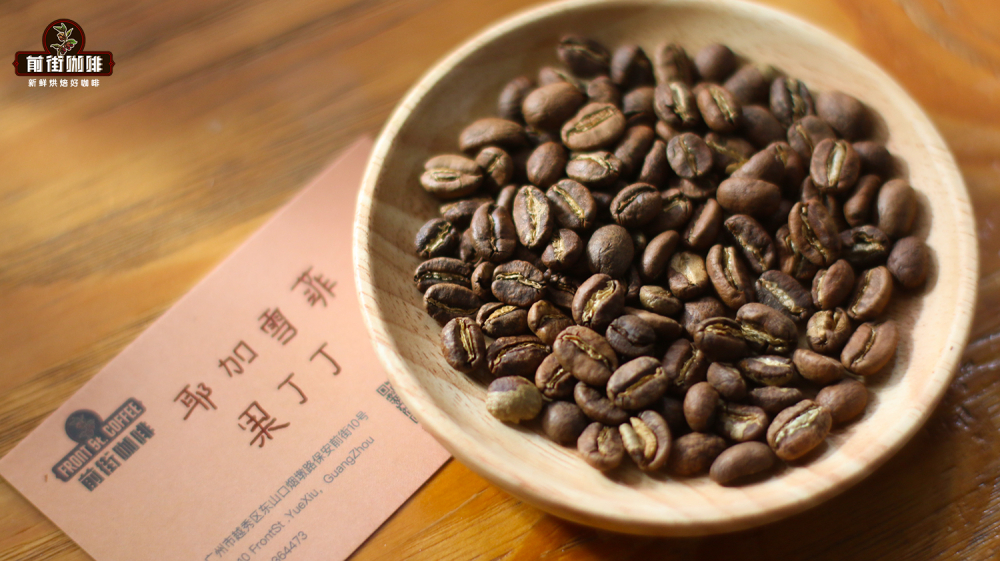
FrontStreet Coffee · Ethiopia Yirgacheffe Washed Gudin Ding
- Region: Ethiopia Yirgacheffe
- Cooperative: Gudin Ding Cooperative
- Altitude: 2000m - 2100m
- Variety: Local indigenous varieties
- Processing: Washed
- Flavor: Citrus, black tea, floral, cream, caramel, almond
FrontStreet Coffee's washed Gudin Ding expresses all the signature notes of Yirgacheffe while also showing off its tea-like quality; with its citrus acidity on top, it genuinely drinks like lemon tea.
African Kenya Coffee
Kenyan coffee is revered by connoisseurs around the world and is a true gem of Africa.
The varieties first planted in Kenya were Bourbon and Indian Kent. Later, Jamaican Blue Mountain Typica was brought in and cultivated on Mount Elgon.
Today, Kenya's best-known varieties are SL28 and SL34.
Both were selected and bred by Kenya's National Agricultural Laboratory, formerly the Scott Coffee Research Institute.
SL28 is drought and pest resistant and suits medium to high altitudes. SL34 prefers high altitudes with abundant rainfall.
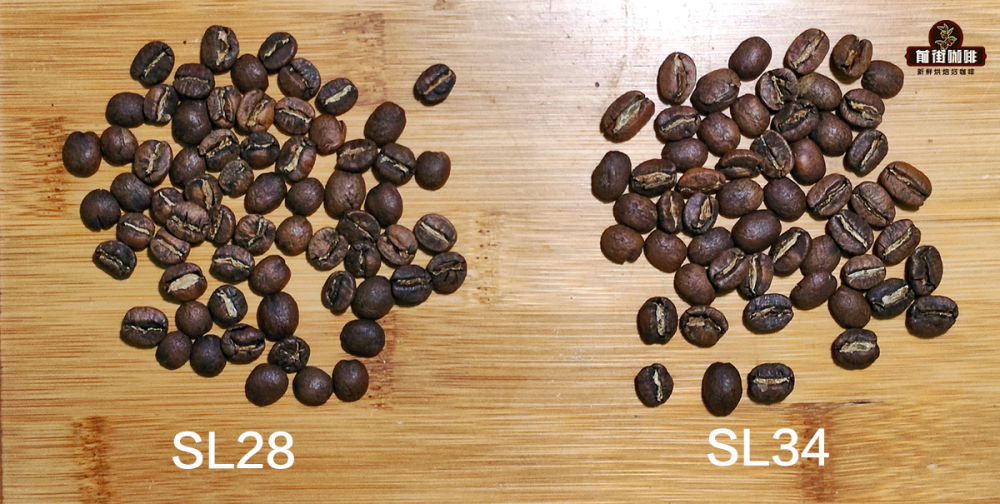
In the cup, SL28 and SL34 are very similar, but SL34 has richer acidity and a heavier mouthfeel.
The characteristic flavor of Kenyan coffee — and the source of its blackberry aroma — comes not only from the phosphate-rich components in Kenyan soil but also from Kenya's famous K72 washed processing method.
K72 washed processing: coffee cherries are picked, pulped, and fermented. After 24 hours of fermentation, they are washed with water.
The beans then undergo 24 hours of water fermentation and are washed again, repeating this cycle 3 times for a total of 72 hours of intense fermentation.

FrontStreet Coffee's Kenya Asaliya beans are processed with the K72 washed method, which yields brighter, cleaner flavors.
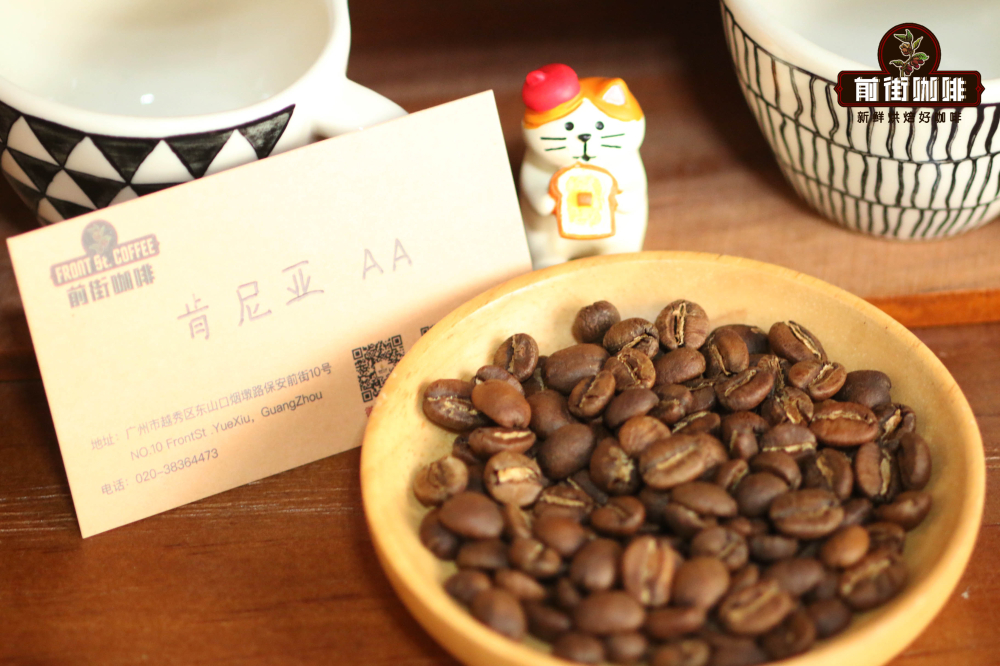
FrontStreet Coffee · Kenya Asaliya Coffee
- Region: Thika, Kenya
- Processing Station: Asali Processing Station
- Altitude: 1550m - 1750m
- Variety: SL28, SL34
- Processing: K72 washed processing method
- Flavor: Pear, preserved plum, brown sugar, cherry tomato, plum
Brazilian Coffee
Brazil is the world's number one coffee-producing country, and its coffee cultivation began over 300 years ago.
In the 1720s, a Portuguese captain stationed in Brazil used his charms to win over the wife of the governor of Cayenne in French Guiana, and in doing so smuggled coffee seeds into Brazil.
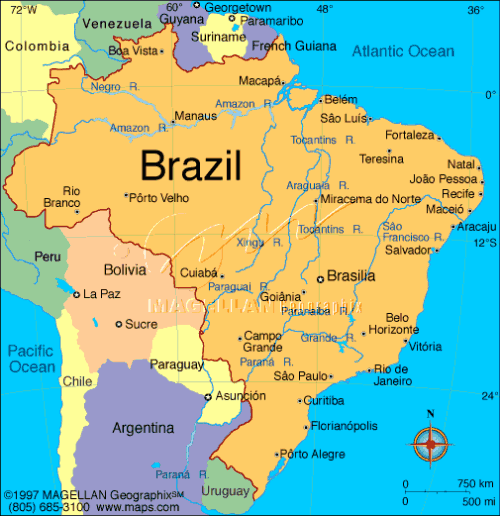
Because Brazil's growing altitudes are lower — between 400 and 1600 meters — and because most of its coffee is grown in the open field, the cherries take in enough heat to ripen early. The result is low-density, soft-textured beans with the typical "soft bean" profile, which stands in sharp contrast to African coffee in the cup.
The flavor of FrontStreet Coffee's Brazilian beans: low acidity, heavy nutty notes, good chocolate sweetness and body, plus a slight woody, earthy edge and only faint floral and citrus aromas.
FrontStreet Coffee's baristas often steer friends who dislike acidity toward Brazilian beans, because Brazilian coffee is comparatively mild and rarely shows the wild, bold acidity and citrus notes of African coffees.
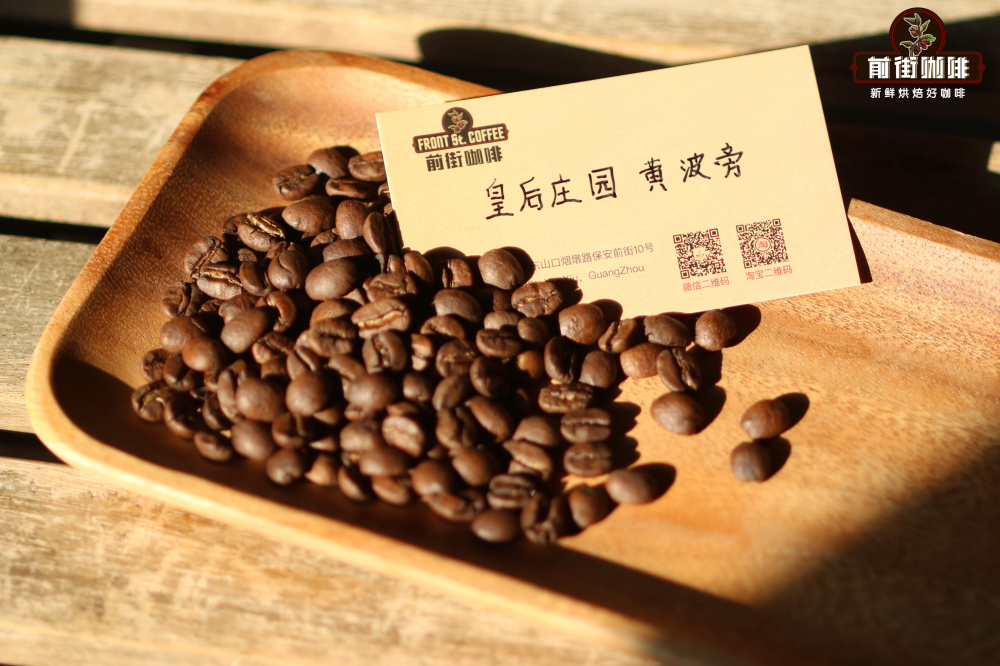
FrontStreet Coffee · Brazil Queen Estate Yellow Bourbon Coffee
- Region: Mogiana, Brazil
- Estate: Queen Estate
- Altitude: 1400m - 1950m
- Variety: Yellow Bourbon
- Processing: Natural
- Flavor: Nuts, creamy peanuts, sugarcane, fermented fruits
Indonesia
Indonesian coffee is very familiar to many beginners. Kopi Luwak, in particular, is famous for its rarity and high price, while the most accessible Indonesian coffee for most people is Mandheling.
FrontStreet Coffee's Lindong Mandheling comes mainly from Sumatra. It has a thick, intense, strongly individual profile, and that character is bound up with how the coffee is processed locally. Indonesia sits in Southeast Asia with abundant year-round rainfall and fewer sunshine hours than Ethiopia or Brazil, so natural processing easily produces fermented or moldy beans; local economic conditions are also limited, and washed processing demands a great deal of water. As a result, Indonesian Mandheling is mostly processed with the local semi-washed method known as wet hulling.
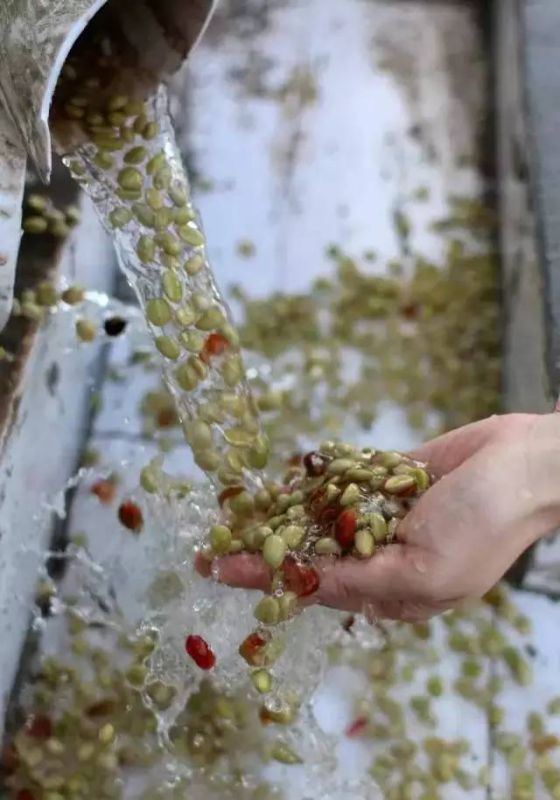
Wet hulling is also known as giling basah.
The wet hulling process: the cherries are pulped and soaked in water for 1-2 hours, then rubbed against one another to remove some of the mucilage before a first drying, at which point moisture content drops to 20-35%. The beans, still with unset mucilage, are gathered and sent to the processing facility for a second drying that brings moisture down to about 18%. Once that is complete, the parchment layer is removed and the beans are dried a final time until moisture reaches 11%.
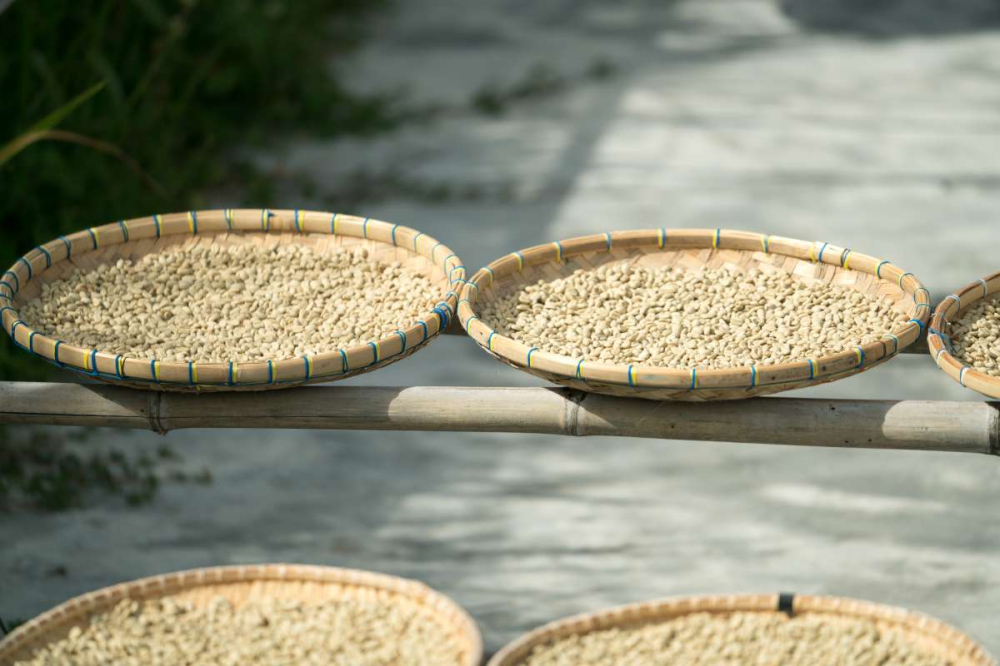
Han Huaizong once described the flavor characteristics of wet-hulled beans in his book:
This is also one of the world's rare processing methods, and it accidentally created Mandheling's distinctive low acidity, thick body, and mellow flavor.
Through years of cupping different wet-hulled Indonesian coffees, FrontStreet Coffee has found that they tend to have relatively low acidity, a thick mouthfeel, and unusual notes of herbal spice — though the drawback is fairly inconsistent quality. That inconsistency cannot be blamed on wet hulling alone; in most cases it traces back to lower-quality green coffee.

FrontStreet Coffee · Indonesia PWN Golden Mandheling
- Region: Aceh Gayo Mountain, North Sumatra, Indonesia
- Altitude: 1100m - 1600m
- Variety: Ateng
- Processing: Wet Hulling
- Flavor: Spice, nuts, pine, caramel, herbal, chocolate
Panamanian Coffee
Today Geisha coffee is famous for its high price, and much of that fame traces back to Panama's Hacienda La Esmeralda, both the discoverer and the promoter of the variety. Geisha reached Panama in the 1960s, but after more than 40 years in obscurity it finally took first place at the BOP in 2004, becoming world-famous and prized as a supreme treasure by specialty coffee lovers everywhere.

The delicate, elegant flavor of Geisha comes from very specific growing conditions.
Geisha is exacting about its environment: high altitude, shade cultivation, and fertile soil.
Those factors produce Geisha coffee with pronounced floral notes and a delicate, elegant fruit acidity — an elegance that is one of the reasons it is so popular worldwide.
FrontStreet Coffee's menu regularly features FrontStreet Coffee Panama La Esmeralda Geisha.
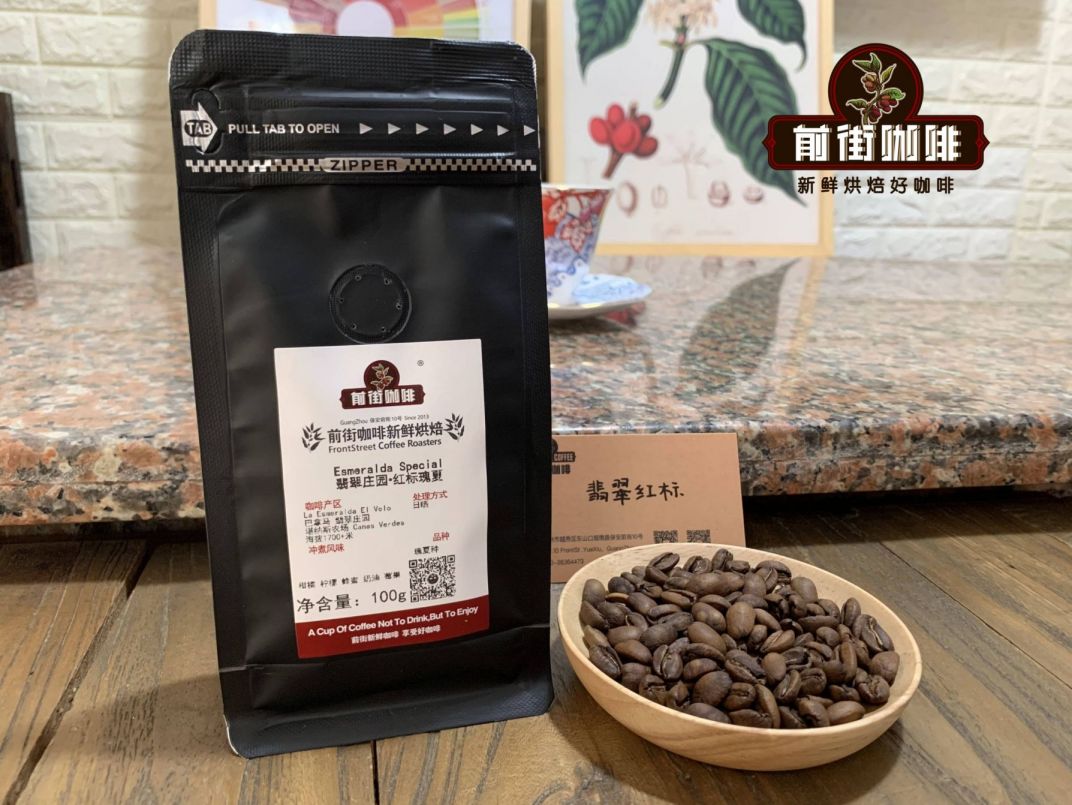
FrontStreet Coffee · Panama La Esmeralda Red Label Geisha
- Region: Boquete, Panama
- Estate: La Esmeralda Estate
- Altitude: 1700m+
- Variety: Geisha
- Processing: Natural
- Flavor: Citrus, jasmine, honey, berries
Chinese Yunnan Coffee
In China, tea has a history more than a thousand years longer than coffee, while coffee's commercial history in the country can be traced precisely to 1870.
The dating of coffee cultivation in Yunnan is disputed — one account says 1902, another 1892, and yet another 1904.
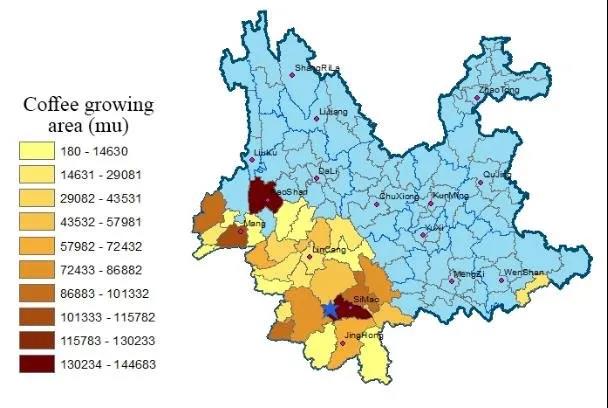
Yunnan's coffee began with Typica, but as China opened up, international brands such as Starbucks and Nestlé moved in and pushed the cultivation of Catimor — a variety with strong disease resistance and high yield but weaker flavor quality.
Over time, Yunnan's small-bean coffee shifted from Typica to today's Catimor.
Yunnan's coffee-growing areas are mainly in the southwest of the province: Lincang, Baoshan, Pu'er, and Dehong.
Lincang borders Pu'er to the east and Dali to the north, meets Baoshan to the west, and touches Myanmar to the southwest.
Lincang's average annual temperature ranges between 16.8°C and 17.2°C, with distinct dry and wet seasons and abundant sunshine.
In 2013, FrontStreet Coffee began growing coffee in Lincang. Unlike most varieties planted in Yunnan, FrontStreet Coffee chose the province's ancient, superior cultivar: Typica.
In 2021, FrontStreet Coffee released its first self-produced Yunnan bean, "FrontStreet Coffee 2013 Yunnan Typica."

FrontStreet Coffee · Yunnan FrontStreet Coffee 2013 Coffee Beans
- Region: Lincang, Yunnan, China
- Estate: Yunnan FrontStreet Coffee Estate
- Altitude: 1300m
- Variety: Typica
- Processing: Natural
- Flavor: Berries, brown sugar, nuts, tea-like quality
Key Elements for Perfect Pour-Over Coffee
FrontStreet Coffee has always held that pour-over looks easy, yet even for one person brewing the same recipe, no two cups taste exactly alike.
Plenty of small details matter when you are chasing a good cup of pour-over.
Water Quality
A cup of pour-over coffee is up to 98.5% water, so getting water quality right is the first step toward a delicious brew.
For everyday pour-over, try to avoid using tap water directly; filtered water or mineral water with a suitable mineral content is better. Water temperature matters just as much — depending on the bean, it generally falls between 85-93°C.

Grind Size
Grinding the beans is the first and most crucial step in pour-over. Grind too fine or too coarse, and it directly changes the flavor and mouthfeel of the cup.
Grind size matters because of how it affects concentration and extraction rate, which shows up most clearly as a change in body.
Under identical conditions — the same coffee-to-water ratio, water temperature, pouring method, and brew time:
A fine grind gives higher concentration, a higher extraction rate, and more body.
A coarse grind gives lower concentration, a lower extraction rate, and less body.

FrontStreet Coffee recommends a pour-over grind at which 70-80% of the grounds pass through a #20 sieve.
Coffee-to-Water Ratio
The coffee-to-water ratio is another critical variable in pour-over, since different ratios strongly shape how the coffee expresses itself. During brewing, aromatic compounds and acidity come out first, followed by sweetness and caramelization products, with bitterness, astringency, and off-flavors last. That means you can use the ratio to steer the cup toward the flavors you want most.
FrontStreet Coffee recommends a pour-over ratio between 1:15 and 1:16.
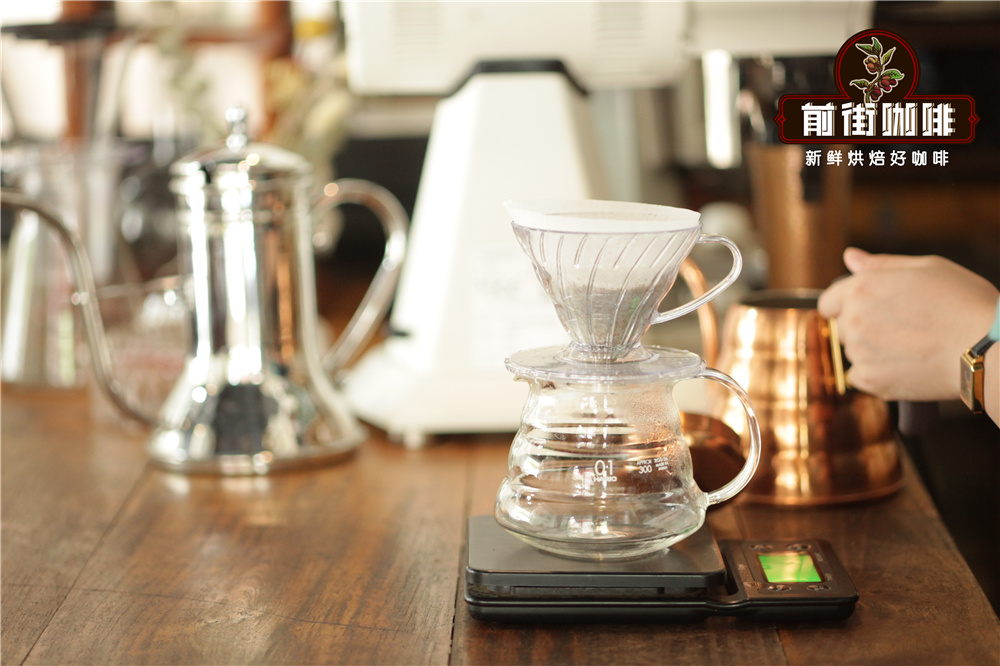
Dripper
Finding the right dripper matters a great deal.
Traditional trapezoidal drippers have smaller holes and slower flow, producing a thicker cup — but the flow can be so slow that water backs up and the brew turns bitter and astringent.
Conical drippers have larger holes and faster flow, though the flavor can come out lighter.
Wave drippers have flat bottoms and pair with wave filter paper; grooves in the paper guide the water downward for the smoothest flow and the most consistent mouthfeel.
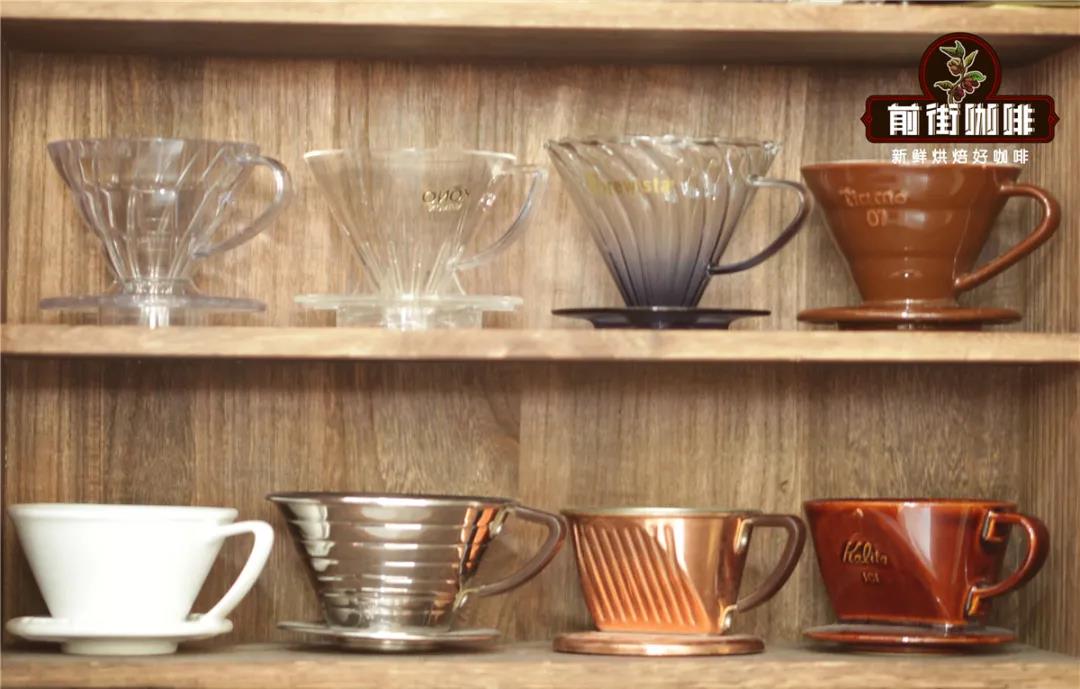
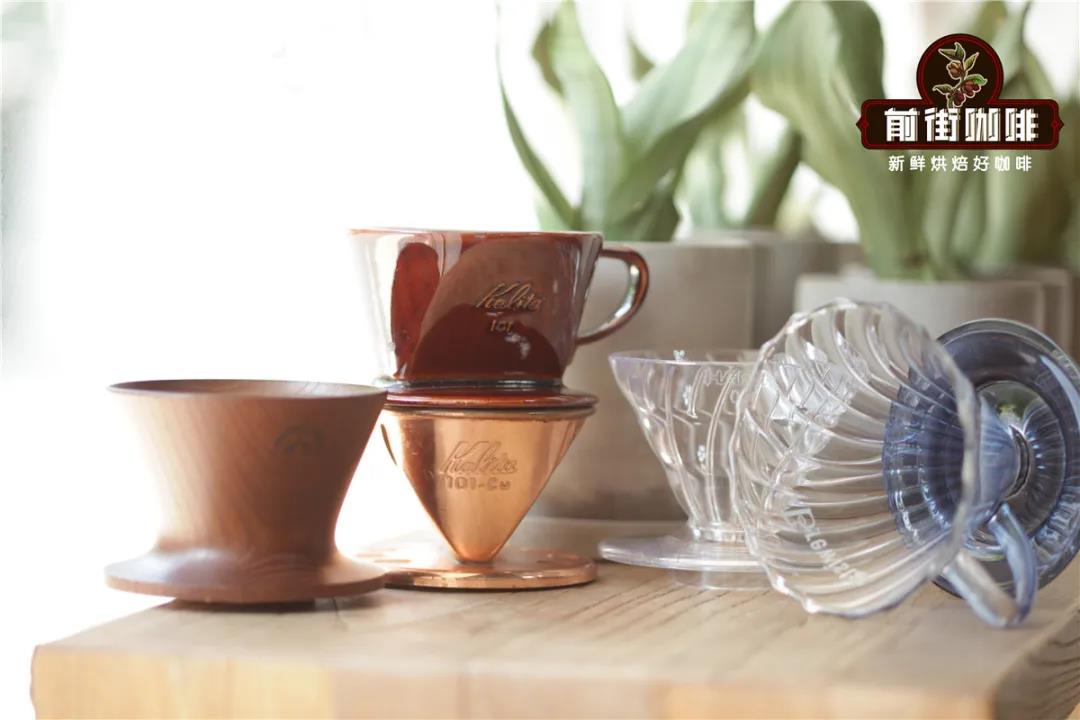
Through repeated brewing experiments and testing, FrontStreet Coffee has found that different drippers make obvious differences in how a coffee's flavor, acidity, sweetness, body, and cleanliness come through.
For light-roast beans, FrontStreet Coffee recommends a V60 dripper. For dark-roast beans, it recommends a Kono dripper.
Can All Coffee Beans Be Used for Pour-Over?
Yes, they can.
Different beans call for different parameters. Only by experimenting continuously will you brew the cup that best suits your own taste.
FrontStreet Coffee believes it is vital to build your own library of flavor memories. Beyond that, drink as much coffee as you can and expose yourself to as many flavors as possible.
After that, keep gathering information about different beans, drink with attention, and compare as you taste.
FrontStreet Coffee Recommendation
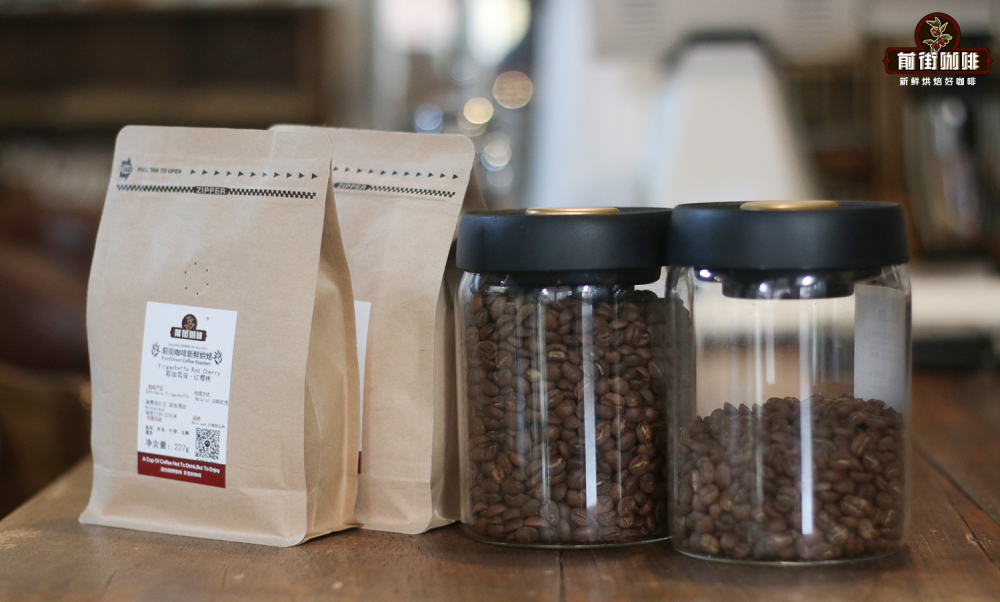
If you are new to Ethiopian coffee, start with the most classic of them all: FrontStreet's washed Yirgacheffe everyday bean. It is known for white jasmine, bright citrus and lemon acidity, and a tea-like body, and its friendly price has made it the first specialty bean for countless drinkers. Yirgacheffe itself is a small town in southern Ethiopia's Sidama zone, at roughly 1700-2100 meters, with coffee trees planted above 1800 meters — one of the highest coffee-growing regions in the world. It was historically wetland, and its highly recognizable white florals and lemon-citrus acidity turned the name into shorthand for Ethiopian specialty coffee; in 2010, once the reputation had grown so large, the Ethiopian Commodity Exchange separated it from the Sidama region.
Within Yirgacheffe lie many smaller zones and villages, and some of the most experienced cooperatives there push the flavor even further. The standout is FrontStreet's washed Gudin Ding Cooperative, in the Worka area at the southeastern edge of Yirgacheffe. Originally part of the Worka cooperative under the YCFCU umbrella, it was later singled out as a single-origin micro-region as roasters chased traceability, and it has kept to the most traditional washed processing — often called the last pure land of washed Yirgacheffe. With no traditional bitter edge, it brings fresh, bright citrus and lemon acidity and jasmine fragrance. For a different side of the region, FrontStreet's sun-dried Red Cherry is a whole-cherry natural: only fully ripe, sound cherries are picked, screened, and laid straight onto raised beds to dry, turned every 2-3 hours in the first few days to avoid uneven heating and over-fermentation, then left for three to five weeks before the outer fruit is machine-scraped away and the beans go into storage. Drying with the fruit on keeps the classic Yirgacheffe character while adding tropical fruit notes — citrus acidity, a juicy berry quality, honeyed sweetness, and a creamy smoothness.
For brewing, FrontStreet suggests a V60 at 90-91°C, 15g of coffee, and a 1:15 ratio, ground to about the size of fine granulated sugar (EK43s setting 10, or 80% passing a No. 20 sieve). The three-pour method: pour 30g of water for a 30-second bloom; then pour to 95g (about 125g on the scale), finishing in roughly one minute; when the water level drops to about two-thirds of the bed, pour the remaining 100g (about 225g on the scale), finishing in about 1 minute 35 seconds. Draining completes in 2 to 2 minutes 10 seconds — lift the dripper and the brew is done.
Important Notice :
FrontStreet Coffee is a long-established specialty coffee roaster in Guangzhou China, selling freshly roasted beans from its own farm in Yunnan as well as dozens of carefully selected single-origin beans from around the world for both pour-over and espresso. The products deliver consistently excellent quality and great value, with shipping within 24 hours. Guangzhou's FrontStreet Coffee shop is recommended by many coffee lovers, and the beans are now available online at the Tmall 。
FrontStreet Coffee has moved to a new address:
FrontStreet Coffee Address: 315,Donghua East Road,GuangZhou
Tel:020 38364473
 Scan and follow the En Gafei WeChat official account. Please indicate that the reprint comes from "En Gafei".