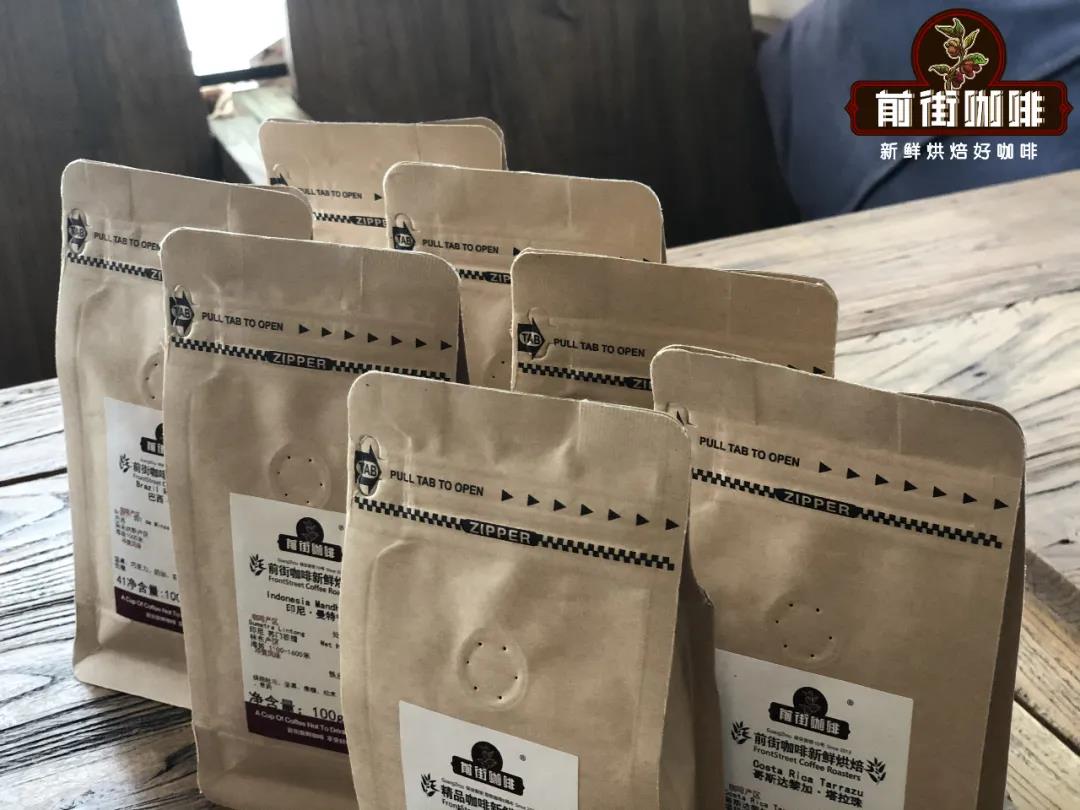
Introduction to 5 Major Colombian Coffee Bean Varieties and Pour-Over Brewing Methods with Flavor Characteristics

FrontStreet Coffee's Colombian coffee beans are renowned for their rich, robust aroma, featuring bright, high-quality acidity, excellent balance, and occasional nutty notes that leave a lasting aftertaste. They won the SCAA Cupping Competition for four consecutive years from 2008-2011. In both appearance and quality they are considered superior. This article introduces Colombia's five main specialty coffee producing regions and explores the flavor profiles of Colombian coffee across them.
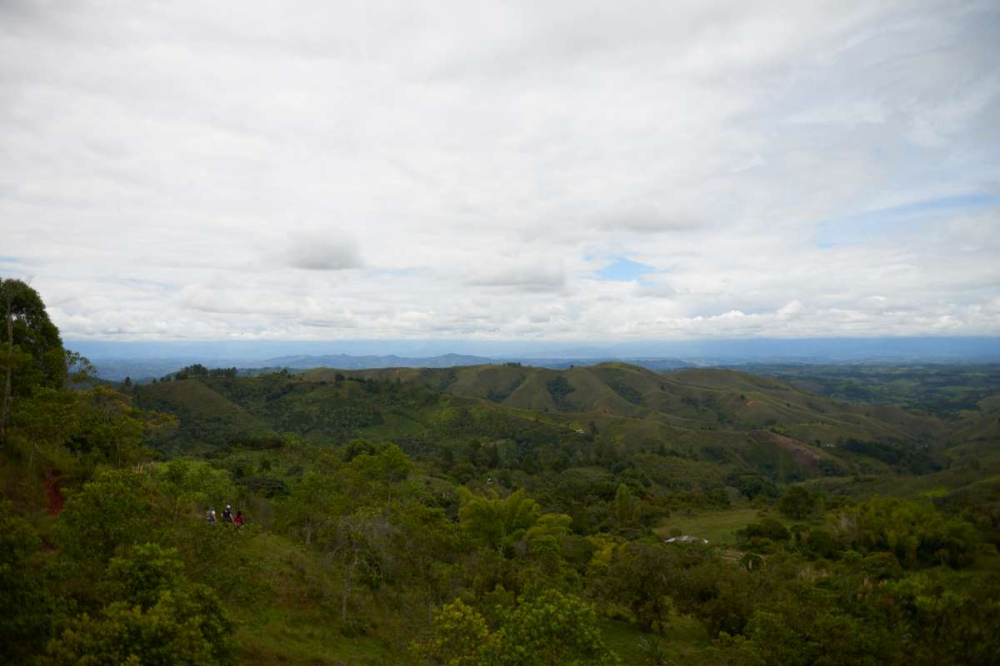
Colombia is fortunate to have both Atlantic and Pacific ports, a geographical advantage that plays a crucial role in marketing Colombian coffee globally. Among all South American countries, Colombia is the only one with such an advantage, resulting in significantly lower transportation costs than its neighbors. Colombia's main traditional producing regions are concentrated in the Eastern and Central Cordillera mountain ranges, as well as in the southern regions of Huila, Cauca, and Narino.

Important growing areas along the central mountain range include Medellin, Armenia, and Manizales. Of these three, Medellin's coffee - full-bodied, richly aromatic, with moderate acidity - makes it the highest-quality producing region; the three areas are sometimes called the MAM coffee golden triangle, after the initials of the three cities. The Eastern Cordillera mainly includes producing regions such as Santander. Although Huila and Cauca in southern Colombia, and Narino at the country's southernmost tip, produce lower volumes, the special microclimates created by their altitude, topography, and soils give their coffee excellent acidity and unique flavors, along with high mouthfeel scores and exceptional texture. In recent years they have become increasingly popular among coffee enthusiasts worldwide.
Medellin
Located in northern Colombia, Medellin coffee offers rich flavors, moderate acidity, and intriguing high sweetness. The beans suit dark roasting and emit a rich aroma. Medellin coffee exported through the FNC association shows higher uniformity and cleanliness than regular Medellin, so buyers seeking higher quality often choose FNC-exported beans. The region's coffee is excellent, full-bodied, and aromatic, making it popular among enthusiasts.
Santander
Located in northern Colombia, bordering the Magdalena River to the west, with cultivation altitudes of approximately 1,400-1,600 meters and an area of 30,537 square kilometers, Santander is a very important yet rarely mentioned province. It was actually Colombia's first province to start coffee cultivation and currently accounts for about 5% of Colombia's total coffee production. Through cupping, FrontStreet Coffee has found that beans from this region are known for their intense flavor, long-lasting aftertaste, and unique fresh herbal notes.
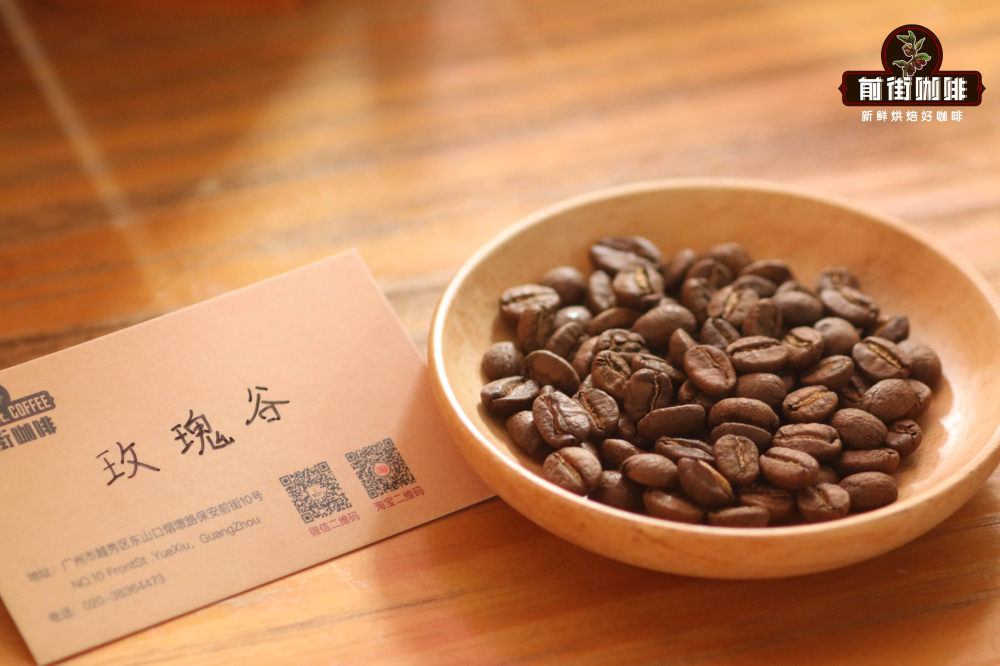
FrontStreet Coffee Colombian Rose Valley Coffee Beans
Region: Colombia, Santander Region
Processing Method: Anaerobic Double Enzyme Washed
Altitude: 1700m
Variety: Caturra
Brewing Flavor: Stunning peach characteristics, accompanied by rose and liqueur chocolate aromas, rich and fragrant. The entry is like drinking peach juice, with both the high-quality sweet-sour of black grapes and the silky mouthfeel of cream toffee.
FrontStreet Coffee Roasting Recommendations for Rose Valley Coffee Beans
Yangjia 800N, 500g bean input. Entry temperature 180°C, initial heat at 130, air damper at 3. When reaching 140°C, keep the heat unchanged and open the air damper to 4. During this stage the beans gradually change from the green color of raw beans to yellow, the grassy smell of raw beans slowly disappears, and the beans enter the dehydration stage. At 6'25", the beans reach the yellowing point, where they develop a sweet aroma similar to toasted bread. At 180°C, reduce the heat to 100, keeping the air damper at 4.

At 9'38", ugly wrinkles and black spots appear on the bean surface, and the toasted-bread aroma clearly transitions to coffee aroma - the prelude to first crack. Listen carefully for the sound of first crack, which begins at 10'20"; open the air damper to 4, develop for 1'50" after first crack, and drop at 196°C. Because this Rose Valley lot is anaerobic processed, extend the dehydration stage to around 9'00"-9'30" to ensure the beans are thoroughly roasted and avoid underdevelopment. Develop for 1'50" after first crack and drop at 196°C.
Huila
Located in southwestern Colombia, Huila is one of the main coffee cultivation areas, accounting for 12% of Colombia's total coffee production. Because the region contains many famous coffee-growing sites, the names of its small areas have become circulating brand names. Through cupping, FrontStreet Coffee has found that Huila coffee shows intense nutty, chocolate, and caramel flavors.
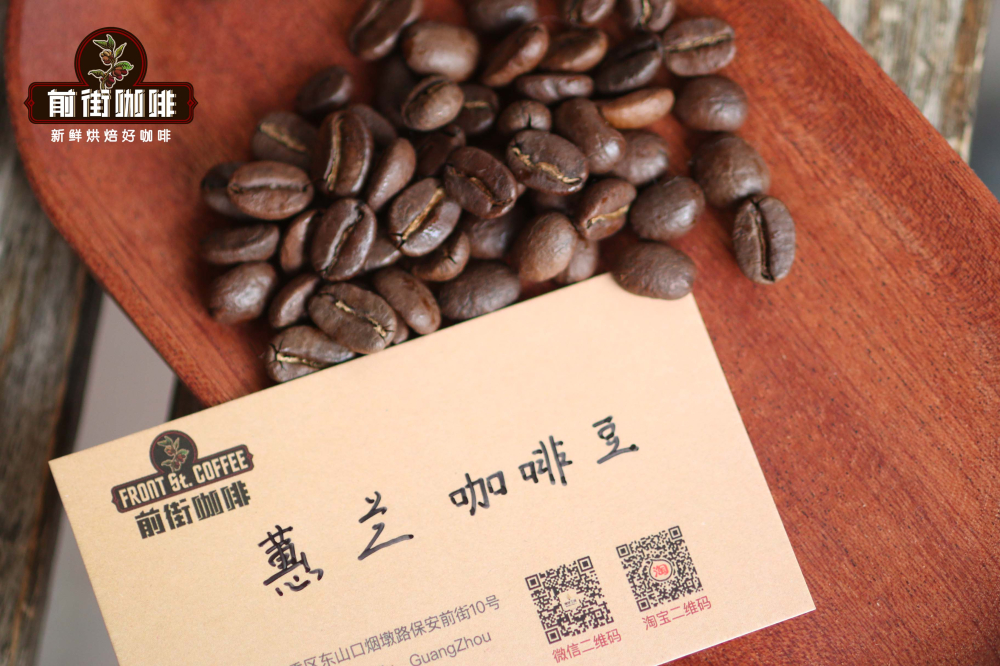
FrontStreet Coffee Colombian Huila Coffee Beans
Region: Colombia, Huila
Altitude: 1500-1800 meters
Variety: Caturra
Processing Method: Washed Process
Flavor: Nuts, dark chocolate, caramel, soft fruit acidity.
FrontStreet Coffee Roasting Recommendations for Colombian Huila Coffee Beans
Yangjia 800N, 500g bean input. Heat the roaster to 185°C and charge, air damper at 3, heat at 120. Temperature recovery point at 1'32", 98.6°C. When the roaster reaches 140°C, open the air damper to 4. At this point the bean surface turns yellow, the grassy smell completely disappears, and the beans enter the dehydration stage. When the roaster reaches 192°C, adjust the heat to 80 and open the air damper to maximum, 5. At 8'30", ugly wrinkles and black spots appear on the bean surface and the toasted-bread aroma clearly transitions to coffee aroma - the prelude to first crack. Listen carefully: first crack begins at 9'15"; develop for 3'00" after first crack and drop at 202°C.

Cauca
Located in southwestern Colombia, Cauca accounts for 8% of Colombia's total coffee production. It is a Colombian coffee origin certification region with an average altitude of 1,758 meters, rising as high as 2,100 meters; 80% of the province is mountainous. Its biggest climatic difference from other producing regions is the relatively large temperature variation - a day-night difference of 11°C with an average daytime temperature of 18°C. That temperature swing is an important factor in creating high-quality coffee: lower nighttime temperatures and relatively higher altitudes slow the coffee's growth rhythm, letting the beans absorb nutrients from the cherries more fully. FrontStreet Coffee believes it is precisely this high-altitude environment that creates the better acidity of Cauca coffee and its acclaimed special sweetness.
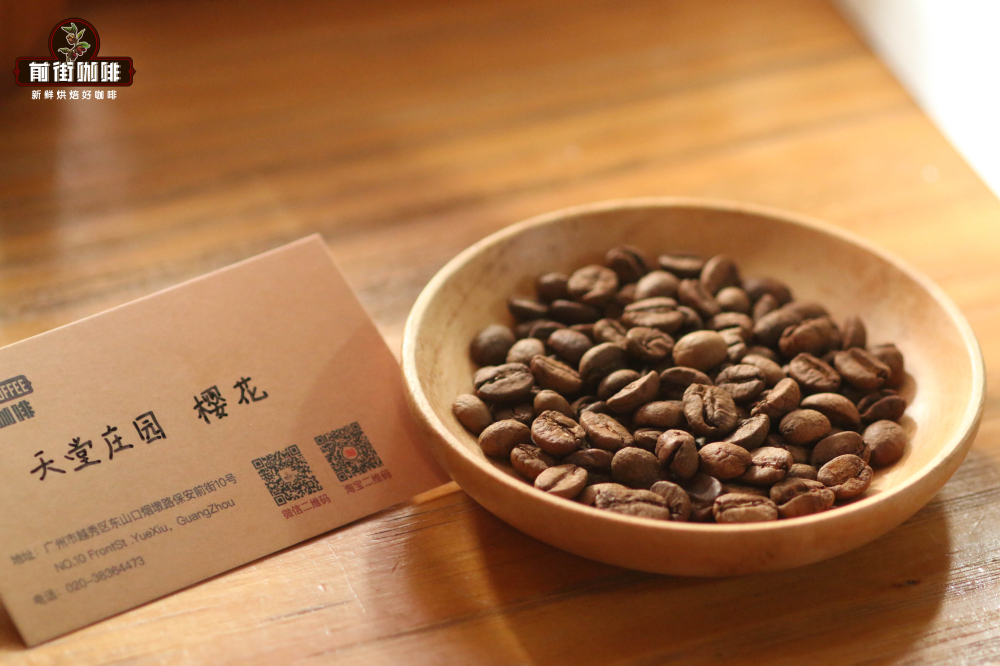
FrontStreet Coffee Colombian Sakura Coffee Beans
Region: Colombia, Cauca
Altitude: 2050m
Variety: Castilla
Processing Method: Double Anaerobic Washed
Flavor: Berry juice-like mouthfeel, strawberry jam, mint tea sensation, artemisia, basil aftertaste.
FrontStreet Coffee Roasting Recommendations for Colombian Sakura Coffee Beans
Yangjia 800N, bean input: 480g. Heat the roaster to 165°C and charge, air damper at 3, heat at 120. Temperature recovery point at 1'32". When the roaster reaches 115°C, open the air damper to 4. When it reaches 152.9°C, the yellowing point arrives at 6'00": the bean surface turns yellow, the grassy smell completely disappears, and the beans enter the dehydration stage.
At 8'27", ugly wrinkles and black spots appear on the bean surface and the toasted-bread aroma clearly transitions to coffee aroma - the prelude to first crack. Listen carefully: first crack begins at 10'10"; open the air damper fully and reduce the heat to 50 at 178°C. Develop for 1'30" after first crack and drop at 193°C.
Narino
Located at Colombia's southwesternmost tip, Narino accounts for 3% of the country's total production. It has natural conditions ideal for high-quality coffee: close to the equator at around 1 degree north latitude, with sufficient sunlight all year and most altitudes above 1,600 meters, where snow-capped peaks are not uncommon. Steep mountains and long slopes bring temperature diversity, and warm, moist air rising from the canyons spares the high-altitude coffee from frost, so coffee is successfully cultivated at altitudes of 2,300 meters. Volcanic soil provides rich nutrients. Narino's rainfall peaks in a single long season: one rainy season runs from October each year to May of the following year, and the dry season covers the three months of June, July, and August.
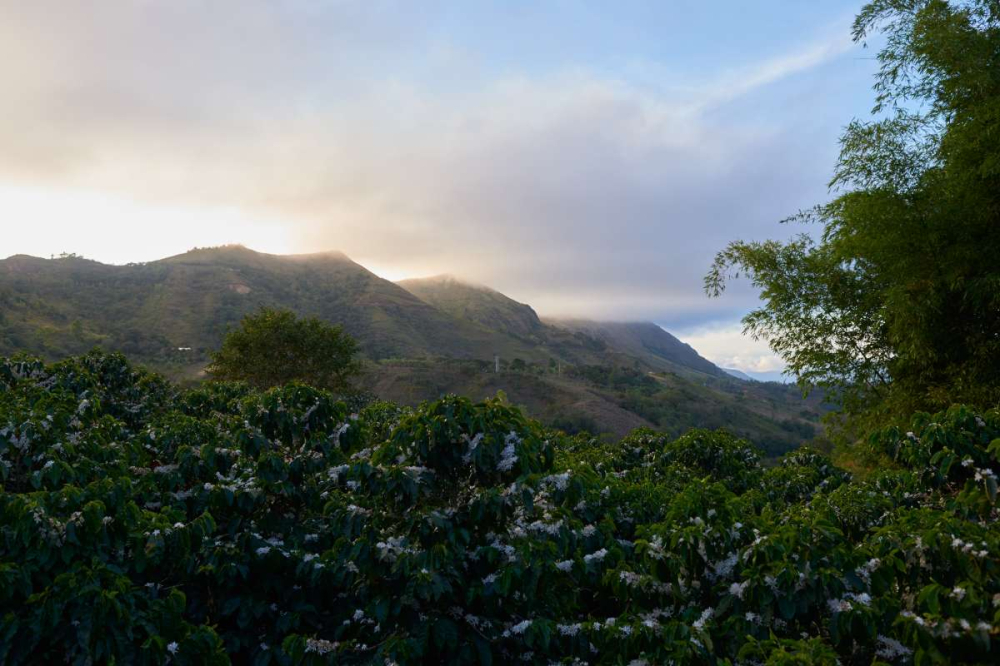
Even during the dry months, farmers need not worry excessively: warm trade winds meeting the cool nights produce water vapor that supplements moisture for the coffee trees. Typically, after continuous dryness followed by rainfall, the trees enter flowering. In Narino, after the first rains of September the flowering season begins; correspondingly, the harvest starts gradually from April of the following year, and in high-altitude areas may last until August.
FrontStreet Coffee Brewing Tips
Dripper: Hario V60 #01
Water Temperature: 90-91°C
Coffee Amount: 15 grams
Coffee-to-Water Ratio: 1:15
Grind Size: Medium-fine grind / fine sugar size (80% passing through the #20 sieve)
FrontStreet Coffee recommends brewing with freshly roasted beans to experience the coffee's rich flavors at their fullest. Beans shipped by FrontStreet Coffee are all roasted within 5 days, because freshness has a great impact on flavor. FrontStreet Coffee's roasting philosophy is "Freshly Roasted Good Coffee," ensuring every order arrives fresh. The resting period is about 4-7 days, so when customers receive the coffee it is at peak flavor.
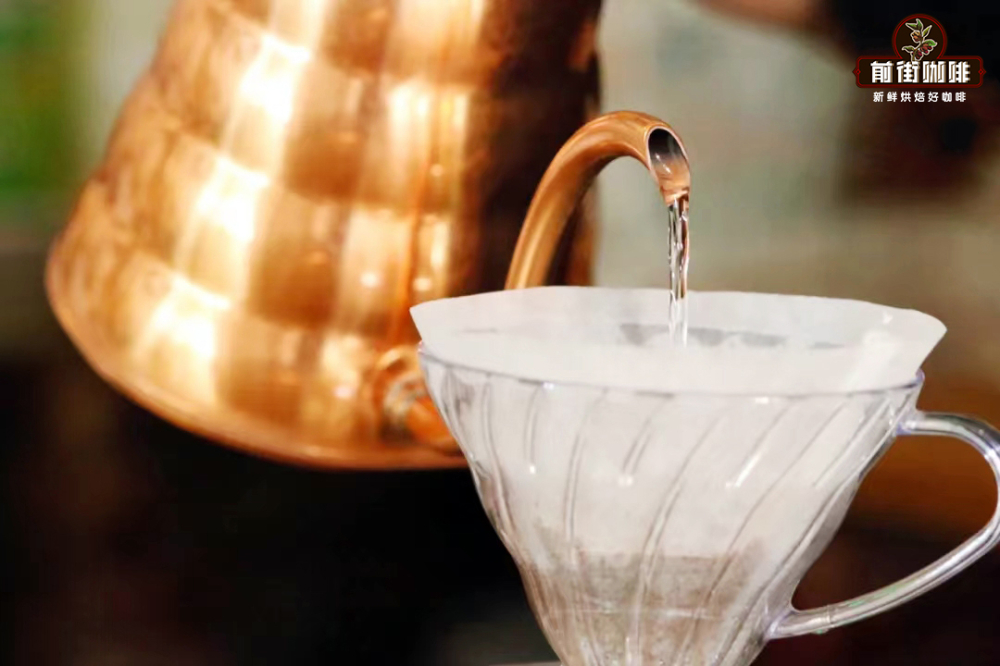
FrontStreet Coffee uses segmented extraction, also called three-stage brewing: pour 30g of water to bloom for 30 seconds, then continue pouring in small circles up to 125g and pause. When the water level drops and is about to expose the coffee bed, continue pouring up to 225g and stop. Once the level again drops and the bed is about to show, remove the dripper (timing starts from the bloom). Extraction time is 2'00"-2'10".
FrontStreet Coffee Recommendation
Colombia's remarkable diversity is exactly what makes its beans such rewarding daily drinkers, and FrontStreet Coffee carries several standouts. The washed Huila lot featured above - Caturra from 1,500-1,800 meters - is the everyday classic: nuts, dark chocolate, caramel, and soft fruit acidity with a mellow body, equally at home in a pour-over, French press, moka pot, or espresso machine.
For something more exotic, the Rose Valley lot from Santander (anaerobic double enzyme washed, Caturra at 1,700 meters) bursts with peach, rose, and liqueur chocolate, entering the palate like peach juice with the sweet-sour of black grapes and the silk of cream toffee; the Sakura lot from Cauca (double anaerobic washed Castilla at 2,050 meters) adds strawberry jam, mint tea, artemisia, and a basil aftertaste. Both shine on the V60 with the three-stage pour above: 15g at 1:15, water at 90-91°C, and a medium-fine grind passing 80% on a #20 sieve.
Whichever you choose, rest the beans 4-7 days from the roast date before brewing, and grind just before pouring - the freshly roasted freshness FrontStreet Coffee insists on is what lets these Colombian flavors show in full.
Important Notice :
FrontStreet Coffee is a long-established specialty coffee roaster in Guangzhou China, selling freshly roasted beans from its own farm in Yunnan as well as dozens of carefully selected single-origin beans from around the world for both pour-over and espresso. The products deliver consistently excellent quality and great value, with shipping within 24 hours. Guangzhou's FrontStreet Coffee shop is recommended by many coffee lovers, and the beans are now available online at the Tmall 。
FrontStreet Coffee has moved to a new address:
FrontStreet Coffee Address: 315,Donghua East Road,GuangZhou
Tel:020 38364473
 Scan and follow the En Gafei WeChat official account. Please indicate that the reprint comes from "En Gafei".