Honduras Coffee Bean Growing Regions & Flavor Profiles - Why Honduras Coffee is Popular

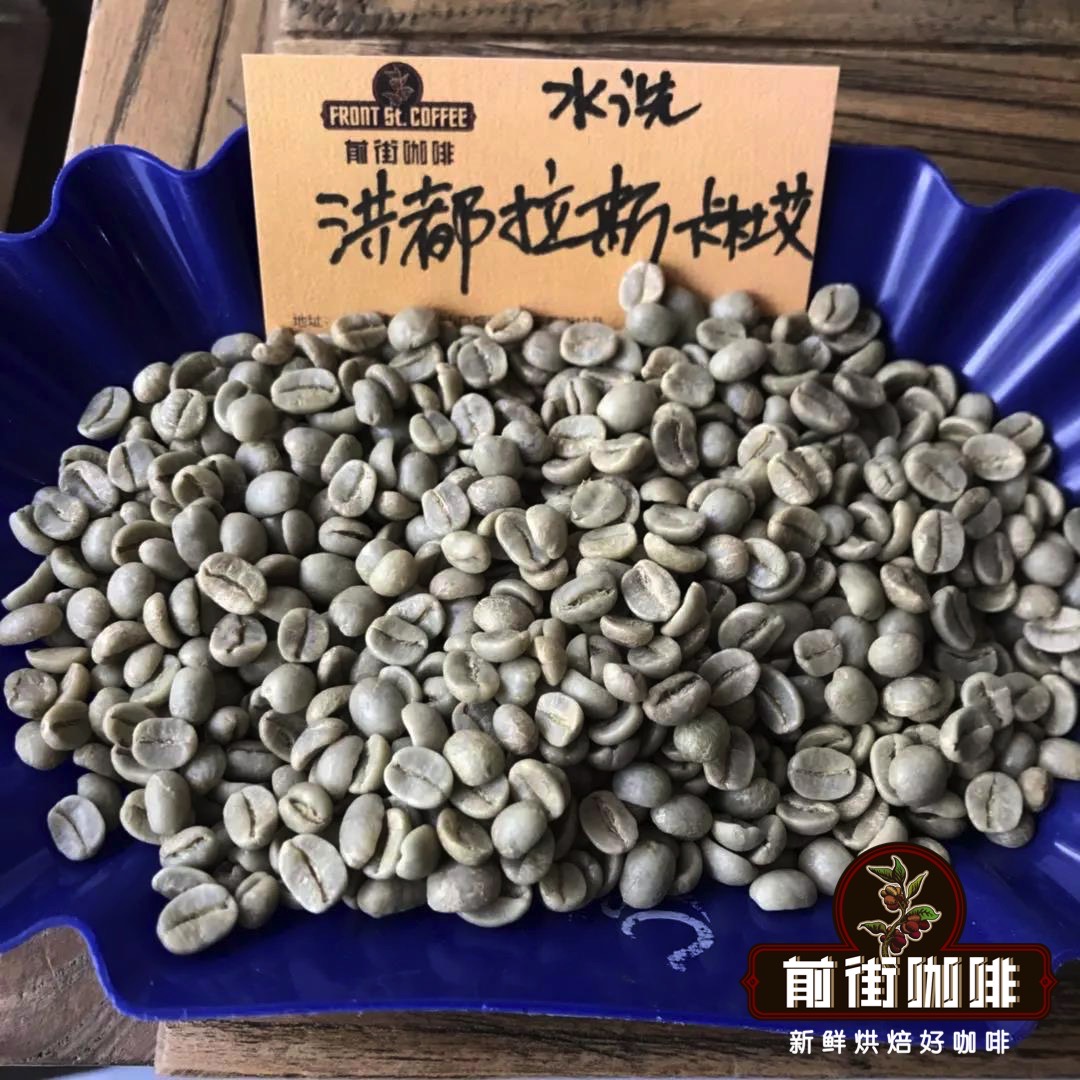
Whether at FrontStreet Coffee's Dongshankou store or its online shop, more than 50 varieties of coffee beans from around the world are on display. Among them, three coffees from Honduras each offer distinct flavor profiles. Before listing any of these beans, FrontStreet Coffee carried out extensive origin research, tasting coffees from multiple Honduran growing regions and refining roasting curves through cupping, pour-over brewing, and other tests before deciding which lots to feature. Some might find the process overly complex, but it is precisely this approach that lets FrontStreet guarantee that each of those 50+ beans has its own character — and that every visitor can find the bean that suits them.
Every coffee origin has its own signature. Take Africa: African coffees are defined by fruity acidity, and while that is the common thread, each country has its own emphasis — Ethiopia's acidity is bright and clear, Kenya's is intense and vibrant, Rwanda's sits between the two, less intense than Kenya but fuller-bodied than Ethiopia. Honduras, in Central America, shares flavor ground with its neighbors but adds exotic spice elements to the aroma, followed by nutty and chocolate-rich notes in the finish, all wrapped in an overall balance and layered complexity.

Honduran Geography
Honduras is a mountainous country in northern Central America. It borders the Caribbean Sea to the north and the Gulf of Fonseca (Pacific Ocean) to the south, with Nicaragua and El Salvador to the southeast and Guatemala to the west. More than three-quarters of its territory is mountains and plateau, with ranges extending from west to east; the interior features lava plateaus with many intermountain valleys, while the coasts hold plains. The climate is tropical, with the coastal plains under tropical rainforest weather. All of this gives Honduras ideal coffee-growing conditions: microclimates, altitude, soil, and abundant rainfall.
Honduras is not only the largest coffee producer in Central America — counting only washed Arabica beans, it is actually the world's second-largest producer of them. In the early 21st century, Honduran coffee overtook bananas to become the country's most important cash crop. Banana production had been dominated by large American companies, but coffee cultivation belongs to small farmers: Honduras currently has 110,000 coffee farmers, manual harvesting of cherries is the primary picking method, and the harvest season runs from November to March each year.
Honduran Coffee Development
Honduran coffee was first introduced by Spanish merchants in the late 18th century, and by 1804 the country was already cultivating coffee on a small scale.
The delayed development of Honduran coffee had historical reasons — chiefly the lack of transportation infrastructure connecting growing regions to ports, which kept the industry from taking off. After 1970, however, the government established the official coffee institution Instituto Hondureño del Cafe (IHCAFE), dedicated to improving coffee quality. Combined with the fact that coffee trees can be grown throughout the country, this allowed Honduran production to surpass Costa Rica and Guatemala by 2011.
In 1975, Brazil suffered frost damage and its production dropped sharply. Honduras seized the moment: output surged from 500,000 bags to 1.8 million bags, which were quickly snapped up. From that point, Honduran coffee production truly began to develop. In the 1990s the specialty coffee movement rose in Central America, but while other countries competed on quality, Honduras lagged behind — mainly because the final drying stage of green bean processing was at the mercy of abundant, unpredictable rainfall in the mountainous regions.

In 2004, Honduras held its first Cup of Excellence competition, where 21 coffees from across the country received recognition and went to online auction.
In 2011, Honduras became the highest coffee-producing country in Central America and the world's second-largest producer of Arabica coffee.
Today Honduras ranks among the world's top ten coffee-producing countries and is the world's second-largest Arabica producer. Coffee plays an important role in its economy: the country has 280,000 hectares of coffee plantations, mostly small-scale farms under 3.5 hectares, which together account for 60% of Honduras's total coffee production.

Honduran Coffee Grades
By Growing Altitude
Strictly High Grown (SHG): Over 1,200 meters
High Grown (HG): 1,000-1,200 meters
Central Standard (CS): 600-1,000 meters
By Defect Rate
American Standard (USP, US preparation) and European Standard (EP, Euro preparation).
Honduran green beans follow the naming convention: Honduras SHG EP — country + altitude grade + defect standard.

Honduran Coffee Growing Regions
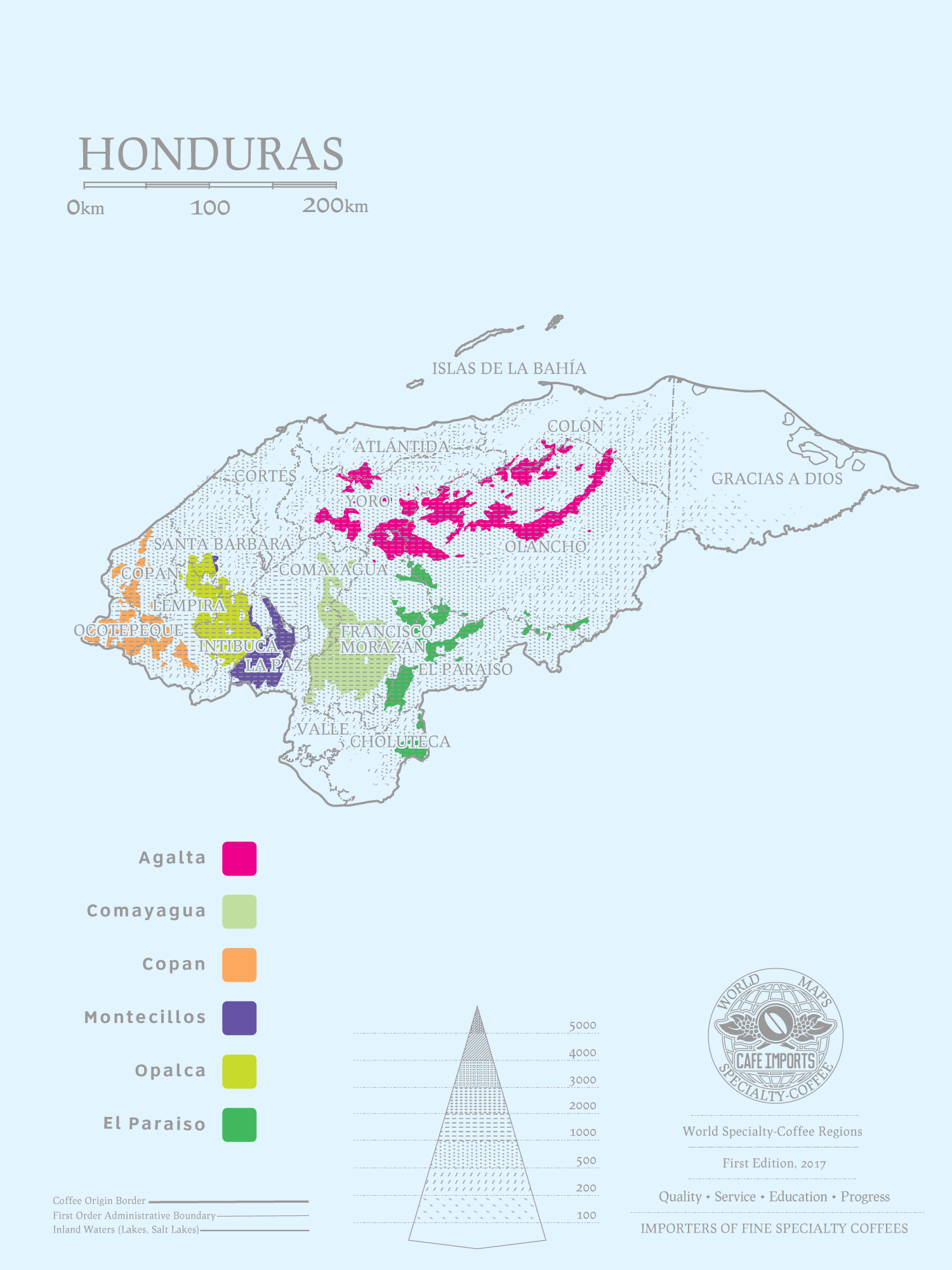
Since 2007, Honduras has strengthened its origin labeling system, dividing the coffee-growing territory into six main areas:
1. Copán Region
Location: Western Honduras, bordering Guatemala, including parts of Copán, Ocotepeque, Cortés, Santa Bárbara, and Lempira departments.
Altitude: 1,000 - 1,500 meters
Temperature: 11.5-22.5°C
Precipitation: 1,300-2,300 mm
Harvest: November - March
Honduras Las Gemelas Estate
Region: Copán
Estate: Las Gemelas
Altitude: 1,250 meters
Variety: Red Catuai
Processing Method: Natural
Flavor: Brown sugar, berries, grapes, fermented wine aroma
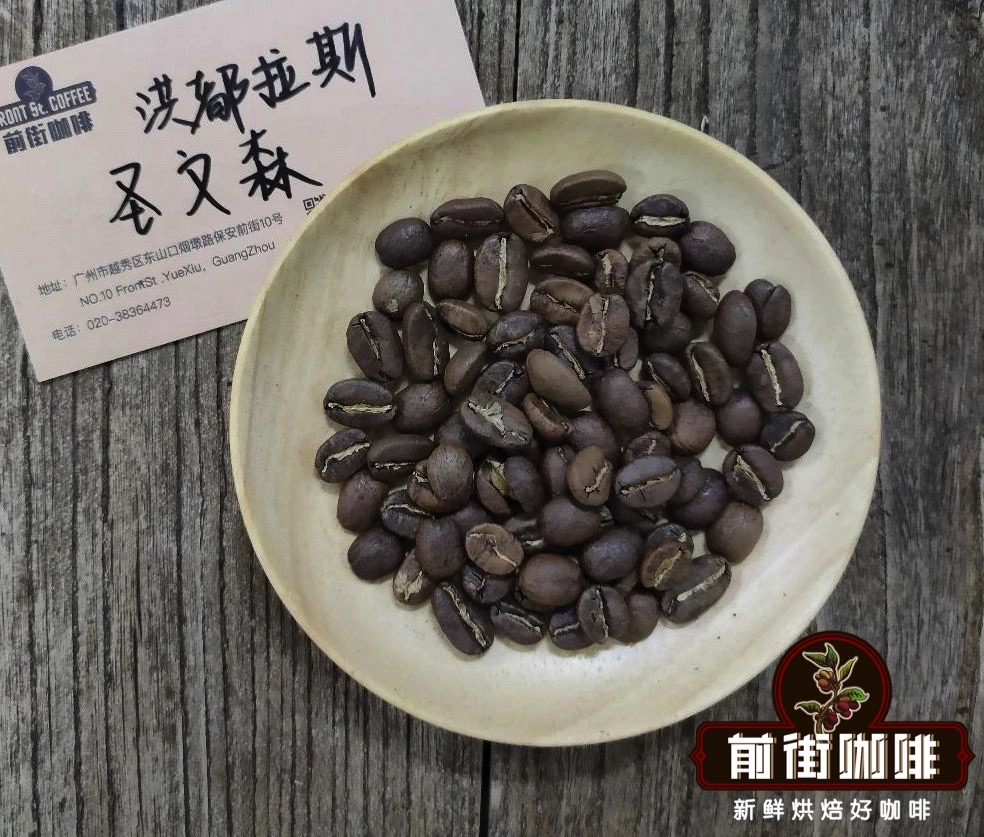
Honduras San Vicente Processing Station
Region: Copán
Processing Station: San Vicente
Altitude: 1,600-1,900 meters
Variety: Pacas
Grade: SHG
Processing Method: Washed
Flavor: Raspberry, cherry, almond, caramel, green apple, grape
2. Opalaca Region
Location: Between the Santa Bárbara, Intibucá, and Lempira areas.
Altitude: 1,100-1,500 meters
Temperature: 11.5-22.5°C
Precipitation: 1,400-1,950 mm
Harvest Season: November - February
Varieties: Bourbon, Typica, Catuai, Pacas
Flavor: Very delicate acidity, overall balanced profile, with distinct tropical fruit notes like grape and blackberry.
3. Montecillos
Location: In the La Paz, Comayagua, Santa Bárbara, and Intibucá departments, bordering El Salvador in southwestern Honduras.
Altitude: 1,200-1,600 meters
Temperature: 12-21.2°C
Precipitation: 1,300-2,300 mm
Harvest Season: November - April
Varieties: Bourbon, Catuai, Typica
Flavor: Bright and lively acidity, with orange and peach notes, long aftertaste, and a velvety mouthfeel.
4. Comayagua
Location: Central Honduras, including Comayagua and Francisco Morazán departments.
Altitude: 1,000 - 1,500 meters
Temperature: 14.0 - 22.0°C
Precipitation: 1,350 - 1,700 mm
Varieties: Bourbon, Caturra, Typica, Pacas
Harvest Season: December - March
Flavor: Primarily lemon-flavored, with an obvious sweet fruit aroma, creamier body, citrus sweetness, and notes of sweetness and chocolate.
5. Agalta Tropical
Location: Southeastern Honduras, including Olancho and Yoro departments.
Altitude: 1,000-1,400 meters
Temperature: 14.5-22.5°C
Precipitation: 1,300-1,950 mm
Harvest Season: December - March
Varieties: Bourbon, Catuai, Typica
Flavor: Honey fragrance and aroma, with strong citrus flavor and subtle yet distinct acidity.
6. El Paraíso
Location: Southern Honduras, including El Paraíso department, bordering Nicaragua.
Altitude: 1,100-1,500 meters
Temperature: 16-22.5°C
Precipitation: 1,000-1,400 mm
Harvest Season: December - March
Honduras La Finca La Lima Washed Parainema
Region: El Paraíso
Altitude: 1,400 meters
Variety: Parainema
Processing Method: Washed processing
Grade: SHG
Flavor: Citrus, berries, grapefruit peel, nuts and dark cocoa notes when cool, distinct berry acidity, tea-like quality

Beyond these 6 main regions there are smaller ones. Finca Sweet Orange and Finca Mocca, from the La Paz region in southwestern Honduras, both produce coffees with excellent flavor profiles, and FrontStreet Coffee has featured several of these lots.
Honduras Sweet Orange Estate
Region: Marcala
Altitude: 1,425 meters
Variety: Catuai
Processing Method: Washed
Flavor: Citrus, melon, floral notes, cane sugar, orange peel, nuts, tea-like quality
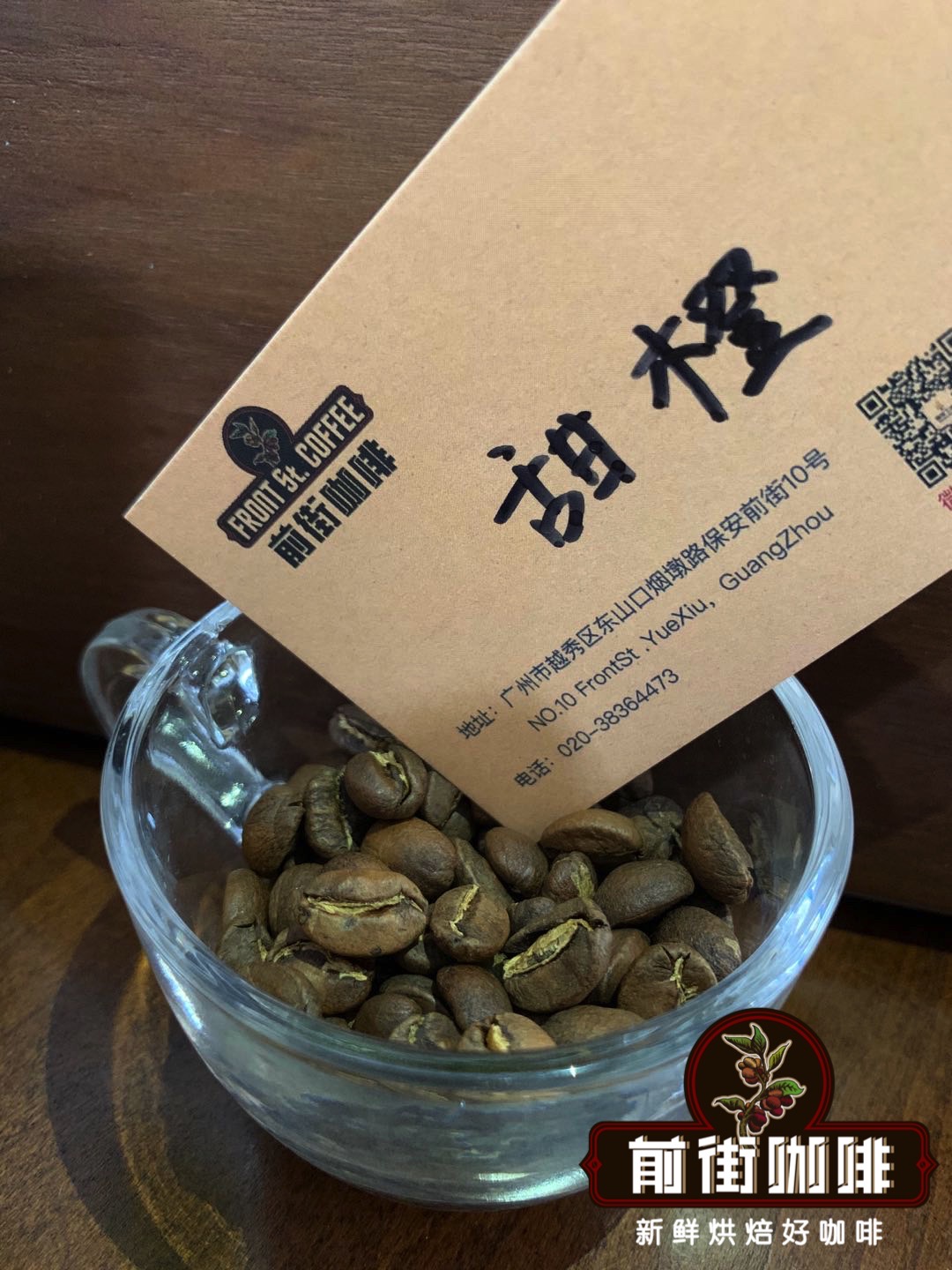
Honduras Finca Mocca Sherry
Region: Marcala
Estate: Finca Mocca
Altitude: 1,500-1,700 meters
Variety: Caturra, Catuai, Pacas
Processing Method: Fine washed + whiskey sherry barrel fermentation
Flavor: Wine aroma, vanilla cream, dark cocoa, nuts, liquor-filled chocolate
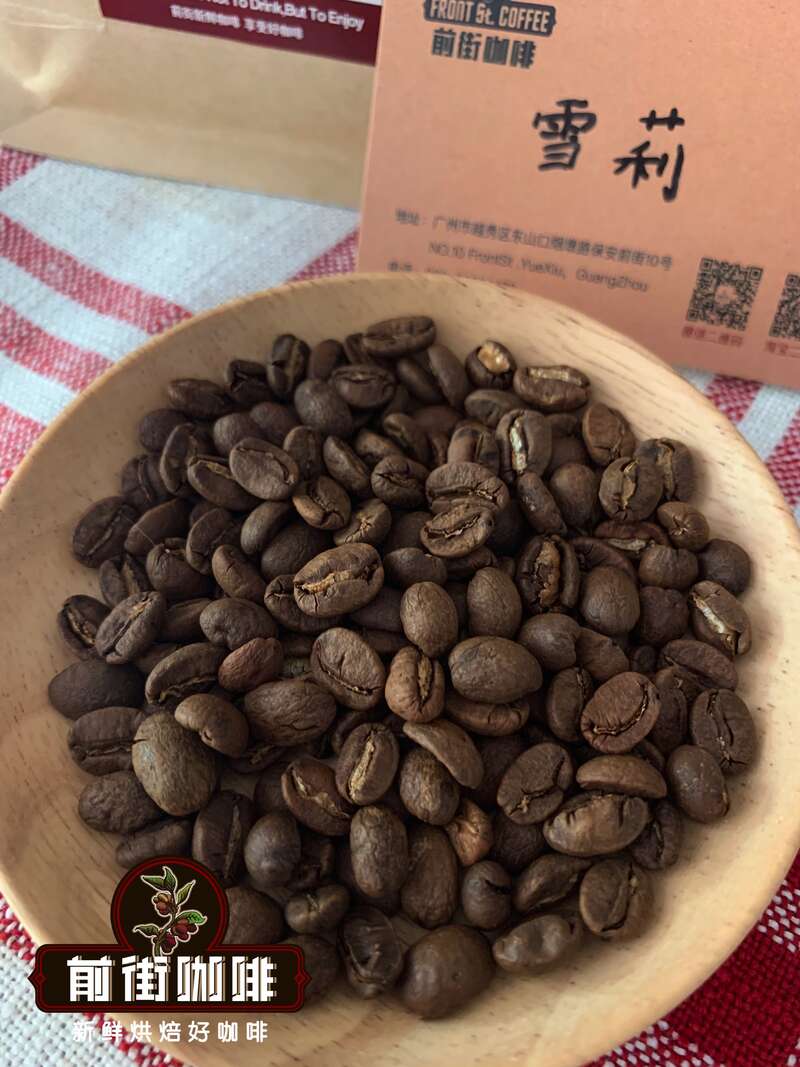
Honduras Finca Mocca Litchi Orchid
Region: Marcala
Estate: Finca Mocca
Altitude: 1,500-1,700 meters
Variety: Caturra, Catuai
Processing Method: Fine washed + brandy barrel fermentation
Flavor: Fermented notes, wine aroma, subtle cream, nuts, chocolate

Honduran Coffee Processing Methods
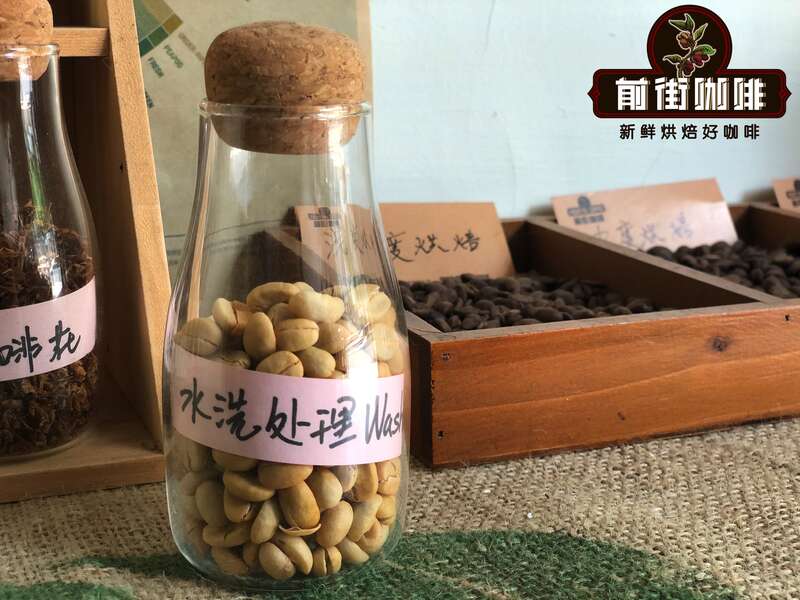
Honduran coffee is primarily processed by the fully washed method. The process generally begins with soaking, during which defective fruits float to the surface and can be removed and discarded. Next, the pulp and skin are stripped away, and the beans soak in water to ferment off their mucilage before being thoroughly washed and dried until moisture content reaches about 12%.
Depending on roast level, Honduran coffee can reveal multi-layered flavors. Medium roasting maximizes the bean's sweetness, while dark roasting deepens the bitterness — though the sweetness never disappears. Generally, medium roast offers the best mouthfeel with rich, distinctive aroma.
Honduran Coffee Varieties
Honduran coffee is grown at an average altitude of 1,000-1,600m, and the main cultivated varieties are Bourbon, Typica, Caturra, Catuai, and Pacas.
Bourbon is a variant of early Typica after transplantation to Yemen, its bean shape changing from slender and pointed to round. In 1715, the French transplanted round Yemen Mocha seeds to Bourbon Island off the east coast of Africa (renamed Réunion Island after the French Revolution), and the variety took its name there. The round Bourbon beans made their way to Brazil and Central/South America in 1727. In 1732, the British also transplanted Yemen Mocha to St. Helena Island (where Napoleon was later imprisoned) — again round Bourbon beans. Bourbon is often a champion in American specialty coffee cuppings.
Typica is the oldest native variety from Ethiopia, with bronze-colored young leaves and oval or slender, pointed beans. It offers elegant flavors but has a weaker constitution, poor disease resistance, and low yield. FrontStreet Coffee's Jamaican Blue Mountain, Sumatran Mandheling, and Hawaiian Kona are all Typica varieties.

Caturra is a natural variant of Bourbon, discovered in Brazil in 1937. The plant is more compact than Bourbon; while inheriting Bourbon's lineage it has relatively weak disease resistance but higher yield. Although discovered in Brazil, Caturra proved unsuitable there and was never cultivated on a large scale in the country. Instead, it became popular across Central and South America — Colombia, Costa Rica, Nicaragua, and Honduras. The higher the altitude where Caturra is planted, the better the quality, though the yield falls correspondingly.
When FrontStreet Coffee roasts Caturra, the pattern is clear: with light roasting the acidic aroma is prominent and the cup overall bright, and with proper handling the sweetness can be expressed very well — but the body is lower than Bourbon's and the cleanness of the cup somewhat lacking. Caturra cherries are typically red, but in very rare regions yellow Caturra exists, such as the small amount grown in Hawaii.
Catuai is a hybrid variety created by crossing Caturra and Mundo Novo. It resists natural disasters well, particularly wind and rain. Catuai trees are relatively compact, and the fruits grow more firmly attached than on other varieties, making them harder to pick. The fruits come in both red and yellow forms.
Pacas is a Bourbon variant discovered in El Salvador. In 1935, Salvadoran coffee farmer Pacas selected high-yielding San Ramon Bourbon plants for his farm. In 1956, friends noticed that the Bourbon on his farm out-yielded other trees of the same variety and invited a professor from the University of Florida to identify it. The conclusion: Bourbon had undergone a genetic mutation, and the new variety was named "Pacas" after the farm's reputation. Pacas became quite popular in Central America thanks to its high yield and good quality.
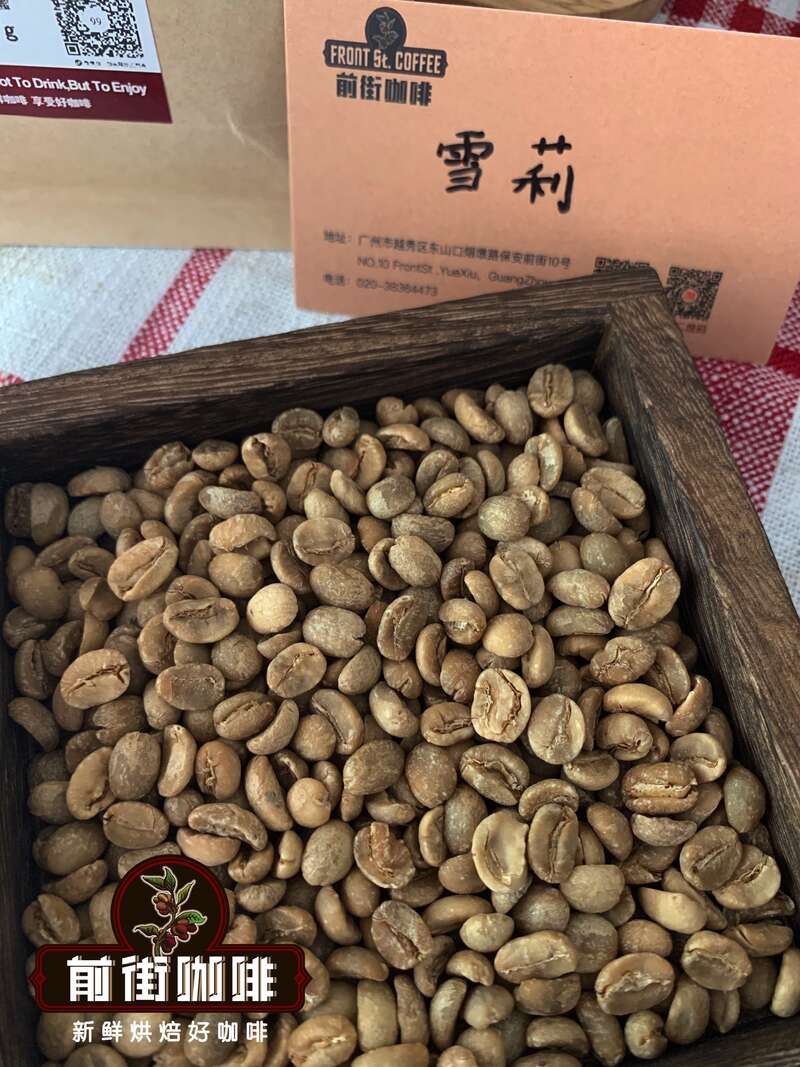
FrontStreet Coffee's Honduran Sherry coffee beans contain the Pacas variety.
FrontStreet Coffee Recommendation
To taste what this article describes, the FrontStreet Finca Mocca Sherry from Marcala (1,500-1,700 meters) is the standout: fine washed Caturra, Catuai, and Pacas fermented in whiskey sherry barrels, giving wine aroma, vanilla cream, dark cocoa, and liquor-filled chocolate. Its sibling, the Finca Mocca Litchi Orchid, trades the whiskey for brandy barrels — fermented fruit and wine aroma over subtle cream and nuts. For a classic expression of the region, the washed Sweet Orange Estate Catuai (1,425 meters) offers citrus, melon, cane sugar, and a tea-like finish. Brew them as pour-over on a V60 at 90°C with a 1:15 ratio and a medium grind, and let each barrel-aged or citrus-driven cup show you why Honduras rose to the top of Central America.
Important Notice :
FrontStreet Coffee is a long-established specialty coffee roaster in Guangzhou China, selling freshly roasted beans from its own farm in Yunnan as well as dozens of carefully selected single-origin beans from around the world for both pour-over and espresso. The products deliver consistently excellent quality and great value, with shipping within 24 hours. Guangzhou's FrontStreet Coffee shop is recommended by many coffee lovers, and the beans are now available online at the Tmall 。
FrontStreet Coffee has moved to a new address:
FrontStreet Coffee Address: 315,Donghua East Road,GuangZhou
Tel:020 38364473
 Scan and follow the En Gafei WeChat official account. Please indicate that the reprint comes from "En Gafei".