Introduction to Indonesian Mandheling Coffee Bean Varieties & Brewing Adjustment Tutorial
FrontStreet Coffee's Mandheling, as one of the representatives of rich-bodied coffee, tends to be loved by some enthusiasts and dismissed by others. Below, FrontStreet Coffee takes a closer look at this "individualistic" coffee bean.
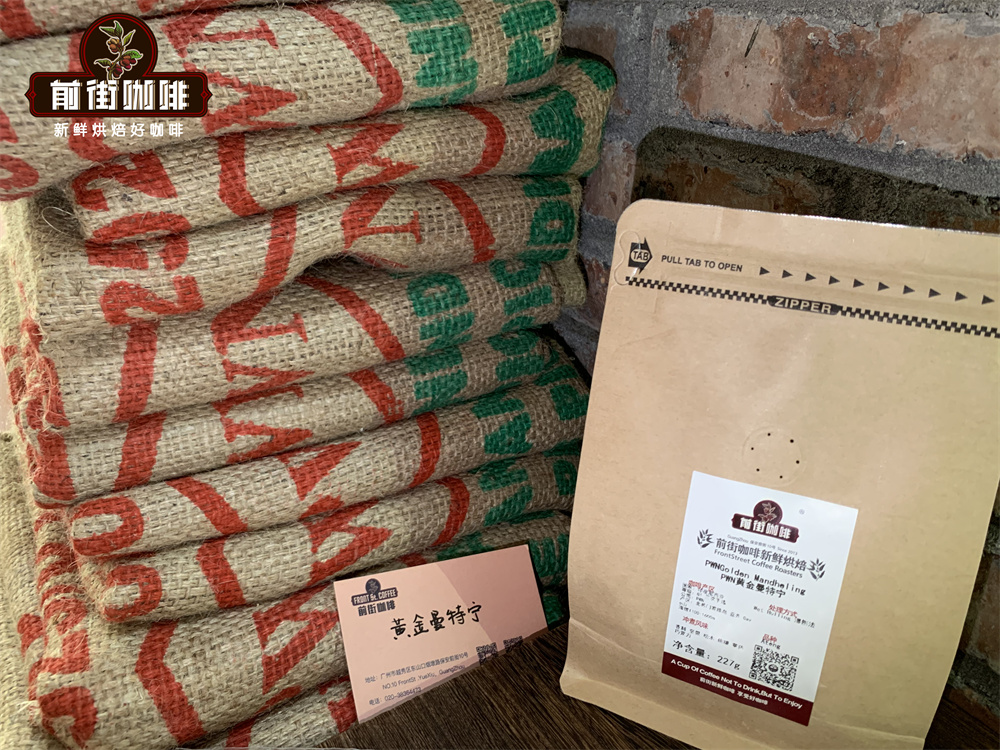
Coffee Development in Indonesia
Indonesia has a long history of coffee cultivation. According to available records, it dates back to 1696, when coffee was introduced to Java Island by the Dutch colonizers of the era and then spread widely to Sumatra Island, where large-scale cultivation began. After nearly two hundred years, Indonesia's coffee industry suffered a severe blow from leaf rust disease: large areas of coffee trees were infected and withered, seriously affecting production.
To resolve the crisis, the Indonesian government began introducing new, more disease-resistant varieties from various places, including the highly resistant Robusta. Today Indonesia's coffee production ranks second only to Brazil's, with Robusta making up the largest share and Arabica accounting for only one-tenth of the total. Within that Arabica share, FrontStreet Coffee's Mandheling is the most representative - the face of Indonesian specialty coffee.
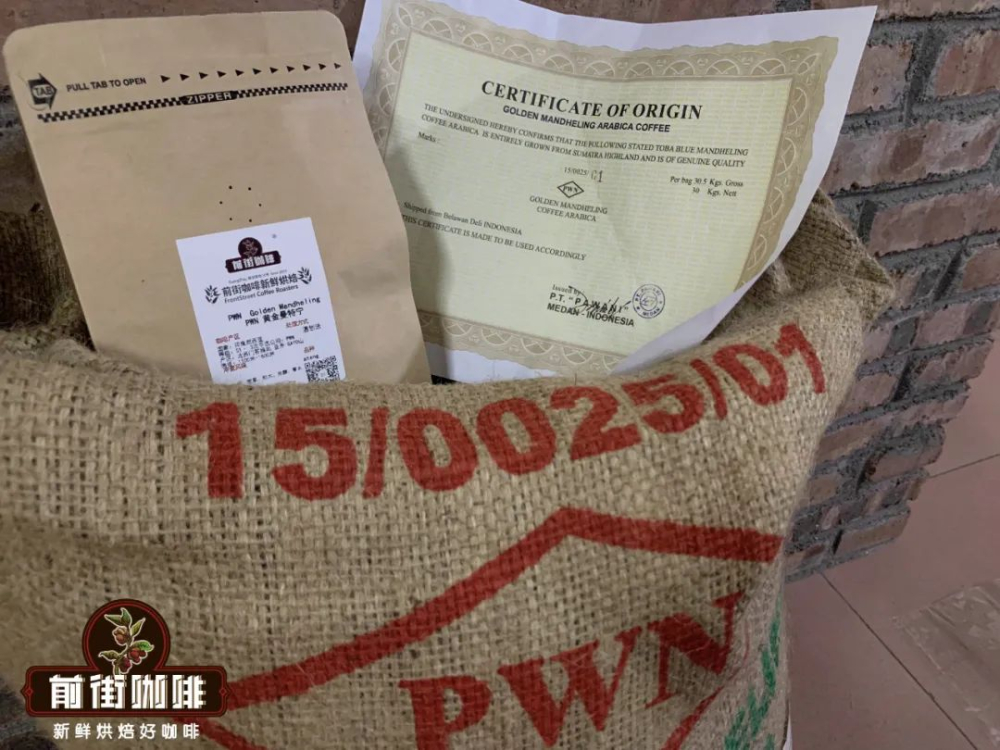
FrontStreet Coffee's Mandheling from Sumatra Island
The name "Mandheling" comes not from a variety or a place, but from a story of misunderstanding. During World War II, when Japan occupied Indonesia, a Japanese soldier drank a cup of rich, full-bodied coffee at a small coffee shop. When he asked the owner the name of the beans, the owner - misunderstanding the question as one about his ethnicity - replied "Mandheling people." After the war, back in Japan and craving that coffee again, he entrusted local Indonesians to find it, mistakenly asking for "Mandheling" - and the name has stuck ever since.
In reality, Mandheling is produced on Sumatra Island in western Indonesia, which consists of eight provinces. The high-quality growing areas all lie in the north: the northernmost Aceh province and the adjacent North Sumatra province. Each has a large lake - Aceh has Lake Tawar, North Sumatra has Lake Toba - and the important coffee areas in both provinces are centered around these lakes.
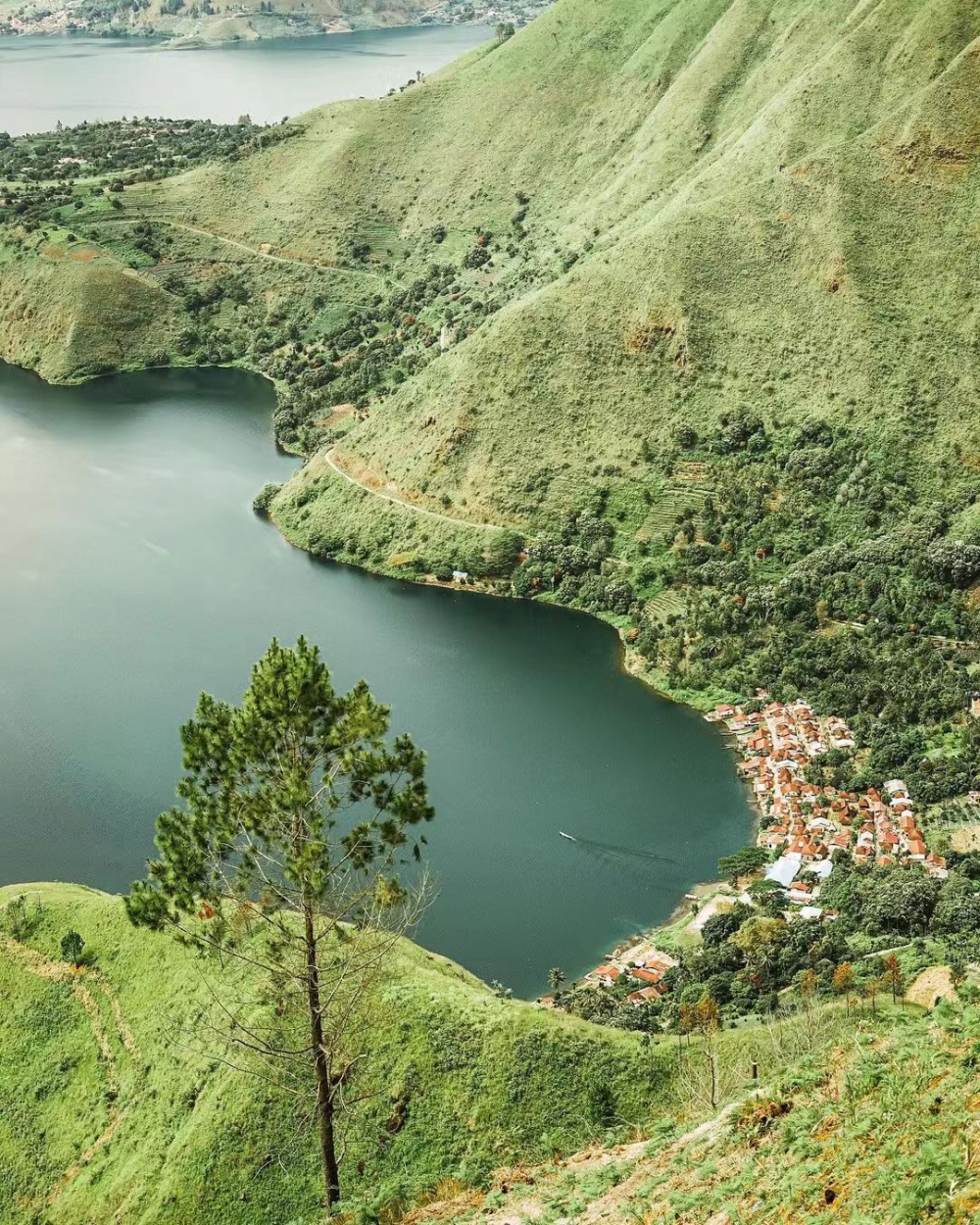
Lake Toba is the world's largest volcanic crater lake and Indonesia's largest freshwater lake. The average annual temperature here is around 22°C in a tropical rainforest climate; the rainy, humid environment combined with an altitude of about 1,400 meters creates ideal conditions for coffee trees. South of the lake lies the locally renowned Lintong producing area, home of FrontStreet Coffee's Mandheling daily house bean.
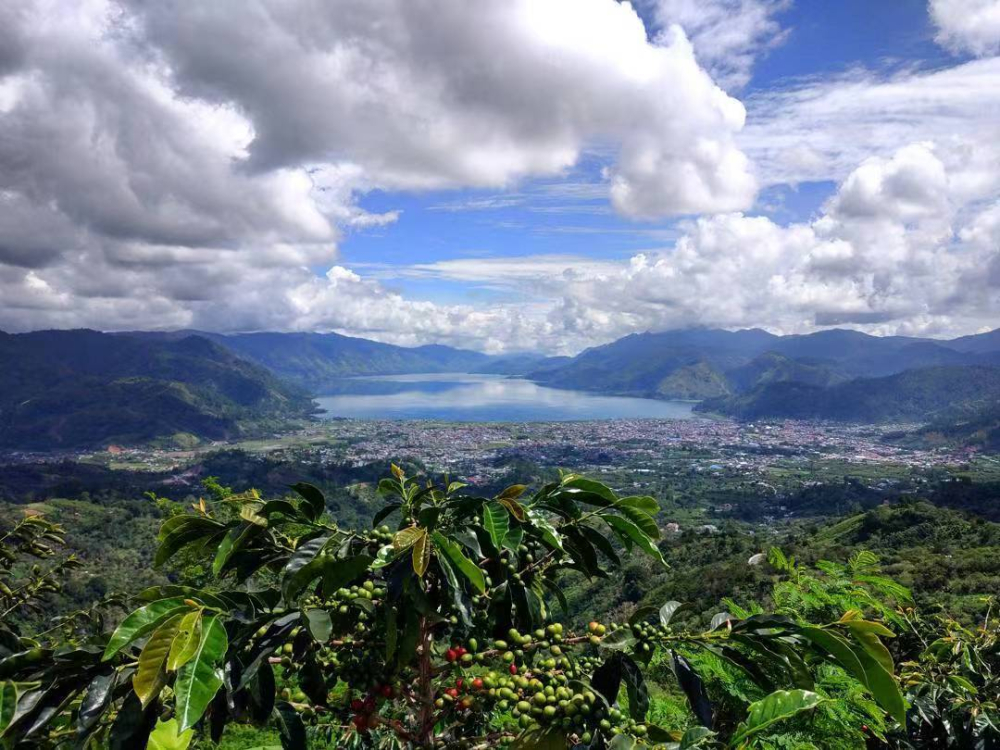
The other lake, Tawar, is ringed by the Gayo Mountain range, bringing elevations above 1,500 meters to coffee cultivation in the Aceh producing area. Aceh's unstable political situation and recurring armed conflicts long hampered the local coffee trade. In 2005, a massive tsunami centered on Aceh struck - and in the wake of that disaster, the civil war also came to an end. Since then, Aceh's coffee industry has gradually returned to the specialty coffee scene.
Coffee Varieties of Mandheling
As mentioned earlier, Indonesia's coffee industry was hit by leaf rust in 1877, and the originally widespread Typica plantings were nearly wiped out. The government successively introduced multiple disease-resistant varieties including Robusta - such as Tim, Catimor, and the Indian variety S795 - known locally as Tim Tim, Ateng, and Jember.
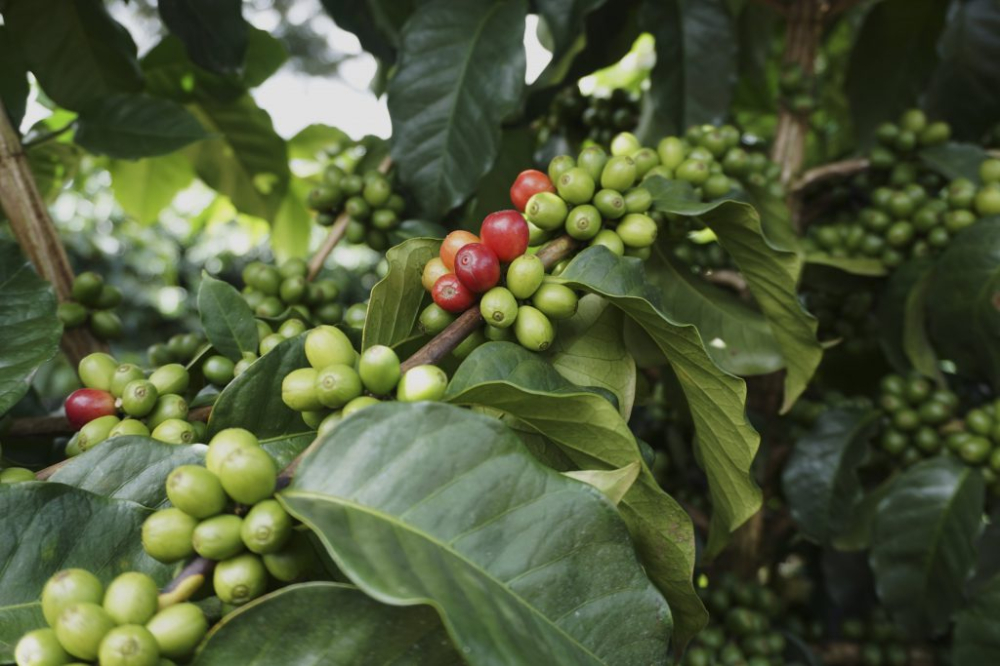
Typica still has the longest cultivation history in Indonesia. Initially carried from Java across Sumatra, after long adaptation to local terroir it formed a distinctive Sumatra Typica profile of herbal spice, low acidity, and rich body, now concentrated around Lake Toba and the Lintong area.
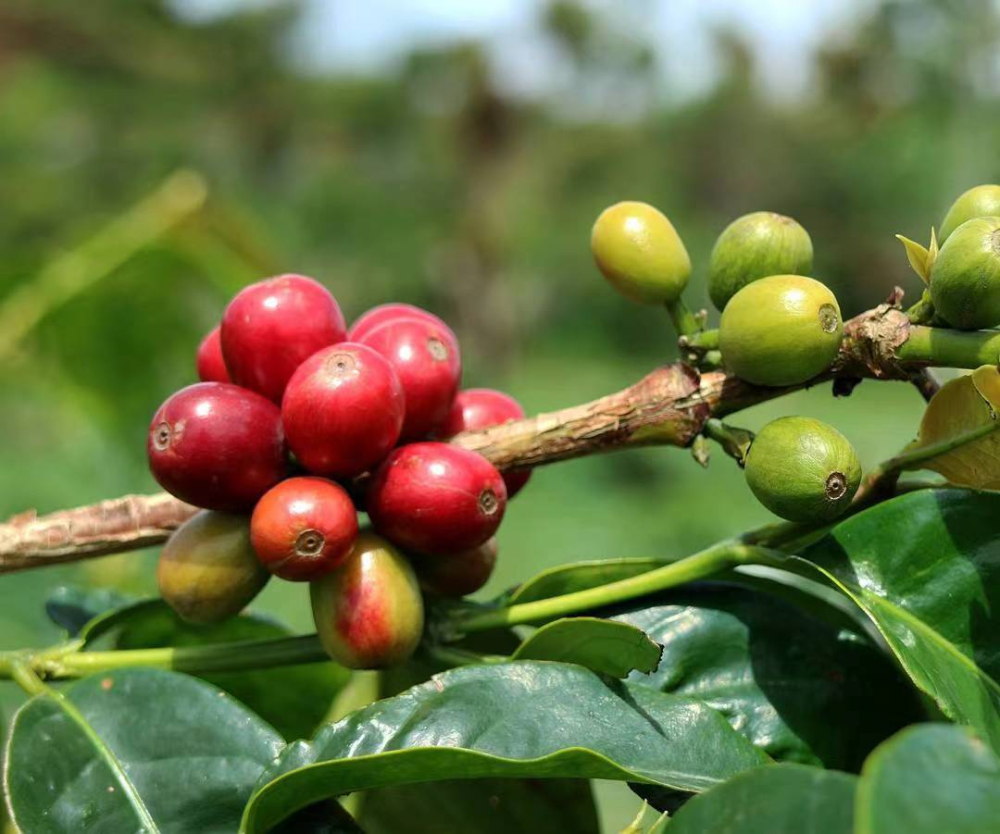
Tim Tim is a natural hybrid of Typica and Robusta, inheriting Robusta's high yield and disease resistance. Ateng (Catimor) is a hybrid offspring of the Bourbon-derived Catuai and Tim Tim; its vigor and high yields have made it a favorite of local farmers. Though Catimor is often criticized elsewhere for flavor defects, Catimor grown in Sumatra's unique environment actually cups better, with woody notes and a rich mouthfeel.
Lintong, well known in the coffee trade, switched to many new varieties to raise yields, and its quality has slipped as a result. The Lake Tawar area of Aceh, by contrast, has consistently stuck with the ancient Typica variety and maintained higher quality - which is why large exporters like the Pwani Coffee Company have invested more resources there.
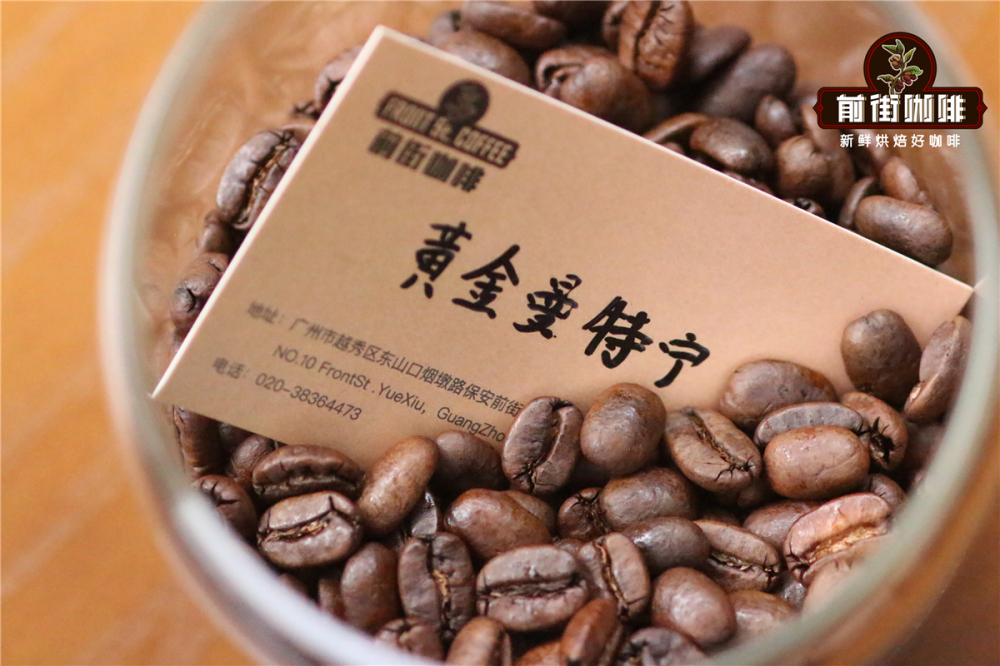
FrontStreet Coffee's Golden Mandheling beans come from PWN Pwani Coffee Company. On top of Indonesia's top green grade G1, they undergo four rounds of manual sorting so that the color, shape, and size of every bean are uniform, yielding a cleaner taste and brighter flavor. Golden Mandheling is the upgraded version of Mandheling; the entry-level version is FrontStreet's Lintong Mandheling. Both are low in acidity and high in body - the signature of the local wet-hulled process.

Wet-Hulling Method
The difference between wet-hulling (giling basah) and washed processing is that here the parchment layer is milled off while the beans are still in a semi-dry, semi-wet state. The method evolved from local conditions: in Sumatra's high heat and humidity, it is simply impossible to keep coffee sun-drying for the ten-plus days that producers in Brazil or Ethiopia can rely on.
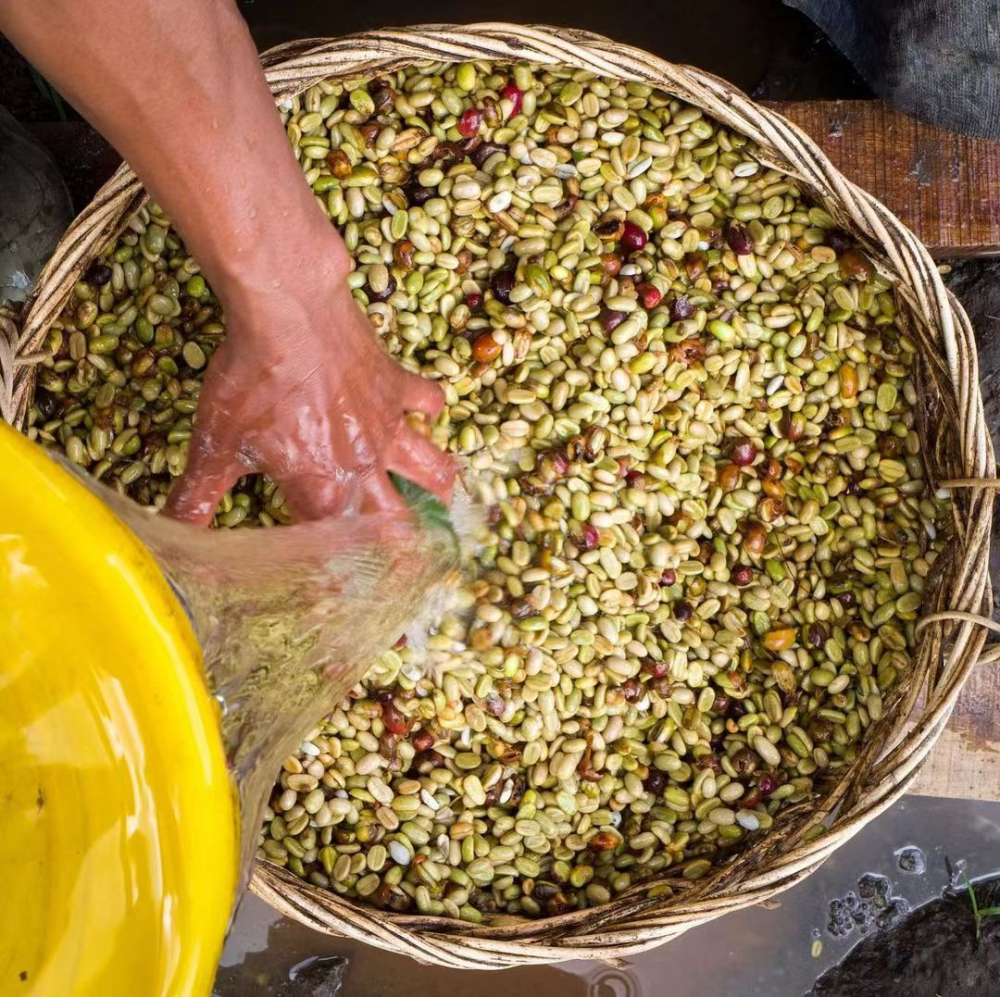
After the cherries are run through a pulping machine, the mucilage layer still feels slippery. After a night of fermentation it washes off easily under clean flowing water, leaving the surface of the parchment coffee rough. Then comes drying - always at the mercy of the weather. With two consecutive sunny days, the beans are sun-dried until the moisture of the parchment coffee reaches 30-50%, at which point a special hulling machine uses friction to strip away the still-soft parchment. The force involved is strong, which is why the green beans often look slightly deformed. Drying continues for two more days; under the sun the beans are prone to cracking open - the so-called "goat hoof" beans. Once moisture reaches 12%, they can be packed and stored.
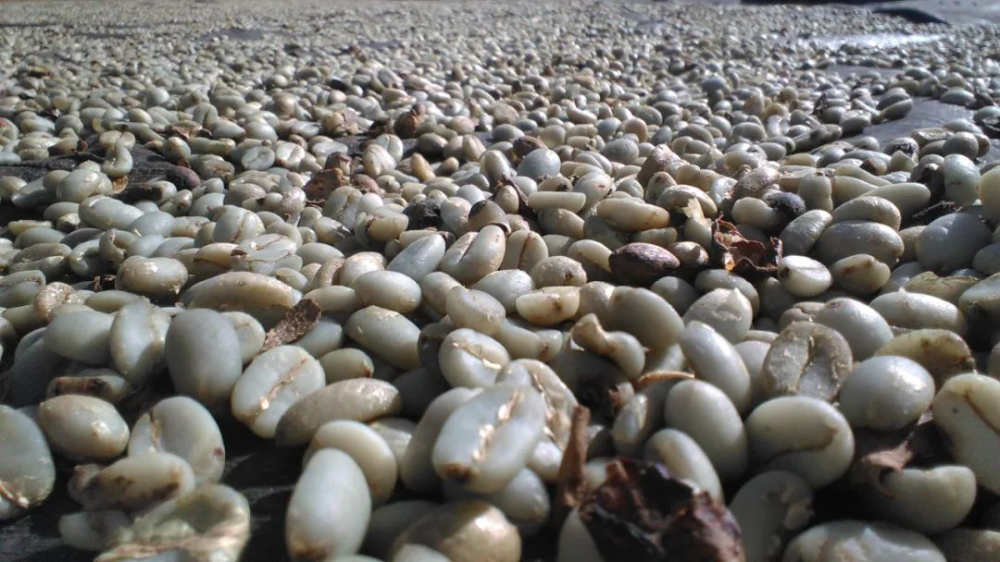
Wet-hulling dramatically shortens processing time, which is why it is ubiquitous in rainy, humid Indonesia. Stripping the parchment mid-dry reduces the coffee's acidity and magnifies the rich body it shows after roasting.
Brewing FrontStreet Coffee's Mandheling
For a coffee this rich and full-bodied, FrontStreet Coffee believes pour-over black coffee suits it best. Start with freshly roasted beans, whose flavors are easiest to express; FrontStreet ships beans roasted within the previous 5 days, so they arrive at peak flavor, ready to brew.
FrontStreet brewed both the upgraded and the entry-level Mandheling with the same parameters. Because the beans are dark roasted - more porous and more absorbent - over-extraction comes easily. The grind is set coarser, which speeds the water flow, and the water temperature is lowered to avoid pulling out excessive bitterness.
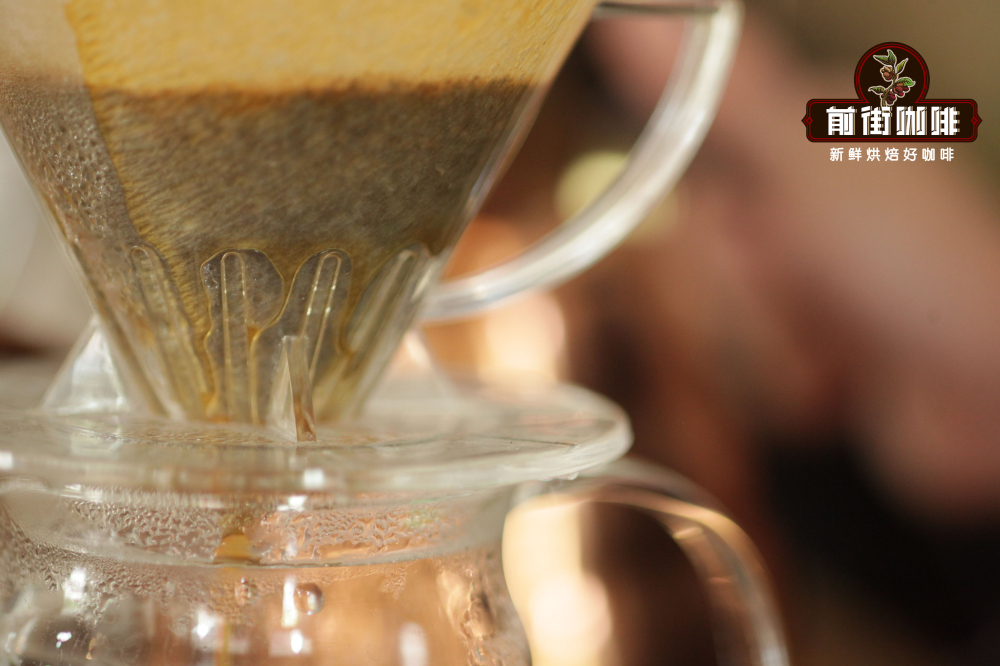
Mandheling's defining trait is body, so FrontStreet chooses the KONO dripper. The smooth curved upper section helps the filter paper seat tightly, blocking steam from escaping, while the guide ribs below accelerate flow and extend contact time between water and grounds, raising concentration and richness. The KONO also suits other medium-dark coffees like FrontStreet's Blue Mountain and Brazil Queen Estate.
Dripper: KONO dripper, Water temperature: 87°C, Coffee dose: 15g, Coffee-to-water ratio: 1:15, Grind size: Medium-coarse (70% passing rate through a #20 sieve)
First, wet the KONO so the filter paper adheres well, and discard the rinse water while adding 15g of coffee. Bloom with 30g of water for 30 seconds, then pour in small circles from the center up to 125g and pause. When the coffee bed drops to half the height of the dripper, pour the second segment the same way up to 225g. When dripping finishes, remove the dripper.
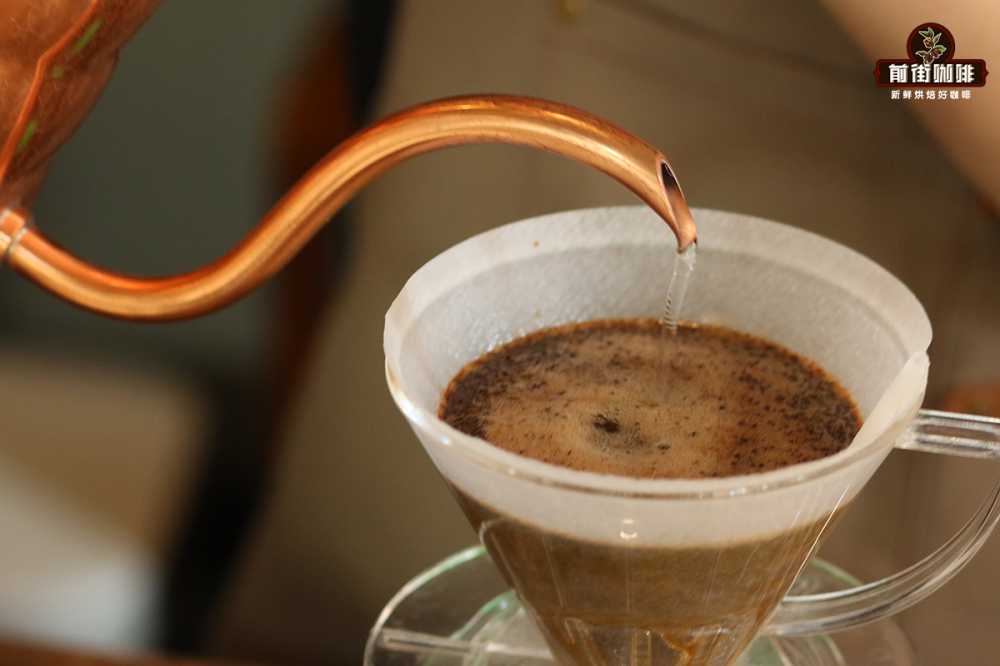
FrontStreet's daily Mandheling shows prominent nut and chocolate flavors, herbal spice at medium temperature, low acidity, and a solid mouthfeel. The Golden Mandheling opens with black chocolate and spice, almost no acidity, clear bright flavors, and a long-lasting aftertaste.
Brewing Adjustments
Beginners often struggle with parameter adjustments. FrontStreet suggests recording your data each time you brew and changing only one parameter at a time - that makes comparisons meaningful and helps you pinpoint where a problem lies.
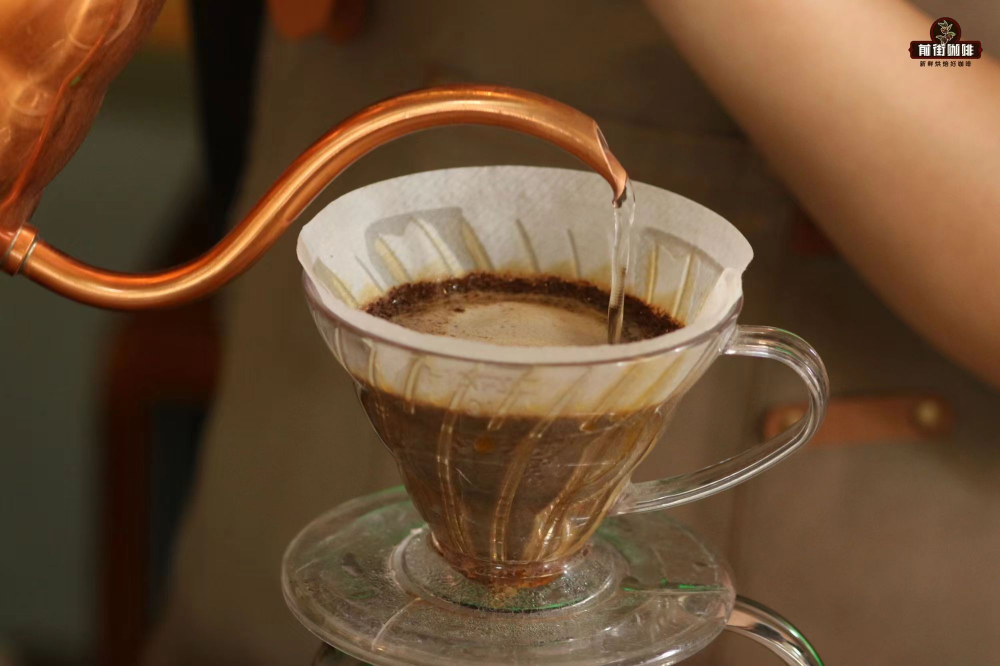
For example, if your Mandheling tastes sour, thin, and light on body, it is probably under-extracted - water too cool or grind too coarse. Try a finer grind first, keep the technique identical, and see whether the acidity softens and concentration rises. If so, you are moving in the right direction. Record the result, then adjust the next parameter - each brew teaches you a little more about the bean.
For professional coffee knowledge and more coffee bean information, FrontStreet Coffee is always happy to share what it knows.
That is our introduction to Indonesian Mandheling - its history, its varieties, its wet-hulled character, and how to brew it well at home.
FrontStreet Coffee Recommendation
Most Mandheling you'll encounter is dark roasted to mute acidity and amplify its deep, aromatic body. FrontStreet roasts both its Lintong Mandheling house beans and its PWN Golden Mandheling to a medium-dark level, presenting dark chocolate and caramel while keeping Mandheling's wild herbal character - a fragrance born of Sumatra's rainforest climate and its one-of-a-kind processing.
For the very best, choose the PWN Golden Mandheling. PWN selects beans of 18-mesh size and larger, requires fewer than 3 defective beans per 300 g sample to meet the top G1 grade, and then triple hand-sorts the coffee - yielding large, translucent, remarkably uniform beans with a clean cup, full body, and strong sweetness. Golden Mandheling is the flagship of this famous exporter, whose bags carry the PWN seal as proof of authenticity. For a more rugged cup, the Lintong Mandheling offers clove and woody aromatics, low acidity, minty spice notes, and a bold, lasting sweetness - the earthy, herbal flavor that Mandheling devotees can't quit.
To brew, FrontStreet suggests 15 g of coffee at a coarse, raw-sugar grind, a 1:15 ratio, and water at 87-88 degrees C, poured in three stages: 30 g to bloom and degas, 100 g to lift the bed and draw out the golden foam, then a gentle final 95 g poured at the center to build sweetness - delivering a thick, caramel-sweet cup with chocolate and nut flavors. If you'd rather use an espresso machine, the FrontStreet Classic Blend adds medium-dark Mandheling to creamy Brazilian base notes, bringing butter, roasted chestnut, caramel, sandalwood, and spice, with a touch of Robusta for extra crema - equally at home in a latte or a layered Dirty.
Important Notice :
FrontStreet Coffee is a long-established specialty coffee roaster in Guangzhou China, selling freshly roasted beans from its own farm in Yunnan as well as dozens of carefully selected single-origin beans from around the world for both pour-over and espresso. The products deliver consistently excellent quality and great value, with shipping within 24 hours. Guangzhou's FrontStreet Coffee shop is recommended by many coffee lovers, and the beans are now available online at the Tmall 。
FrontStreet Coffee has moved to a new address:
FrontStreet Coffee Address: 315,Donghua East Road,GuangZhou
Tel:020 38364473
 Scan and follow the En Gafei WeChat official account. Please indicate that the reprint comes from "En Gafei".