What Flavors Does Indonesian Coffee Have? What Is the Price of Indonesian Coffee? How to Brew Indonesian Coffee
Indonesia: The World's Largest Archipelagic Coffee Producer
Indonesia is the largest archipelagic country in the world. Arabica coffee was introduced there as early as the 18th century, during Dutch colonial rule. The main growing regions sit on the islands of Sumatra, Java, and Sulawesi, and the Mandheling coffee they produce — deep, low-acidity, and full-bodied — has earned a reputation as "the world's most essential coffee." Indonesia ranks as the world's fourth-largest producer, with an annual output of 7 million bags. Coffee is harvested twice a year, in May–June and September–October, with the largest production coming from Sumatra and Aceh provinces.
Farms are generally small, around 1–3 hectares. Indonesian Mandheling is typically processed using the semi-washed (wet-hulled) method. Farmers harvest ripe cherries, remove the outer peel and pulp but keep the thin mucilage film clinging to the beans, then soak and ferment them in water so that underdeveloped beans float and can be skimmed off. The dense, sinking beans — still coated in their film — are sun-dried on raised beds or patios, then finished in a mechanical dryer to a uniform moisture level. The most distinctive step: the beans, still wrapped in parchment and mucilage, are hulled while their moisture content is as high as 18%, exposing the green bean directly to the air so it dries faster. Just before shipment, the dried film is polished off. Locals call this unique treatment the Indonesian semi-washed method, or wet-hulling (giling basah). Large mills can control every processing step precisely, ensuring consistent flavor and quality. Smallholder farmers process their lots in their own yards, and because each farmer's methods and skill differ, quality and flavor profiles vary considerably.
Sulawesi Coffee: Quality from the Celebes
Sulawesi, Indonesia's third-largest island, produces about 70,000–80,000 bags of coffee a year — only around 9% of the country's total output. The coffee grows in rainforest at altitudes of 750–1,500 meters, with most of the high-quality lots planted around the Toraja highlands in the southwest. Toraja sits at about 1,500 meters near the equator, wrapped in afternoon rain clouds and mist year-round and rooted in fertile volcanic soil — ideal natural conditions for coffee.
Most Indonesian coffee is handled by local trading companies responsible for export sales. In Sulawesi's Toraja region, small-scale merchants such as Binalestari offer Arabica coffees in various G1 grades. Their green beans are long and rice-shaped with a handsome jade-green color, quite different from the yellowish-brown of Golden Mandheling and Sumatra Mandheling. There are also few defective or poorly fermented white beans, making it a high-quality smallholder coffee that generally lacks the unpleasant earthiness found elsewhere.
Historical Background and Market Position
Coffee trees were introduced to Indonesia by the Dutch in the mid-17th century (some official records suggest even earlier). In 1712, the first shipment of coffee from Java was sold in Amsterdam. In the most recent year on record, Indonesia exported 300,000 tons, ranking fourth in the world, of which roughly 75,000 tons were Arabica.
Ninety percent of this coffee is grown by small tenant farmers working plots of one hectare or less. That fragmentation is one reason Indonesian coffee tastes so distinctive.
The most important influences are soil type, altitude, coffee varieties, processing methods, and aging practices. Together, these natural and human factors give each Indonesian coffee its own unmistakable terroir.
Quality Characteristics and Regional Varieties
The quality of Indonesian coffee is very diverse, and most of it is marketed by island of origin — Sumatra, Sulawesi, Java, or Timor. At its best, Indonesian coffee offers thick, reserved flavors and lively acidity. At its worst, it can show harsh astringency or a moldy tinge. Some lots lean earthy, a trait some coffee lovers adore and others avoid — either way, it is unmistakably Indonesian.
Price Information
So how much does Indonesian coffee cost?
At FrontStreet Coffee, Mandheling coffee from Indonesia starts at 25 yuan for 100 grams.
FrontStreet Coffee Recommendation
Want to taste the very best of Indonesia? FrontStreet Coffee recommends two standout Mandhelings from Sumatra:
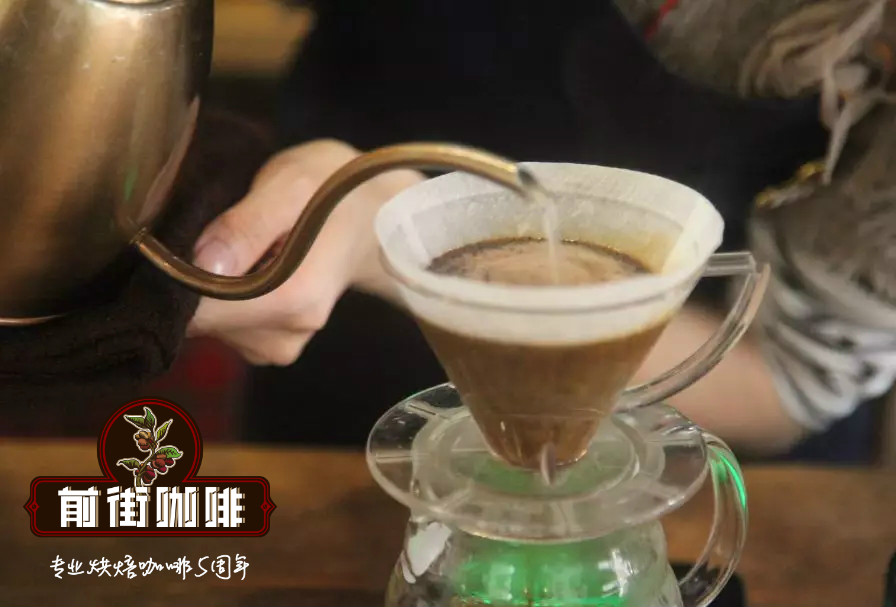
FrontStreet PWN Golden Mandheling — the benchmark for top-grade Mandheling, produced by Indonesia's PWN company to exceptionally strict standards: beans screened to 18-mesh and above, fewer than 3 defects per 300g of green coffee (meeting the highest G1 grade), followed by three rounds of hand sorting for a remarkably clean cup and pronounced sweetness. Roasted medium-dark, it brews into a black coffee with a clean body, roasted richness, caramel sweetness, and notes of chocolate, nuts, and wild herbs — perfect for anyone who prefers low-acid coffee. For pour-over, use 15g of coffee at a coarse-sugar grind, 87–88°C water, and a 1:15 ratio with a three-stage pour (30g bloom, then to 100g, then to 195g) to bring out its full body and caramel sweetness.
FrontStreet Lintong Mandheling — from the traditional Lintong region around Lake Toba, wet-hulled to its classic profile: rich aroma, thick syrupy body, clove and woody spice, low acidity, and a long-lasting, intense sweetness. A superb daily-drinker for lovers of bold, earthy-herbal Indonesian character.
Important Notice :
FrontStreet Coffee is a long-established specialty coffee roaster in Guangzhou China, selling freshly roasted beans from its own farm in Yunnan as well as dozens of carefully selected single-origin beans from around the world for both pour-over and espresso. The products deliver consistently excellent quality and great value, with shipping within 24 hours. Guangzhou's FrontStreet Coffee shop is recommended by many coffee lovers, and the beans are now available online at the Tmall 。
FrontStreet Coffee has moved to a new address:
FrontStreet Coffee Address: 315,Donghua East Road,GuangZhou
Tel:020 38364473
 Scan and follow the En Gafei WeChat official account. Please indicate that the reprint comes from "En Gafei".