How to Drink Panama Geisha Coffee Las Rocas - Grade Classification of New Blue Label Geisha Coffee Beans

Many coffee enthusiasts splurge on expensive beans during the Double Eleven shopping festival, yet because of the premium price they approach brewing with excessive caution - and end up failing to extract the remarkable flavors the beans can offer. Among those premium beans, Geisha stands out as the priciest variety of all. So FrontStreet Coffee would like to share how to brew Geisha properly.
What Makes Geisha So Special?
To many people, Geisha feels like the luxury item of the coffee world. In fact, "Geisha" is simply an elegant rendering of a coffee variety name, just as we use terms like Typica or Bourbon. In practice we rarely hear products directly named "Typica coffee beans" or "Bourbon coffee beans" - those varieties usually just appear in the variety field. Geisha, by contrast, is often featured prominently in the product name itself.
It all traces back to the year Hacienda La Esmeralda won the BOP championship with Geisha. Geisha's highly distinctive flavor profile and its inherently appealing taste set it sharply apart from other varieties, and with extensive promotion and marketing it replaced Blue Mountain as the king of a new generation - gaining mainstream recognition even beyond coffee circles.
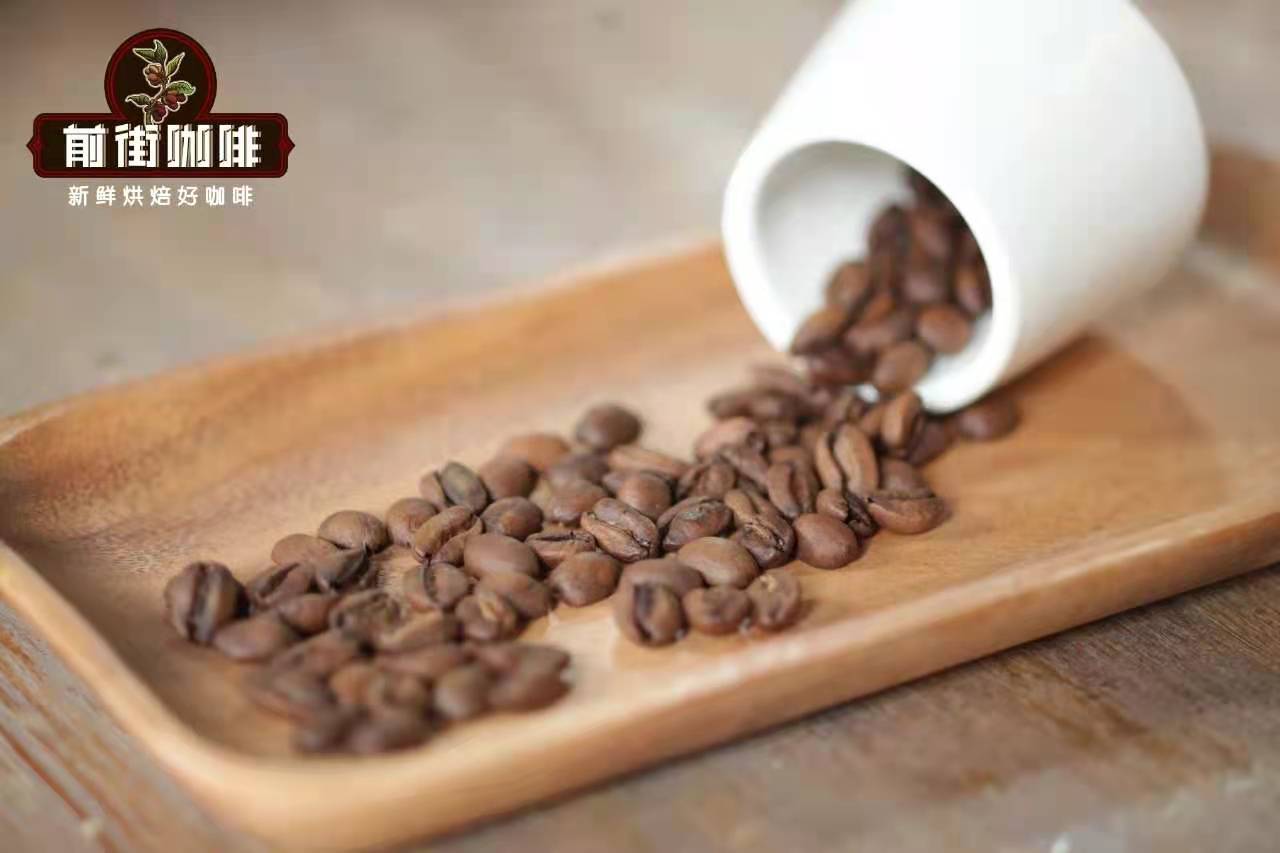
Take Panamanian Geisha as an example: the beans have pointed ends with a plump middle, and after roasting they emit delicate floral aromas. Their character is particularly distinctive and memorable. Grown at high altitude, Geisha beans are harder than other varieties. The resulting cup offers captivating floral notes, a distinct and clean citrus acidity, and sweetness reminiscent of honey or brown sugar, while the finish brings out aromas similar to green tea, oolong or jasmine tea.

How Should Geisha Coffee Be Brewed?
Given Geisha's distinctive character and relatively high price, failing to extract its flavors fully would be a waste. So we can tailor a brewing approach specifically for it.
For this demonstration we use Las Rocas volcanic rock Geisha from the 2021 new harvest season. These beans are essentially Hacienda La Esmeralda's "New Blue Label," and they still show excellent quality.

FrontStreet Coffee still uses 15 g of coffee, paired with a small Hario V60 dripper. For grind size we go slightly coarser than our usual setting, with a 78% pass-through rate on a #20 sieve. The main reason is that Geisha beans are quite hard and tend to settle at the bottom, where they can block the drainage holes.

Correspondingly, the coffee-to-water ratio is adjusted to 1:16. On one hand this uses more water to maintain extraction efficiency; on the other it brings the coffee concentration to between 1.15% and 1.25%, the optimal range for experiencing the coffee's best flavors. As for water temperature, we hold it at 91°C.
To brew, first pour 25 ml of hot water for a 30-second bloom. Because Geisha beans are hard and do not absorb water strongly, 25 ml is enough to wet the entire coffee surface - using more would only drip excess water into the server below. During blooming, work gently with small circular movements from the center outward; this is the technique that works best.
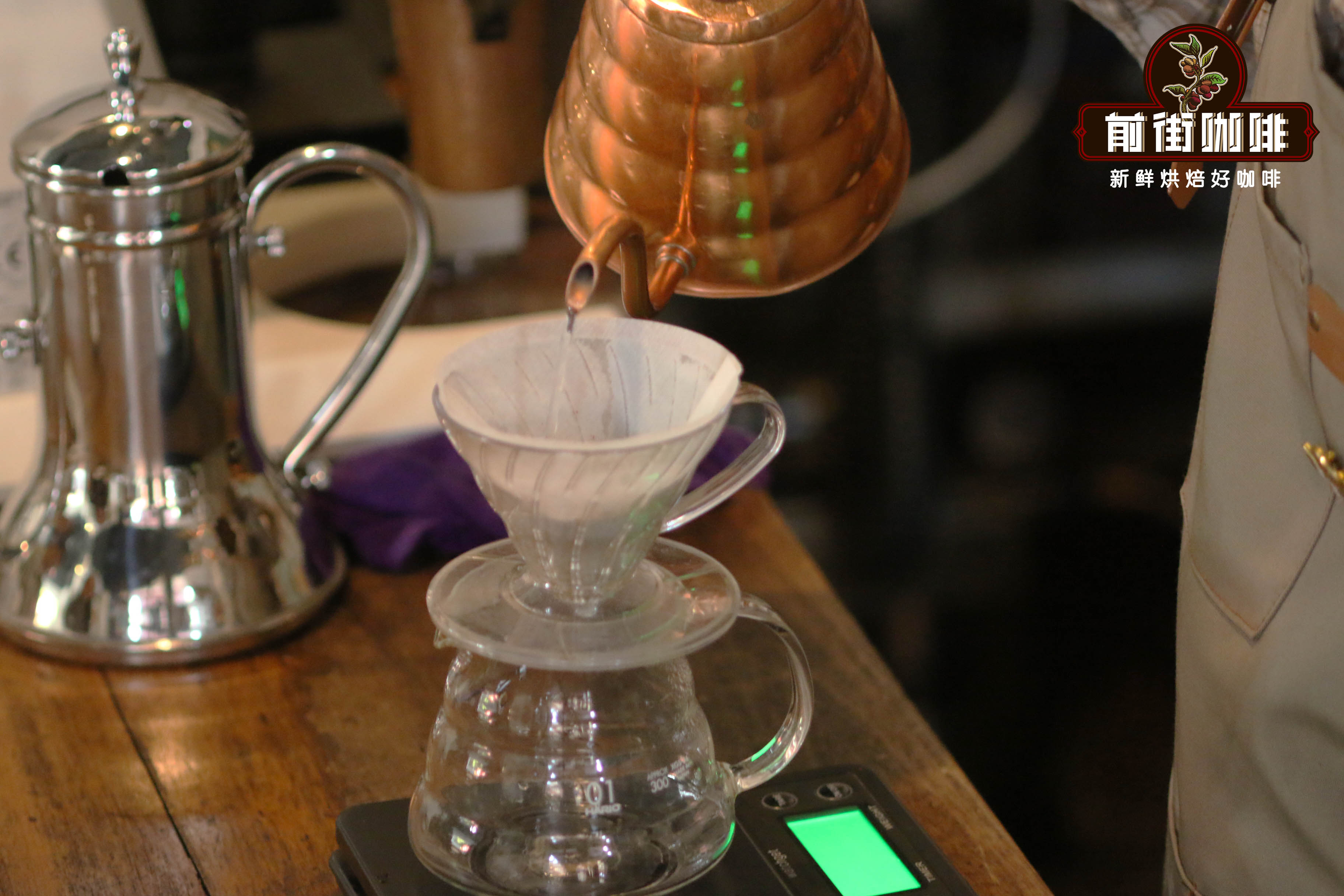
After blooming, move to the second pour, injecting 120 ml of water in a "mosquito coil" pattern from the center outward to raise the coffee bed. This pour should finish in about 1 minute. Then wait for the water level to drop. Normally it falls evenly and slowly, reaching the halfway point around 1 minute 10 seconds to 1 minute 15 seconds and forming a "bowl" shape.
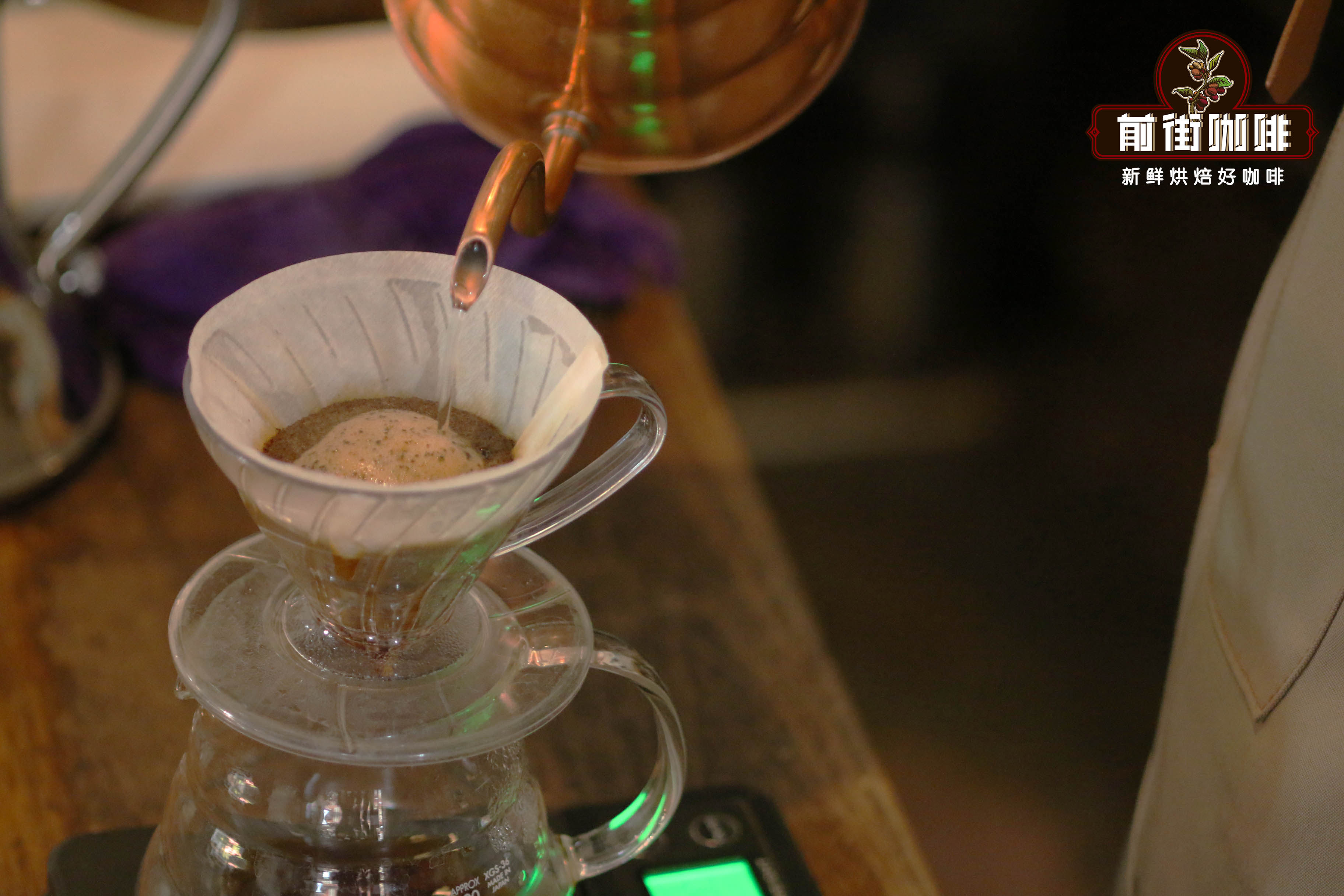
Now begin the final pour, injecting 90 ml of water in a half-circle pattern along the water surface, finishing around 1 minute 35 seconds. Simply wait for all the coffee liquid to drip into the server, then remove the dripper. Total brewing time should be roughly 2 minutes to 2 minutes 5 seconds.
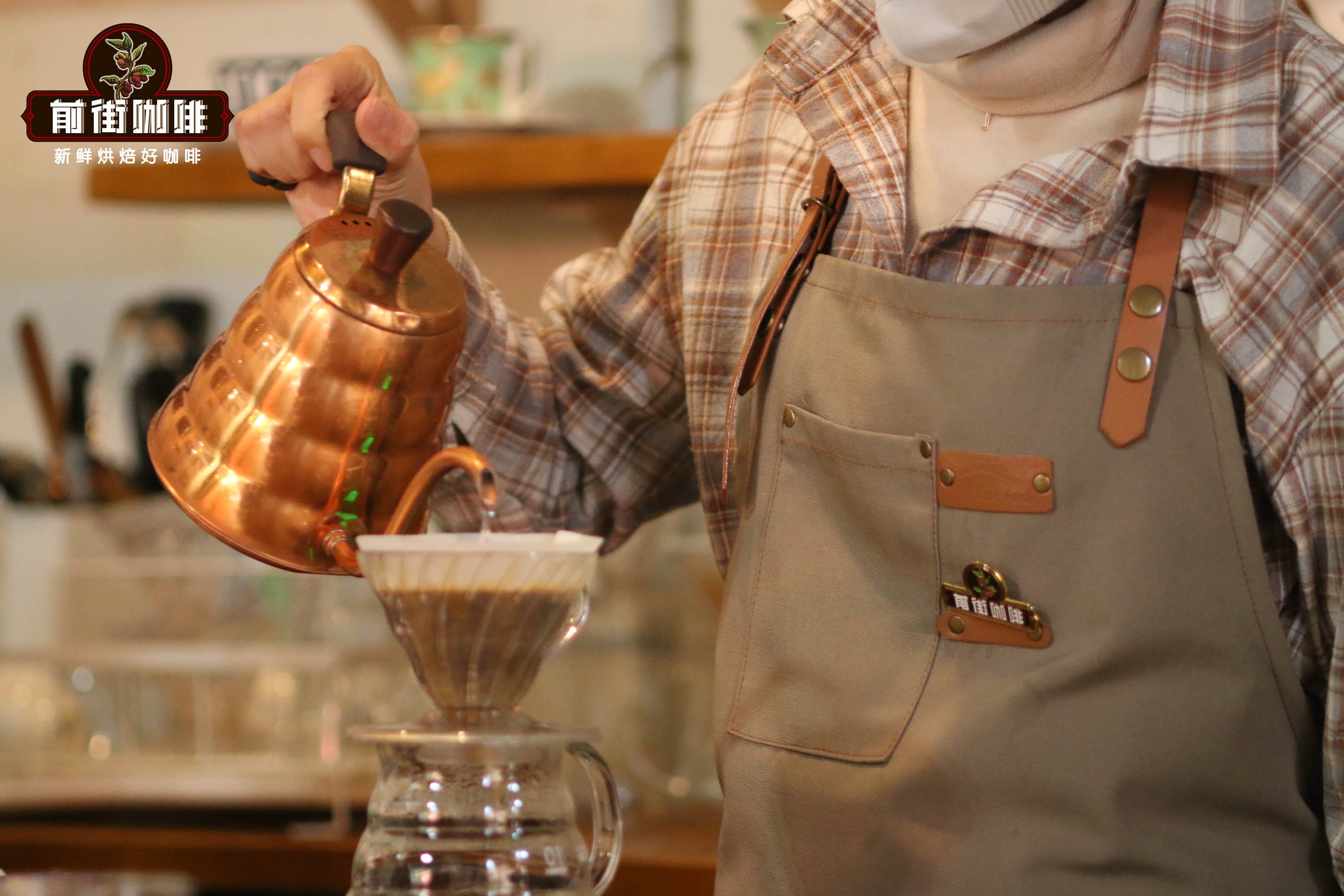
This method produces Geisha with rich floral and fruit aromas, sweetness from fruit and honey, and an overall smooth, non-bitter profile. Coffee lovers who appreciate this should definitely give it a try.
For professional coffee knowledge exchange and more coffee bean information, please follow: FrontStreet Coffee.
FrontStreet Coffee Recommendation
If a balanced, classic coffee is more your style, the FrontStreet Coffee Jamaica Blue Mountain No. 1 is the mirror image of Geisha's brilliance. Grown on the historic Clifton Estate since around 1750 at an average of 4,300 feet (1,310.64 meters), it is roasted medium-deep so the cup opens with hazelnut, dark chocolate and creamy caramel over soft sweetness, with acid, sweet, bitter and aromatic notes in perfect harmony.
FrontStreet Coffee suggests a Kono dripper for this bean: 15 g of coffee, a 1:15 ratio and 87-88°C water, poured in three stages - 30 g for a 30-second bloom, then to 120 g, then to 225 g. Every lot is roasted within five days of shipping, so the beans arrive at full flavor and can be brewed straight away.
Important Notice :
FrontStreet Coffee is a long-established specialty coffee roaster in Guangzhou China, selling freshly roasted beans from its own farm in Yunnan as well as dozens of carefully selected single-origin beans from around the world for both pour-over and espresso. The products deliver consistently excellent quality and great value, with shipping within 24 hours. Guangzhou's FrontStreet Coffee shop is recommended by many coffee lovers, and the beans are now available online at the Tmall 。
FrontStreet Coffee has moved to a new address:
FrontStreet Coffee Address: 315,Donghua East Road,GuangZhou
Tel:020 38364473
 Scan and follow the En Gafei WeChat official account. Please indicate that the reprint comes from "En Gafei".