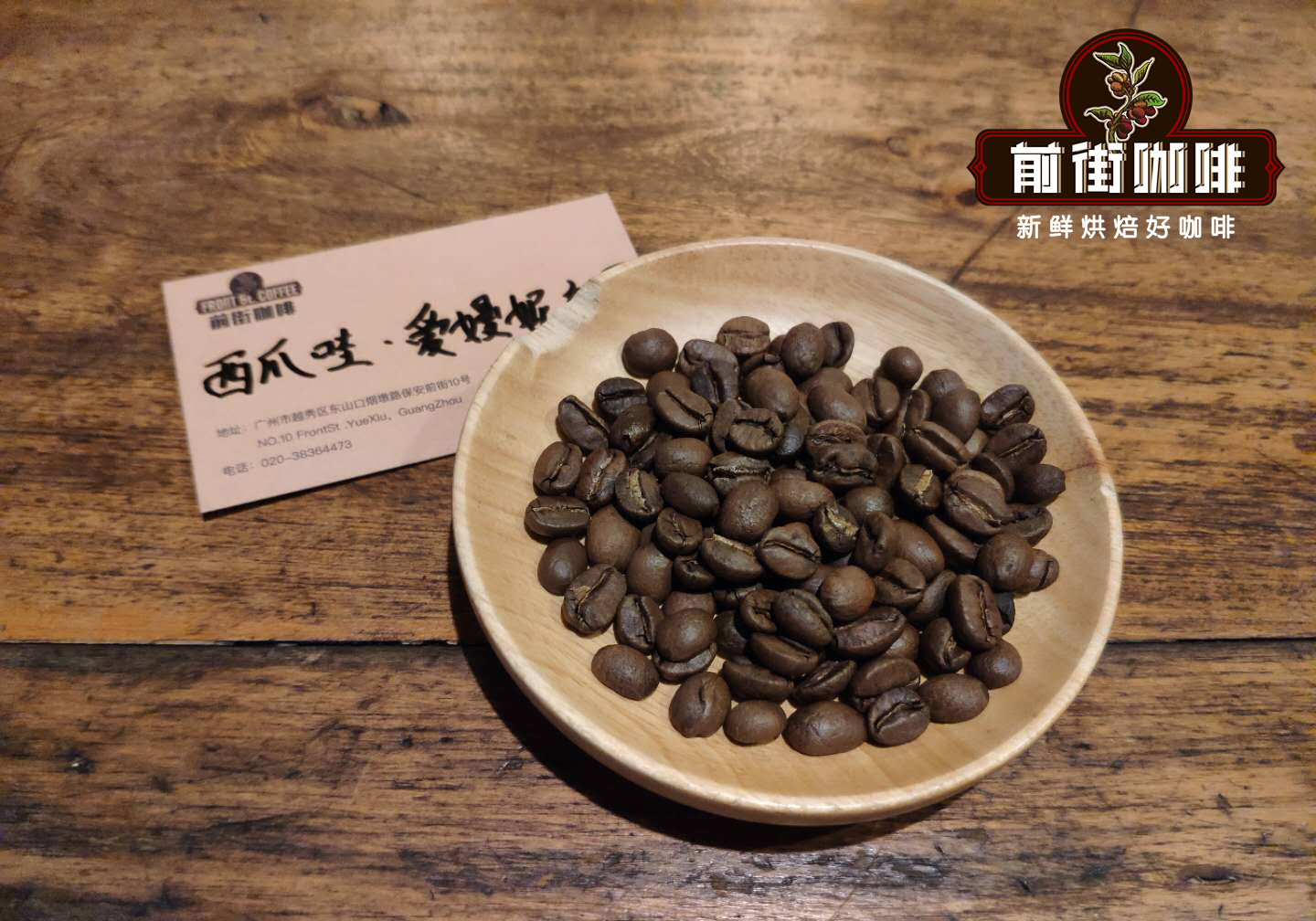
Ethiopia Gesha Village Gold Label Gesha Gesha Variety Gori Gesha Premium Coffee Beans
The Origin and Legacy of Gesha Coffee
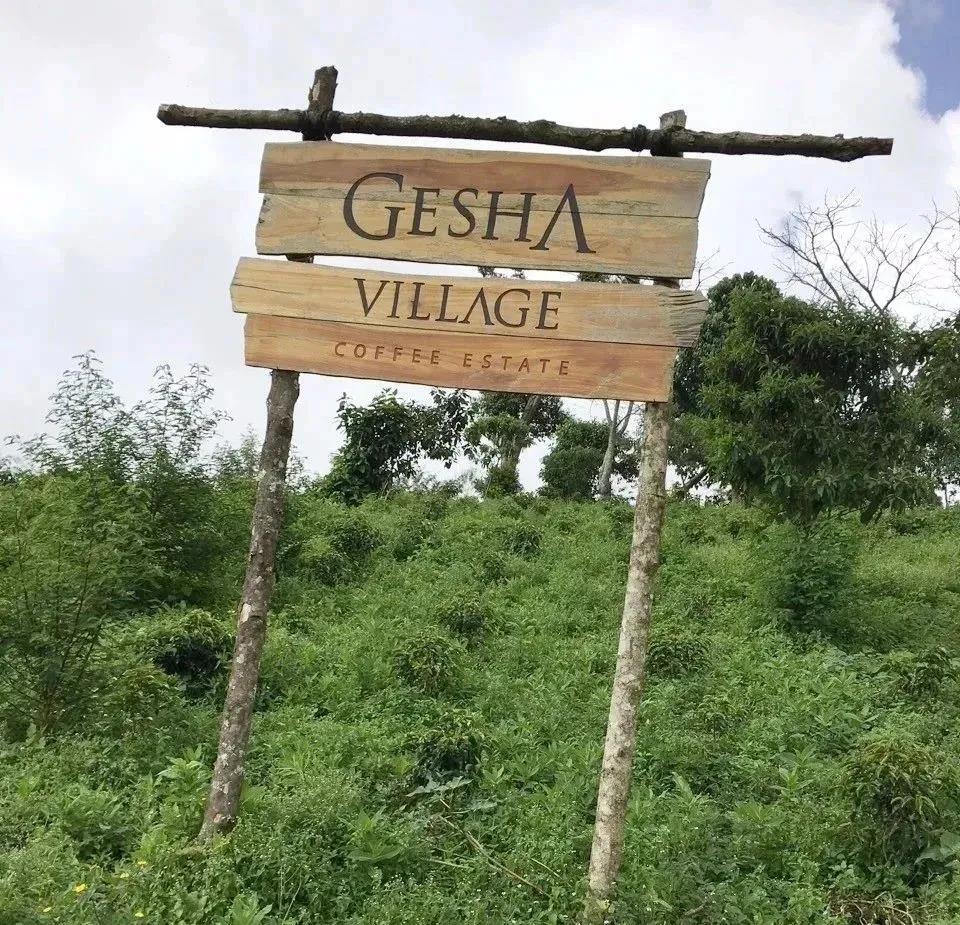
Gesha coffee rose to fame through Panama's Hacienda La Esmeralda, but it originates from the remote Gesha Mountain in southern Ethiopia, near the Sudan border in the southwestern part of Ethiopia's Kaffa Forest, at an altitude of 1700-2100m. Gesha is not a high-yield coffee variety; its beans are slender and elongated, and it performs poorly at low altitudes. It can, however, resist leaf rust disease and can be used to breed hybrid varieties. Gesha planted in Ethiopia does not demonstrate the variety's advantages, whereas Panama's soil and the harsh growing conditions of its windbreak forests actually allow Gesha coffee to fully express the variety's flavor characteristics. FrontStreet Coffee has also observed this phenomenon: Gesha coffee shows better flavors in harsher environments.
Gesha Origins: Ethiopian vs Panamanian
Although both are Gesha, Ethiopian Gesha and Panamanian Gesha differ in both variety and flavor. As the birthplace of coffee, Ethiopia hosts many wild coffee tree species. Even local Ethiopians cannot distinguish between unnamed coffee trees, so they collectively refer to Ethiopian coffee beans as Ethiopian heirloom varieties. All coffee tree species worldwide originate here, and Panama's Gesha coffee was also discovered in Ethiopia's Gesha forest. Gesha coffee was then sent to Kenya for research, passed on to Uganda and Tanzania, and then to Costa Rica, while Panama's Gesha variety was introduced from Costa Rica.

The truly original Gesha coffee variety comes from Ethiopia's Gori Gesha forest. Coffee beans in the Ethiopian region are mostly dominated by cooperatives, with estate-level coffee beans rarely appearing. Yet within Ethiopia's Kaffa forest, there is an estate called Gesha Village that has adopted Panama's Hacienda La Esmeralda business model, selling its estate-grown Gesha coffee beans in graded tiers.
Gesha Village Estate
Completely different from most Ethiopian farms, Gesha Village is not a small farm but a large 500-hectare estate with its own washing station and laboratory. The entire farm cultivates only Gesha varieties, rather than the generally indeterminate Ethiopian heirloom varieties. In 2007, documentary director Adam Overton and his photographer wife Rachel Samuel, while filming a documentary about Ethiopian coffee for the Ethiopian government, came into contact with the Gera coffee forest located in the Bench Maji region.

In 2009, they had the good fortune to meet the renowned Willem Boot, owner of Panama's Don Pachi Estate and a BOP judge, whose ideas opened an opportunity for the Overton couple. They returned to Ethiopia to search for Gesha's birthplace. Finally, Adam Overton decided to establish Gesha Village Estate in the Gera coffee forest they had encountered, planting only Gesha coffee on the estate. Willem Boot also brought Panama's business model to Gesha Village Estate, creating the current grading system for Gesha coffee within the estate.
In 2015, Gesha Village Estate had its first harvest. Due to enthusiastic responses from all sides, and with the assistance of Panama's Don Pachi Estate owner Willem Boot, they held their first international auction on May 31, 2017. Gesha Village Estate provided 21 micro-lots, with 19 lots of 120 kilograms each, while several other lots were even smaller.
Gesha Village Coffee Grading System
Gesha Village Estate has a strict internal grading system, consisting of Auction, Gold Label, Red Label, Green Label, and Chaka lots.
Auction
Auction lots account for only 3.7% of Gesha Village Estate's annual production, representing the estate's most superior batches selected through layers of strict screening. They can only be obtained through global auctions.
Gold Label RARITIES
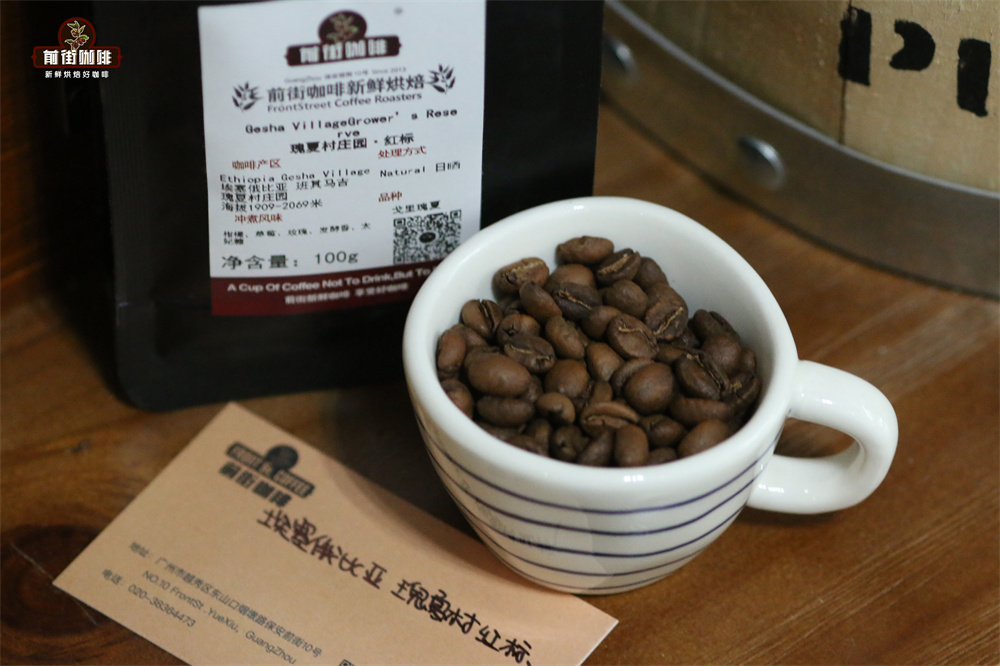
Gold Label coffee accounts for about 10% of Gesha Village Estate's annual production, with complex flavors and extreme rarity. These rare coffees are the most premium at Gesha Village Estate besides the auction lots. Many baristas choose Gold Label lots as their competition beans, while roasters with high quality requirements also purchase them. They offer complete traceability, with prominent and complex flavors in each batch. FrontStreet Coffee's Gesha Village Gold Label comes from the Oma 059 batch.
Red Label RESERVE
Red Label coffee beans account for about 15% of Gesha Village Estate's annual production, representing batches with complete traceability and cupping scores exceeding 88 points (SCA standards). They exhibit typical Gesha Village flavors, with slightly less intensity and complexity than Gold Label lots, making them single-origin batches with excellent value for money. Gesha Village Red Label is the Gori Gesha variety.
Green Label SINGLE-TERROIR
Green Label lots come from single plots within Gesha Village Estate and are single-variety batches. Green Label lots provide complete traceability information for each batch number, including farm plot names, coffee varieties, and processing dates.
Chaka CHAKA
Chaka lots blend coffee from all plots of the estate and the entire production season. Currently, FrontStreet Coffee's Chaka coffee is natural processed.

Gesha Village Plot Differentiation
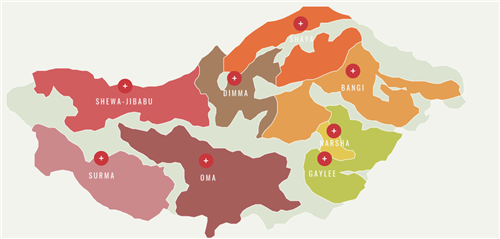
Bangi
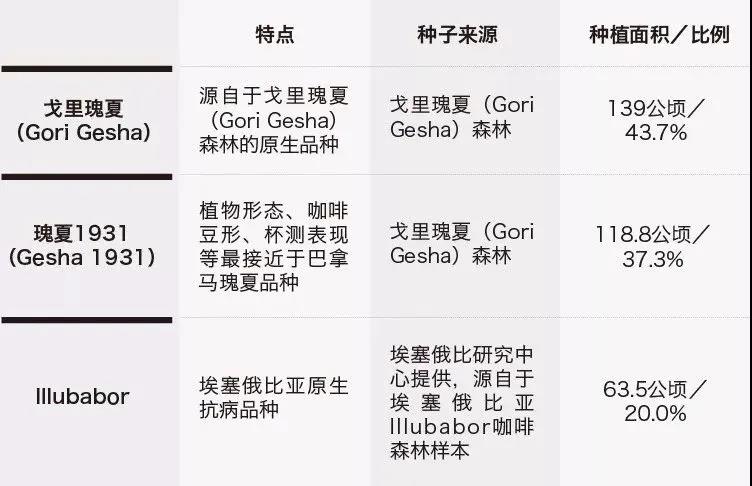
The Bangi plot is located on the east side of Gesha Village Estate, at altitudes ranging from 1911 to 2001 meters. This plot is responsible for cultivating the Gori Gesha variety, with a planting area of approximately 54 hectares. Gesha from the Bangi plot typically features honeysuckle and spice aromas, with rich dark chocolate and spice flavors blended with notes of red fruits, black tea, and blackcurrant.
Dimma
The Dimma plot is located in the center of Gesha Village Estate, at altitudes ranging from 1966 to 2019 meters, cultivating the Illubabor variety across 28.7 hectares. Coffee from this plot tends to have coffee flower aromas and stone fruit flavors, mixed with fresh citrus notes.
Gaylee
The Gaylee plot is located on the southeast side of Gesha Village Estate. Like the Dimma plot, it cultivates Illubabor variety coffee, at high altitudes ranging from 1916 to 1982 meters. Official descriptions indicate that this plot's cupping profile features fruit and spice flavors, along with lemongrass and jasmine notes.
Oma
The Oma plot is located on the south side of Gesha Village Estate, at altitudes ranging from 1931 to 2040 meters, responsible for cultivating the Gesha 1931 variety across a total area of 67.6 hectares. The Oma plot features rich jasmine aromas, with subtle flavors of peach, apricot, preserves, melon, and tangerine, blended with honey sweetness.

Narsha
The Narsha plot leans toward the east side of Gesha Village Estate, adjacent to the west side of the Gaylee plot. With a small planting area of only 5.3 hectares, it cultivates the Gesha 1931 variety. Official descriptions of this plot include honeysuckle, yellow fruits, lime, dark chocolate, peach, apricot, rose, clean acidity, and a bergamot finish.
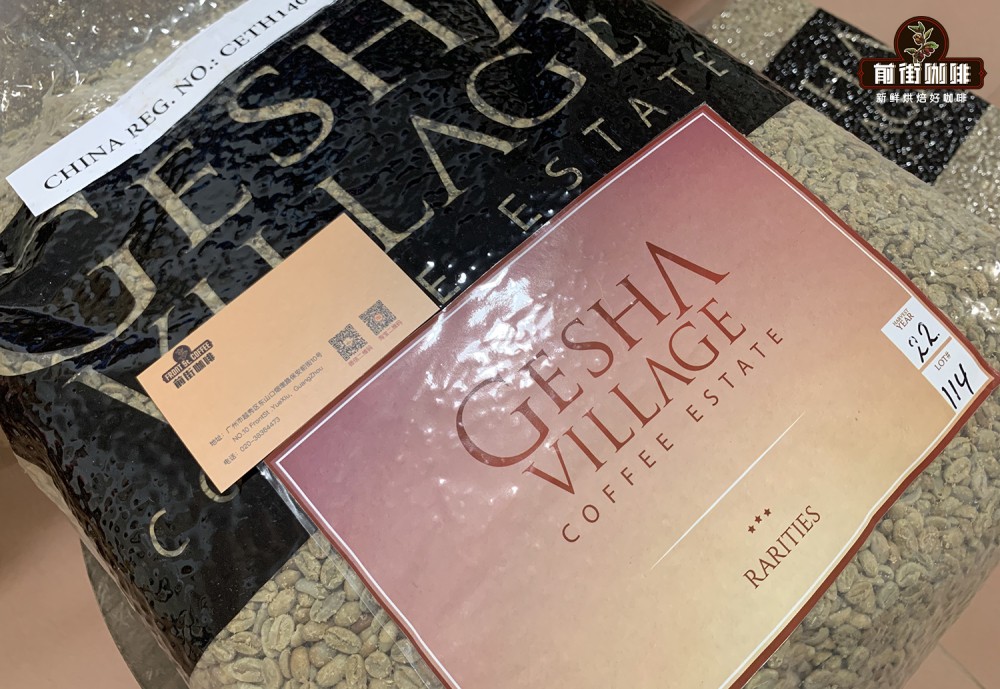
FrontStreet Coffee's Gold Label Gesha coffee beans for this new harvest season come from the Oma plot, processed using a 32-day natural drying method, with the variety being the exclusive Gesha 1931 from the Oma plot.
What is the Gesha 1931 Variety?
Gori Gesha is a location that the owner of Gesha Village Estate traced through historical records, believing it to be where the British originally sampled and took away the Gesha variety. They also conducted sampling here and finally selected Gesha 1931. It was selected not through genetic identification but by observing plant morphology, bean shape, and cupping flavors. From the samples, they believed this coffee variety was similar to Panama's Gesha. Historically, Geisha was discovered in 1931 on Gesha Mountain in southern Ethiopia, coincidentally with the same pronunciation as the Japanese word for geisha, and exported to Kenya. Gesha 1931 is actually Gesha, with the following numbers simply indicating that this is the Gesha variety discovered in 1931.
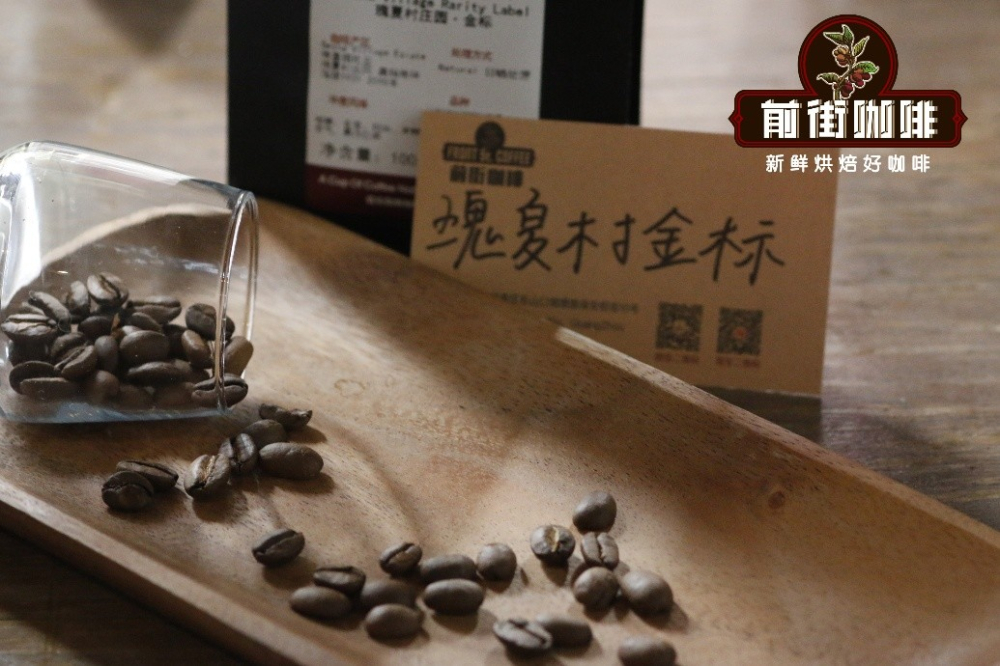
Gesha 1931 (Gesha1931) was confirmed by observing plant morphology, bean shape and size, as well as its cupping profile, making it the closest to the mother variety of Panama's Gesha.
Gesha Village Coffee Bean Processing
FrontStreet Coffee's Gesha Village Gold Label coffee, Gesha Village Red Label coffee, and Gesha Village CHAKA coffee are all natural processed.
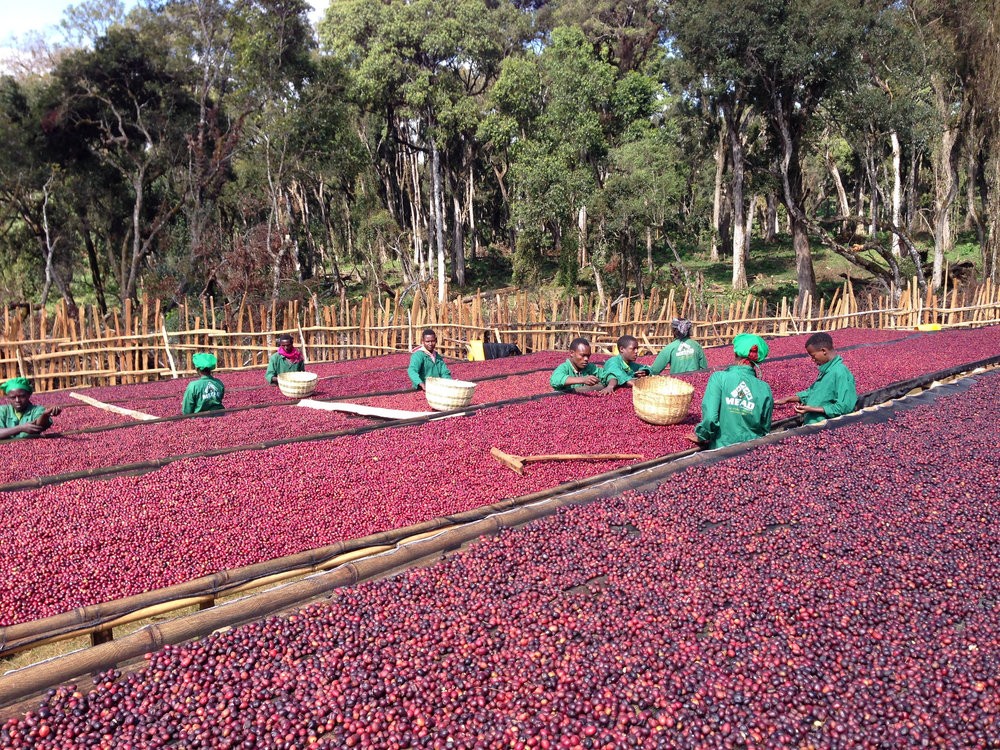
First, floating impurities are removed, then the coffee is dried in thin layers on African raised beds covered with plastic sheeting. During drying on the beds, another screening is performed to pick out insect-damaged beans and underripe green coffee beans. The total drying time is 18-30 days.
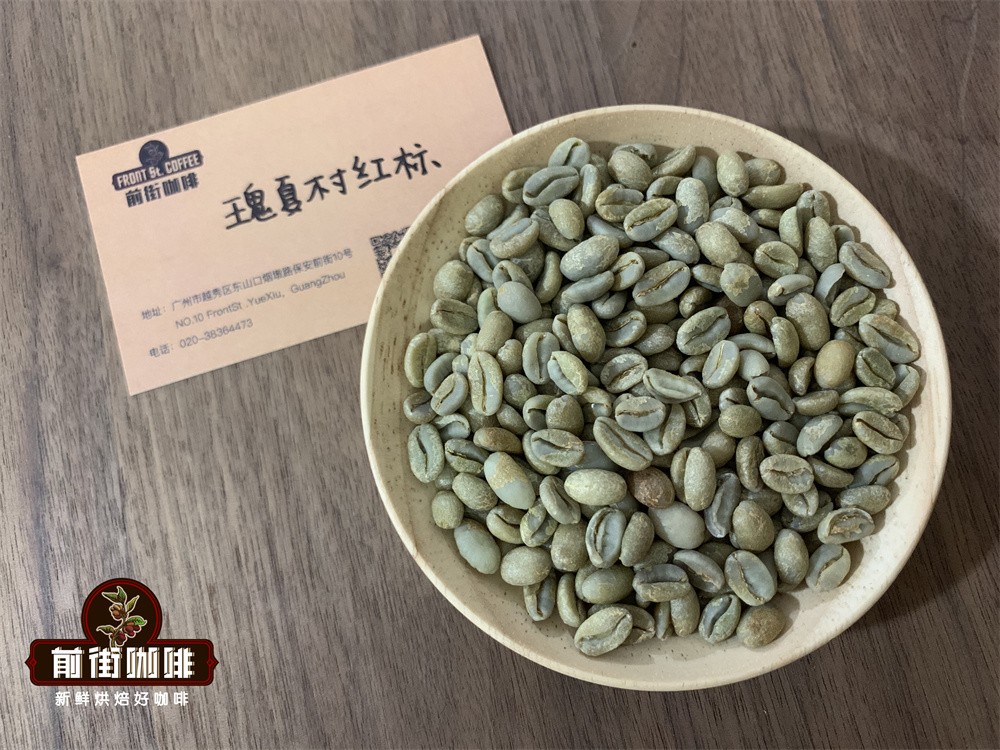
Before brewing, it is essential to understand the coffee beans. FrontStreet Coffee's Gesha Village Red Label Gesha comes from an estate located in Ethiopia's Bench Maji region, and this Red Label batch comes from the estate's Shewa-Jibabu plot, located in the northwest of the estate, where coffee trees are planted at altitudes ranging from 1973 to 2069 meters.
FrontStreet Coffee's Gesha Village Brewing Parameters
To preserve the unique bright acidity of Ethiopian coffee beans, FrontStreet Coffee has adopted a medium-light roast level. Coffee beans from high-altitude regions are inherently denser, and because the roasting time is shorter, the bean structure has not changed significantly, making the substances in the coffee less easily extracted.
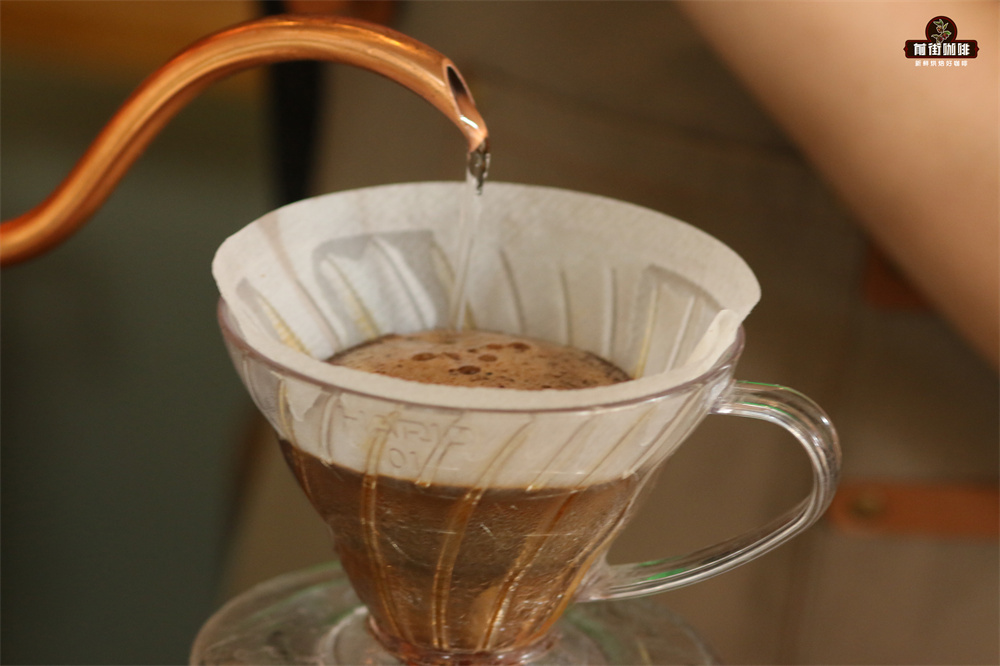
Therefore, when brewing medium-light roasted coffee beans, FrontStreet Coffee recommends a medium-fine grind, about the size of granulated sugar (80% pass-through rate with the Chinese #20 standard sieve). Use 15g of coffee grounds, then pair with a V60 dripper, 91°C water temperature, a 1:15 coffee-to-water ratio, and a three-pour brewing method.
Adopting a segmented extraction, bloom with twice the amount of water as the coffee grounds, that is, 30g of water for 30 seconds. The blooming process is necessary to let the coffee grounds release internal carbon dioxide gas, which makes the subsequent extraction more stable. Pour in a small circular stream to 125g, then continue pouring to 225g before stopping. Once the water has finished dripping from the dripper, remove it. Time from the beginning of pouring, with an extraction time of 2'00". Next, pick up the entire cup of coffee and shake it well before pouring into cups for tasting.
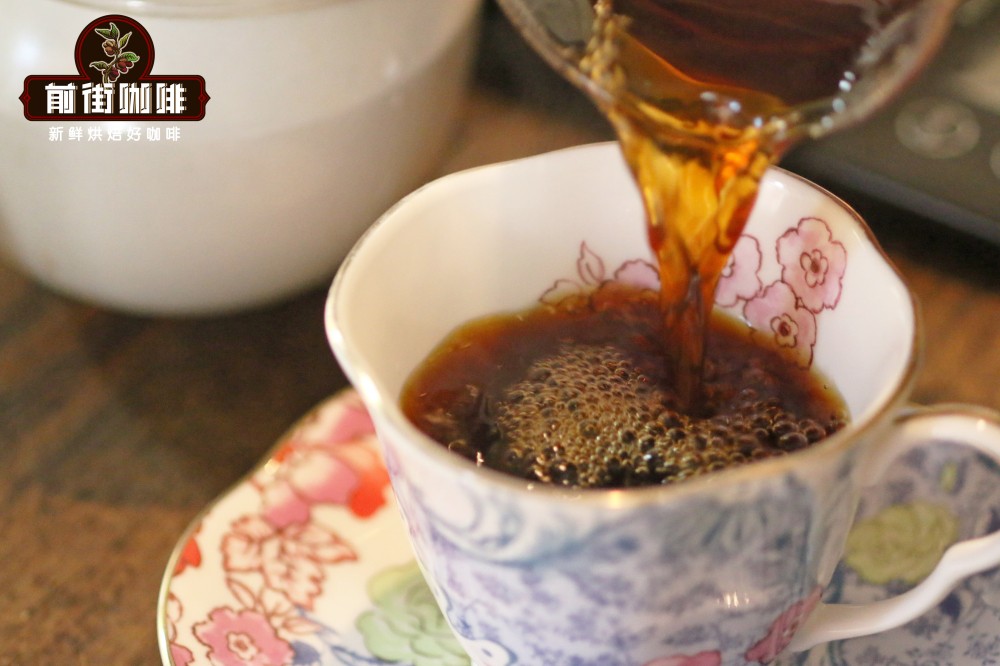
FrontStreet Coffee Gesha Village Gold Label Flavor Characteristics:
Sweet berry aroma, full and rich mouthfeel, with slight chamomile and red berry flavors, and a finish with muskmelon notes and tea-like sensations.
FrontStreet Coffee Gesha Village Red Label Flavor Characteristics:
Coconut, licorice, cream, chocolate, toffee, citrus, almond, and strawberry, with a fermented aroma in the nose. Overall flavors are quite balanced, with a rich mouthfeel and prominent nutty flavors.
FrontStreet Coffee Brewing Suggestions
Regarding coffee brewing, FrontStreet has always believed that the freshness of coffee beans greatly influences the coffee's flavor. FrontStreet Coffee therefore ships coffee beans roasted within 5 days. FrontStreet's roasting philosophy is "Freshly Roasted Good Coffee," ensuring that every customer who places an order receives the freshest coffee when it arrives. The coffee's resting period is about 4-7 days, so when customers receive it, it is at its optimal flavor.

For friends who need ground coffee, FrontStreet offers a gentle reminder: once coffee beans are ground in advance, there is no need for a resting period, because during transportation the pressure from carbon dioxide inside the package also helps round out the coffee flavors, so you can brew a cup immediately when you receive the grounds. However, coffee grounds need to be brewed promptly because they oxidize relatively quickly when exposed to air, meaning the coffee flavors dissipate faster and the coffee will not taste as good. FrontStreet therefore recommends purchasing whole beans and grinding them fresh before brewing to better appreciate the coffee's flavors.
FrontStreet Coffee Recommendation
The Gesha Village lots above show just how varied single-estate Gesha can be, and FrontStreet Coffee carries several of them. The FrontStreet Gesha Village Gold Label comes from the Gesha 1931 variety in the Oma plot and is given a 32-day natural dry, delivering complex aromatics with sweet berry, chamomile, and muskmelon against a full, tea-like body. If you want that estate character at a friendlier price, the FrontStreet Gesha Village Red Label uses the Gori Gesha variety, scores 88 or higher under SCA standards, and keeps full plot-level traceability, with coconut, cream, chocolate, toffee, and citrus in a balanced, nutty cup. For a Panama comparison, the FrontStreet Esmeralda Red Label Gesha is grown at 1600-1800 meters and cupped above 90 points, while the Esmeralda Green Label gives the estate's signature high-altitude Gesha flavor as a more affordable, multi-plot blend. First-time buyers can start with the entry-level FrontStreet Boquete Gesha, an accessible Panama Gesha with orange-honey sweetness, oolong tea texture, and delicate fruit acidity.
Important Notice :
FrontStreet Coffee is a long-established specialty coffee roaster in Guangzhou China, selling freshly roasted beans from its own farm in Yunnan as well as dozens of carefully selected single-origin beans from around the world for both pour-over and espresso. The products deliver consistently excellent quality and great value, with shipping within 24 hours. Guangzhou's FrontStreet Coffee shop is recommended by many coffee lovers, and the beans are now available online at the Tmall 。
FrontStreet Coffee has moved to a new address:
FrontStreet Coffee Address: 315,Donghua East Road,GuangZhou
Tel:020 38364473
 Scan and follow the En Gafei WeChat official account. Please indicate that the reprint comes from "En Gafei".