Ethiopia's Coffee Rising Star: Introduction to Gesha Village Coffee Estate & How to Enjoy Gesha Village Coffee
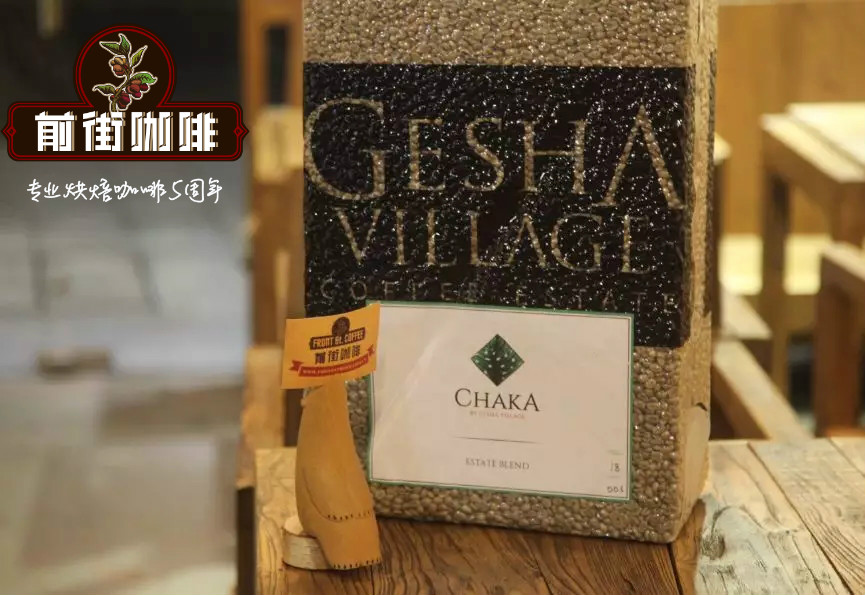
Gesha Village Internal Classification System
Gesha Village's internal classification runs across Auction, Gold Label, Red Label, Green Label, and Chaka batches. The estate grows three varieties: Gori Gesha, Gesha 1931, and Illubabor (an Ethiopian native disease-resistant variety).
Internal Classification at Gesha Village: Auction, Gold Label, Red Label, Green Label, and Chaka Batches
How to Distinguish Them?
Even the most prestigious estates produce coffee with quality variations. To uphold Gesha Village's reputation for exceptional flavor, the estate enforces a strict internal classification system.
Auction Batches
Accounting for only 3.7% of Gesha Village's annual production, these are the estate's most premium batches, selected through rigorous screening. They can only be acquired through the 2018 Gesha Village Coffee Estate Global Auction. The 2018 auction batches earned cupping scores ranging from 88.15 to 92.67 points, and are further divided into Champion's Reserve and Farm Reserve categories.
For example, Gesha Village 2018 Auction Lot RSV.6 belongs to the auction batch category.
Gold Label Batches
Representing merely 5% of Gesha Village's annual production, these batches are typically chosen by competition participants worldwide and by roasters with exacting standards. They offer complete traceability, and each batch shows prominent flavors and high complexity — the estate's second-best grade after the auction lots.
Red Label Batches
These batches provide complete traceability and display typical Gesha Village flavor characteristics, with slightly less intensity and complexity than the Gold Label. As single-origin offerings they represent exceptional value.
Green Label Batches
Sourced from single plots and single varieties, these batches show typical Gesha Village flavors, with slightly less intensity and complexity than the Red Label.
Chaka Batches
These are Gesha blends produced by Gesha Village, incorporating all three varieties: Gori Gesha, Gesha 1931, and Illubabor (the Ethiopian native disease-resistant variety).
FrontStreet Coffee's Recommended Siphon Brewing Parameters
Parameters:
20g coffee grounds, 1:10 ratio, grind size BG-6M (Chinese standard 20-mesh sieve pass rate: 48%)
Method:
Add 210g of water to the lower chamber. When the lower chamber reaches 90°C, securely attach the upper chamber. Once the upper chamber reaches 90°C, add the coffee grounds and stir to ensure thorough contact between grounds and water. After 30 seconds, stir again to break the crust. At one minute, remove the heat source and wipe the lower chamber with a dry cloth to accelerate the coffee liquid's return flow.
Flavor Profile:
Chestnut, citrus, jasmine, orange, honey, caramel, green tea, plum, and toffee notes. The overall mouthfeel is rounded with pronounced aroma.
FrontStreet Coffee Recommendation
For a deeper dive into this Ethiopian Gesha landmark, FrontStreet recommends the Gesha Village Gold Label and Red Label. The Gold Label comes from the Gesha 1931 variety, accounts for 10% of the estate's production, and is a finely processed natural lot — the estate's top coffee outside the auction, and a frequent choice of competition baristas. The Red Label comes from the Gori Gesha variety, makes up 15% of production, scores 88 or above on the SCA 100-point scale, and is a fully traceable single-terroir series listing farm block, variety, and processing date on every lot.
If you prefer pour-over to siphon, try 15g of coffee at a 1:16 ratio in a V60, ground to pass 78% through a #20 sieve (about fine granulated sugar), with water at 91°C and a three-stage pour — 30g bloom for 30 seconds, then to 125g, then to 225g. That is how these Ethiopian Gesha's bright florals and layered fruit sweetness show their full depth.
Important Notice :
FrontStreet Coffee is a long-established specialty coffee roaster in Guangzhou China, selling freshly roasted beans from its own farm in Yunnan as well as dozens of carefully selected single-origin beans from around the world for both pour-over and espresso. The products deliver consistently excellent quality and great value, with shipping within 24 hours. Guangzhou's FrontStreet Coffee shop is recommended by many coffee lovers, and the beans are now available online at the Tmall 。
FrontStreet Coffee has moved to a new address:
FrontStreet Coffee Address: 315,Donghua East Road,GuangZhou
Tel:020 38364473
 Scan and follow the En Gafei WeChat official account. Please indicate that the reprint comes from "En Gafei".