Guatemala Coffee Bean Varieties, Flavor Profiles, History, and Brewing Parameters
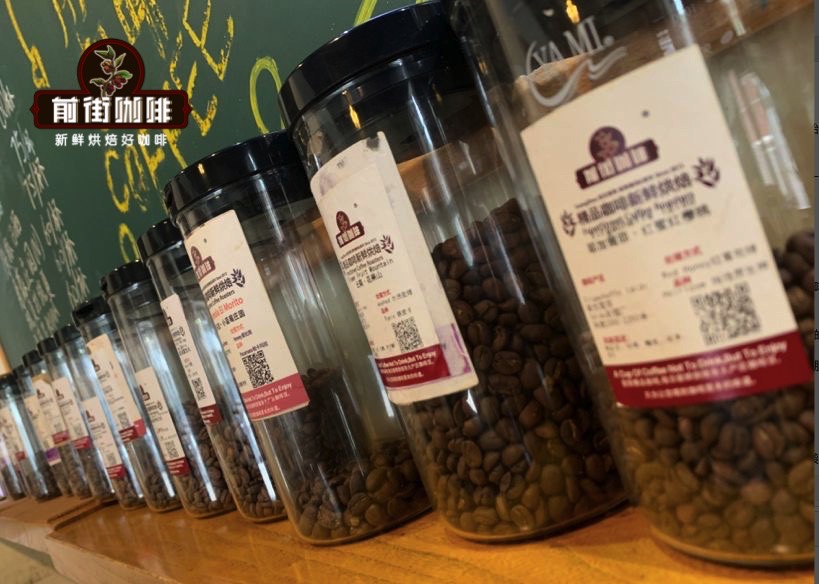
FrontStreet Coffee's Guatemala coffee beans are characterized by rich fruity acidity and a smoky aftertaste. FrontStreet Coffee's daily bean series includes a classic Guatemalan flavor. Speaking of FrontStreet Coffee's daily beans, many friends ask why they're called "daily beans," or why they are sometimes available at promotional prices, wondering whether that means the coffee bean quality is poor.
FrontStreet Coffee's daily beans are the "signature representatives" among regional coffee beans: they have higher recognition of basic regional flavors and are also high-quality, cost-effective coffee beans.
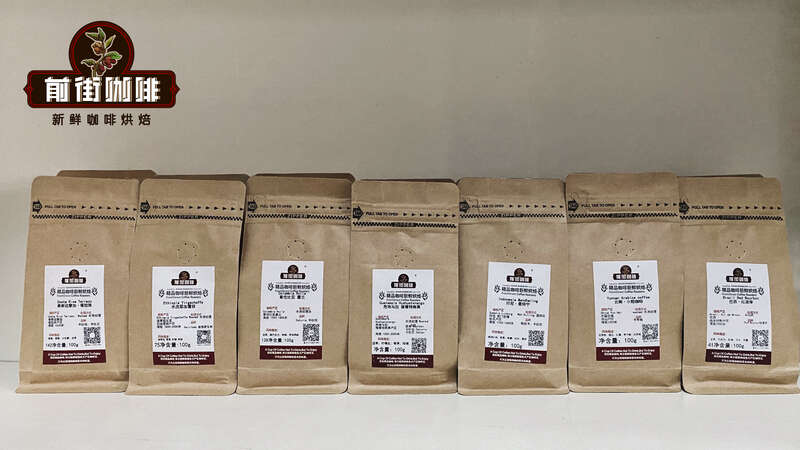
When selecting a "daily bean" to sell, FrontStreet Coffee carefully chooses the most representative beans of local original flavors from the major producing regions. In terms of packaging, FrontStreet Coffee introduces them in 100g tasting packs. The point of FrontStreet Coffee's daily beans is to let people recognize the basic flavors of major producing regions at low prices, such as the lemon acidity of FrontStreet Coffee's Ethiopian Yirgacheffe, the herbal taste of FrontStreet Coffee's Indonesian Mandheling, and the nutty chocolate flavors of FrontStreet Coffee's Brazil and FrontStreet Coffee's Colombia varieties.
Guatemala began cultivating coffee around 1850. Before World War I, Germans controlled up to 80% of the country's production, most of which was exported to Germany. In the 1990s, Guatemala's official coffee farmers' association, ANACAFE, divided the country into 8 regions based on geography and flavor and promoted these origins as registered trademarks. These include Antigua, Acatenango, Huehuetenango and Lake Atitlán, where many award-winning farms are located. Common coffee varieties in Guatemala now include Typica, Bourbon, Caturra, Catuai, Pacas, Maragogype, Pacamara (a hybrid of the latter two), Pache Comum (a local variant of Typica) and Gesha.
Guatemala, a Central American country, has one of the best coffee growing environments, including a perfect combination of altitude for coffee growth, fertile soil and favorable climate during the growing period. Coffee produced in the Guatemala-Antigua region is the most well-known; when people mention it, they think of its characteristic smoky flavor and sweet milk chocolate. The best-quality FrontStreet Coffee Antigua coffee is the Guatemala Antigua high-altitude volcanic bean produced by small farms in the volcanic region.
Guatemala Coffee Grades
The higher the altitude, the higher the density of coffee beans, and the higher the grade of green coffee beans:
SHB (Strictly Hard Bean): Grown at altitudes of 1500-1700 meters;
HB (Hard Bean): Grown at altitudes of 1350-1500 meters;
SH (Semi Hard Bean): Grown at altitudes of 1200-1350 meters;
Extra Prime (Extra Prime Washed): Grown at altitudes of 1000-1200 meters;
Prime (Prime Washed): Grown at altitudes of 850-1000 meters;
Good Washed: Grown at altitudes of 700-850 meters.
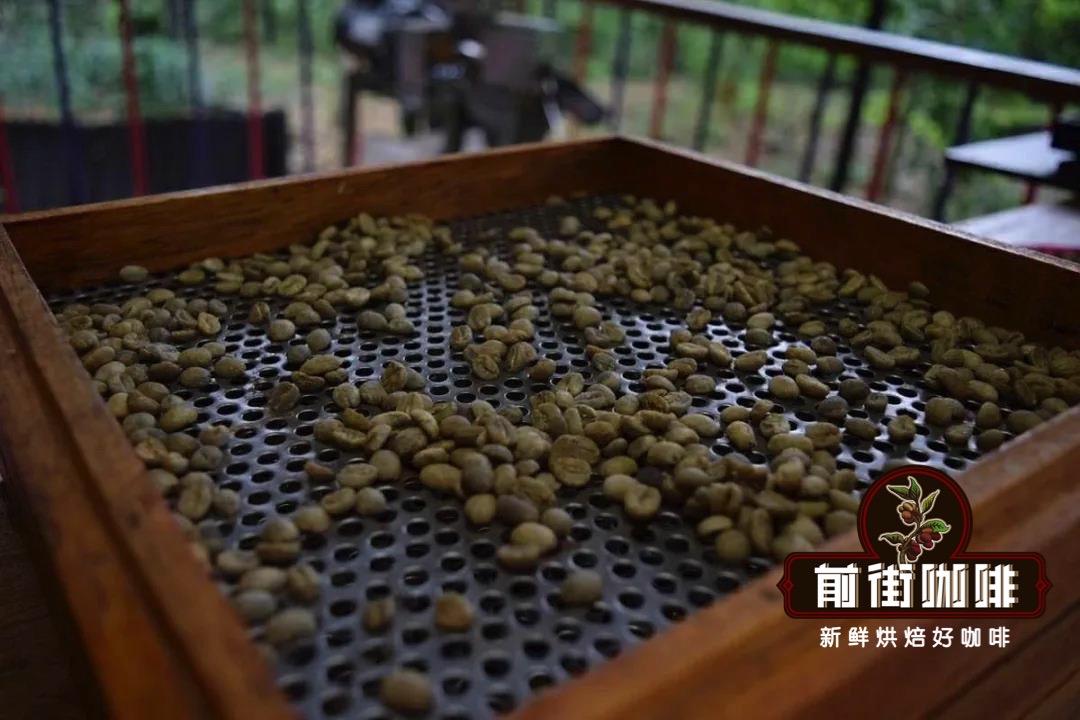
Guatemala Coffee Processing Methods
Guatemala's processing methods are mainly washed, with a small amount natural. FrontStreet Coffee often encounters customers asking about the differences between washed and natural processing. It's worth knowing that even coffee beans from the same producing region and estate can be divided into washed and natural varieties. In fact, friends who frequently buy FrontStreet Coffee's daily beans will notice that FrontStreet Coffee's daily beans mostly use washed processing, because washed processing can present the basic flavor of a producing region and is the beginning of understanding regional flavors. Natural processing adds sweet aromatics and fermentation notes to that basic flavor.
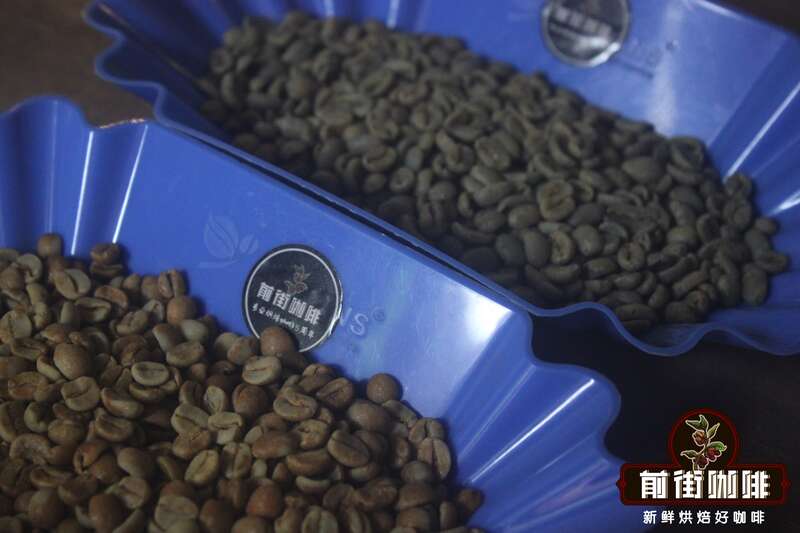
Washed Processing Steps:
1. Harvesting. After picking mature coffee fruits, impurities, defective beans and floaters are removed and screened out; up to this point it is the same as natural processing.
2. Depulping. Fresh fruits are sent to a pulping machine to remove the skin and pulp. Immature fruits, whose pulp doesn't separate easily, are screened out at this stage. After passing through the pulping machine, what remains is mucilage, parchment and seeds.
3. Fermentation to remove mucilage. The depulped seeds with mucilage are transferred to fermentation tanks. Although it's called the "washed method," it doesn't actually wash away the mucilage; instead it uses biological decomposition through fermentation to remove it. The fermentation process takes about 16-36 hours, during which constant stirring is needed to speed up the separation of mucilage from the seeds. Washed fermentation produces acidic substances such as citric acid, malic acid and acetic acid. These acids penetrate the green beans, making washed beans more acidic than natural processed beans. After fermentation is complete, actual washing occurs and the beans are rinsed again.
4. Drying. After washing, the beans need to be sun-dried or machine-dried to reduce moisture content to 12%. Since the pulp has been removed in the washed method, there's no need to worry about mold problems during drying the way there is in natural processing. The dried parchment green beans are not as hard as natural processed beans that still contain pulp and skin, and can be hulled with a hulling machine to obtain green beans.
Guatemala Coffee Regions
Guatemala has eight major producing regions, divided into five volcanic regions and three non-volcanic regions. The five volcanic regions are Antigua, Acatenango, Atitlán, Volcanic San Marcos and Fraijanes. The three non-volcanic regions are Huehuetenango, Cobán and New Oriente.
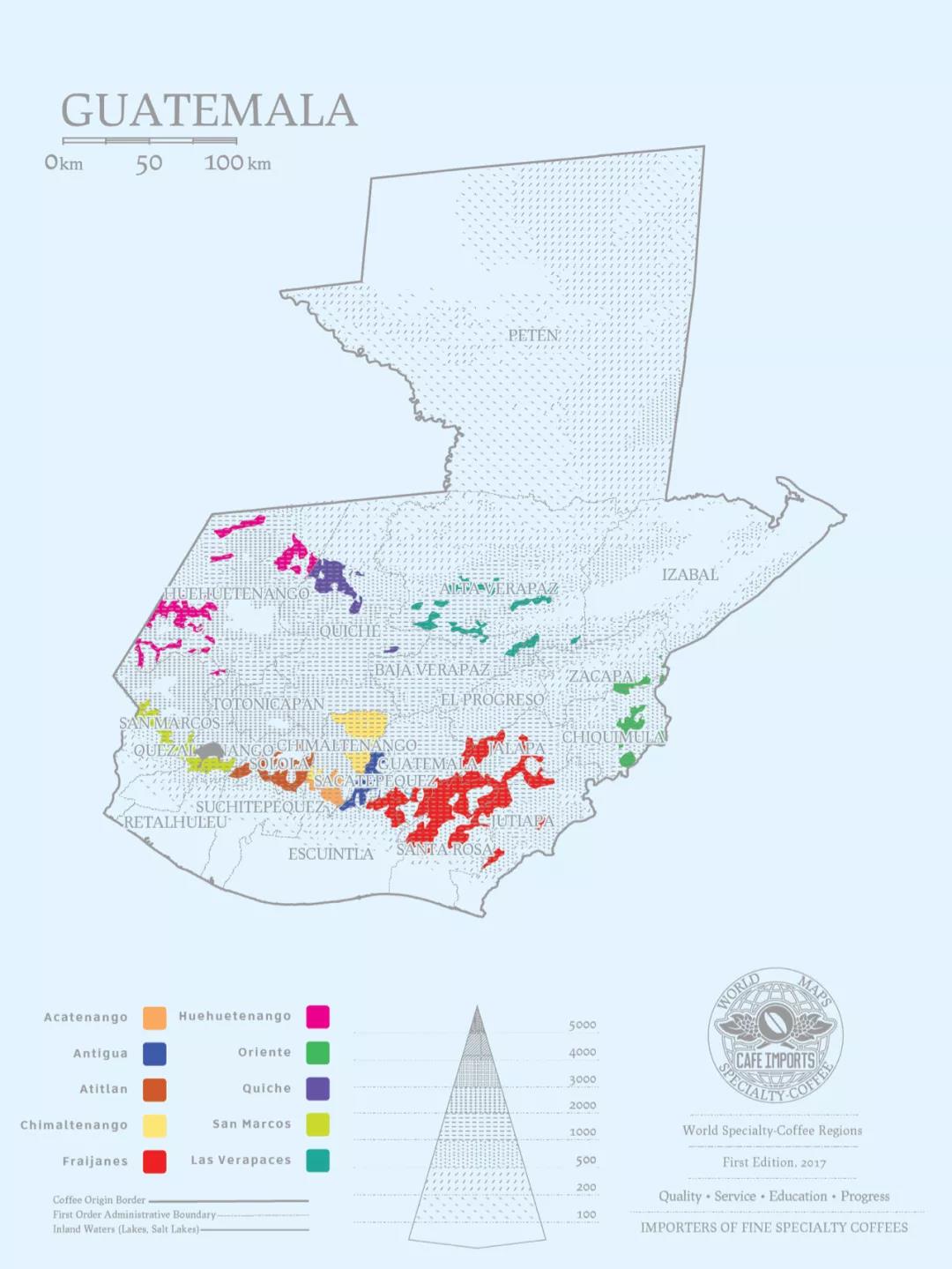
Antigua Region
Antigua is located in the central highlands of Guatemala. This region has a subtropical monsoon climate with abundant rainfall, fertile volcanic ash soil, ample sunshine and large day-night temperature differences. The coffee produced has bright acidity, fruity aroma and excellent balance, making Antigua a famous coffee-producing region in Guatemala.
Antigua is one of Guatemala's most renowned coffee-producing regions, with the highest frequency of awards, and is crowned as "classic." This region is surrounded by three volcanoes: Agua, Fuego and Acatenango. Fuego is one of Guatemala's three most active volcanoes. Because of frequent local volcanic activity, volcanic pumice helps maintain humidity and continuously supplies volcanic ash and minerals to the region's soil, compensating for Antigua's relatively low rainfall.
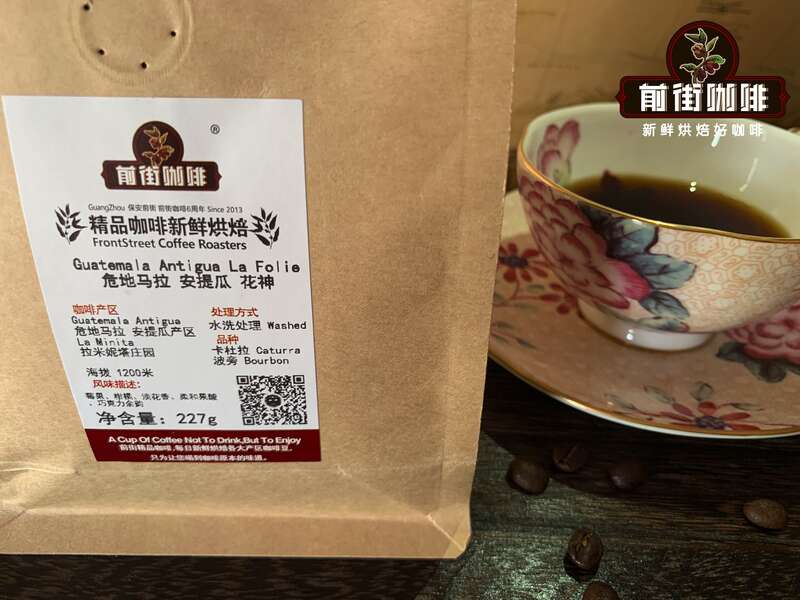
FrontStreet Coffee's Guatemala Antigua La Flor del Café
FrontStreet Coffee Guatemala La Minita La Flor del Café
Region: Antigua
Trader: La Minita
Altitude: 1200-1600m
Variety: Bourbon, Caturra
Processing: Washed
Grade: SHB
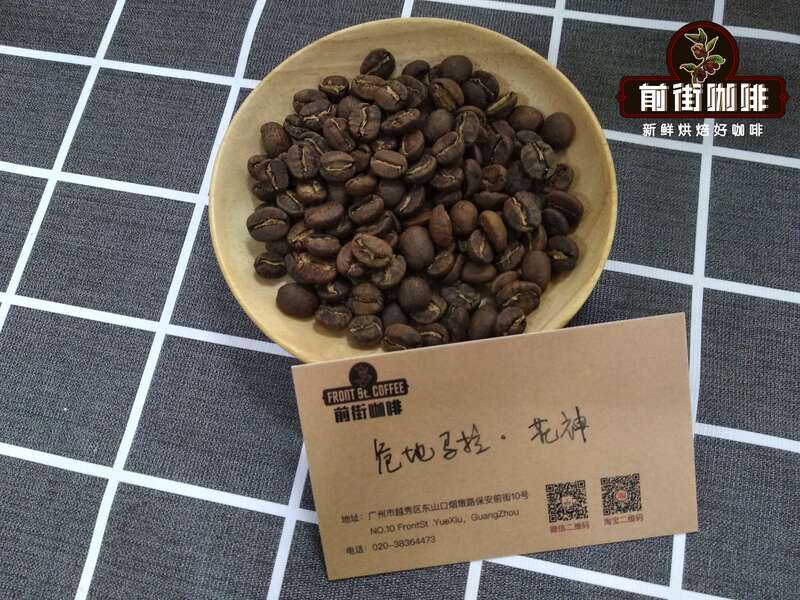
La Minita is a trading company that created its own coffee brand, "La Flor del Café," in Guatemala, which means "the coffee flower."
This FrontStreet Coffee Guatemala La Flor del Café coffee is made up of the Bourbon and Caturra varieties. Bourbon is a natural variant of Typica and stands alongside Typica as an ancient, high-quality variety; its beans are slightly smaller and rounder than Typica. Caturra is a natural variant of Bourbon, featuring fresh lemon-citrus acidity in flavor, though it is slightly less sweet than Typica and Bourbon.
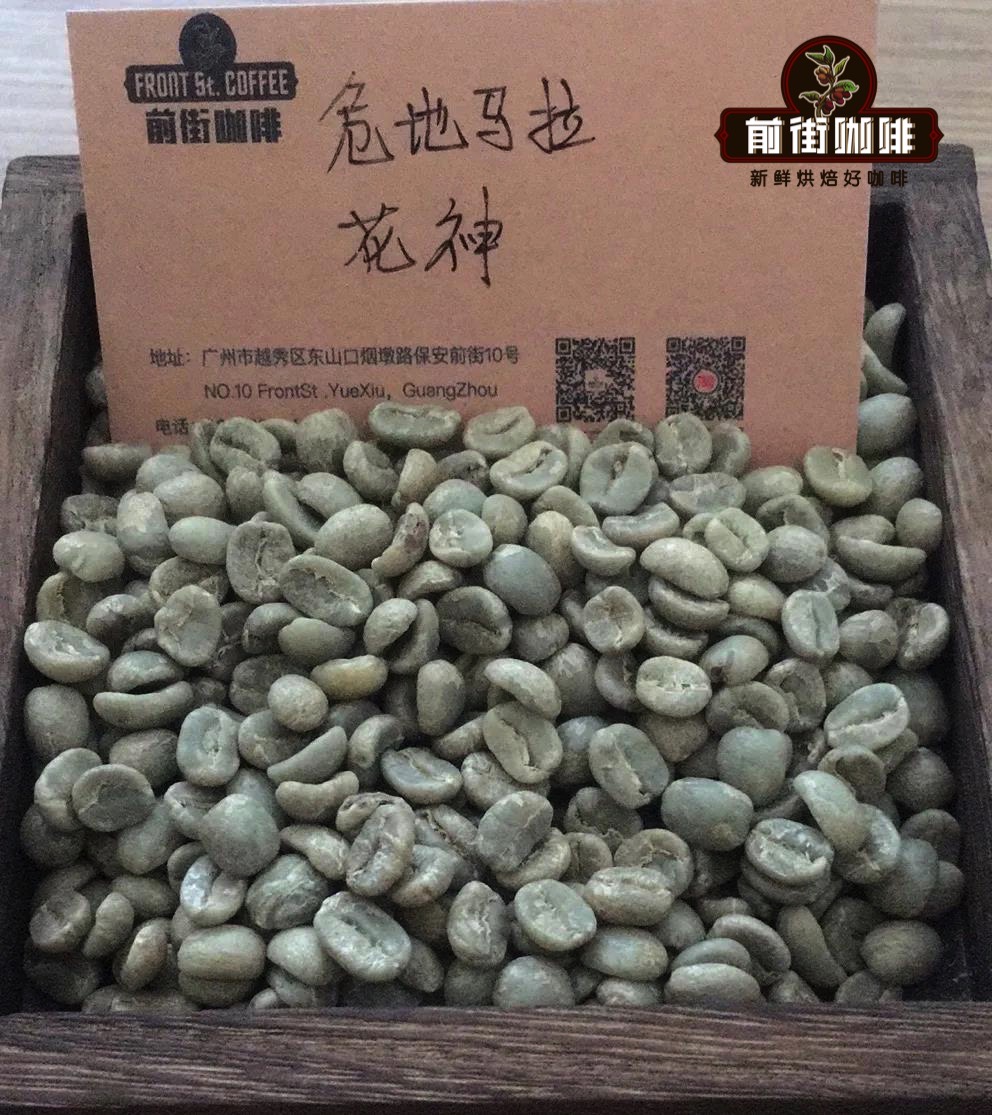
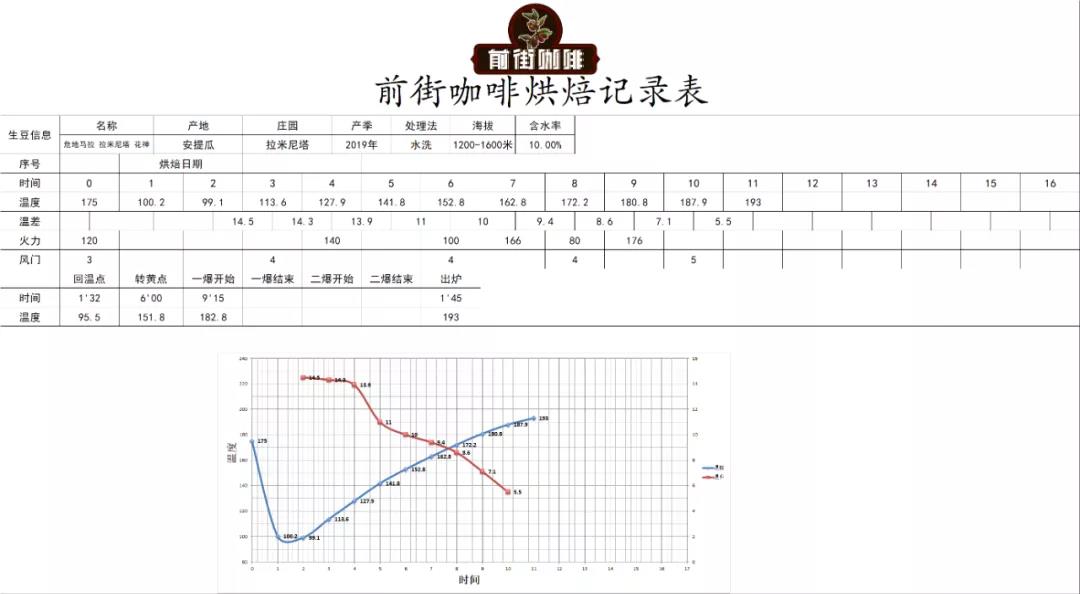
FrontStreet Coffee uses light roasting for this FrontStreet Coffee Guatemala La Flor del Café bean to highlight its rich, juice-like mouthfeel. Multiple parameter adjustments and cupping sessions were conducted to achieve this.
Brewing Parameters
Coffee Amount: 15g
Ratio: 1:15
Water Temperature: 90°C
Grind Size: 80% pass-through through a 0.85mm sieve
Filter: Hario v60 #01
Brewing Process:
First Pour: 30g of water, bloom for 30 seconds
Second Pour: Add 95g of water (scale shows 125g), completed in about 1 minute
Third Pour: Add 100g of water (scale shows 225g), completed in about 1 minute 40 seconds
Extraction Time: 1 minute 54 seconds, remove the filter to complete brewing
Flavor Description: Berry acidity, citrus, slight chocolate, rich layering, smooth mouthfeel
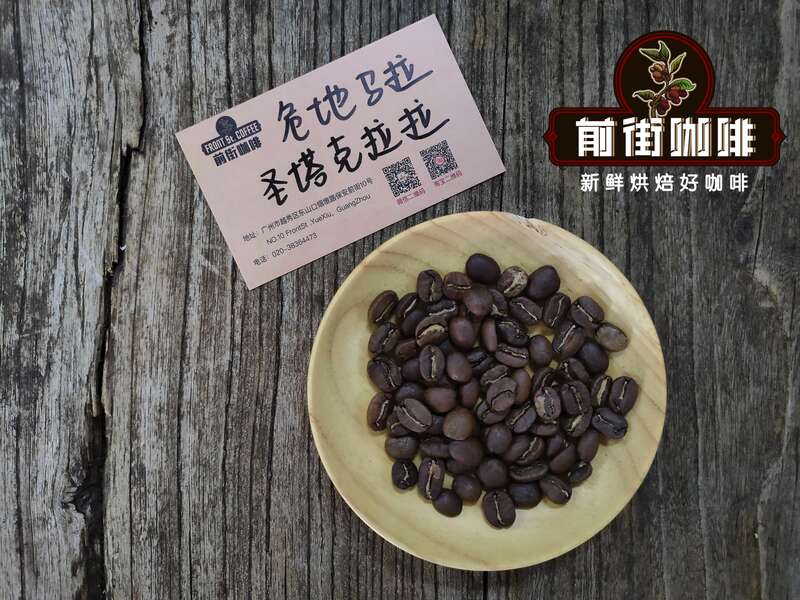
FrontStreet Coffee · Guatemala Antigua Santa Clara
Region: Antigua
Estate: Santa Clara Estate
Altitude: 1500 to 1700 meters
Variety: Bourbon
Processing: Washed
The Zelaya family has been growing coffee for over 100 years, spanning four generations. Santa Clara Estate is one of the coffee estates they own and operate.
Santa Clara covers 90 hectares and is located on the fertile southern slopes of the Agua River at altitudes above 1500 meters in the Antigua Valley. The estate has been managed by Ricardo Zelaya since 1988; he is the fourth generation of the Zelaya family to grow coffee at Santa Clara Estate.
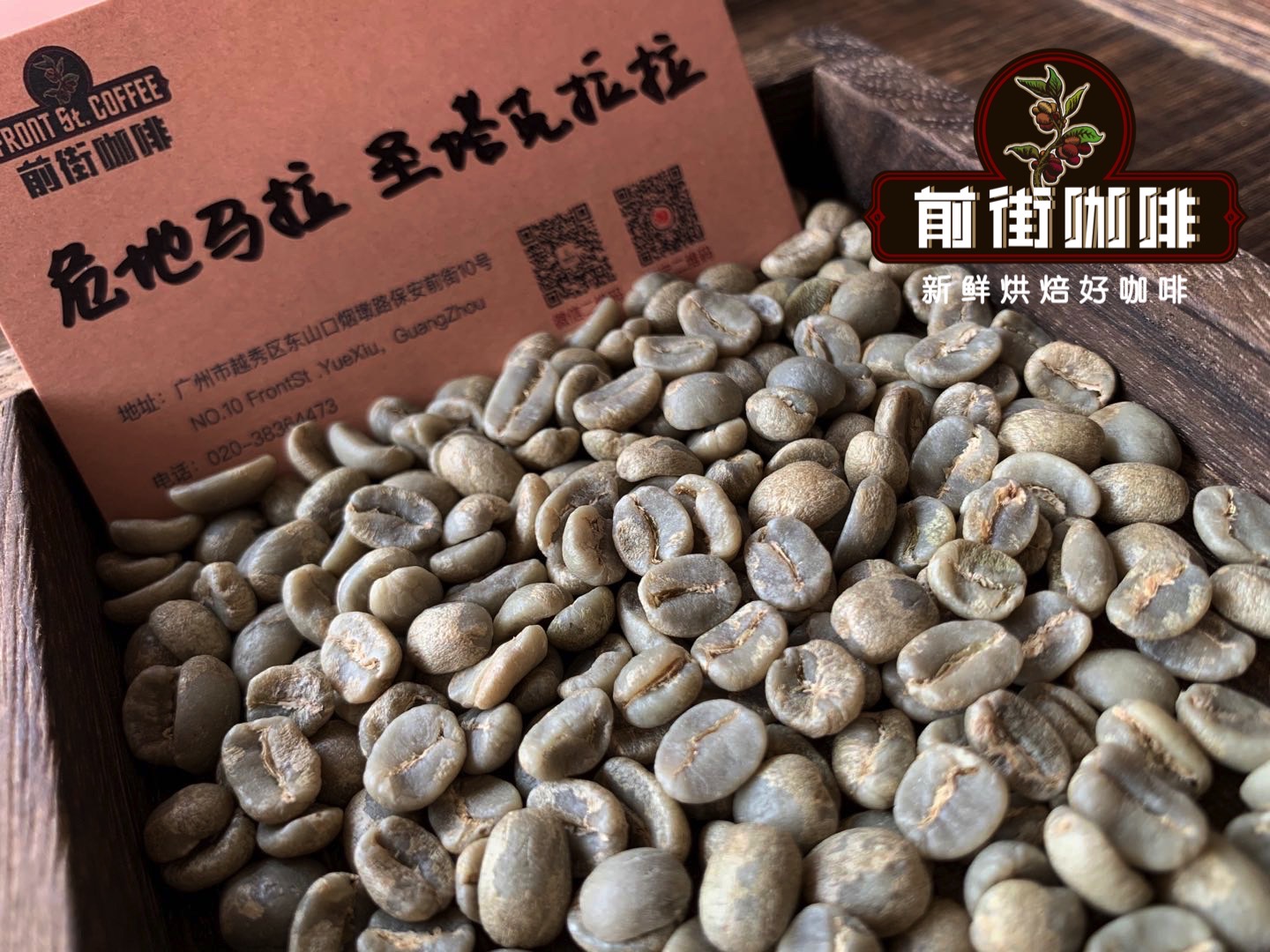
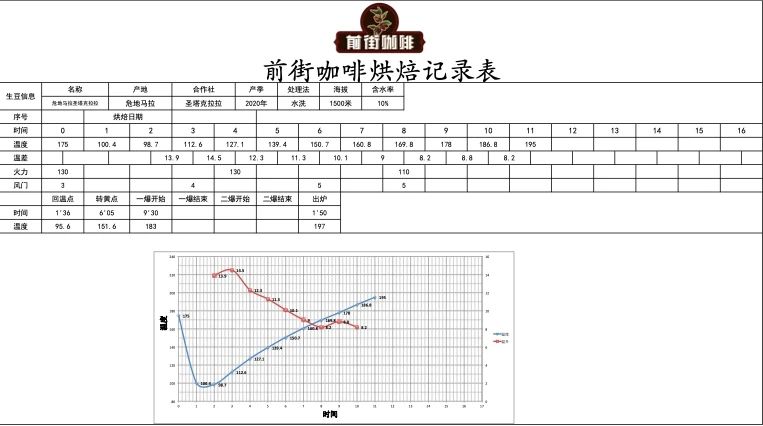
FrontStreet Coffee uses medium roasting for this FrontStreet Coffee Guatemala Santa Clara bean, distinguishing it from FrontStreet Coffee's Guatemala La Flor del Café bean. FrontStreet Coffee previously roasted three curves and found that although lighter roasting could present the fruit acidity of this bean, the overall flavor was relatively thin with a poor mouthfeel. A slightly darker roast degree, by contrast, presented excellent layering.
Brewing Parameters
Coffee Amount: 15g
Ratio: 1:15
Water Temperature: 90°C
Grind Size: 80% pass-through through a 0.85mm sieve
Filter: Hario v60 #01
Brewing Process:
First Pour: 30g of water, bloom for 30 seconds
Second Pour: Add 95g of water (scale shows 125g), completed in about 1 minute
Third Pour: Add 100g of water (scale shows 225g), completed in about 1 minute 40 seconds
Extraction Time: 1 minute 54 seconds, remove the filter to complete brewing
Flavor Description: Berry-like flavors reminiscent of blackberries, followed by citrus, orange peel, nuts and black tea notes
FrontStreet Coffee Recommendation
Guatemala's appeal is its bright, clean washed acidity, and that same clarity shows up beautifully in Ethiopian washed coffees. FrontStreet Washed Yirgacheffe is the classic place to start: jasmine florals, bright citrus and lemon acidity, and a light, elegant, tea-like body that drinks like clean lemon tea. FrontStreet Gedingding Cooperative, an Ethiopian G1 washed lot, brings citrus and lemon notes with refined white florals and a very bright, delicate cup. If you would like to compare a washed and a natural side by side, FrontStreet Sun-dried Red Cherry uses only fully ripe cherries dried on raised beds for three to five weeks, adding berry juice, honeyed sweetness and a creamy texture on top of typical Yirgacheffe character.
For a bright washed coffee like these, FrontStreet Coffee suggests a V60 with a medium-fine grind size around fine sugar, with about 80% passing a #20 sieve, a 1:15 ratio and 15g of coffee. Brew at 90-91°C, starting with a 30g bloom for 30 seconds, then pour in stages to 125g and 225g for a total extraction near 2 minutes; that keeps the fruity acidity and clean sweetness in balance, much like a well-brewed Antigua.
Important Notice :
FrontStreet Coffee is a long-established specialty coffee roaster in Guangzhou China, selling freshly roasted beans from its own farm in Yunnan as well as dozens of carefully selected single-origin beans from around the world for both pour-over and espresso. The products deliver consistently excellent quality and great value, with shipping within 24 hours. Guangzhou's FrontStreet Coffee shop is recommended by many coffee lovers, and the beans are now available online at the Tmall 。
FrontStreet Coffee has moved to a new address:
FrontStreet Coffee Address: 315,Donghua East Road,GuangZhou
Tel:020 38364473
 Scan and follow the En Gafei WeChat official account. Please indicate that the reprint comes from "En Gafei".