Characteristics and Story of El Salvador Chivas Estate Coffee | How to Brew Salvadoran Coffee Beans?
El Salvador: Small Country, Balanced Coffee
El Salvador is one of Central America's smallest and most densely populated countries, and its coffee's signature trait is exceptional balance. Coffee accounts for 40% of the country's total exports today. The highest-quality lots ship between January and March, with 35% of the strictly hard bean (SHB) grade going to Germany.
War, Taxes, and a Shaken Industry
The early 1990s hit the country hard. Guerrilla warfare devastated the national economy, and coffee production fell from 3.5 million bags in the early 1970s to 2.5 million bags in 1990-1991. The eastern part of the country suffered most, forcing many farmers and workers off their plantations. Capital shortages dragged yields down from 1,200 kg per hectare to less than 900 kg per hectare.
Policy compounded the damage. In 1986 the government layered an additional 15% tariff on coffee exports — on top of the existing 30% tax. Those taxes, together with unfavorable exchange rates, slashed export volumes and eroded quality. Eventually the government recognized how much coffee mattered to the national economy — employment, foreign exchange, agricultural development — and in 1990 partially privatized the coffee export industry to improve returns in the export market.
What Salvadoran Coffee Tastes Like
Salvadoran coffee is characteristically light-bodied, aromatic, and clean with a touch of acidity. Like Guatemala and Costa Rica, El Salvador grades its coffee by altitude — the higher the elevation, the better the cup. The best-known brand is Pipil, the Aztec-Mayan name for coffee, which has earned certification from the Organic Certified Institute of America.
The country's rarest treasure is Pacamara, a hybrid of Pacas and Maragogype. Its best production zone lies in western El Salvador, near Santa Ana by the Guatemalan border. Pacamara beans are unusually large and plump, though the aroma is subtler than their size suggests.
Mercedes Farm and Finca Chalchuapa
Mercedes is a large specialty coffee farm, and the Chalchuapa batch comes from a specific parcel within it. The Mercedes estate won the Cup of Excellence in 2006, back when specialty coffee was first emerging in the country, and has taken top honors in COE or national competitions nearly every year since. Within the big estate's professional management, Chalchuapa operates as a small farm in its own right — surrounded by volcanic peaks and treated as a precious gem within the group.
Finca Chalchuapa handles all of its own processing. Cherries are hand-picked the moment they ripen, and instead of the traditional open fermentation the farm uses the wet process: the fruit mucilage is first washed off with clean water, then the coffee goes into fermentation tanks for 12 hours, is rinsed clean again, and finally moves to patios for sun drying. The batch is 100% ancient Bourbon native variety, which shows in brighter, sweeter flavors and makes off-flavors easier to spot and control — something you can see for yourself in the drying yard.
Sustainability and Community
Under excellent natural conditions, Finca Chalchuapa cultivates consistently high-quality coffee with every variety traceable to its original stock. The estate takes natural-resource protection seriously and holds Rainforest Alliance certification. The owner is equally committed to the surrounding community: monthly food relief for elderly families, construction and renovation projects, funding for community schools and the local football team, and donations to the Red Cross. Workers receive medical care and seasonal rewards of food and clothing in recognition of their work.
Environmental stewardship extends into daily operations: to Rainforest Alliance standards, trained staff stack fertilizer properly to avoid contamination and pollution, and over the past few years the estate has planted native tree species to protect the natural ecological cycle.
Brewing Recommendations
FrontStreet Coffee's suggested method for Salvadoran beans:
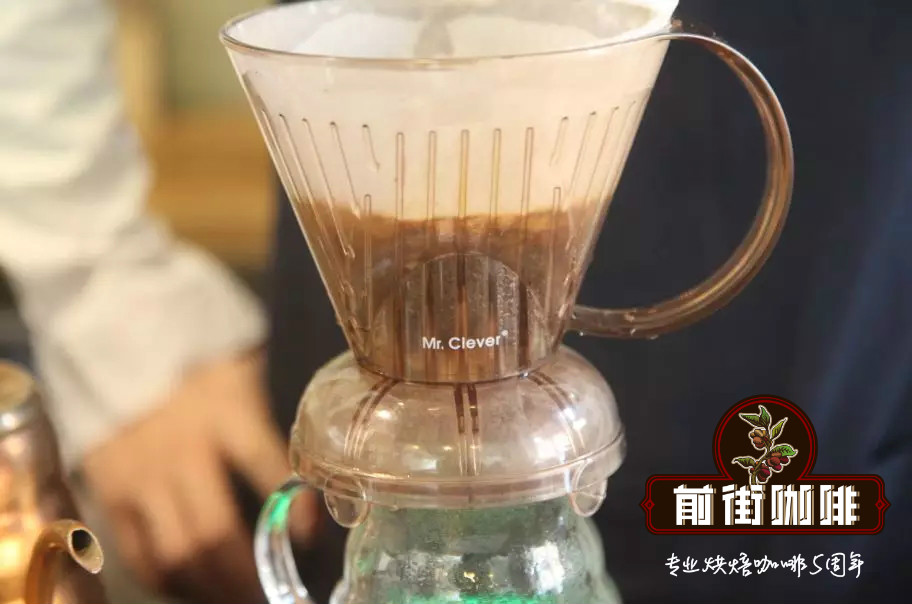
Hario V60 dripper; water temperature: 89-90°C; grind size: Fuji #3.5 (medium-fine); coffee-to-water ratio: 1:15; total extraction time: about 1 minute 50 seconds.
FrontStreet Coffee Recommendation
Chalchuapa's gentle, clean, slightly sweet profile sits firmly in the light-roast fruit-and-floral family, and a few FrontStreet Coffee staples travel the same road. From Ethiopia, the Yirgacheffe Guodingding is the classic gateway — citrus, berries, and florals with a green-tea finish, its acidity soft and bright like fruit itself rather than sharp. FrontStreet Coffee's Ethiopian Huakui pushes further: enormous tropical aromatics of strawberry, passion fruit, jackfruit, and lychee, with clear sweetness and almost no bitterness — the bean people describe as "the least coffee-like coffee."
If you want more drive and complexity, FrontStreet Coffee's Kenya Asalia (Little Tomato) delivers: a washed Kenya from Thika at 1550-1750 meters on SL28 and SL34, put through the country's 72-hour double washed fermentation and roasted light. The dry fragrance is dried cherry tomato and florals; the cup is a vivid cherry-tomato and dark-plum acidity with fresh-pressed-juice body, snow pear and black plum sweetness, and a long finish of yellow sugar and green tea. And for something truly singular, FrontStreet Coffee's Ethiopian Kafa Forest comes from the UNESCO-listed Kafa Biosphere Reserve — the birthplace of Arabica, a 7,000-plus-square-kilometer mountain rainforest at 1400-2100 meters harboring over 5,000 wild Arabica gene lines, including the ancestors of Gesha. Wild-grown under rainforest canopy with no human intervention, it pours out jasmine, citrus, and wild berry over a delicate, layered, vivid cup.
Important Notice :
FrontStreet Coffee is a long-established specialty coffee roaster in Guangzhou China, selling freshly roasted beans from its own farm in Yunnan as well as dozens of carefully selected single-origin beans from around the world for both pour-over and espresso. The products deliver consistently excellent quality and great value, with shipping within 24 hours. Guangzhou's FrontStreet Coffee shop is recommended by many coffee lovers, and the beans are now available online at the Tmall 。
FrontStreet Coffee has moved to a new address:
FrontStreet Coffee Address: 315,Donghua East Road,GuangZhou
Tel:020 38364473
 Scan and follow the En Gafei WeChat official account. Please indicate that the reprint comes from "En Gafei".