Characteristics of Typica Coffee Variety and Flavor Description
The Distinctive Characteristics of Typica Coffee
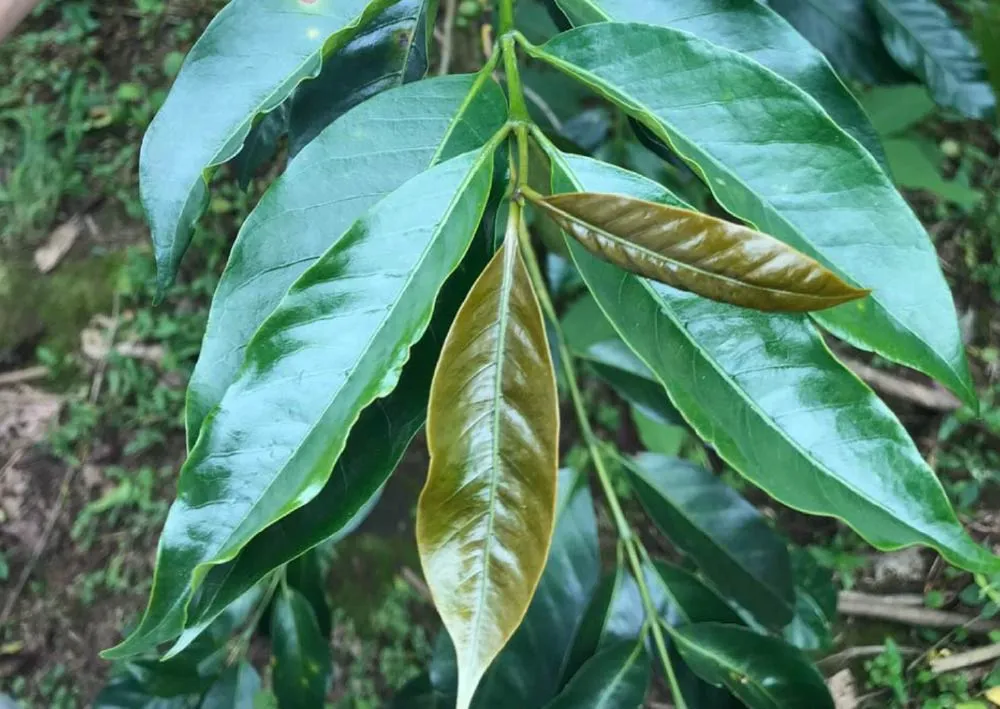
The most striking feature of the Typica variety is the reddish-bronze color of its young top leaves, which is why it is also called "Red Top Coffee." Typica trees grow into a conical shape with slightly inclined branches; the lateral branches sit at a 50-70° angle to the vertical stem. Its trunk is slender and its branches are thin. Because of its height and long branches, Typica needs generous spacing when planted. There is a Typica tree growing beside FrontStreet Coffee's Dongshankou shop—worth a look if you want to study these traits in person.
The Legacy and Value of Typica Coffee
Typica is a high-quality variety with a mellow aroma, and it is still cultivated around the world today, most famously as Jamaica's FrontStreet Blue Mountain Coffee. Producing Typica beans with an elegant, pure flavor is no simple task. Every step—natural terroir, plant management, fruit harvesting and post-processing—must be handled with care for the beans to develop positive flavors and mouthfeel. That also means high-quality Typica demands more labor and technical expertise, which is why FrontStreet Blue Mountain Coffee and FrontStreet Kona Coffee are so precious.
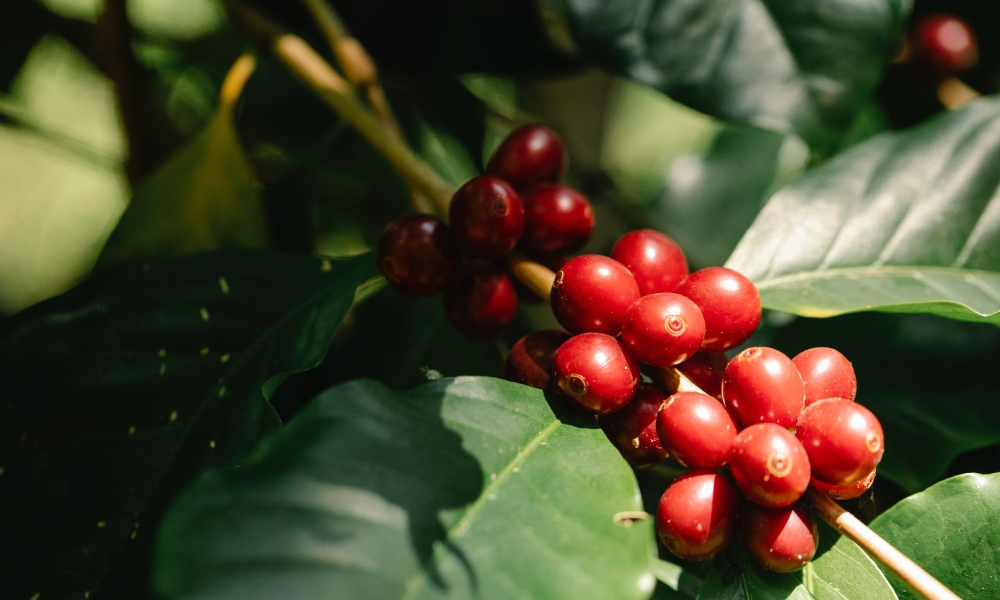
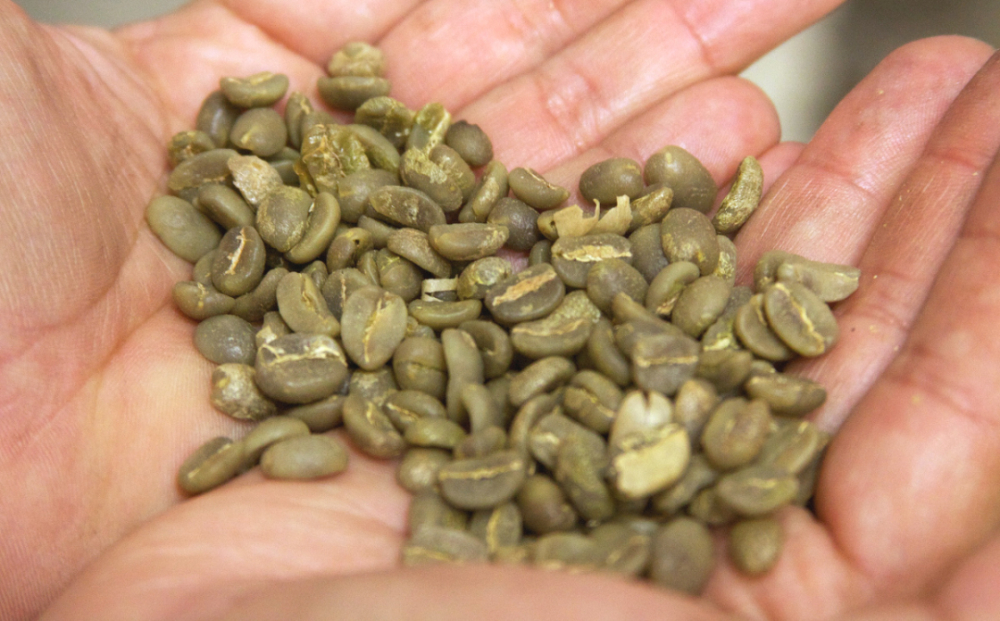
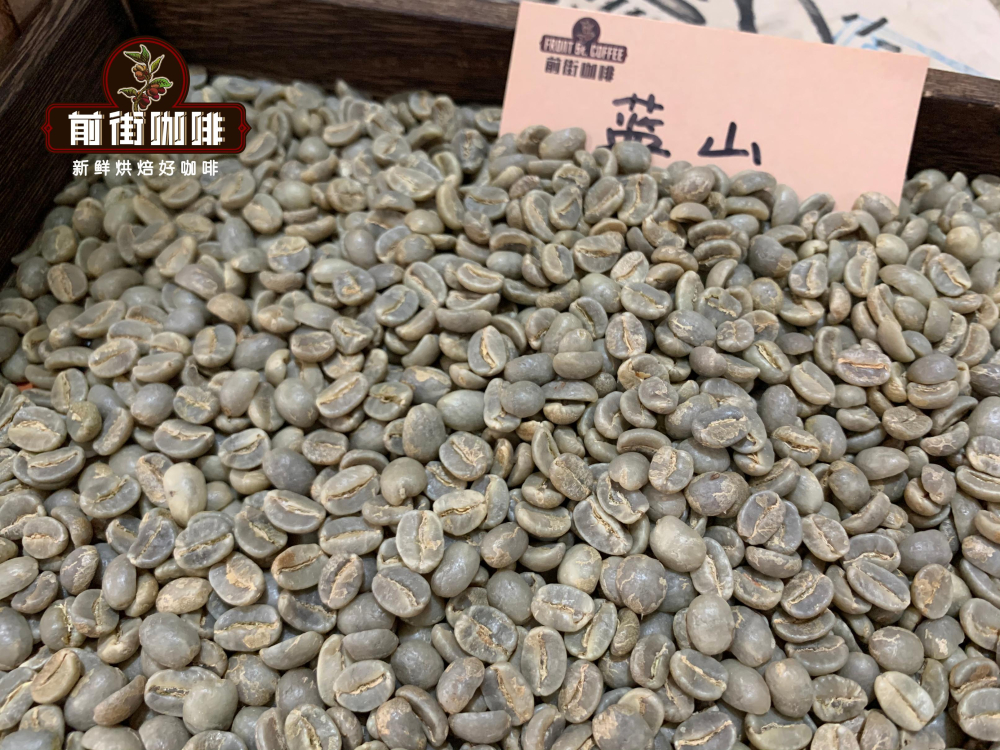
Typica beans are relatively large, elongated and pointed at both ends, somewhat resembling eggs. After roasting they often carry citrus acidity with subtle bitterness, a sweet aftertaste and overall high cleanliness. Many drinkers praise their elegant, clear flavor.
Challenges in Cultivation
Typica, however, has very poor disease resistance. It struggles against common problems such as leaf rust and coffee berry disease, and its yields are scarce. Leaf rust is the most serious plant disease, first appearing in the Victoria Lake coffee region of East Africa in 1861. In 1970, leaf rust broke out in Bahia, Brazil, and since then coffee-growing regions worldwide have gradually reported cases. A coffee tree infected with leaf rust is as good as incurable, eventually withering and even dying. As an economic crop, Typica's low yield and susceptibility to disease make it difficult to farm profitably, leading many growers to abandon it for hardier varieties.
FrontStreet Coffee's Typica Selection
On FrontStreet Coffee's daily bean list there are several Typica varieties: FrontStreet Jamaica Blue Mountain No. 1 Coffee Beans, FrontStreet 2013 Natural Process Typica Coffee Beans, FrontStreet Papua New Guinea Bird of Paradise Coffee Beans, and FrontStreet Panama Elida Estate Natural Process Typica Coffee Beans. Grown in different terroirs and processed in different ways, Typica also shows different flavors and mouthfeel. Among them, FrontStreet Jamaica Blue Mountain Coffee Beans are world-renowned for their excellent quality. FrontStreet has selected the highest grade, washed-processed FrontStreet Blue Mountain No. 1 Coffee for the daily bean list, letting everyone taste the classic Blue Mountain flavor.
The Washing Process and Roasting Profile
Hand-picked coffee cherries are placed in water, where flotation removes impurities and unripe fruit. The pulp and skin are then removed and the beans ferment in pools for 12-18 hours. Next they are spread out under the sun to dehydrate and dry, then packed and left in warehouses, and sent for quality inspection before export. Washing not only lowers the defect rate of Typica cherries but also restores the natural aroma of Blue Mountain beans, giving the cup higher cleanliness.
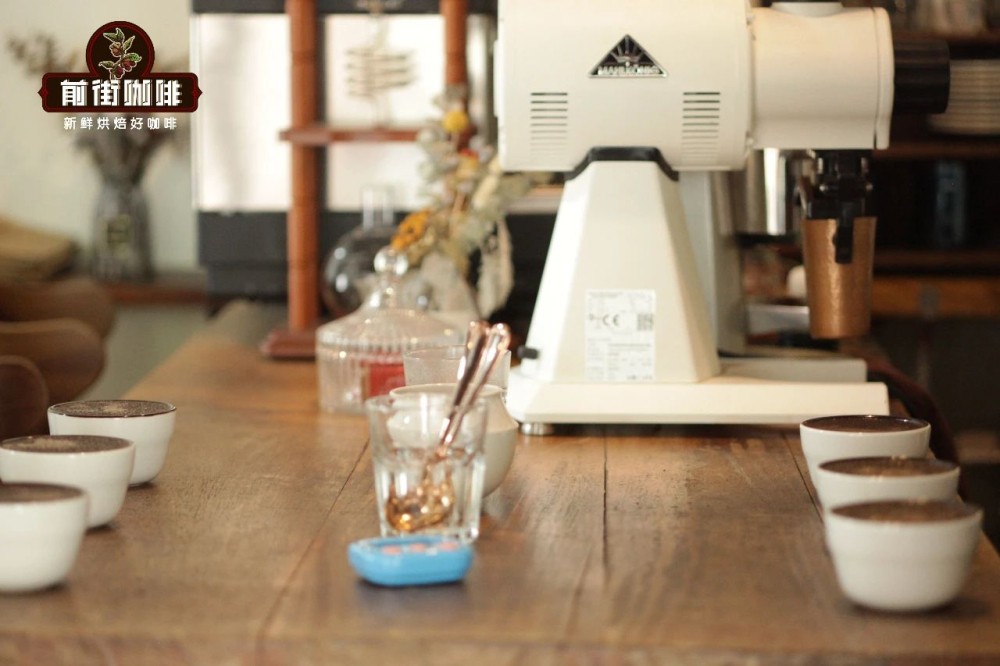
FrontStreet Coffee uses a medium-dark roast to present the classic Blue Mountain flavor as fully as possible, highlighting chocolate and nutty aromas while retaining soft acidity and sweetness, so the overall mouthfeel tends toward balance. Right after roasting, FrontStreet Coffee cupped the FrontStreet Blue Mountain Coffee Beans. The dry aroma showed nuts, sweet melon and chocolate. After hot water was added, notes of oolong tea, caramel, honey and dark chocolate appeared. The cup reveals rich dark chocolate, roasted hazelnuts, cream and brown sugar, with clean, clear flavors, a rich mouthfeel and a lingering aroma—suited to drinkers who pursue the original taste of coffee.
Brewing Parameters for FrontStreet Blue Mountain No. 1
FrontStreet Coffee's brewing parameters for FrontStreet Blue Mountain No. 1 are:
Filter: KONO dripper
Water temperature: 88°C
Coffee-to-water ratio: 1:15
Coffee grounds: 15g
Grind size: EK43s - setting 10.5 (75% pass-through rate on #20 standard sieve)
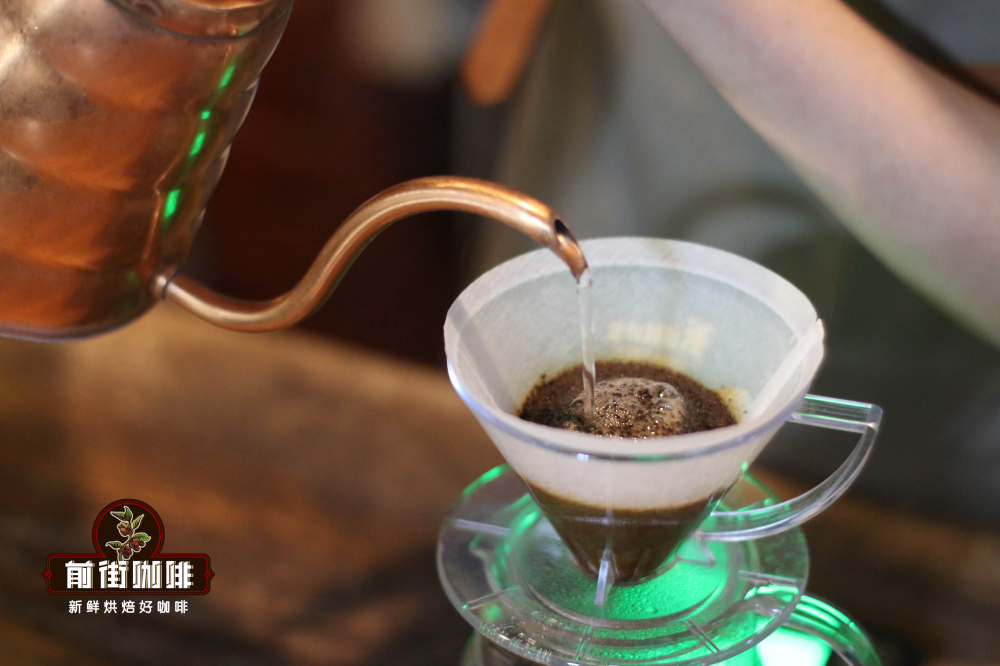
FrontStreet Coffee first wets the KONO dripper, then aligns and places the filter paper for a better fit. After pouring out the water from the sharing pot, add 15g of coffee grounds. Use 30g of water to bloom for 30s, then start pouring in small circular motions from the center until reaching 125g, where the next stage begins. Wait until the coffee bed drops to half the dripper's height before starting the second pour using the same technique until reaching 225g. Once all dripping is complete, you can remove the dripper.
The Classic Blue Mountain Experience
FrontStreet Blue Mountain No. 1 Coffee offers the sweet aroma of dark chocolate, the sweetness of caramel, and a soft, elegant acidity. Each flavor is balanced, creating a smooth, rich mouthfeel with very typical Blue Mountain character.
FrontStreet Coffee Recommendation
Typica is best understood through the cup, and FrontStreet Coffee's washed Typica selections show just how clean and balanced the variety can be. FrontStreet Jamaica Blue Mountain No. 1 is the classic reference point: washed, medium-dark roasted and brimming with the sweet aroma of dark chocolate, layered caramel, roasted hazelnut, cream and brown sugar, finishing with a soft, elegant acidity. It suits the KONO dripper at 88°C with a 1:15 ratio, exactly as above.
For a Typica grown far from Jamaica, FrontStreet Papua New Guinea Bird of Paradise comes from the Sigri region, planted at 1,600-1,800 meters in volcanic soil. It is a Typica at AA grade with very few defects, given three rounds of washed fermentation, and its clean, pure cup with a strong sweetness and low acidity has led many drinkers to call it a "little Blue Mountain."
Those who prefer fruit over flowers can look to FrontStreet 2013 Natural Process Typica Coffee Beans, where sun-drying pushes dark berry notes, caramel sweetness, chocolate and a hint of dried apricot to the front, leaving a black-tea finish. Grown from the same ancient variety, it is a very different expression of Typica from the washed Blue Mountain style.
Important Notice :
FrontStreet Coffee is a long-established specialty coffee roaster in Guangzhou China, selling freshly roasted beans from its own farm in Yunnan as well as dozens of carefully selected single-origin beans from around the world for both pour-over and espresso. The products deliver consistently excellent quality and great value, with shipping within 24 hours. Guangzhou's FrontStreet Coffee shop is recommended by many coffee lovers, and the beans are now available online at the Tmall 。
FrontStreet Coffee has moved to a new address:
FrontStreet Coffee Address: 315,Donghua East Road,GuangZhou
Tel:020 38364473
 Scan and follow the En Gafei WeChat official account. Please indicate that the reprint comes from "En Gafei".