
Guatemala Coffee Bean Roasting Curve Guide Guatemala Coffee Bean Washed Processing Flavor Description
Professional Coffee Knowledge Exchange
Guatemalan coffee is a fine example of how origin character and roast level work together, and the pages below walk through both in detail.
Home brewers who regularly make Guatemalan coffee know that these beans are usually given a medium roast. That consistency raises a fair question: why medium roast for Guatemalan beans rather than light or dark? And if you were to roast them at home, what would the curve look like? In this article FrontStreet Coffee shares a roasting curve guide for Guatemalan coffee beans.
Why Are Guatemalan Coffee Beans Medium Roasted?
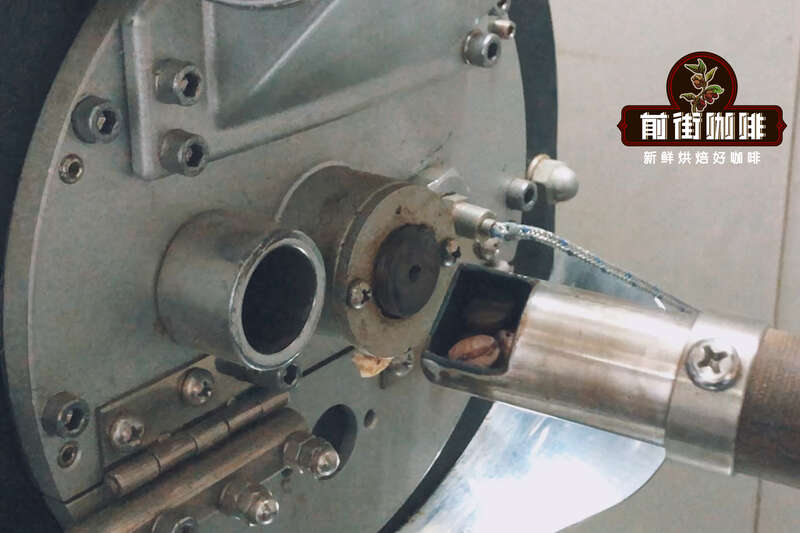
Most of the coffee beans on the market today have already been roasted before they reach the drinker, because roasting is what allows the beans to realize their original flavors. Before specialty coffee became familiar, the general impression of coffee was simply bitterness. Once people taste specialty coffee, they discover that coffee is not only bitter; it also carries acidity and sweetness. Those qualities depend not just on the inherent flavor of the green beans but also heavily on roast level, since Maillard reactions and caramelization reactions occur during roasting.
Maillard Reaction
The Maillard reaction is central to a coffee bean's flavor and color. Between 150-200°C, carbonyl groups from sugars react with amino groups from amino acids and proteins to form flavor compounds. The hundreds of flavor compounds produced by the Maillard reaction combine to create the distinctive flavor of the beans.
Caramelization Reaction
Starting from 170-200°C, the sugars in the beans begin to caramelize. They undergo dehydration, degradation and browning, darkening the beans and releasing aromatic and acidic compounds. As this shows, both the development of coffee aroma and the transformation of color rest on the Maillard and caramelization reactions. Among the factors that shape a cup, green beans account for 60%, roasting for 30% and extraction for 10%, so the importance of roasting is self-evident.
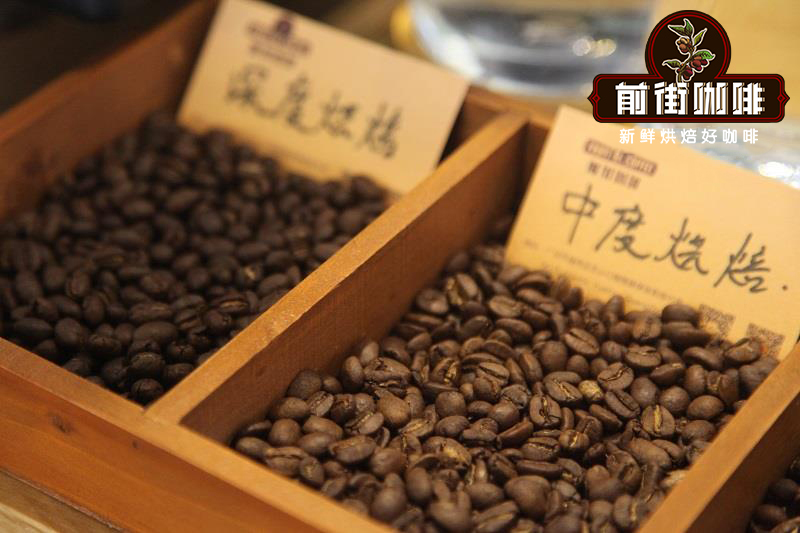
There are currently three common roast levels on the market: light, medium and dark. The differences are as follows.
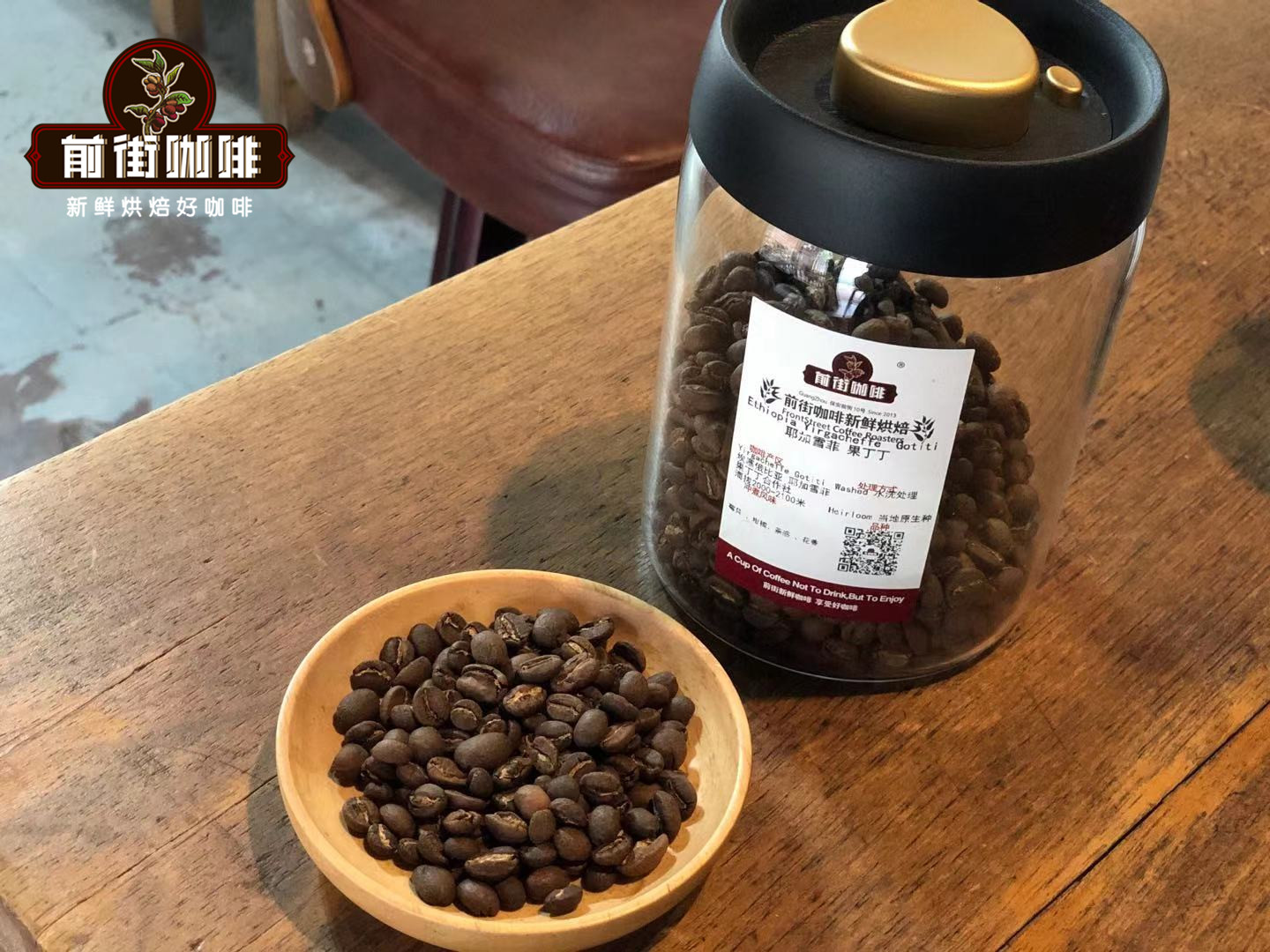
Light Roast — Yirgacheffe Guodingding Coffee Beans
Light roast: rich fruity tones with sweet-and-sour floral and fruity aromas and pronounced acidity.
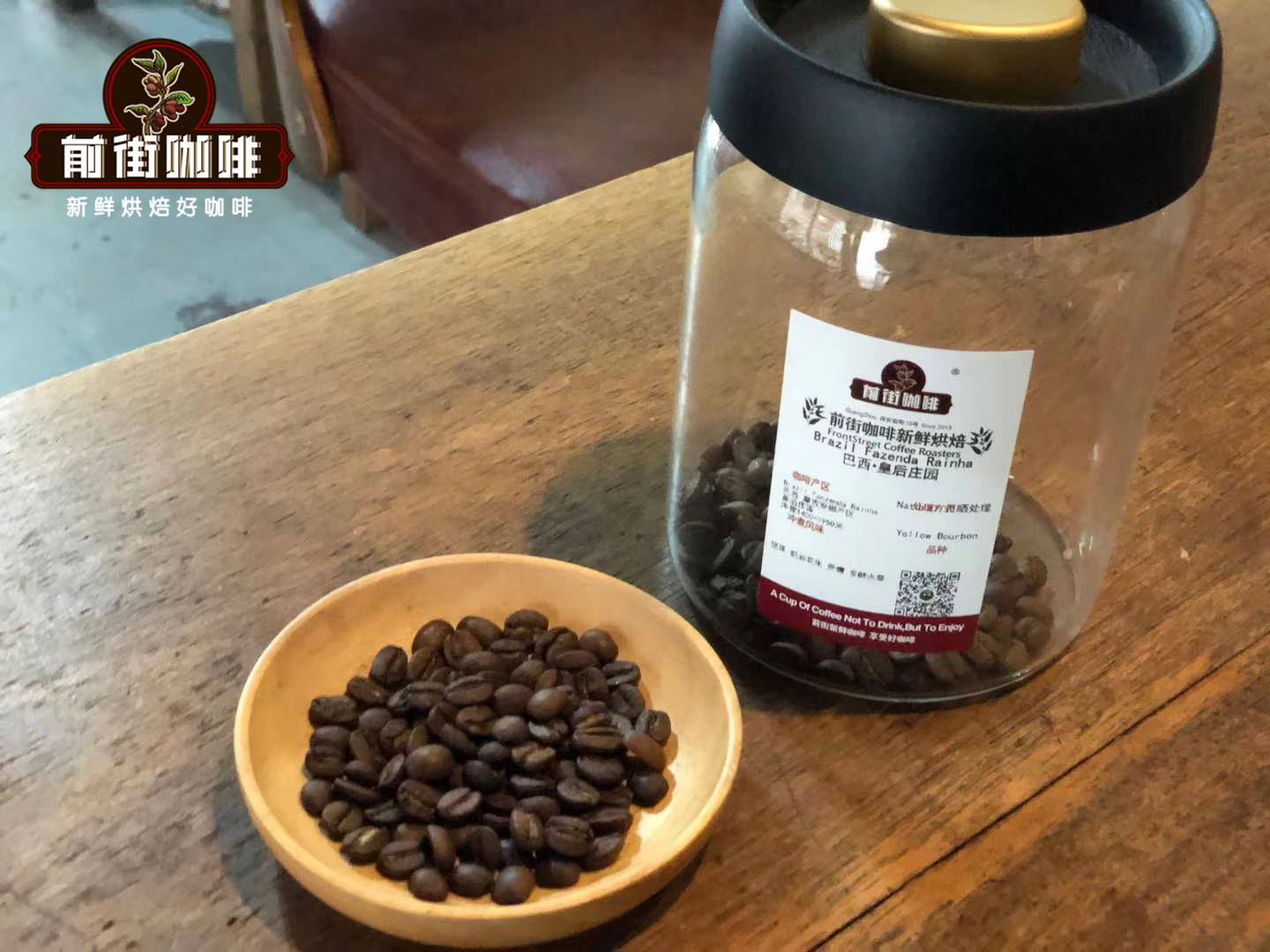
Medium Roast — Brazil Queen's Manor Coffee Beans
Medium roast: nutty tones, dominated by caramel, cocoa and malt aromas.
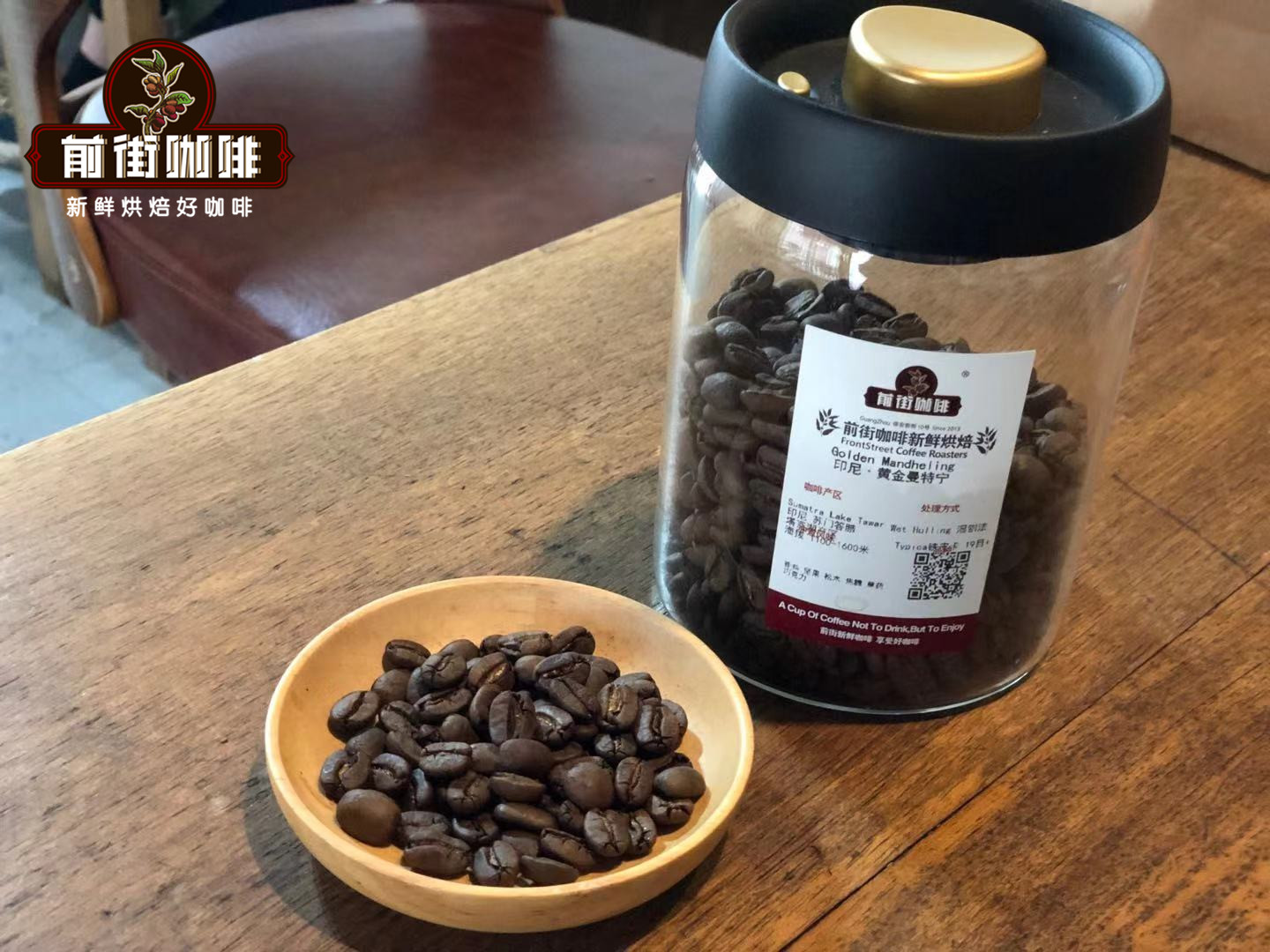
Dark Roast — PWN Golden Mandheling Coffee Beans
Dark roast: a hint of chocolate bitterness, lower acidity, a rich caramel aroma, and notes of spice, wood and charcoal.
The deeper the roast, the richer and fuller the flavor becomes, with lower acidity and higher bitterness, because the fruitiness of the bean is gradually replaced by roasted flavors during roasting. That is why, with single-origin coffee now so popular, roasters who want to highlight a bean's regional character tend to favor lighter roast levels, avoiding any excessive elimination of the original flavors.
Every coffee bean nevertheless has its own suitable roasting curve. To find it, the FrontStreet Coffee roasters develop multiple curves from sample beans, cup the results 24 hours after roasting, and then adjust based on the cupping notes. Several rounds of adjustment are needed before a bean's curve is finalized.
Guatemalan beans naturally carry the nutty and cocoa tones typical of Latin America, so FrontStreet Coffee processes them with a medium roast. Below, FrontStreet Coffee shares the roasting curve and pour-over parameters for the most representative example: Guatemalan Antigua Flor de Café.
FrontStreet Coffee Guatemalan Antigua Flor de Café Coffee Beans
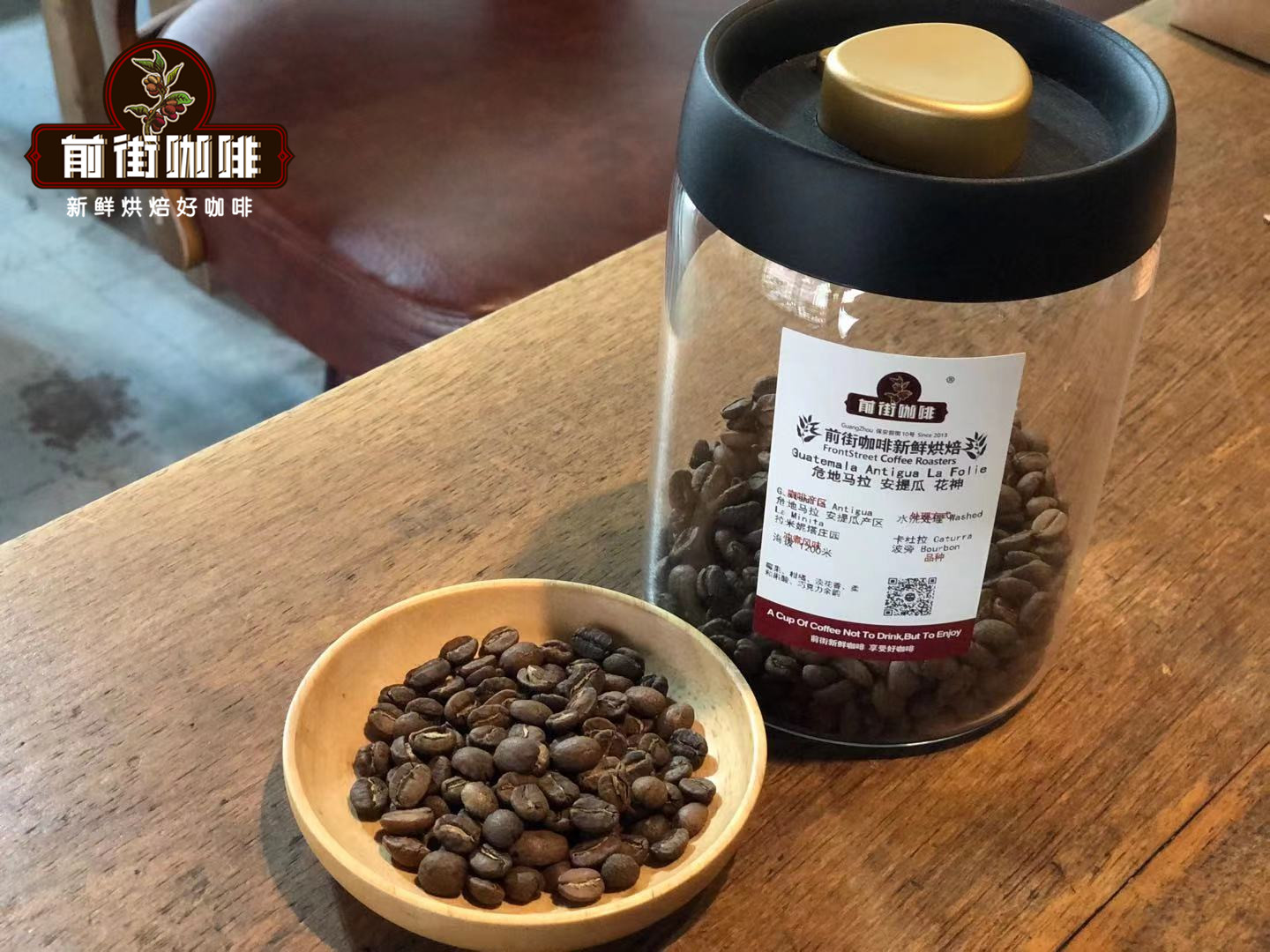
Country: Guatemala
Region: Antigua (La Minita Estate)
Altitude: 1200-1600m
Varieties: Bourbon, Caturra, Catuai
Processing: Washed
Flavor: Citrus acidity, bright fruit acidity, caramel aroma, slight smokiness.
As noted above, this bean is washed. It was commissioned by La Minita Company and processed at Las Pastores, the largest and most famous washing station in Antigua. Coffee from that station shows rich floral and tea aromas, abundant acidity, excellent sweetness and a clean, refreshing mouthfeel on the palate. La Minita Company therefore named the bean "Flor de Café" and put it into production and sale.
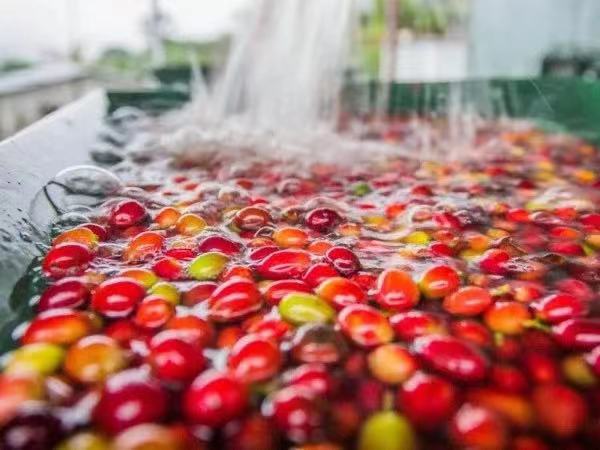
That flavor performance also owes much to excellent washed processing, whose defining trait is that it makes a bean's flavor brighter and cleaner, and which best reflects a coffee's most original character. When a bean as well made as Flor de Café is washed, the result is truly icing on the cake.
FrontStreet Coffee Guatemalan Antigua Flor de Café Coffee Bean Roasting Analysis
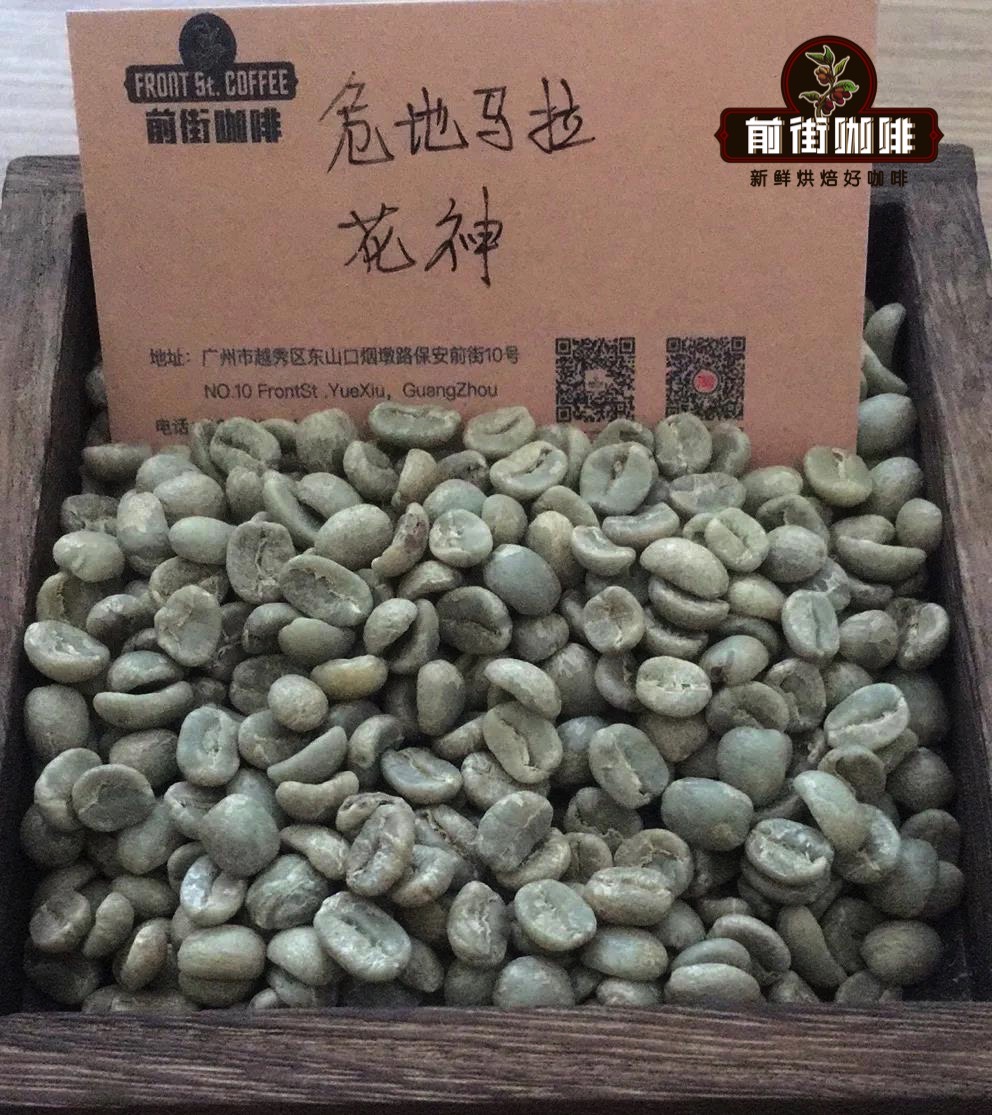
This Guatemalan bean is round with yellowish tones, good uniformity and medium moisture content. FrontStreet Coffee's roasting goal is medium roast: on one hand to retain bright acidity and show off floral and fruit aromas, and on the other to enhance richness and balance. In the first batch the drop temperature was relatively high, with an incoming bean temperature of 200°C and fairly high heat. During roasting it became clear that this bean, grown at altitude, has a hard texture. To retain more acidic aromas, the roaster adopted a technique of increasing the rate of rise and advancing first crack. Heat was reduced at the yellowing point, at the completion of dehydration, and again before first crack, to avoid scorching the surface. The beans were dropped 1 minute 50 seconds after first crack ended, shortening the caramelization time to preserve more floral and fruity aftertaste.
Roasting Curve:
Yangjia 600g semi-direct flame roaster, preheat to 200°C, heat damper set to 3. After 30 seconds, adjust the heat to 160°C with the damper unchanged. Return to temperature at 1'36", and hold the heat there. At 4'50" the bean surface turns yellow and the grassy aroma disappears completely, marking the dehydration stage; reduce heat to 140°C and set the damper to 4.
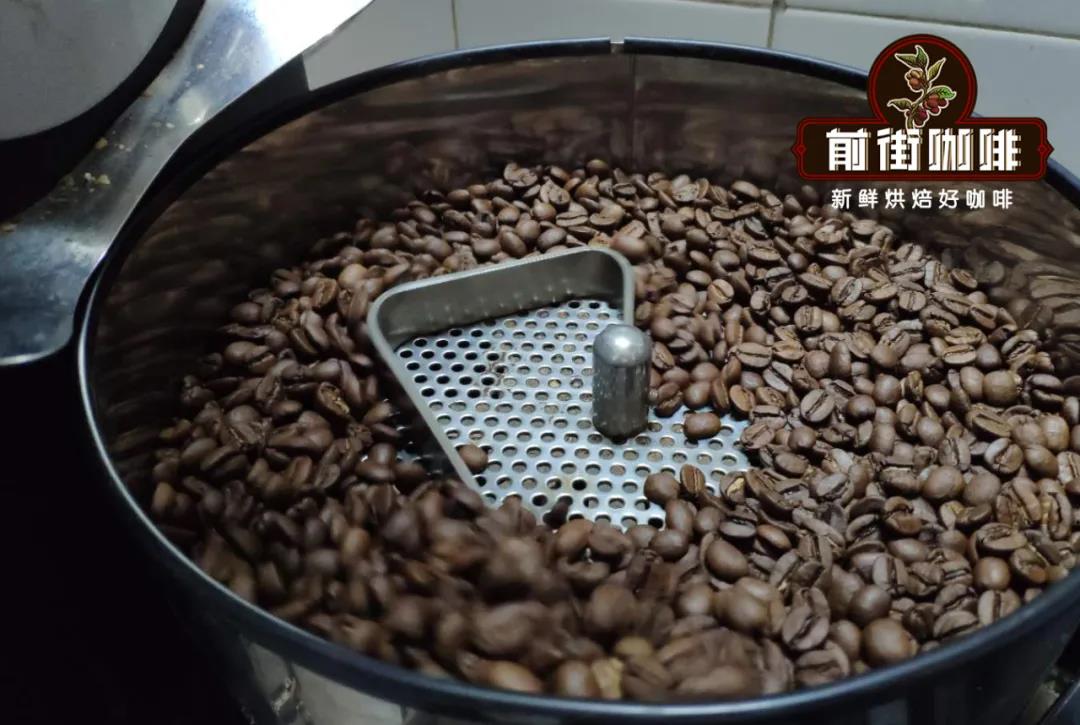
At 4'50" dehydration is complete and the heat is reduced to 140°C. At 8'32" ugly wrinkles and black spots appear on the bean surface and the toast aroma shifts clearly to coffee aroma, which can be taken as the prelude to first crack; listen closely for the sound from this point. First crack begins at 8'37"; reduce heat to 80°C and open the damper fully to 5 (the heat adjustment must be handled very carefully, not so small that the crack sound is lost). After first crack, develop for 1'50" and drop at 195.3°C.
Guatemalan Coffee Bean Brewing Parameters

Filter: V60 #01
Water temperature: 90-91°C
Dose: 15g
Coffee-to-water ratio: 1:15
Grind size: BG6m/medium-fine grind (80% passes through #20 sieve)
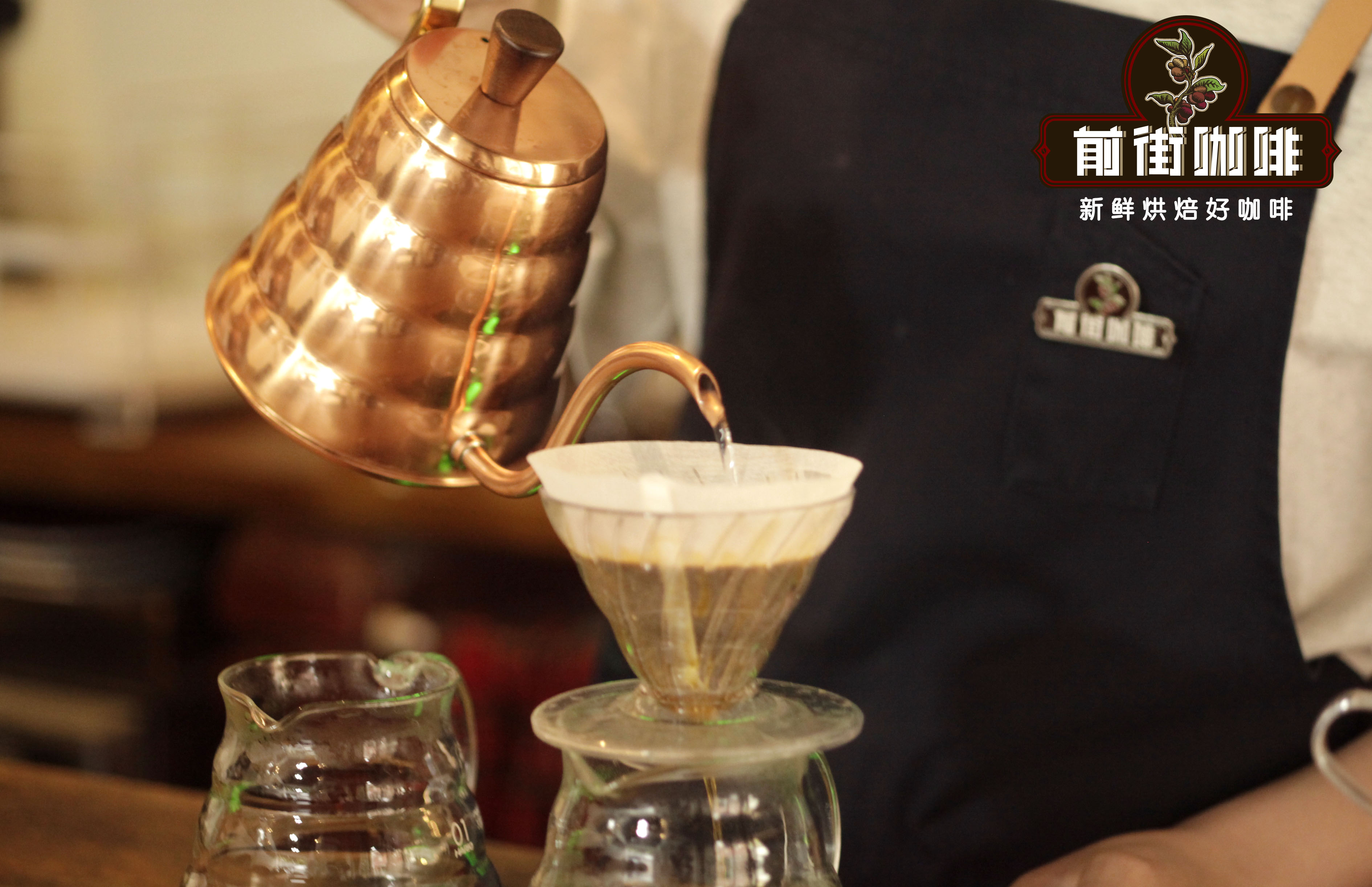
Brewing method: Three-stage extraction
First stage: pour 30g of water for a 30-second bloom, then pour 95g (the scale reads around 125g), completing the pour in about 1 minute. When the water level drops to 2/3 of the coffee bed, pour the remaining 100g (the scale reads around 225g), completing the pour in about 1 minute 35 seconds. Dripping finishes between 2'00"-2'10"; remove the filter cup to complete extraction.
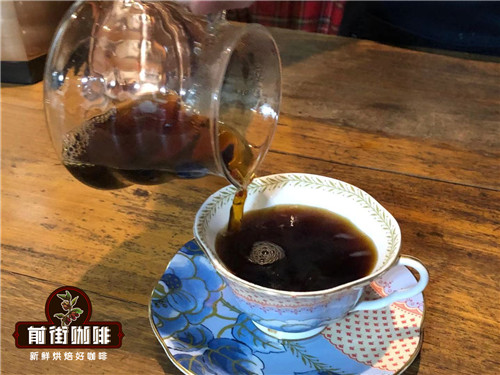
Guatemalan Flor de Café flavor description: citrus acidity is quite prominent, with juicy acidity, a rich floral aroma and pleasant sweetness, a medium body, and slight caramel and smoky notes in the finish. Overall it is clean and gentle, with a smooth texture, balanced and lively, showing varied layers of flavor.
Beans like these reward a careful roasting approach, and the curve above is a useful reference for anyone wanting to reproduce that balance at home.
FrontStreet Coffee Recommendation
The washed method is a traditional way of processing coffee fruit using water. Its steps usually include flotation, removal of the pulp, a soaking fermentation to break down the mucilage, washing or further soaking, drying and finally hulling to give the green beans. Because washed beans sit in water for a long time, chemical changes take place inside the seed and much of the monosaccharides, fructose and glucose, are consumed, which lowers the sugar content while increasing various organic acids. As a result, washed coffees tend to keep more of the bean's own aroma while offering bright fruit acidity and a clean, fresh character.
FrontStreet Coffee's lineup contains several excellent illustrations of the style. The FrontStreet Yirgacheffe Guodingding Cooperative is a standout: Gudingding is a village-level processing group with skilled technique, and its output is prized for being especially delicate and clean. The washed process lets it express jasmine florals and a bright citrus acidity to the fullest, and after a medium-light roast the cup offers green tea and honey notes; it works well as pour-over, cold brew or espresso.
The FrontStreet Kenya Cherry Tomato is one of the best-known ambassadors of washing, since Kenya excels at double washed processing. The process runs the washing step twice: flotation and soaking, washing the residual mucilage off the bean surface, soaking again, then drying, hulling and storing. Repeated rinsing and soaking bring out a juicy quality to the extreme, with rich aromas of cherry tomato, dark plum, snow pear, black plum and yellow sugar and a sweet-and-sour, juicy mouthfeel that many coffee lovers count among their favorites.
Jamaica, once one of the world's best-known coffee origins, struggled with insufficient sunlight. Its island climate gives shorter daylight hours than other regions, so to reduce the risk of beans spoiling, washed processing was developed. The great difference from natural processing is that the skin, pulp and mucilage are removed before drying, reducing the moisture trapped around the bean, which shortens drying time and yields beans of translucent color and low defect rate. Washed processing is what guarantees the Blue Mountain's rich aroma and its pure notes of hazelnut, cream, chocolate and caramel, with a balanced body in which no single flavor dominates or goes missing, as in the FrontStreet Jamaica Blue Mountain No.1.
Important Notice :
FrontStreet Coffee is a long-established specialty coffee roaster in Guangzhou China, selling freshly roasted beans from its own farm in Yunnan as well as dozens of carefully selected single-origin beans from around the world for both pour-over and espresso. The products deliver consistently excellent quality and great value, with shipping within 24 hours. Guangzhou's FrontStreet Coffee shop is recommended by many coffee lovers, and the beans are now available online at the Tmall 。
FrontStreet Coffee has moved to a new address:
FrontStreet Coffee Address: 315,Donghua East Road,GuangZhou
Tel:020 38364473
 Scan and follow the En Gafei WeChat official account. Please indicate that the reprint comes from "En Gafei".
![[FrontStreet Coffee Barista Notes] Espresso Extraction Techniques: Single Shot, Pre-infusion, and Multi-stage Extraction](https://en.gafei.com/uploads/allimg/190406/17-1Z406192KAX-lp.JPG)