Colombian Coffee Bean Varieties, Characteristics & Flavor Profiles: How to Determine the Quality Grade of Imported Colombian Coffee Beans?

Customers often ask about FrontStreet Coffee's espresso blends, and the comment we hear most is that our Americano tastes different from the Americanos at other shops. Of course it does - when the beans are different, how could the drinks taste the same?
Traditional Italian Espresso Blends
Among traditional Italian espresso blends, you'll find several options on FrontStreet Coffee's bean menu. In our first few years, we used espresso blends much like the ones most shops on the market use today. The most prominent combination was Brazil blended with Colombia specialty coffee, chosen to highlight the nutty aromatics of the espresso and add body - making the coffee pair better with milk.

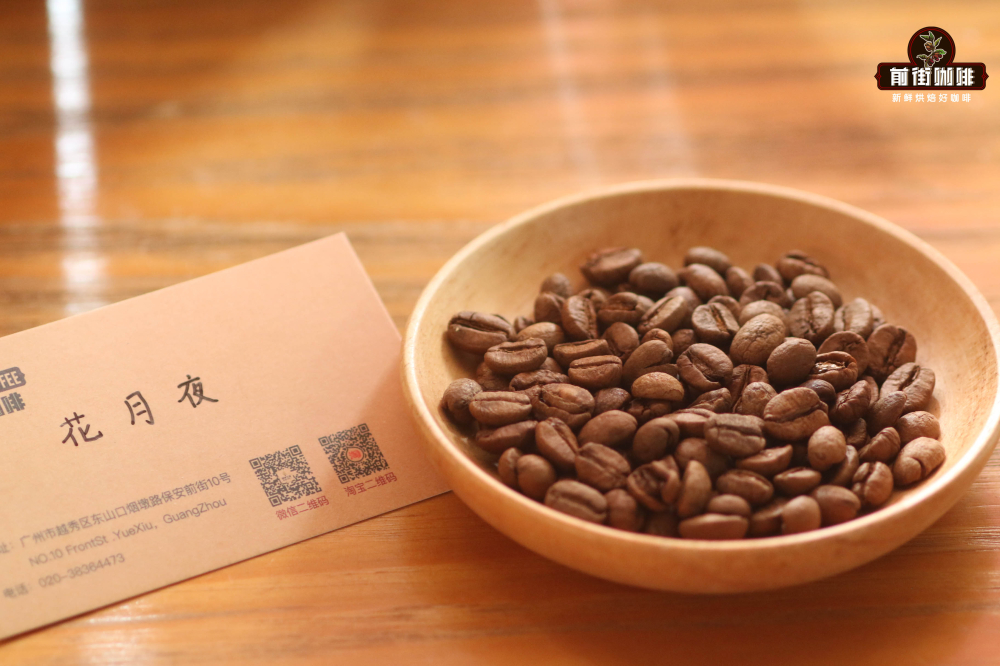
Because Brazil-Colombia blends were the market mainstream back then, they left many consumers with the impression that Brazilian and Colombian coffees taste alike. In reality, they are vastly different. In flavor terms, FrontStreet Coffee finds Brazilian beans low in acidity with a heavier body, while Colombian coffee offers far more abundant flavors. Take our Colombian single-origin "Flower Moon Night": it carries an intense rose floral aroma, with prominent strawberry-jam notes, a fermented sensation as the cup cools, and an aftertaste leaning toward chocolate.
Colombian Coffee Production and Environment
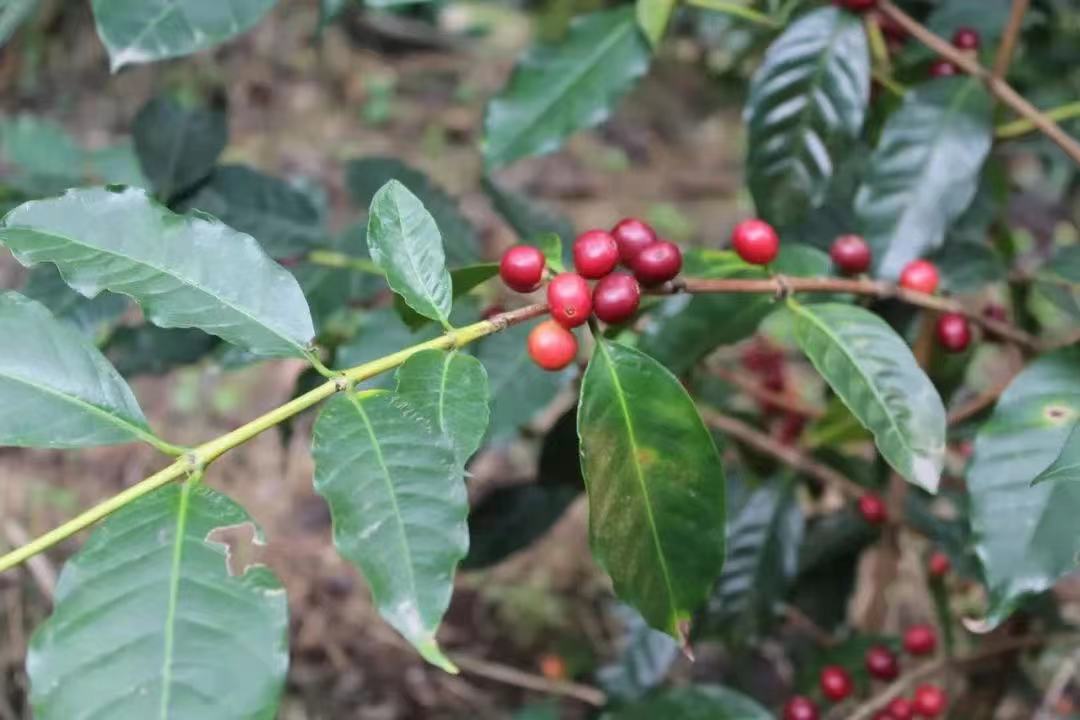
Colombia currently ranks third in world coffee production. Nearly all of its coffee is produced and exported under the Colombian National Federation of Coffee Growers (FNC), a non-profit association that today represents more than 50,000 producers, most of them small family farms. We've covered the growing environments of Brazil and Colombia before; Colombia's is exceptional - low latitude, high altitude, and richly varied topography - and that environment is precisely what determines the superiority of its coffee.
Colombian Coffee Varieties
According to specialty coffee references, the two main Colombian varieties have been Caturra and Colombia. After Caturra was introduced from Brazil in the 1960s, it displaced the original Typica. Then, in the 1980s, the arrival of the new "Colombia" variety drove Typica production down sharply. Many people know Caturra, but what is the Colombia variety? It's a hybrid developed in the 1980s from Caturra and Timor bloodlines. At this point, the coffee-savvy might ask: isn't that Catimor? The FNC insisted at the time that although Colombia was closely related to Catimor, its flavor was far more elegant than typical Catimor - because it had undergone multiple generations of Arabica hybridization, its flavor had changed qualitatively.
The Colombia variety (Variedad Colombia) was developed by Cenicafe over more than five generations between 1968 and 1982, as a successful hybrid of Caturra and Timor. It was ready before the country's first coffee leaf rust outbreak in 1983, and although the new variety helped farmers survive that crisis, Cenicafe suspected further outbreaks and new diseases were coming. They kept improving their stock, and when Coffee Berry Disease (CBD) newly appeared in Colombia in the early 2000s, it accelerated the research. The fruit of that effort was the Tabi and Castillo varieties.
Castillo Variety and Brewing Methods
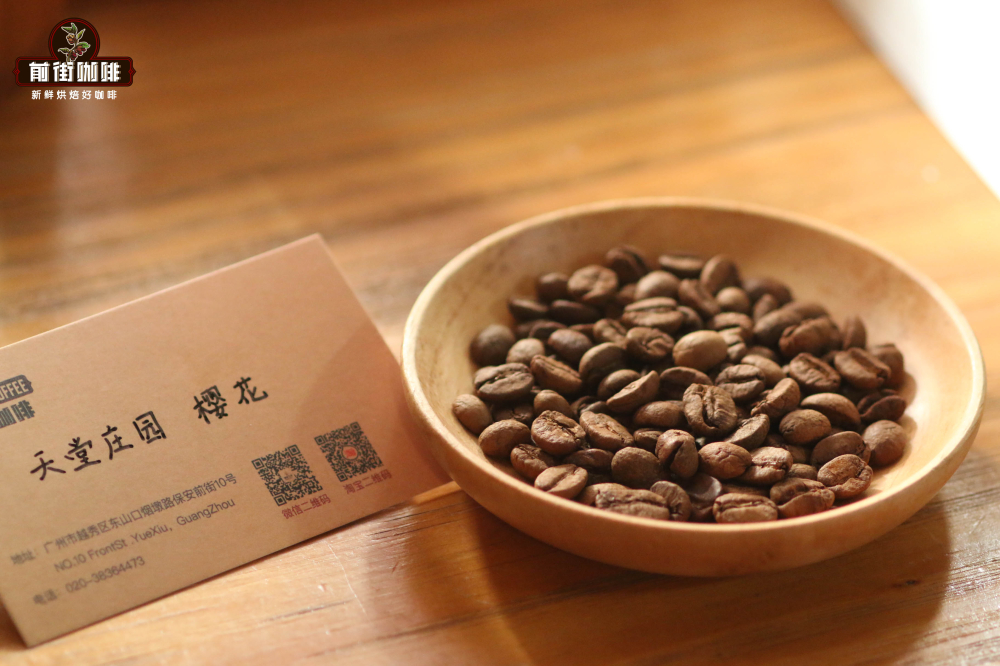
The Castillo variety was officially released to growers in May 2005 and is a hallmark of the FNC's rust-resistant Colombia program, whose purpose was to restore and renew the production of high-quality Colombian coffee. Today, Castillo is the most widely planted variety in the country. FrontStreet Coffee's "Cherry Blossom" is a Castillo coffee bean. Using our standard brewing method, we extract it in three pours:
Filter: V60 #01
Dose: 15g
Ratio: 1:15
Temperature: 90°C
Grind: Medium-fine (78% pass-through rate on #20 standard sieve)
Dose 15 grams of coffee and pour twice the coffee's weight in water for the bloom. As the grounds heat evenly, the bed will puff up into a well-sized dome. Wait 30 seconds, then begin the second pour, spiraling from the center outward to about 125 grams. When the liquid level drops and the bed is nearly exposed, make the third pour up to 225 grams. Extraction finishes in around 2 minutes.
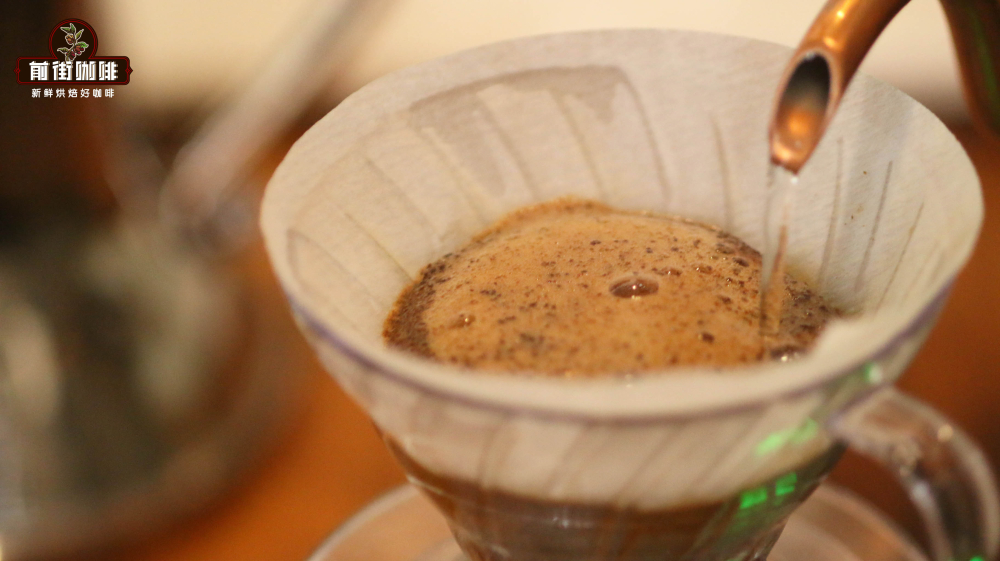
This Colombian coffee shows prominent spice notes - something like mugwort aroma - with berry-jam flavors and distinct fermented character.
Colombian Coffee Regions
Colombian specialty coffee comes mainly from the southern regions, generally at altitudes above 1,500 meters - San Agustín in Huila, Popayán in Cauca, Nariño, and Tolima - where the coffee develops delicate floral aromas. Colombian flavor is defined by very prominent acidity and sweetness, with caramel aromatics and abundant sweetness. The country's coffee-growing axis, known as the Coffee Triangle, runs along the Andes from south to north.

Main Colombian Coffee Producing Regions:
Antioquia - Medellín (18% of total production)
Tolima - Ibagué
Caldas - Manizales (29% of total production)
Valle del Cauca - Cali (13% of total production)
Huila - Neiva (5% of total production)
Cauca - Popayán (4% of total production)
Santander - Bucaramanga
Anyone who understands coffee knows how closely altitude relates to quality. The higher the altitude, the less oxygen and the lower the temperature, giving coffee trees more time to grow and accumulate sugars and aromatic compounds. And because only high-quality coffee is permitted for export, the FNC controls every batch strictly, grading beans as follows:
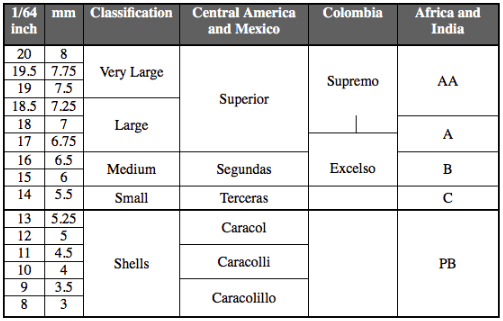
Supremo 18: Large, smooth, flat beans, properly selected on screen 18, with 10% flexibility under this screen but retained by #17 screen.
Supremo 17/18: Large, uniform, flat beans retained above screen #17/18, with 5% flexibility under this screen but retained by screen #14.
Excelso EP 10% and 5%: Flat beans ranging from large to small, retained above screen #15, with 10% or 5% flexibility of beans collected on screens #14/12.
UQG: "Usual Good Quality": Below screen 14 but above screen 12, with a maximum of 1.5%.
FrontStreet Coffee Recommendation
Given how well Brazil and Colombia complement each other, an espresso blend that pairs them is a natural recommendation. FrontStreet's Classic Blend is built on the traditional Brazil-and-Mandheling formula with outstanding crema; our Premium Blend, nutty and rich, and our Black Cocoa Blend both draw on Brazil beans for their chocolate and cream aromatics plus a gentle balance of sweetness, acidity, and bitterness - and that balanced profile makes extraction more stable cup after cup. Blends like these are exactly why our Americano tastes the way it does.
If you'd like to taste Brazil on its own - to understand one half of the blend - FrontStreet's Brazil Cerrado Red Bourbon shows moderate acidity, excellent balance of sweetness, bitterness, and body, and a medium roast full of nutty aromas; it works both as a single-origin brew and as the backbone of an espresso blend.
Important Notice :
FrontStreet Coffee is a long-established specialty coffee roaster in Guangzhou China, selling freshly roasted beans from its own farm in Yunnan as well as dozens of carefully selected single-origin beans from around the world for both pour-over and espresso. The products deliver consistently excellent quality and great value, with shipping within 24 hours. Guangzhou's FrontStreet Coffee shop is recommended by many coffee lovers, and the beans are now available online at the Tmall 。
FrontStreet Coffee has moved to a new address:
FrontStreet Coffee Address: 315,Donghua East Road,GuangZhou
Tel:020 38364473
 Scan and follow the En Gafei WeChat official account. Please indicate that the reprint comes from "En Gafei".