Introduction to Starbucks Reserve Ethiopia Koyon Farm Estate - Is Koyon Farm Estate Coffee Delicious?

Professional Coffee Knowledge Exchange
Introduction to Ethiopia Kayon Mountain Estate
Starbucks recently added several new coffees to its Reserve lineup, and Ethiopia Kayon Mountain is one of them. Today, FrontStreet Coffee takes a closer look at where Kayon Mountain actually sits, and whether the coffee it produces is worth seeking out.
Ethiopia Shakiso Kayon Mountain Farm Natural Process
Kayon Mountain Farm sits in the Shakiso district of Ethiopia's Guji Zone, home to the Guji Oromo people, for whom coffee cultivation has long been woven into highland life. This coffee is quite different from the Yirgacheffe or Sidamo lots most drinkers know. Geographically, culturally, and in the cup, it carries a distinct southern character while keeping the hallmarks of African coffee: citrus, florals, and an overall vibrant profile.
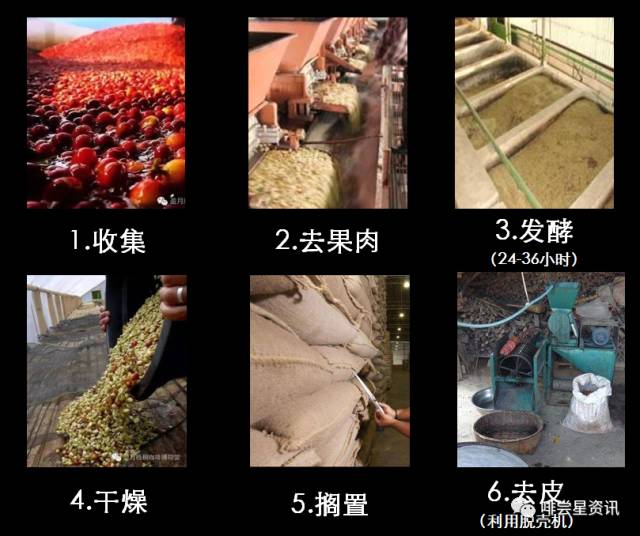
Kayon Mountain is a family-owned operation, which allows it to sell its coffee directly. Most smallholder farmers, by contrast, obtain seedlings from the government and must sell through the tightly controlled Ethiopian Commodity Exchange (ECX) — cooperative members being the main exception, though that is a topic for another day. The farm runs its own washing and drying stations, so milling, quality control, and export preparation are all handled on site after harvest. Like most Ethiopian farms, Kayon Mountain grows local regional varieties — landrace types that originated in the wild forests of western Ethiopia, spread eastward to Harar, and eventually reached southern micro-regions such as Guji. This particular lot is natural processed: after picking, the whole cherries are dried in the sun for roughly a month.
Cupping Results
The cup shows a rich wild berry aroma, most prominent in the dry fragrance of the light-to-medium roast, together with vanilla sweetness and a trace of florals. Pushed to Full City, a bittersweet, Dutch-processed cocoa note comes forward, along with an intense blueberry-muffin character: sweet pastry dough, maple syrup, and plenty of blueberries. When hot water hits the grounds, the floral side grows louder — the wet aroma offers warm caramel-cream notes set against sugar-dusted berries and candied citrus, a striking contrast. Roasted City to Full City, this coffee excels as pour-over, releasing ripe raspberry, blackberry, and seedless grape, with a subtle maple sweetness. As it cools, the cup keeps evolving, evoking hibiscus tea, tamarind candy, sugarcane juice, and red cherry. A slightly darker Full City roast brings out cocoa and roasted notes plus a hint of ruby grapefruit. The body is excellent, and the darker the roast, the more chocolate emerges — yet the fruit never fades, which also makes this coffee a strong blending component, suited to both espresso and drip brewing.
Coffee Details
Score: 92
Recommended Roast Level: City to Full City roast
Green Bean Processing: Natural process
Coffee Variety: Ethiopian heirloom
Grade & Appearance: Grade 1, .4 d/300gr, 15-17 Screen

The Story of Kayon Mountain Farm
In 2012, several local families, driven by a pursuit of quality of life and a passion for coffee, established Kayon Mountain Farm under the leadership of Ato Esmael and his family. The farm is committed to producing higher-quality coffee through sustainable practices.
Ato Esmael
Kayon Mountain Farm is located in the Oromia region of Ethiopia's southern Guji Zone.
Guji was once administered as part of Sidamo, and while Guji beans resemble Sidamo beans in appearance, they have a style all their own. After years of debate, the Ethiopian government finally granted Guji its own geographical distinction.
On-Farm Processing
In 2015, Kayon Mountain Farm built its own washing station and huller, allowing it to export coffee directly — a rarity for a single farm in Ethiopia.
The farm covers roughly 240 hectares, more than half of which is kept under natural shade. Animal manure serves as the primary fertilizer.
Coffee cherries
Each year from October to January is harvest season at Kayon Mountain, during which Ato hires more than 300 workers to help with picking and processing.
↓↓
Coffee Bean Information
Region: Africa · Ethiopia · Guji Zone · Oromia
Variety: Ethiopian heirloom landrace varieties
Soil: Sandy clay loam
Processing Method: Natural process
Altitude: 1900-2100m
Acidity: High Body: Medium
Description: Jasmine-like aroma, with notes of sweet lemon, lavender, and cherry cola
Harvest Season: October to January
Pairs with: Lemon, nougat, almond cookies, and more
2
Card Design
The card design draws on Kayon Mountain's vision: to produce exceptional coffee and share it with the world. The floating gold foil represents the passion of the coffee farmers; the dark areas stand for the shade trees used to improve coffee quality. The entire pattern is an abstract portrait of Kayon Mountain — a place where passion fills every corner of life.
3
Brewing Share
① Cupping
11g coffee, ground at Ditting setting 7, water temperature 92°C, water amount 200g, steep for 4min.
Description: The dry grounds show clear jasmine along with lemon and caramel notes. Once water is added, the caramel sweetness becomes more evident. The whole cup carries a distinct lemon acidity, quite clean, with cherry cola and a well-defined sweet finish.
② Six-cup Chemex
21g coffee, ground at Ditting setting 8.5, water 340g, water temperature 94°C, poured in five stages (55, 75, 70, 70, 70). Timing starts with the first pour; the second pour begins at 34 seconds total time, and pours 3-5 start as soon as the previous one finishes. Of the five pours, only the fourth is a center pour — the rest are fine-stream circular pours.
Description: Rich jasmine, lemon and cherry cola, a smooth mouthfeel, and lingering sweetness.
③ Classic Pour-over
20g coffee, ground at Ditting setting 5.5, water 280g (50g, 230g), water temperature 94°C.
Description: Pronounced florals, bright and clean acidity, and good sweetness.
④ V60+Lilydrip
20g coffee, ground at Ditting setting 7.5, brewed with the Lilydrip attachment (which thins the coffee layer, so avoid using too little coffee and adjust your flow rate accordingly), water 300g, water temperature 94°C, five pours (50, 70, 60, 60, 60), fine-stream pouring, same pour structure as the Chemex.
Description: Rich florals, bright and clean acidity, and a sweetness that is both obvious and lingering.
⑤ Siphon
25g coffee, ground at Ditting setting 5.5, 380g water, brewing time 1min30s, two slow, even vertical stirs at 45s and 90s, five rotations each.
Description: Rich, pronounced florals, clean and bright acidity, and well-defined layers.
END
FrontStreet Coffee Recommendation
If this Guji natural sparks your interest in Ethiopian coffee, FrontStreet Coffee's Washed Yirgacheffe is the classic place to start. Known for its white jasmine florals, bright citrus and lemon acidity, and a distinctly tea-like finish, it is also attractively priced — which is why so many newcomers make it their first specialty coffee bean.
To brew it, FrontStreet Coffee suggests a V60 dripper with 15g of coffee at a 1:15 ratio and 90-91°C water: bloom with 30g of water for 30 seconds, pour to 125g, then finish with a final pour to 225g for a clean, floral, citrus-forward cup.
Important Notice :
FrontStreet Coffee is a long-established specialty coffee roaster in Guangzhou China, selling freshly roasted beans from its own farm in Yunnan as well as dozens of carefully selected single-origin beans from around the world for both pour-over and espresso. The products deliver consistently excellent quality and great value, with shipping within 24 hours. Guangzhou's FrontStreet Coffee shop is recommended by many coffee lovers, and the beans are now available online at the Tmall 。
FrontStreet Coffee has moved to a new address:
FrontStreet Coffee Address: 315,Donghua East Road,GuangZhou
Tel:020 38364473
 Scan and follow the En Gafei WeChat official account. Please indicate that the reprint comes from "En Gafei".