
How to Make Flat White Coffee: Milk-to-Coffee Ratio and Milk Foam Characteristics and Consistency

Everyone knows that a milk coffee starts with espresso and milk. Lattes, mochas, cappuccinos, and their many cousins each call for a different balance of espresso to milk. In this article, FrontStreet Coffee shares the recipe ratio and the milk-frothing level behind the flat white on FrontStreet Coffee's hidden menu.
What is Flat White Coffee?
A flat white is a coffee drink that originated in Australia, which is why it is also called an Australian White, though some argue it actually began in New Zealand. Beyond the dispute over its origin, the preparation methods vary too. A flat white is a milk coffee with a stronger coffee flavor, less milk, and thinner foam. For the espresso base, New Zealanders prefer a double ristretto, while Australian baristas reach for a single espresso.
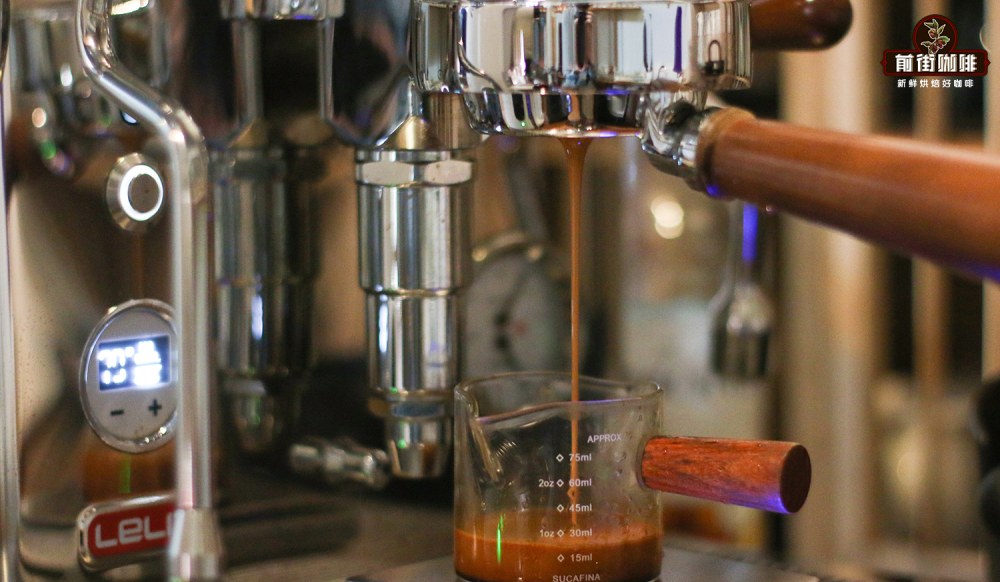
As far as FrontStreet Coffee understands, Australians only make a flat white hot. Add ice and it becomes a flat white that has lost its soul, because the ice dilutes the concentration. In that sense, an iced flat white is really a latte.
How to Make Flat White Coffee?
A latte, by comparison, is a coffee drink built on a generous amount of milk. What sets a flat white apart most is the pour: rather than swirling the milk through the coffee, the barista pours a thin stream straight down the center so the crema on the espresso surface is not disturbed, leaving a small white circle in the middle of the cup.

FrontStreet Coffee believes a flat white is a coffee that puts the coffee flavor first. It uses more espresso than a latte does. FrontStreet also pulls a double espresso for its flat white, but the milk it takes is about 100ml less than a latte. The milk is also frothed to a finer, thinner foam than a latte's, so that the first sip delivers all of the foam together with the still-intact espresso crema.
Here is the recipe ratio FrontStreet Coffee uses when making a flat white:
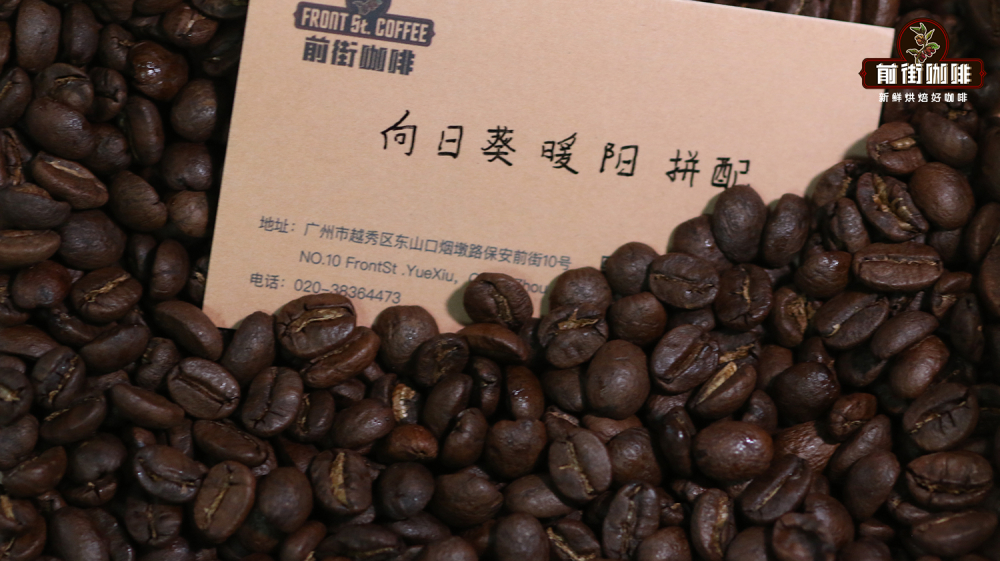
FrontStreet Coffee uses the Faema E98 espresso machine to make the espresso, with Sunflower Warm Sun Italian blend beans and the following extraction parameters:
Pressure: 9 bar
Temperature: 90.5-96°C
Time: 20-30 sec
Coffee-to-water ratio: 1:1.7-1:2
Coffee amount: 12g (single shot) / 20g (double shot)
Espresso yield: 20ml (single) / 40ml (double)
Australian White Coffee Milk to Coffee Ratio Recommendation

Milk: whole fresh milk (FrontStreet Coffee uses Kowloon Dairy fresh milk)
Frothed milk temperature: 50-60°C (too cool and the lactose will not be activated; too hot and the proteins break down, leaving a grainy texture)
Foam thickness: 5mm (1cm is for a latte, 1.5cm for a cappuccino)
Espresso: 40ml
Milk: 140ml
The information above covers the espresso parameters and the milk ratio. The next most important step, and one of the real essences of a milk coffee, is frothing the milk into foam. FrontStreet Coffee explains how below.
What State of Milk Foam is Best for Flat White?

As FrontStreet Coffee noted above, a flat white is made of two parts, espresso and milk, and it needs frothed milk added to it. Frothing demands real skill from the barista. Making a flat white therefore breaks into three stages: pulling the espresso, frothing the milk, and combining the frothed milk with the espresso to create the latte art.
How to Froth Milk?
FrontStreet Coffee relies mainly on the espresso machine's steam wand to froth milk. Pour an appropriate amount of milk into the pitcher. FrontStreet Coffee's latte serving cup, for instance, is 300ml, so you can pour 280ml of milk, since the milk expands after frothing as air is injected. Before you start, crack the steam switch briefly to blow off any excess water in the wand. Then submerge the steam tip below the milk surface and open the valve. Finally, combine the frothed milk with the espresso for latte art.
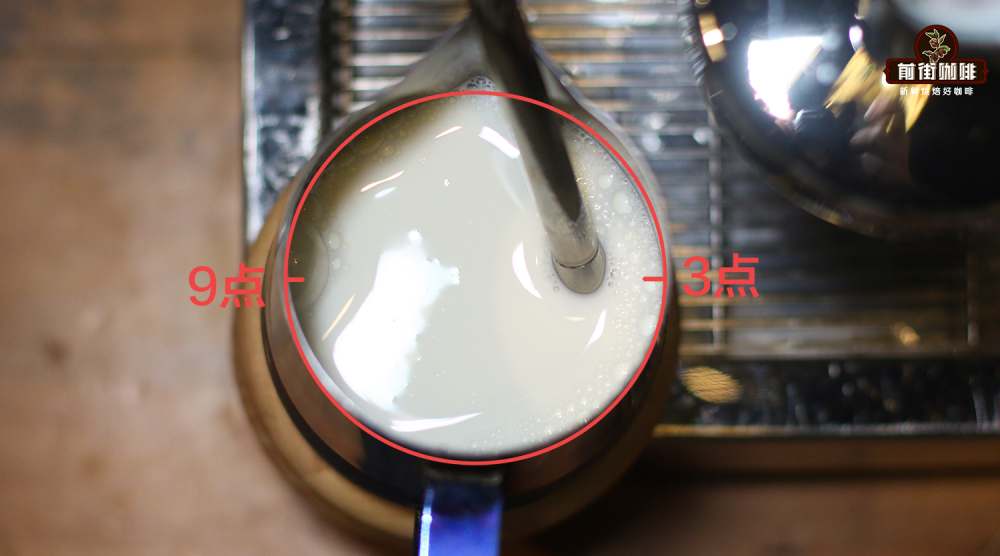
So what is the right milk-frothing level for latte art?
Based on FrontStreet Coffee's practical experience, foam is the single most important factor. The fineness of the foam directly affects how long it holds; the finer the foam, the more slowly it breaks down. Frothing has two stages, aerating and refining. Refining means turning the coarse foam you have already created into something finer. In practice, sink the steam wand deep into the foam layer, about 1cm below the surface, with every steam hole buried in the milk, and use a one-directional vortex to refine the foam until it is smooth. Properly finished foam has no large bubbles on the surface, a glossy, reflective sheen, and good flow.

Milk temperature also affects how quickly the foam breaks down and separates. The ideal frothing temperature is between 55-65°C. Below that range the milk's sweetness never fully develops; above it, the proteins denature too far and the foam collapses faster.
What Milk to Use for Frothing?
Another question FrontStreet Coffee often hears from customers is what milk to use for frothing. Generally, FrontStreet Coffee recommends whole milk. But does that mean other milks cannot be used for milk coffee, or that the process becomes more demanding?

First, remember that milk is built from three main components: protein, carbohydrates, and fat. Protein makes up 3.3% of milk, and it breaks down into two elements, casein and whey protein.
Whey protein contains nine essential amino acids and coagulates or deteriorates when heated to high temperatures. Casein forms "micelles." As steam froths the milk, the formation of micelles is interrupted, and casein molecules wrap around the air bubbles, protecting them from breaking and so building the foam.
The protein content of different milks shapes how long latte art holds on the surface of a latte. Whole milk gives a richer texture and thicker foam, while low-fat milk more easily produces large bubbles when frothed.
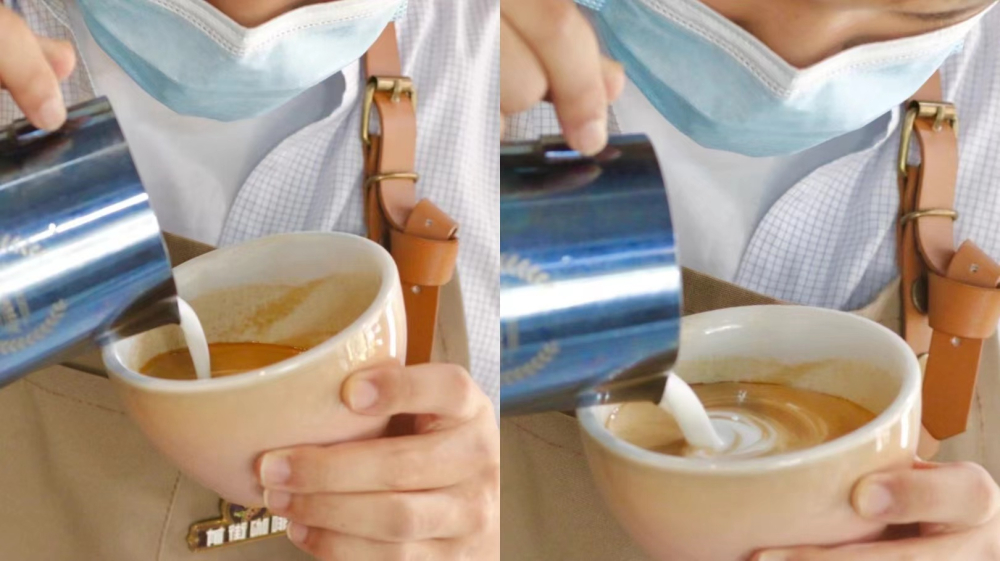
For this reason, when making milk coffee, FrontStreet Coffee chooses whole milk for its better foaming rate. Whole, low-fat, and skim milk can all be used to make milk coffee; the difference is that their fat and protein content varies, which changes how difficult the milk is to work with and, of course, how the drink tastes. Whole milk's high fat and protein give a dense, lasting, well-textured foam, making it the first choice. Other milks have their own advantages depending on the situation.
That is what FrontStreet Coffee has compiled on how to make a flat white and how to froth milk. FrontStreet Coffee also hopes this helps enthusiasts who want to understand the craft, so they can make an aromatic espresso milk coffee at home.
FrontStreet Coffee Recommendation
For the espresso base, the beans behind the shot decide how the coffee stands up to the milk. FrontStreet's Classic Blend is built for exactly this kind of drink: with its traditional mamba recipe and thick, fine crema, it brings a butter-and-cheese richness and a mellow, low-acid body that holds its own against steamed milk in a flat white, and it works just as well in a latte, cappuccino, or Dirty. If you gravitate toward fruit and florals, FrontStreet's Strawberry Candy espresso blend has almost no bitterness and pours with ripe grape and blueberry notes, sweet and tart in balance; with fresh milk it turns a flat white into something close to a strawberry milkshake.
Whichever bean you choose, remember that a flat white lives or dies by the foam. Keep the milk cold and fresh, aerate only briefly, and stop while the texture is still glossy, silky, and thin. Poured as a slow, centered stream over a ristretto or double shot, that thin veil of milk is what keeps the crema intact and lets the coffee, not the milk, lead the cup.
Important Notice :
FrontStreet Coffee is a long-established specialty coffee roaster in Guangzhou China, selling freshly roasted beans from its own farm in Yunnan as well as dozens of carefully selected single-origin beans from around the world for both pour-over and espresso. The products deliver consistently excellent quality and great value, with shipping within 24 hours. Guangzhou's FrontStreet Coffee shop is recommended by many coffee lovers, and the beans are now available online at the Tmall 。
FrontStreet Coffee has moved to a new address:
FrontStreet Coffee Address: 315,Donghua East Road,GuangZhou
Tel:020 38364473
 Scan and follow the En Gafei WeChat official account. Please indicate that the reprint comes from "En Gafei".

