Jansen Geisha vs Bolivia Java: Differences in Flavor Characteristics and Stories

When Geisha comes up, FrontStreet Coffee usually thinks first of the variety's unique floral and fruit aroma, which is exactly why so many drinkers pursue it. Not long ago we acquired a variety said to be a cousin of Geisha: the Java variety. That raises the question of just how much difference there is between the two.
Geisha
Geisha was discovered in 1931 in the Geisha forest of Ethiopia, then sent to the Coffee Research Institute in Kenya. In 1936 it was introduced to Uganda and Tanzania, and in 1953 to Costa Rica.

For a long time few people paid Geisha any attention. Then Don Pachi brought it from the small town of GESHA in southwestern Ethiopia to Costa Rica, and from there Geisha traveled the southern route to Panama. Hacienda La Esmeralda separated it from other varieties and won the national coffee championship with it, which is what finally brought Geisha into the spotlight.

Geisha is notably demanding about its growing environment. It needs high altitude, cloud cover and shade, fertile soil, and enough accumulated heat.
Java
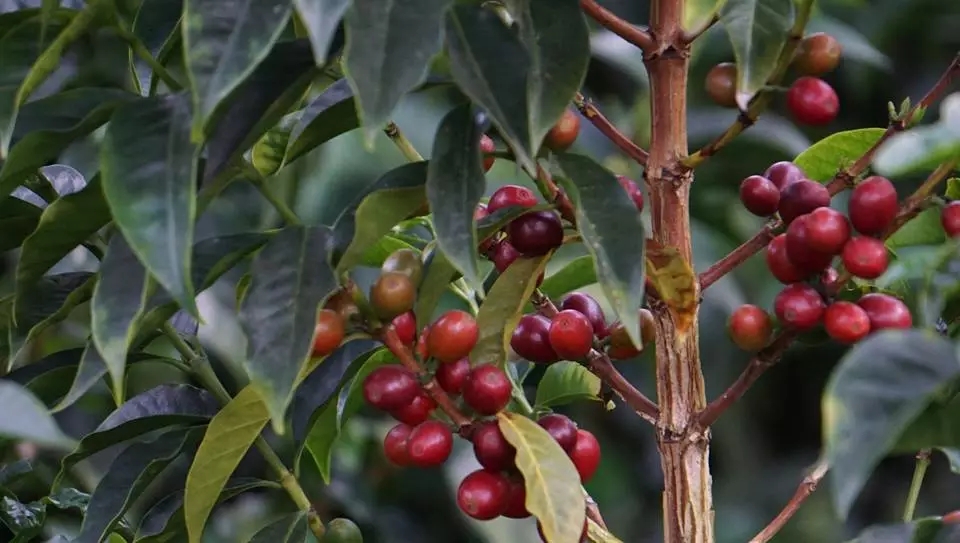
Locally known as the long-shaped bean variety in Bolivia, it takes its name from the elongated shape of the bean. Its official name is Java. Java is an intriguing variety, and its name strongly suggests a connection to Indonesia. In fact, Java was originally a coffee tree species growing in the primitive forests of Ethiopia, collected by local ethnic groups, and then carried to Indonesia through Yemen, where it was given the name Java. It was long assumed that Java was a branch of Typica, but genetic comparison revealed that Java is actually the Ethiopian variety Abysinia.
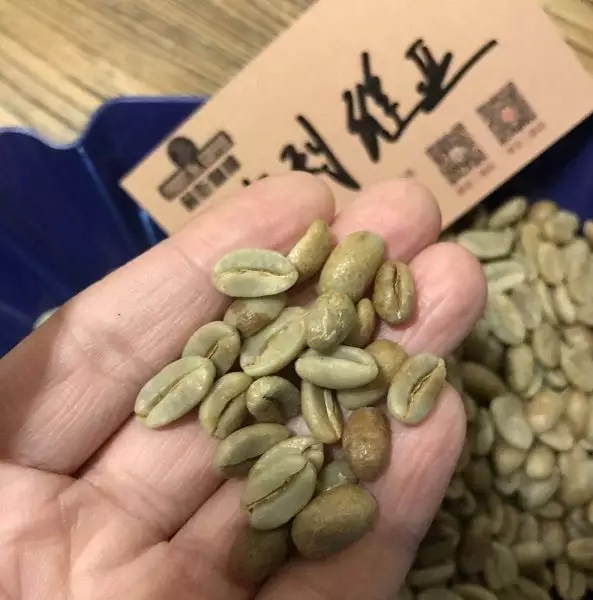
After Indonesia, Java first spread to the nearby Timor island group, and then to Cameroon in East Africa, where it was first released to farmers for cultivation in 1980. Its introduction to Central and South America came under the leadership of the breeding expert Benoit Bertrand, who brought it to Costa Rica in 1991 through CIRAD, the French agricultural research center for development. The first Central American country to officially recognize the Java variety was Panama. Its route into Bolivia came through Nicaragua.

Today we are comparing two varieties: FrontStreet Coffee's Jenson Estate Geisha from Panama and FrontStreet Coffee's Java from Bolivia. Both are natural processed.
Natural Process

The harvested cherries are poured into large water tanks, where ripe, full fruits sink to the bottom and floating beans are removed. The whole fruit, flesh, skin, and seed included, is placed on raised beds to dry in the sun and turned constantly until moisture content falls to about 12%, which takes roughly two to four weeks. Finally a hulling machine removes the hard dried skin, pulp, and parchment layer, exposing the green beans.
Green Bean Comparison
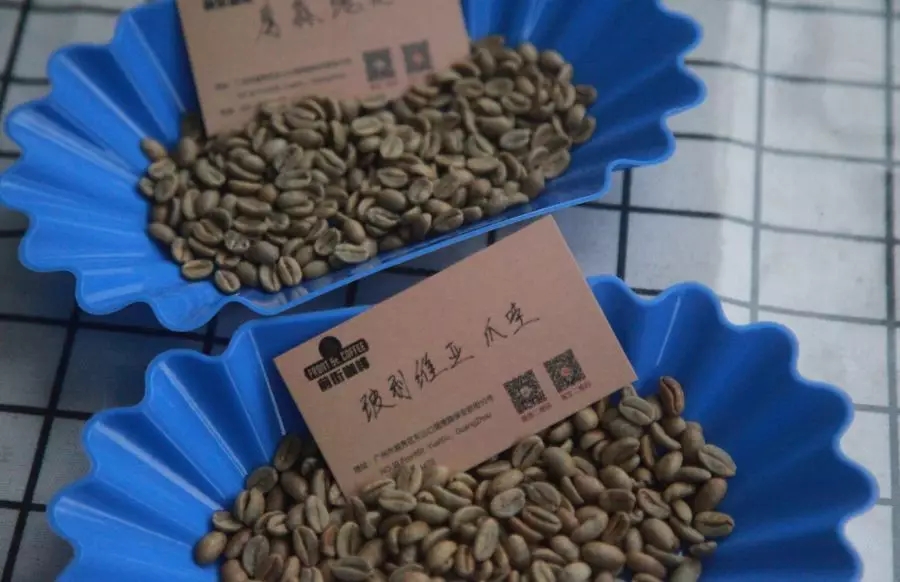

Looking at the green beans, the Bolivia Java is relatively slender and pointed at both ends, while the Jenson Geisha beans are slightly shorter and more rounded.
Roasting Comparison
Jenson Geisha
Yellowing point at 5 minutes, first crack began at 8:50 seconds at 184.3°C, developed for 1:30 seconds and discharged at 195°C.

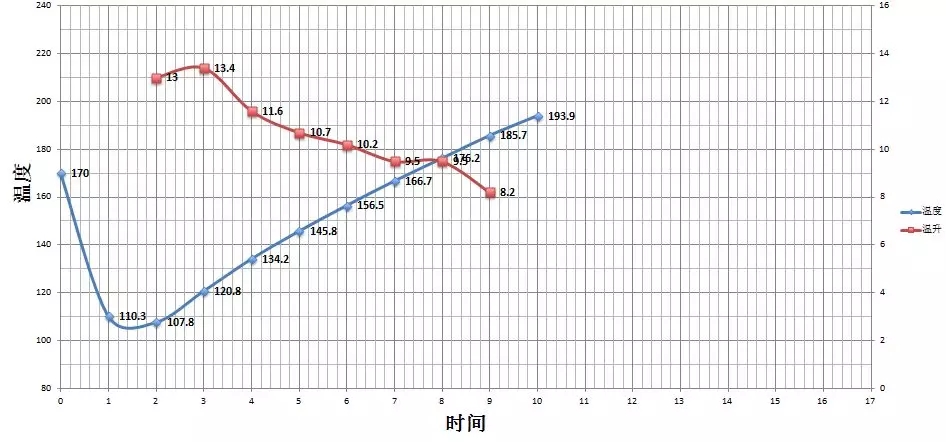


Agtron bean color value 77.8 (above image), Agtron ground color value 93.7 (below image), Roast Delta value is 11.9.
Bolivia Java
Yellowing point at 5 minutes, first crack began at 8:37 seconds at 181.8°C, developed for 1:30 seconds and discharged at 190.5°C.

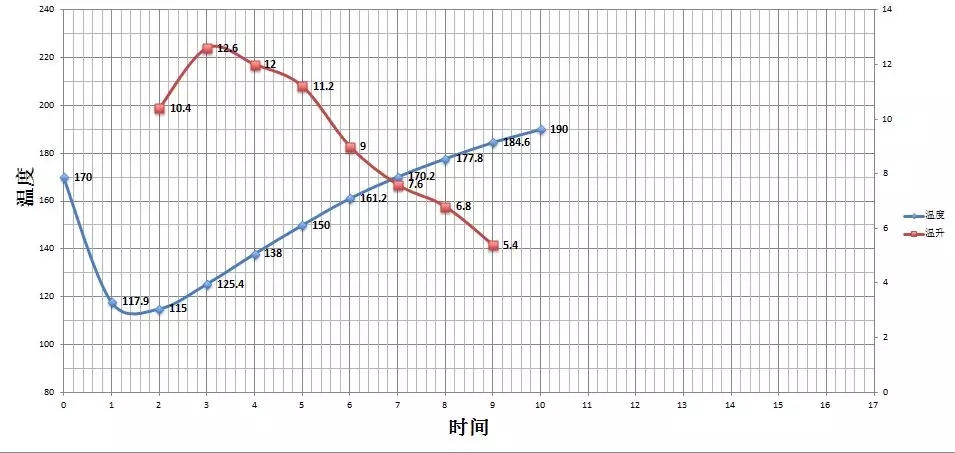


Agtron bean color value 63.8 (above image), Agtron ground color value 81.8 (below image), Roast Delta value is 18.
Flavor Comparison
Cupping
Jenson Geisha: The dry aroma carries a fermented scent of ripe fruit, with maple sugar, lemon, citrus, apple, rose, dark chocolate, fruit aroma, pomegranate, ripe grapes, peach, and dark berry flavors, and a multi-layered sweet-and-sour character.

Bolivia Java: The dry aroma is hazelnut. The first sip reveals cream, hazelnut, and almond sweetness alongside citrus and tropical fruit sweet-and-sour notes, with a fermented wine aroma.
Pour Over
Parameters: V60 / 1:15 / 90°C / grind size fine sugar (80% pass rate on a Chinese standard 20 mesh sieve) / brewing time from bloom: two minutes

Jenson Geisha: Carries the fermented aroma of ripe fruit. The first sip brings tropical fruit and berry sweet-and-sour flavors, with obvious maple sugar sweetness. The aftertaste holds some cocoa, grape, and rose tea aroma.
Bolivia Java: The first sip brings clear citrus, lime, and hawthorn sweet-and-sour flavors, with a fruit chocolate and vanilla cream aftertaste. As the temperature drops, sweet orange acidity emerges. Once cool, it shows light maple sugar sweetness and a jasmine tea and rose tea aftertaste, with a lasting sugarcane sweetness.

Conclusion
FrontStreet Coffee's Jenson Geisha is cleaner in flavor and mouthfeel, while FrontStreet Coffee's Bolivia Java has richer layers.
In fact, the Java variety surprised FrontStreet Coffee. It is rare to find a variety that gives up nothing to Geisha in flavor and aroma.
FrontStreet Coffee Recommendation
If the comparison above makes you want to taste how wide the Geisha family really is, FrontStreet Coffee's range runs from an easy introduction to the rarest lots. The Boquete Geisha is the entry point: a Panama coffee that delivers the classic orange-blossom honey quality, an oolong tea-like body, and a delicate fruit sweet-and-sour balance at a friendly price. From there, the Esmeralda estate splits its Geisha into two lines. The Green Label, officially Private Collection, blends several plots to present the estate's signature high-altitude Geisha character, and its price makes it the better value. The Red Label, officially Esmeralda Special, is grown between 1600-1800 meters, cups above 90 points, and is sold by numbered lot, each one drawn from a single small plot such as the Hari Miya plot.
Ethiopia offers the other half of the story, since it is where Geisha originated. The Granada Estate Geisha is grown at the Genlana farm, a rare single-variety estate, and after hand-picking the cherries it is dried on raised beds for 14-20 days. A medium-light roast brings out bright citrus acidity, elegant ginger lily, and a full ripe-fruit sweetness. At Gesha Village, the Gold Label is the Gesha 1931 variety and accounts for 10% of total production, refined by natural processing, while the Red Label is the Gori Gesha variety at 15% of production and scores 88 or above on the SCA 100-point scale.
Important Notice :
FrontStreet Coffee is a long-established specialty coffee roaster in Guangzhou China, selling freshly roasted beans from its own farm in Yunnan as well as dozens of carefully selected single-origin beans from around the world for both pour-over and espresso. The products deliver consistently excellent quality and great value, with shipping within 24 hours. Guangzhou's FrontStreet Coffee shop is recommended by many coffee lovers, and the beans are now available online at the Tmall 。
FrontStreet Coffee has moved to a new address:
FrontStreet Coffee Address: 315,Donghua East Road,GuangZhou
Tel:020 38364473
 Scan and follow the En Gafei WeChat official account. Please indicate that the reprint comes from "En Gafei".