The Difference Between Coffee Green Bean Competitions BOP and COE - Does BOP Champion Panama Geisha Coffee Taste Good?
BOP and COE: How the Two Big Green Bean Competitions Differ
BOP
As the world's first green bean competition, the arrival of BOP can be seen as a strategic move by Panama's specialty coffee industry in the coffee market of the time. Through that successful strategy, Panama created a blue ocean focused on quality over quantity. Every year, auction beans from here fetch prices in the hundreds of dollars. FrontStreet Coffee believes BOP has played a very important role in promoting quality cultivation in Panama's coffee.
In 1995, seven coffee-producing families in Panama jointly established the Specialty Coffee Association of Panama (SCAP). In 1996, they founded the first Panama green bean competition, Best of Panama (BOP).
Starting in 2004, SCAP organized the first Best of Panama auction, with only 11 lots of beans averaging $2.89 per pound. By 2012 that figure reached $24.83, greatly encouraging and promoting the development of specialty coffee. The renowned Hacienda La Esmeralda, Don Pachi Estate, Carmen Estate, and Elida Estate were all founding estates.
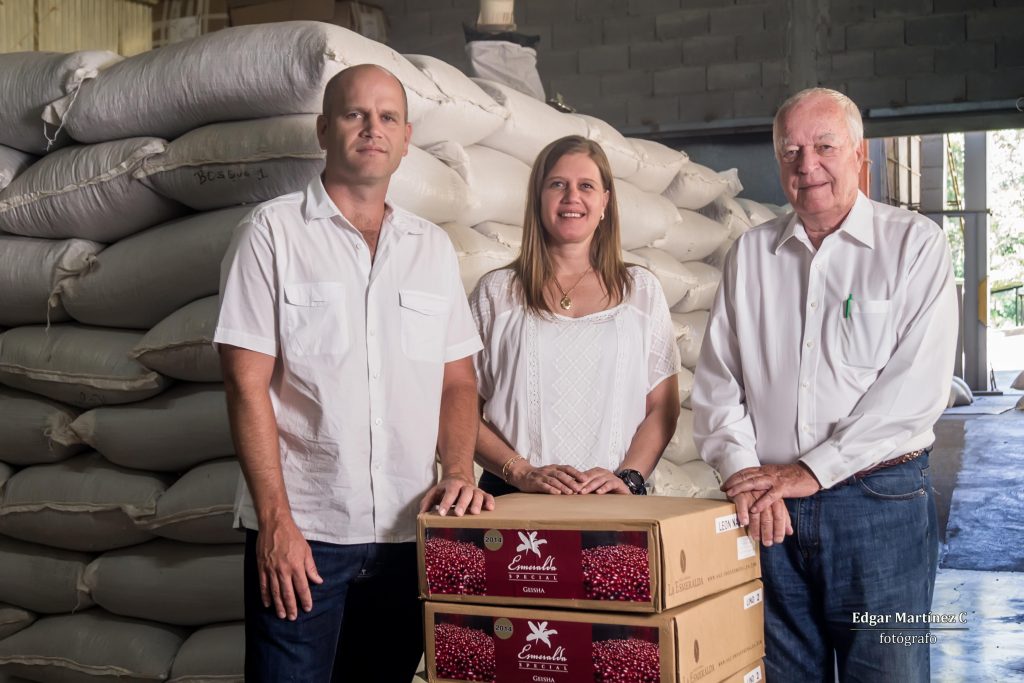
In 1964, the American banker Rudolph Peterson retired, moved to Panama, and purchased Hacienda La Esmeralda in Boquete, initially focusing on dairy production. Later his son Price resigned from his medical position to help his father manage the farm. In 1987 they introduced the Caturra and Catuai varieties, and in 1994 they established a washing station, giving them their own coffee processing facility.
Hacienda La Esmeralda currently has three main estates growing Geisha: El Velo, Canas Verdes, and Jaramillo. In 1996 the family acquired the nearby Jaramillo estate, which had superior geographical conditions and good flavor in its existing varieties. El Velo was acquired by Hacienda La Esmeralda in 2012. FrontStreet Coffee believes the decision to acquire estates with high-quality products at high altitudes was unusual at the time, and it allowed the estate to occupy a significant position in the coffee industry.
The Jaramillo estate is where the Geisha variety is cultivated. Because of its low yield, the previous owner used it mainly as a windbreak tree until it was acquired and its exceptional flavor was discovered. FrontStreet Coffee feels this is precisely the charm of Geisha coffee: the more adverse the growing environment, the better the flavor expression.
Although Hacienda La Esmeralda initially discovered beans with distinctive flavor, it wanted precision, so it cupped beans from different areas of the estate and determined planting plots based on altitude. That is how the Red Label, Green Label, and Blue Label Geisha grades we know today came about, all classified by altitude. FrontStreet Coffee explains the details below.
Beginning with its win at the Panama green bean competition BOP in 2004, the estate continued to achieve remarkable results. Later expert identification revealed that the coffee was the Geisha variety from Ethiopia. Since then the Peterson family has focused most of its energy on building the infrastructure needed to support excellent batch separation and refined processing.
Hacienda La Esmeralda Geisha Red Label
Region: Panama, Boquete
Estate: Hacienda La Esmeralda, El Velo
Altitude: 1600-1800m
Variety: Geisha
Processing: Natural
The Red Label, or Esmeralda Special, is an independent auction organized by Hacienda La Esmeralda itself and featuring only Geisha varieties. Batches are named by production area, and each area is further divided into smaller lots for auction. Only Geisha lots that the estate puts forward for its independent auction may use the Esmeralda Special name. Since 2013, Esmeralda Special has had nine batches.
FrontStreet Coffee Roasting Records
Roaster: Yangjia 800N (roasting amount: 300g)
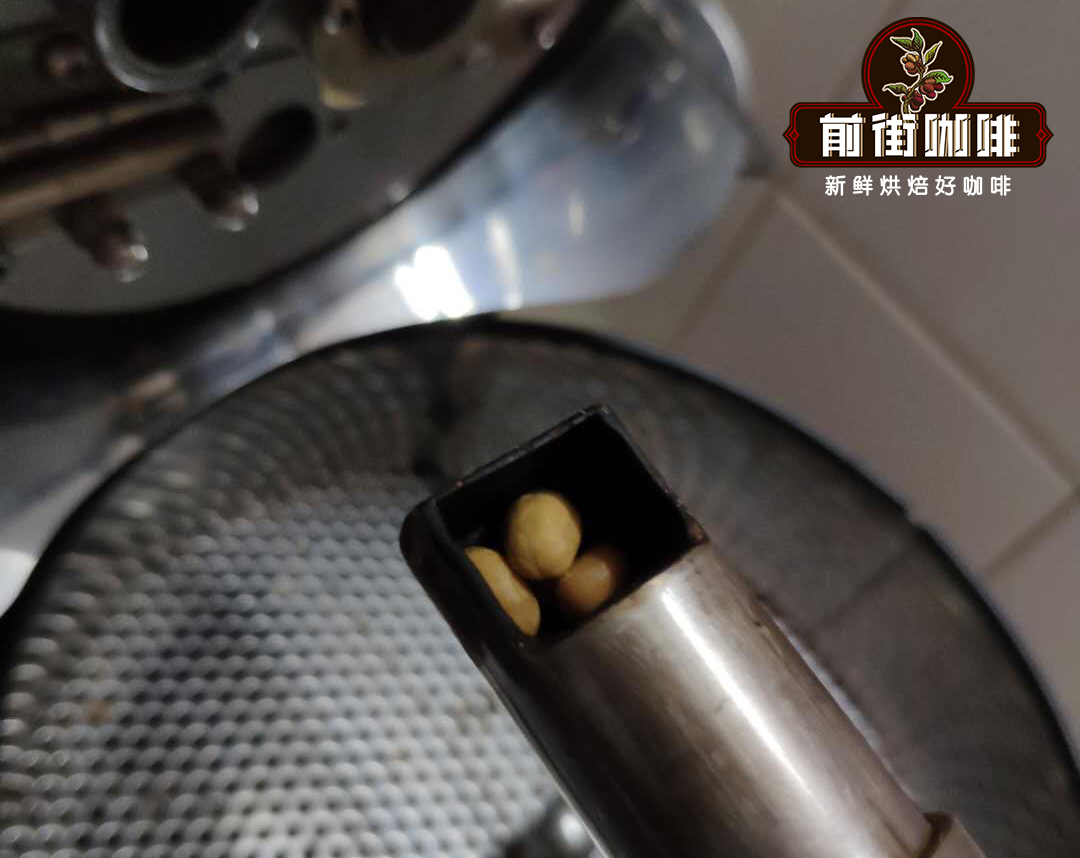
Charge the drum at 150 degrees Celsius, with heat power at 120 and the damper at 3. The temperature returns at 1'36"; when the drum reaches 140 degrees Celsius, open the damper to 4 with the heat unchanged. When the drum reaches 147.6 degrees Celsius the bean surface turns yellow, the grassy aroma disappears completely, and the beans enter the dehydration stage. When the drum reaches 150 degrees Celsius, adjust heat power to 100 with the damper unchanged.
At 7'38", the bean surface shows ugly wrinkles and black spots, and the toast aroma clearly shifts to coffee aroma, which can be defined as the prelude to first crack. At this point, listen carefully for the sound of first crack. At 8'10" first crack begins; open the damper to 4, develop for 1'28" after first crack, and discharge at 189.5 degrees Celsius.
FrontStreet Coffee Brewing Guide
Recommended brewing method: Pour-over
Filter: V60
Water temperature: 88-90 degrees Celsius
Coffee-to-water ratio: 1:15
Grind size: BG 6R (China standard #20 sieve pass rate 76%), medium-fine grind
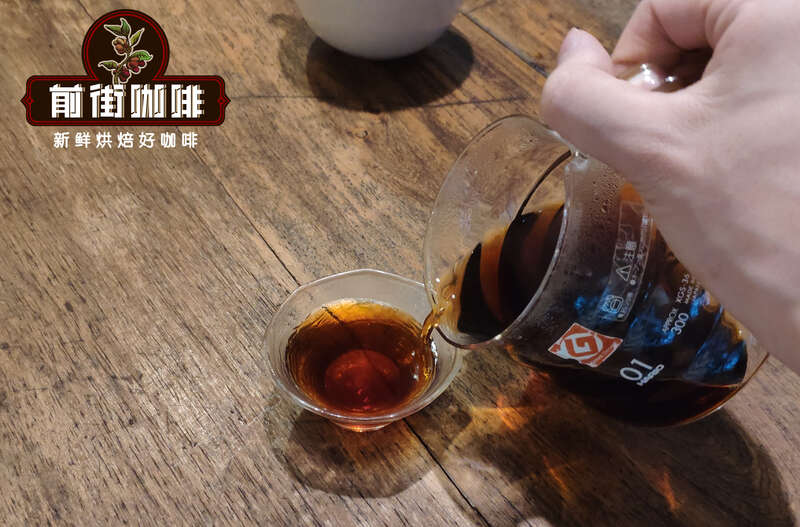
Brewing technique: Segmented extraction. Bloom with 32g of water for 30 seconds. When the small circular pour reaches 125g, segment the pour. Continue pouring to 228g when the water level is about to expose the coffee bed, then remove the dripper. Timing starts from the bloom. Extraction time: 1'52".
Flavor: an aroma of white ginger flower and citrus, the taste of ripe fruit, black tea, and citrus, with a sweet-and-sour fruit tea character. The aftertaste carries berry sweetness with a relatively persistent finish.
COE
C.O.E. stands for Cup of Excellence, an international coffee cupping competition. Among top-tier coffee competitions, the C.O.E. evaluation is the most credible. Outstanding candidates who emerge from its rigorous competition represent the highest-quality coffee from that country for that year. They must maintain high scores consistently across every cupping to rank among the top, and only then can they receive the C.O.E. award designation. Beans from winning estates are auctioned through unified online auctions, allowing buyers worldwide to bid in an open and transparent way. This spreads the reputation of excellent farms quickly while ensuring that competition lots receive better prices.
The competition is generally held annually, with specialty coffee growers submitting their best beans to domestic or international judges from the association. Entries must pass strict competition rules, and the final winning estates usually pass through six rounds of screening. Typically, from 500 farms, fewer than 30 remain in the final selection. Cauca Cup of Excellence and COE are therefore two different competition concepts.
First held in Brazil in 1999 by the Alliance for Coffee Excellence (ACE), it is today the world's most renowned and authoritative specialty coffee competition, and also the most credible among top-tier coffee evaluations.
Every coffee that wins in C.O.E. must have its own unique character. To come out on top among so many farms, it must survive rigorous challenges and be of superior quality among them. Competition beans themselves have very few defects and insect damage, high consistency in bean size, and similar color. Even after roasting, the degree of expansion and the color are consistent. The flavor reflects the growing environment, soil, terrain, and even the green bean processing method, creating unique flavors. Although beans produced on the same farm differ relatively little in these conditions, competition beans are definitely the best beans selected from the farm.
With C.O.E. competition experience, it is easier to establish information and contact with foreign buyers in production, transportation, and marketing, and it helps foreign buyers resolve concerns. For small-yield farms of about 30-40 bags, it is easier to trade directly with more foreign small-scale coffee buyers without going through intermediaries or large coffee traders, which benefits both sides. Besides eliminating the profit taken by intermediaries, it mainly saves freight and tariffs between countries, which is what drives coffee producers to compete.
Award-winning estates receive C.O.E. recognition for their quality improvement efforts. They receive major awards, and farmers' efforts receive the prices and returns they deserve. Participating in C.O.E. encourages farmers to dedicate themselves to improving quality and raising the level of their beans, and it also helps create a specialty coffee market.
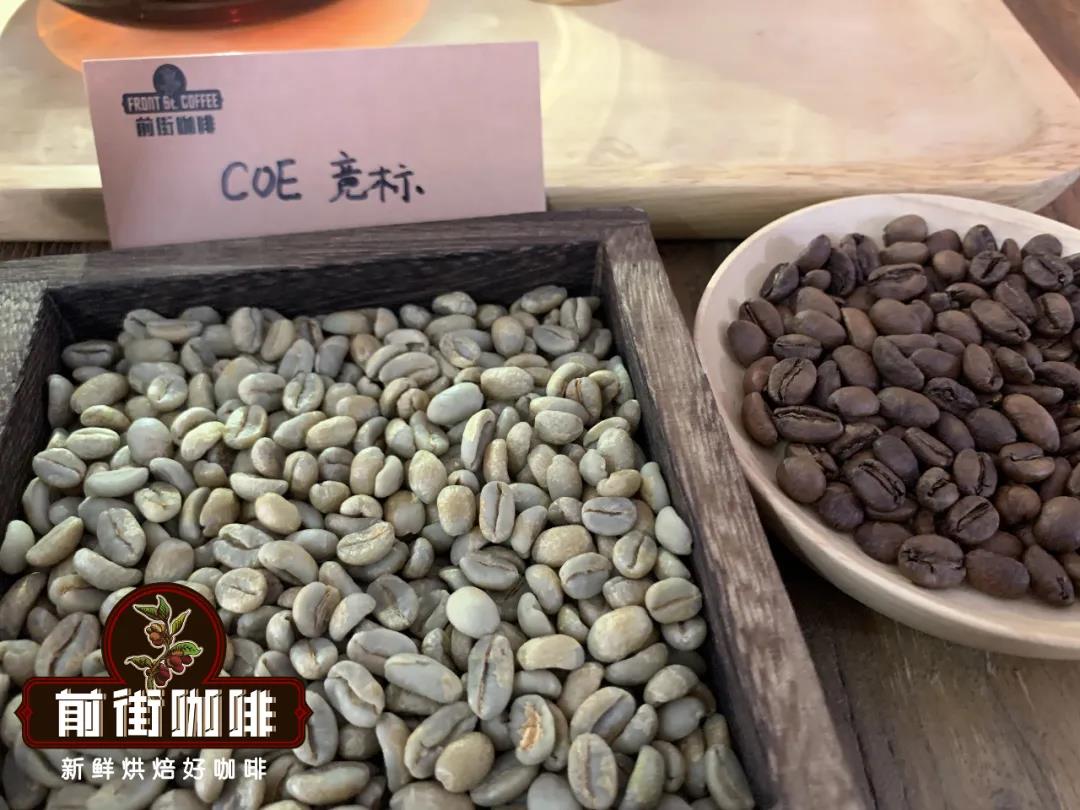
At FrontStreet Coffee you can also find beans that have won in COE cupping competitions. Examples include the Pache and Pacamara from Guatemala's Little Blueberry Estate, and beans from Brazil's Shenmu Estate. In the first Ethiopian COE competition in 2020, FrontStreet Coffee also participated in the bidding for one of the lots.
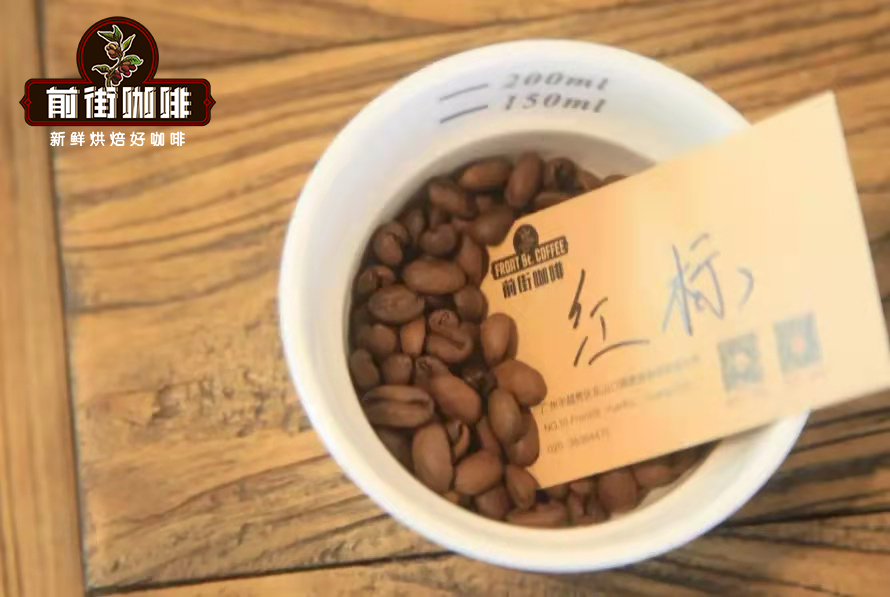
FrontStreet Coffee - Ethiopia COE #22
Region: Sidamo, West Arsi
Variety: Typica
Processing: Natural processing
Award: 22nd place in 2020 Ethiopia COE
FrontStreet Coffee Roasting Records
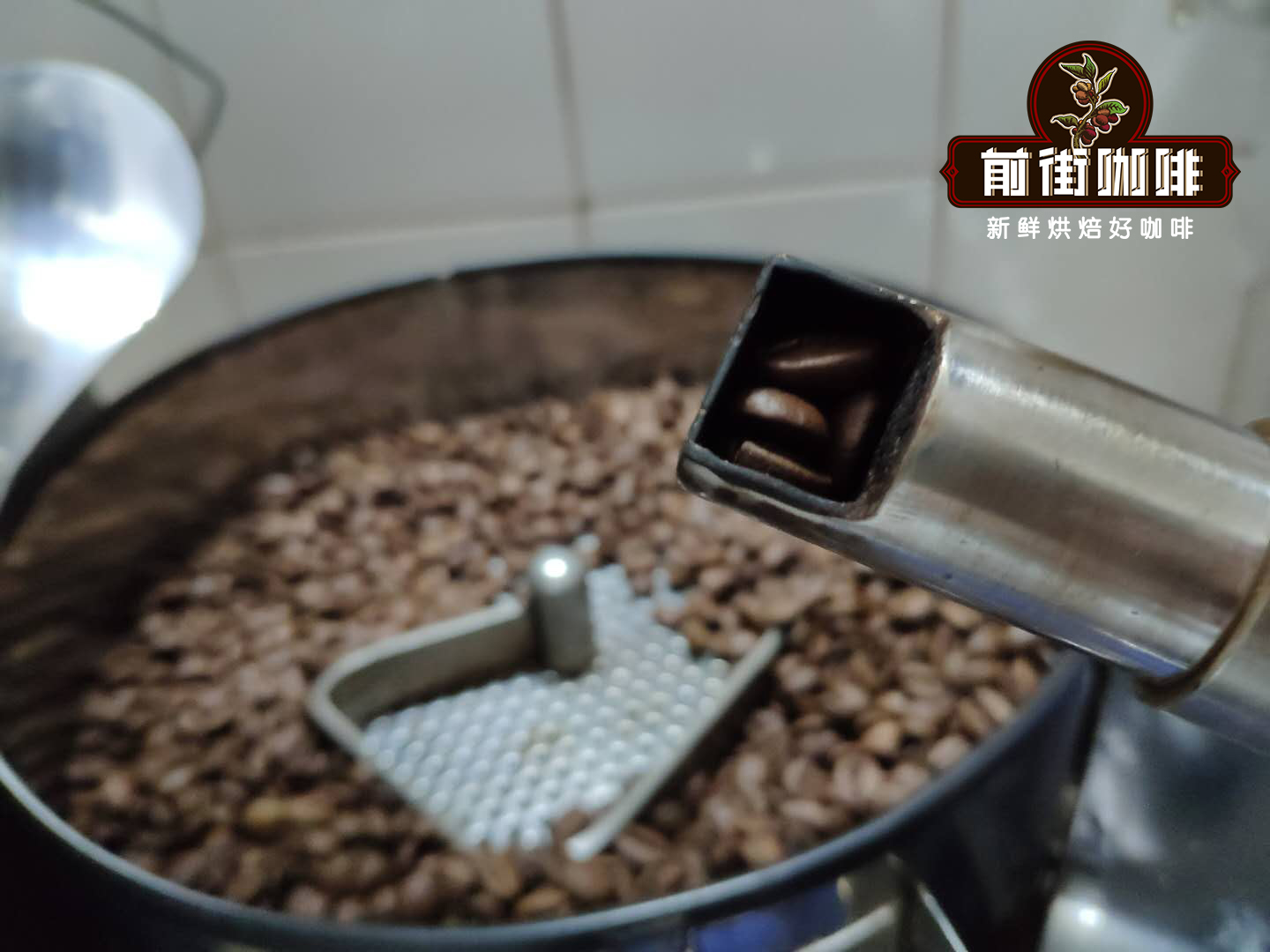
FrontStreet Coffee's barista uses a Yangjia 800N semi-direct flame, roasting amount: 480g. Charge the drum at 170 degrees Celsius, heat power at 130, damper at 3. The temperature returns at 1'32"; when the drum reaches 100.2 degrees Celsius, the heat is unchanged. At 3 minutes, adjust the damper to 4; at 4 minutes, increase heat power to 140.
When the drum reaches 150.5 degrees Celsius the bean surface turns yellow, the grassy aroma disappears completely, and the beans enter the dehydration stage. At 8'36" the bean surface shows ugly wrinkles and black spots, and the toast aroma clearly shifts to coffee aroma, which can be defined as the prelude to first crack. At this point, listen carefully for the sound of first crack. At 9'10" first crack begins; develop for 1 minute 30 seconds after first crack, and discharge at 192.5 degrees Celsius.
FrontStreet Coffee Cupping Report
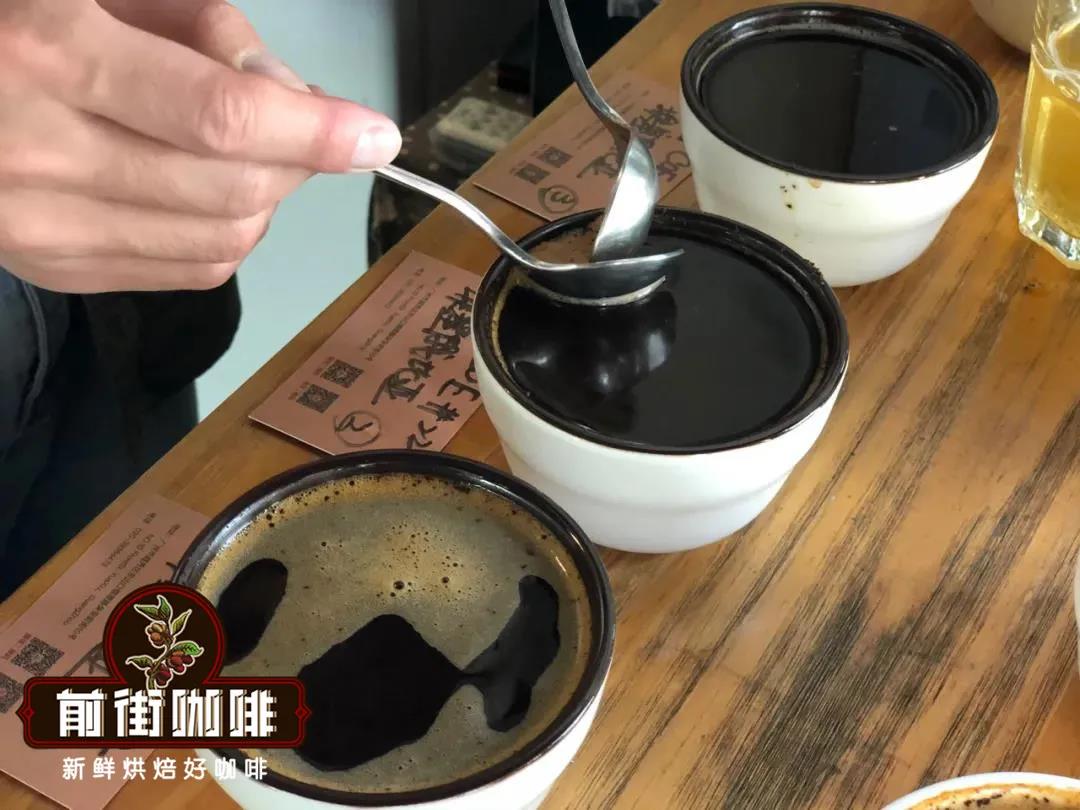
FrontStreet Coffee conducts cupping within 8-24 hours after roasting the sample beans. The cupping uses 200ml ceramic bowls with water at 94 degrees Celsius. The cupping grind has a 70%-75% pass rate through a #20 standard sieve (0.85mm). Ratio: 11g of coffee to 200ml of hot water, that is 1:18.18, so the extracted concentration falls within the 1.15%-1.35% golden cup range. Steeping time is 4 minutes.
Dry aroma: Citrus
Wet aroma: Citrus, camellia
Flavor: Citrus, lychee, honey, cream, wine aroma, mango, strawberry
FrontStreet Coffee Brewing Guide
Filter: V60 #01
Water temperature: 90-91 degrees Celsius
Dose: 15g
Coffee-to-water ratio: 1:15
Grind size: Medium-fine grind (China standard #20 sieve pass rate 80%)
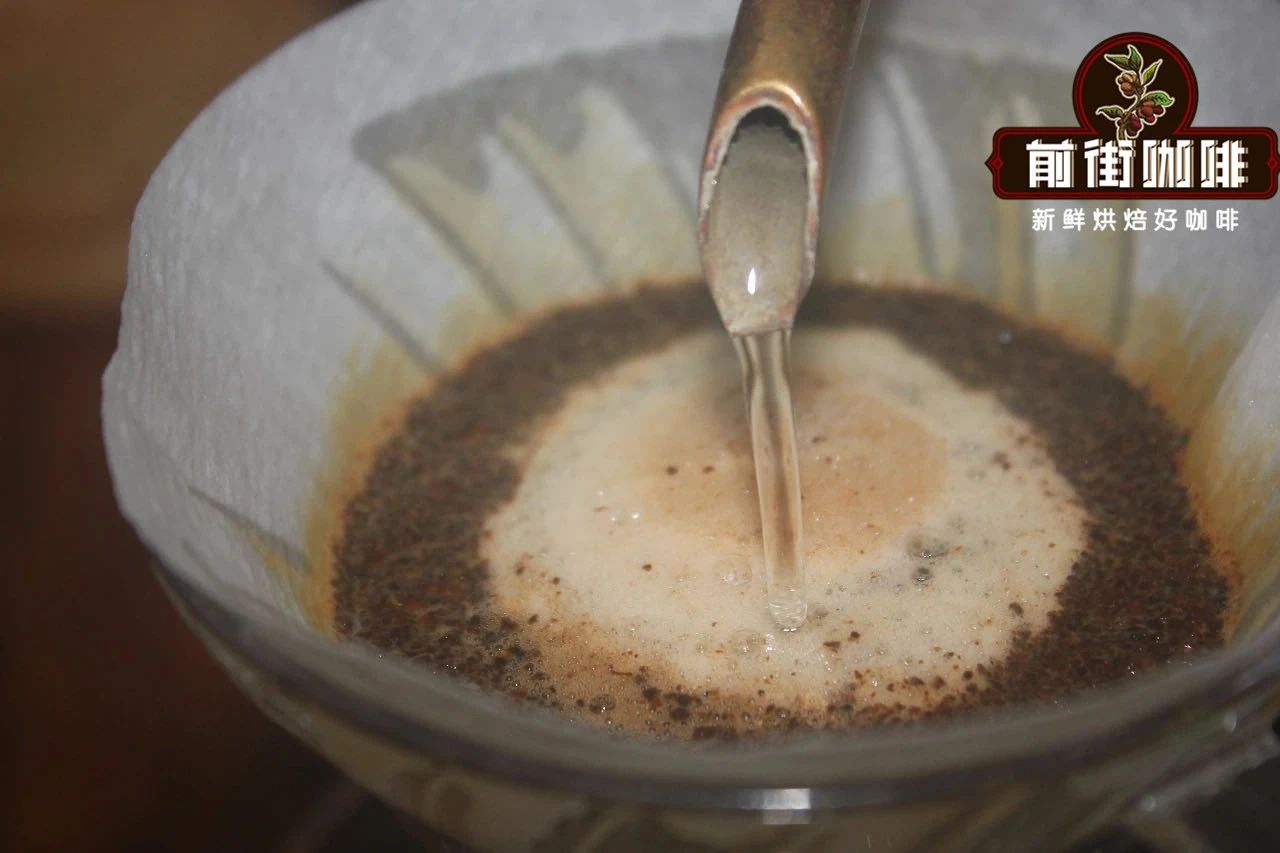
FrontStreet Coffee brewing technique: Three-stage extraction. Bloom with 30g of water for 30 seconds. When the small circular pour reaches 125g, segment the pour. Continue pouring to 225g when the water level is about to expose the coffee bed, then remove the dripper. Timing starts from the bloom. Extraction time: 2'00".
Brewing flavor: sweet and sour notes of strawberry and lychee, a fermented wine aroma, a creamy smoothness, and a honey-like aftertaste.
FrontStreet Coffee Recommendation
Both BOP and COE exist to identify the best lots from an origin, and for many drinkers the clearest way to understand what that means is to taste a Geisha. FrontStreet Coffee's Esmeralda Red Label comes from Hacienda La Esmeralda, which won the Panama green bean competition BOP in 2004 and whose name has been inseparable from Geisha ever since. In 2022 the estate split its auction lots out as a separate Esmeralda Auction brand, and on August 17, 2022, Beijing time, its ES-W-3-1 lot sold for $2,755 per kilogram, the highest price in the estate's history. Alongside Red Label, the estate's Green Label selects micro-lot blends from plots such as Jaramillo and Canas Verdes, while the Blue Label, or Geisha 1500, comes from around 1500 meters and is the most affordable tier.
Where the Red Label specifies a single plot and cups above 90 points, the Green Label blends plots without naming them, so its flavor can be very close to the Red Label one batch and different the next, though it still carries the classic Geisha profile of floral and fruity notes, citrus acidity, and a thick, juicy body; in recent years it has been washed only, and FrontStreet Coffee considers it the better value of the two. For anyone new to Geisha, FrontStreet Coffee usually recommends starting with the Boquete Geisha from Panama, an entry-level Geisha that delivers the classic orange-blossom honey character, an oolong-tea feel, and delicate fruit acidity at a friendly price. Those ready to go deeper can look to Ethiopia, the birthplace of the variety, where the Gesha Village estate grows three Geisha types, Gori Gesha, Gesha 1931, and Illubabor Forest, sold under the Gold Label Rarities, Red Label Growers Reserve, Green Label Single-Terroir, and Chaka tiers, and where FrontStreet Coffee's single-variety Grana estate Geisha comes from a washing station established in 2014 that handles cherries from a coffee area of 700 hectares.
Because Geisha is usually a medium-light, floral and fruity coffee with a hard, dense bean that tends to sink and block the dripper, FrontStreet Coffee suggests a grind of 78% passing through a China standard #20 sieve, about the size of fine granulated sugar, and water at 91 degrees Celsius. Use 15g of coffee, a small Hario V60, and a 1:16 ratio, then pour in three stages: bloom to 30g for 30 seconds, pour in small circles to 125g, wait for the bed to drain halfway, then continue in small circles to 225g, for a total extraction of about 2 minutes 10 seconds to 2 minutes 20 seconds. Geisha also works as an SOE: for that, FrontStreet Coffee suggests 20g of coffee, a 1:2 coffee-to-liquid ratio, a 25-second extraction, and 40g of espresso, then either 200g of hot water for an Americano or 200g of milk for a latte. For a cold brew, use 30g of the Strawberry Candy blend, a coffee that pairs Costa Rican honey processing with a Panama Geisha, ground to fine granulated sugar (EK43s setting 9, or 24 on a C40 hand grinder), add 360g of room-temperature water at a 1:12 ratio, stir, cover, and refrigerate; after 8 hours, filter out the grounds, seal the liquid, and return it to the fridge to mature for 3 hours, which brings out grape juice, rose, sweet orange, and fruit wine flavors.
Important Notice :
FrontStreet Coffee is a long-established specialty coffee roaster in Guangzhou China, selling freshly roasted beans from its own farm in Yunnan as well as dozens of carefully selected single-origin beans from around the world for both pour-over and espresso. The products deliver consistently excellent quality and great value, with shipping within 24 hours. Guangzhou's FrontStreet Coffee shop is recommended by many coffee lovers, and the beans are now available online at the Tmall 。
FrontStreet Coffee has moved to a new address:
FrontStreet Coffee Address: 315,Donghua East Road,GuangZhou
Tel:020 38364473
 Scan and follow the En Gafei WeChat official account. Please indicate that the reprint comes from "En Gafei".