Kenyan Thika Region Coffee Beans: Exploring the Distinctive Flavor Profile of Kenya's African Coffee Heritage
The Thika Region of Kenya
Thika is one of the renowned coffee-producing areas of Kenya, Africa's second-largest coffee-producing country. Compared with beans from other Kenyan regions, Thika coffee carries not only distinct tomato-like notes but a character all its own.
The primary processing method for green beans is washed, with grading by bean size and cupping quality determining actual value. The highest grade is AA (large beans retained on a 7.2mm sieve), then A (second-largest, retained on a 6.8mm sieve), B (medium, retained on a 6.2mm sieve), C (all small beans smaller than B), and PB (oval-shaped beans), plus TT and T grades for beans that are too light or too small. Grade A and B beans are mixed together for export under the name AB. Kenya's authorities (CBK) set extremely high requirements for coffee beans, with consistent packaging and excellent quality — which is why enthusiasts never forget to enjoy a cup of Kenyan coffee.
KIAMBU
This central region is made up mostly of large landowners. As cities expand, though, many large landowners have found it more profitable to sell their land for urban development than to keep farming. Beans from this region are named after their production areas — Thika, Ruiru, Limuru, and so on. Many large landowners also run multinational enterprises, so their agricultural focus is on higher returns rather than higher quality. Still, some smallholders remain in the region.
Major Growing Regions
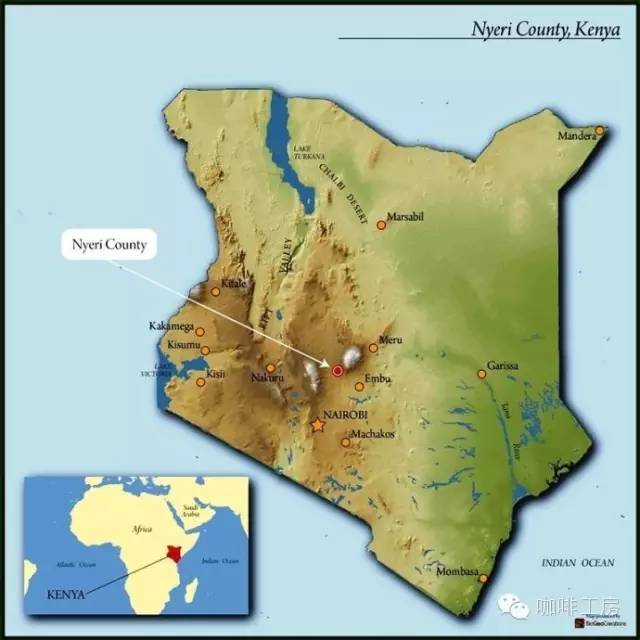
The premium coffee growing regions come mainly from these counties: Nyeri, Kirinyaga, and Murang'a.
Embu and Laikipia are also fairly common.
On a topographical map, all the renowned regions sit around Mount Kenya.
Green Bean Naming
Kenyan green bean names generally follow this format:
Country name + County name + (Cooperative name +) Factory name + Grade + Other
Take the 2015 Kenya Nyeri Gatomboya AA GP (click for green bean traceability) as an example: this green bean comes from the Gatomboya factory in Nyeri County, Kenya, AA grade, packed in grain-specific bags. (Reference: Interpretation of common green bean label terminology.)
Kenyan coffee is named mainly after coffee processing factories, which makes it hard to trace back to individual farmers.
Thanks to Kenya's famous coffee auction system, quality stays consistently high.
Factory Classification
Kenyan coffee growers are mostly smallholders, primarily responsible for harvesting and delivering the picked fresh cherries to processing stations.
Processing stations generally fall into two types: wet mills and dry mills.
Wet mills handle the depulping of fresh cherries and drying. The dried parchment coffee is then sent to dry mills.
Dry mills handle the operations needed for export, such as hulling and grading.
Additional Notes
For related introductions to Kenyan coffee, see these articles:
- Kenyan Coffee: Overview
- Kenyan Coffee: Grade Classification, Kenya AA
- Kenyan Region: Kirinyaga
- Kenyan Region: Muranga
- Kenyan Region: Nyeri
Kenya's coat of arms, established in 1963, features a diamond-shaped shield in the national flag's colors at its center, flanked by two golden lions — one holding a spear, the other supporting the shield. At the center rear, a white rooster holding an axe is the emblem of the Kenya African National Union; by local tradition the rooster symbolizes new life. The two male lions embody national sovereignty and dignity, and also allude to Kenya's connection with Britain. Beneath the lions lies Mount Kenya, Africa's second-highest mountain, standing on fertile land that bears coffee, citrus, sisal, tea, corn, and pineapples — abundant and fragrant, symbolizing the peaceful life of the Kenyan people and the prosperity of the nation. On the coffee-colored ribbon below the coat of arms is the Swahili word "Harambee" (togetherness), expressing the Kenyan people's wish for peaceful, friendly, free, and equal coexistence.
Kenya AA has round beans with thick pulp, excellent heat conductivity, and high refinement, and is roasted with French methods. The flavor is rich and sweet with body, good expansion, and aroma and sweetness of superior quality.
The best Kenyan grades are Peaberry (PB), followed by AA++, AA+, AA, AB, and so on in descending order. Premium coffee has a bright luster, a delicious taste, and slight wine-like notes. Organizing auctions also meets the needs of blenders.

Kenya
In 1878, the British brought coffee to Africa, establishing plantations in Kenya during the 19th century. At the time, Ethiopian coffee beverages were imported to Kenya via South Yemen. It was not until the early 20th century, however, that Bourbon coffee trees were introduced by the St. Austin Mission.
Kenyan Coffee Origins:
Kenyan coffee grows mostly at altitudes of 1,500–2,100 meters, with two harvests a year, and is grown by smallholders. It is produced near Mount Kenya in central Kenya and is sometimes named after the capital, Nairobi, to guarantee quality. Kenya AA comes from the 17,000-foot slopes of Mount Kenya near Nairobi. Kenya AA represents the country's largest beans, followed by A, then B. Its distinctive bitterness and wine-like notes are the most praised. Located in East Africa near the equator, Kenya grows high-quality Arabica. The beans are medium-to-large, very rich and flavorful, with moderate acidity.
Kenyan Coffee Characteristics:
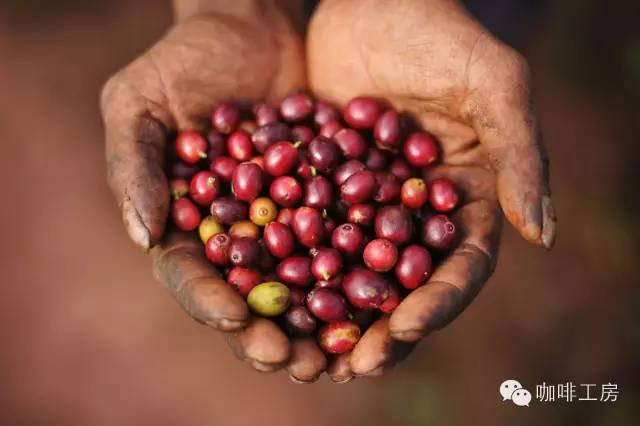
Coffee professionals universally count Kenyan coffee among their favorites. It has a wonderfully aromatic and satisfying fragrance, balanced and delicious acidity, uniform bean size, and excellent fruit flavors.
Kenyan grades are divided into seven levels by bean size, and further classified into six quality grades by flavor, from highest to lowest. The best grade is Peaberry (PB), followed by AA++, AA+, AA, AB, and so on. Premium coffee has a bright luster, a delicious taste, and slight wine-like notes. In terms of flavor, "Kenya AA" is particularly well-regarded.
Kenyan coffee is slightly acidic with a rich aroma, and its smaller green beans show green to gray-green colors. Kenyan beans are washed Arabica, famous as Kenyan Arabica — especially in the UK, where Kenyan coffee surpasses Costa Rican to become one of the most popular coffees.
Flavor: aromatic and rich, with fruit flavors and a rich, perfect mouthfeel.
FrontStreet Coffee Roasting Recommendations:
Kenya relies mainly on the SL28 and SL34 varieties, with harder, denser beans thanks to the high altitude. Washed Kenyan beans hold a lot of moisture and need thorough dehydration during roasting. Use medium heat in the early stages, with 20% airflow when the beans are charged. Increase heat at the color-change point to build aroma, opening the damper to 50%. At first crack, set the damper to 80% and adjust heat based on ROR. A light roast preserves floral and fruit aromas; for richer body and sweetness, develop to a medium roast.
The Kenyan Coffee Market:
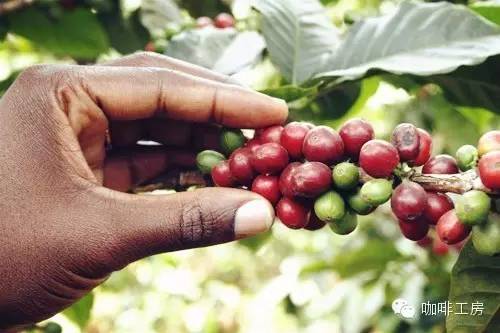
The Kenyan government takes the coffee industry extremely seriously — cutting down or destroying coffee trees is illegal. Kenyan buyers are world-class premium coffee purchasers, and no other country can continuously grow, produce, and sell coffee the way Kenya does. All beans are first purchased by the Coffee Board of Kenya (CBK), inspected and graded, then sold at weekly auctions without further grading. The CBK acts only as an agent, collecting samples and distributing them to buyers to help them judge price and quality. The Nairobi auctions are held for private exporters, with the CBK paying growers below-market prices.
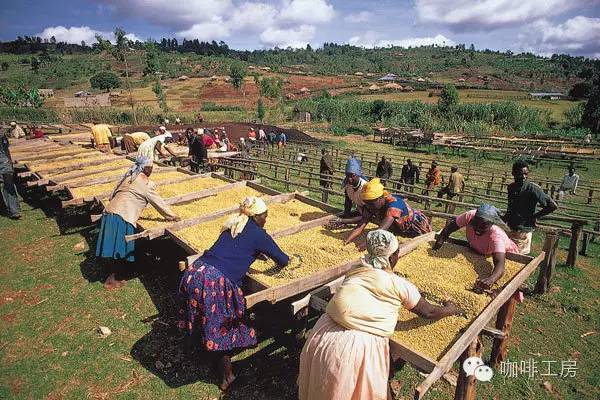
After harvest, Kenyan plantations first send fresh beans to cooperative washing stations, where the washed and dried coffee is delivered to the cooperatives as "parchment coffee" (beans still covered by the inner parchment skin — the final state before hulling). All coffee is collected together, with growers demanding average prices based on actual quality. This trading method generally works well, being fair to both growers and consumers.
Organizing auctions also meets the needs of blenders. These auctions typically handle smaller quantities (3–6 tons per lot), with samples bearing grower markings available for buyers to taste. After the auction, exporters package according to the different flavors, qualities, and quantities blenders need, which gives blenders great flexibility. Quality-conscious Germans and Nordics are long-term buyers of Kenyan coffee. Some buyers, Japanese merchants especially, have voiced dissatisfaction with the Kenyan system — yet Kenya's detailed regulations and comprehensive procedures are a model worth learning from for every coffee-producing country.
The coffee is aromatic and rich, with fruit flavors and a rich, perfect mouthfeel. Kenyan coffee has a wonderful fruit flavor, tasting of blackberry and grapefruit, which makes it a favorite among many connoisseurs. It shows excellent medium clarity, with a crisp and clean mouthfeel. The flavor is refreshing and especially suited to iced coffee in summer.
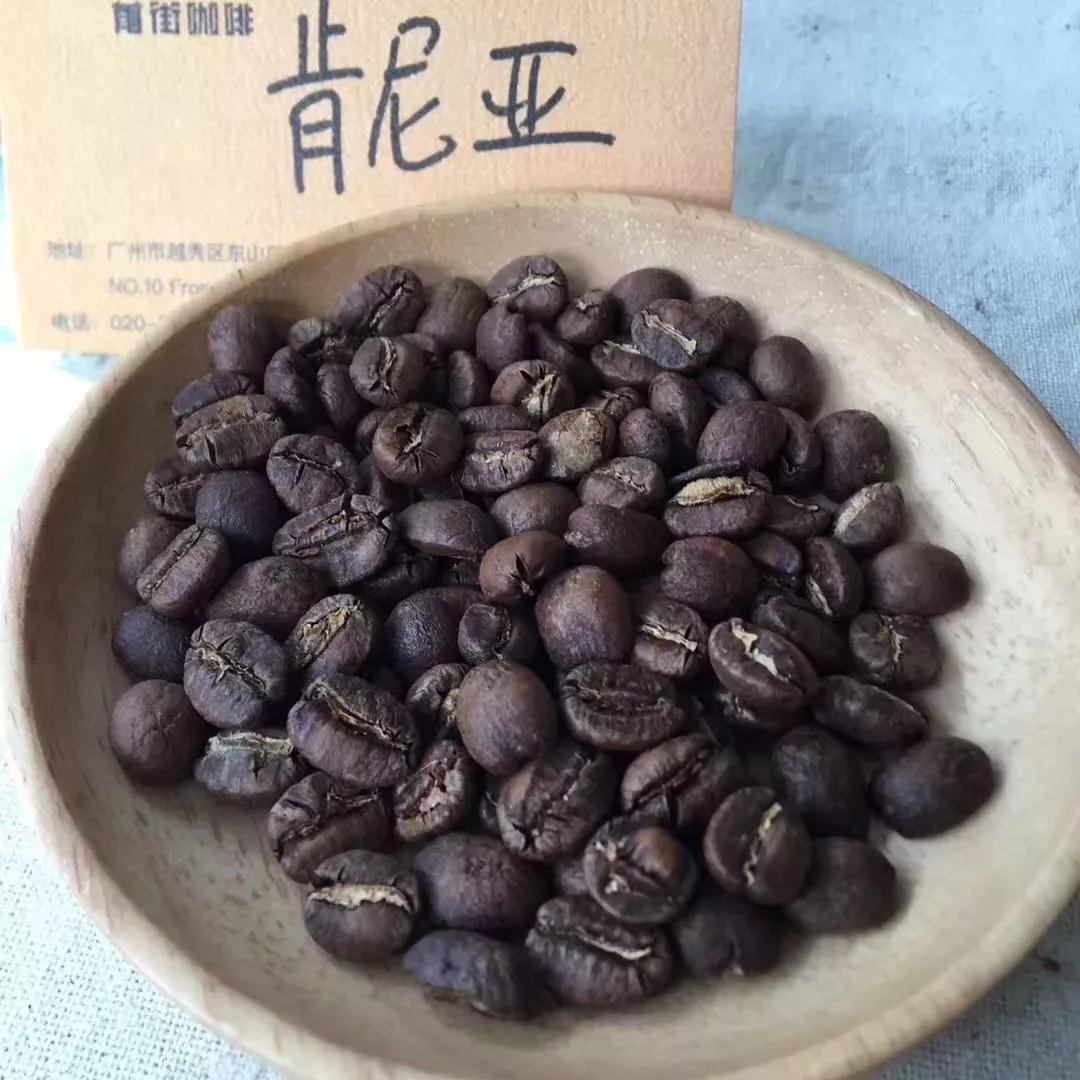
Tasted alongside acidic fruits such as grapefruit, it makes for the best possible coffee experience. "Not quite like coffee, more like fruit tea" is a common reaction to this light-roasted Kenyan coffee. Different climates and rainfall each year bring distinct, unique characteristics. Take the AA Plus grade "Kenya AA+ Samburu": the 2001 Samburu had rich prune aroma, low acidity, and a rich body. The 2002 winter newly harvested Samburu presented completely different flavors — mulberry berries and green plums with a hint of Southeast Asian spice, leaving a lingering sweet green tea aftertaste, with slightly higher acidity than the previous year while keeping its rich body. Common Kenyan coffees generally don't have a rich body but do have bright fruit-like flavors — some with spice notes, others with red wine aromas. Kenyan coffee always keeps enthusiasts full of anticipation and surprises.
FrontStreet Coffee Kenya AA Brewing Recommendations
Recommended brewing method: pour-over
Grind size: 3.5 (Japan Fuji R440)
Water temperature: 91°C
V60 filter, 15g of coffee, grind 3.5, water-to-coffee ratio close to 1:15
30g of water for the bloom, bloom time 30s
Segmented pour: pour to 110ml, pause, then slowly pour to 225ml
That is 30-110-85
Specific pour-over for Kenyan coffee: 15g of coffee, medium-fine grind (small Fuji ghost-tooth grinder, 3.5), V60 filter, 90–91°C water, first pour 30g for a 30s bloom, pour to 110g then pause, wait until the water level in the coffee bed drops to half before pouring again, slowly pour until reaching 225g, discard the tail end, water-to-coffee ratio 1:15, extraction time 2:12.

Other drip extraction recommendations:
French press: 3.5–4 grind size / 90°C water
AeroPress: 2.5 grind size / 88°C water
Siphon: 4 grind size / 91°C water

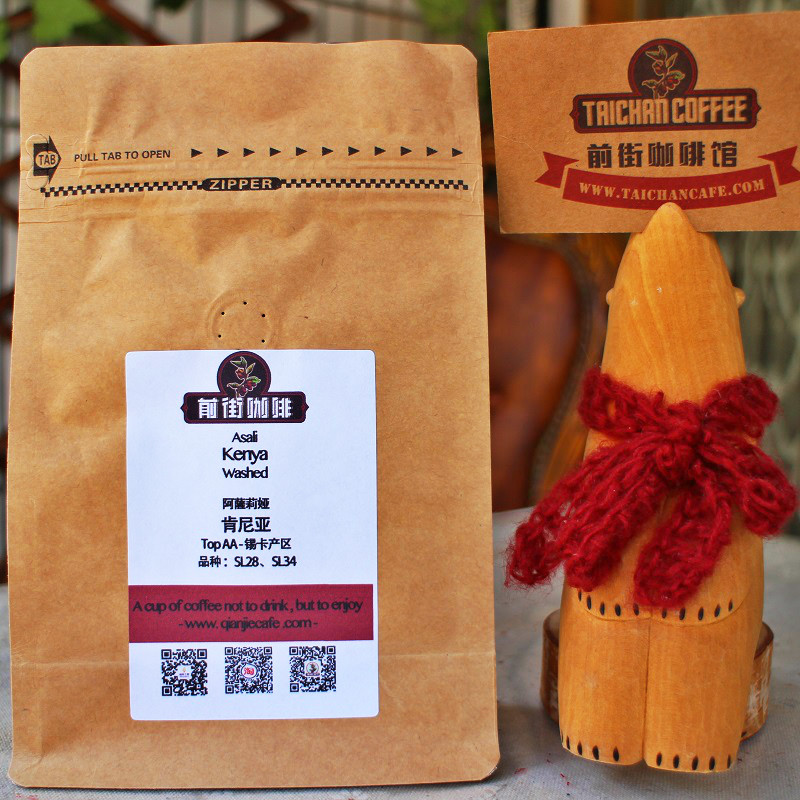
FrontStreet Coffee Recommendation
There is no better illustration of Kenya's washing tradition than FrontStreet's own Kenya Cherry Tomato. Kenya specializes in the double-washed method, and FrontStreet applies it in full: the beans are floated in water to separate density, depulped, washed to remove the mucilage left on the surface, soaked in water once more, dried in the sun, and hulled for storage. That repeated rinsing and soaking draws out an intense juice-like quality, so the cup shows cherry tomato, dark plum, snow pear, black plum, and yellow sugar — juicy and sweet-sour, and a long-time favorite among coffee drinkers.
The method itself is worth understanding, because it explains the clean character of every washed Kenyan bean. Soaking in water over a long period triggers chemical changes inside the bean and consumes a large share of its monosaccharides — fructose and glucose — which lowers the coffee's sugar content while raising its organic acids. The result is a cup that keeps more of the bean's own aroma while showing bright fruit acidity, clean and fresh. That is exactly the profile described above, and it is why FrontStreet's washed coffees, from this Kenyan lot to its Yirgacheffe Gudingding cooperative, brew so well as pour-over, cold brew, or espresso.
Important Notice :
FrontStreet Coffee is a long-established specialty coffee roaster in Guangzhou China, selling freshly roasted beans from its own farm in Yunnan as well as dozens of carefully selected single-origin beans from around the world for both pour-over and espresso. The products deliver consistently excellent quality and great value, with shipping within 24 hours. Guangzhou's FrontStreet Coffee shop is recommended by many coffee lovers, and the beans are now available online at the Tmall 。
FrontStreet Coffee has moved to a new address:
FrontStreet Coffee Address: 315,Donghua East Road,GuangZhou
Tel:020 38364473
 Scan and follow the En Gafei WeChat official account. Please indicate that the reprint comes from "En Gafei".