What are the three common coffee bean processing methods? Flavor characteristics of washed, natural, and honey processed coffee beans
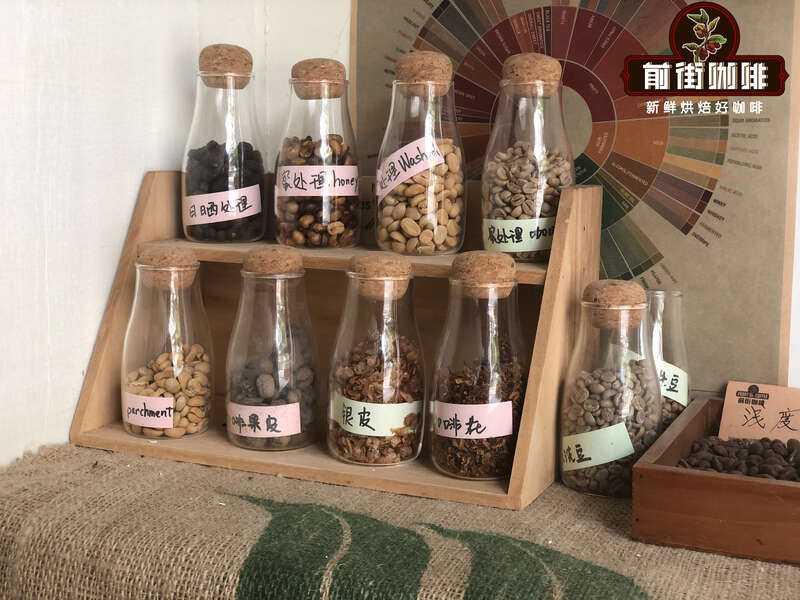
For those familiar with pour-over coffee, the terms washed process, natural process, and honey process are certainly not unfamiliar! Today, FrontStreet Coffee will use three Geisha coffees to explain in detail the differences between these three traditional coffee processing methods.

After being discovered in the Ethiopian forests in 1931, Geisha coffee traveled through Kenya, Uganda, and Tanzania before entering Panama in 1960. Initially, Geisha remained relatively unknown in a small corner of Panama's coffee-growing regions due to its low yield. It was not until 2004, when the owner of Hacienda La Esmeralda discovered faint floral aromas hidden among the harvested coffee - truly captivating - that they traced this "underdog" Geisha, harvested it separately for competition, and overnight became famous, launching to the forefront of the specialty coffee market.

Basic Differences Between These Three Processing Methods
In simple terms (ignoring the time parameter):
Natural Process: The entire coffee cherry is dried (sun-dried) to approximately 12% moisture content, then hulled to extract the beans.
Washed Process: The pulp and mucilage are removed, leaving only the parchment coffee to be dried (sun-dried) to approximately 12% moisture content, then the parchment is removed to extract the beans.
Honey Process: The skin is removed while some mucilage is retained for drying (sun-drying) to approximately 12% moisture content, then hulled to extract the beans. (It is called "honey process" not because honey is added, but because after removing the skin, the sticky mucilage on the bean surface resembles honey in texture and consistency - hence the name.)

Washed Process
First, FrontStreet Coffee will explain the operational steps of each of these three processing methods, starting with the washed process. FrontStreet Coffee believes that washed coffee has more pronounced acidity, better clarity, medium body, and the most consistent green bean quality. Among the three common processing methods, washed offers the highest stability and produces the more acidic coffee. Washed green beans appear blue-green in color, with a silver skin line in the middle of the roasted beans.
1. Cleaning/Collection/Flotation/Rinsing
After harvesting, coffee cherries are sent for processing immediately, typically within 6 to 12 hours of picking. The cherries are first weighed, then soaked in water to select out fruits that float due to insufficient quality.
2. Depulping
Next, the cherries are sent through a depulper to remove the skin and pulp from the fruit.
3. Fermentation/Demucilation
The depulped coffee is placed in fermentation tanks or barrels for static fermentation for 18 to 36 hours, during which enzymes break down the mucilage.

4. Washing
The demucilaged coffee in the tank is washed with an appropriate amount of water, during which the mucilage decomposition products on the bean surface are removed through agitation. After washing, only the parchment, silver skin, and green beans remain.
5. Drying
The washed beans are sorted to remove defective beans, then sent to drying areas (waterproof tarps, cement patios, raised beds, etc.). Drying time depends on environmental factors and typically ranges from 5 to 14 days, during which the moisture content of the beans drops from 55% to 11%.
6. Storage
Once drying is complete, the beans are called parchment coffee - green beans with the parchment layer still attached. The parchment coffee is sent to warehouses for storage and is hulled only before export.

FrontStreet Coffee's Esmeralda Estate Geisha Green Label
Region: Panama, Boquete
Estate: Hacienda La Esmeralda
Altitude: 1600-1800m
Variety: Geisha
Brewing Flavor: Rich jasmine floral aroma, high sweetness, citrus, berries, juicy, creamy, green tea, orange peel, cantaloupe - overall rich flavor layers with lingering floral and citrus notes.
FrontStreet Coffee's Roasting Record
Preheat the roaster to 190 degrees C, charge the beans with heat at 150 and the damper at 3; turning point at 1'36"; when the temperature reaches 140 degrees C, open the damper to 4 and reduce heat to 130; when the temperature reaches 150.8 degrees C, the bean surface turns yellow and the grassy aroma completely disappears, entering the Maillard stage. When the temperature reaches 166 degrees C, adjust heat to 110, damper unchanged. At 7'55", at 176 degrees C, adjust heat to 90; the bean surface shows wrinkles and black spots, and the toast aroma clearly turns into coffee aroma - the prelude to first crack. At this point, listen carefully for the sound of first crack. At 8'30", first crack begins; open the damper to 5, and at 187 degrees C reduce heat to 60. Develop for 1'30 after first crack and discharge at 193.5 degrees C.
Natural Process
Next, FrontStreet Coffee will discuss the natural process. Compared to washed and honey coffee, natural processed coffee has the lowest acidity, the highest sweetness, the clearest body, but slightly lower clarity. In terms of flavor, it produces more berry-like notes and is more complex. The green beans have slight silver skin residue and appear yellow-green, and the roasted beans have no silver skin line in the middle.

1. Collection & Selection
After harvesting, coffee cherries undergo manual hand sorting to remove defective cherries - overripe, underripe, insect-damaged - as well as any foreign objects.
2. Drying
After sorting, the cherries are sent to drying areas. Different regions use different drying racks - some waterproof tarps, some raised beds, some cement patios. Drying averages 3 to 4 weeks, until the moisture content drops to 11%.
3. Hulling
After drying, the cherries are sent to processing plants for hulling and even polishing. The skin, pulp, and other parts are all removed during this step.
4. Sorting & Storage
The hulled green beans undergo another round of sorting to remove poor-quality beans. This reflects the quality of the drying process - over-dried beans are more fragile and may break into fragments during hulling, while under-dried beans have too much moisture and are prone to bacterial growth and mold. After sorting, they are sent to warehouses for storage until export.

FrontStreet Coffee's Ethiopia Natural Horse Champion
Region: Ethiopia, Hambella
Station: Buku washing station
Process: Natural process
Altitude: 2250-2350 meters
Variety: Heirloom
Brewing Flavor: Berry juiciness, camellia floral aroma, clean sugarcane sweetness, citrus acidity, black tea aftertaste.
FrontStreet Coffee's Roasting Record
Yangjia 800N semi-direct flame roaster, 300g batch. Preheat the roaster to 170 degrees C, charge the beans with heat at 120 and the damper at 3; turning point at 1'42", maintain heat; at 133 degrees C, heat unchanged, open the damper to 4. At 5'25", the beans turn yellow, the grassy aroma disappears, and the Maillard stage begins. At 166 degrees C, reduce heat to 100, damper remains at 4. At 173 degrees C, adjust heat to 60, damper unchanged. At 8'00", the Maillard stage completes, the bean surface shows wrinkles and black spots, and the toast aroma turns to coffee aroma - the prelude to first crack. At this point, pay attention to the sound of first crack. At 8'52", first crack begins; fully open the damper to 5, heat unchanged. Development time after first crack is 1'45", discharging at 193.2 degrees C.

Honey Process
Finally, FrontStreet Coffee will discuss the honey process. Honey processed beans have excellent flavor, with balanced acidity and sweetness. Like the natural process, because they are sun-dried, the coffee's inherent aromas are amplified, with a rich body. Honey processed green beans appear yellow, and the roasted beans have a clearly noticeable fermented note.
The honey process emerged in Central and South American regions like Costa Rica and El Salvador. Its predecessor originated from Brazil's pulped natural process (also called semi-natural). At that time, Brazil generally used natural processing because of its terrain and water resources (a dry climate). However, since most Brazilian farms are commercial plantations using mechanical harvesting, they spread the coffee on patios to dry. The quality was inferior to African raised-bed natural beans of the same period. To solve this problem, Brazil adopted the pulped natural method - removing the skin before sun drying - which both shortened drying time and prevented the off-flavors that Brazilian natural beans easily develop on the patio, greatly improving the flavor of the coffee.
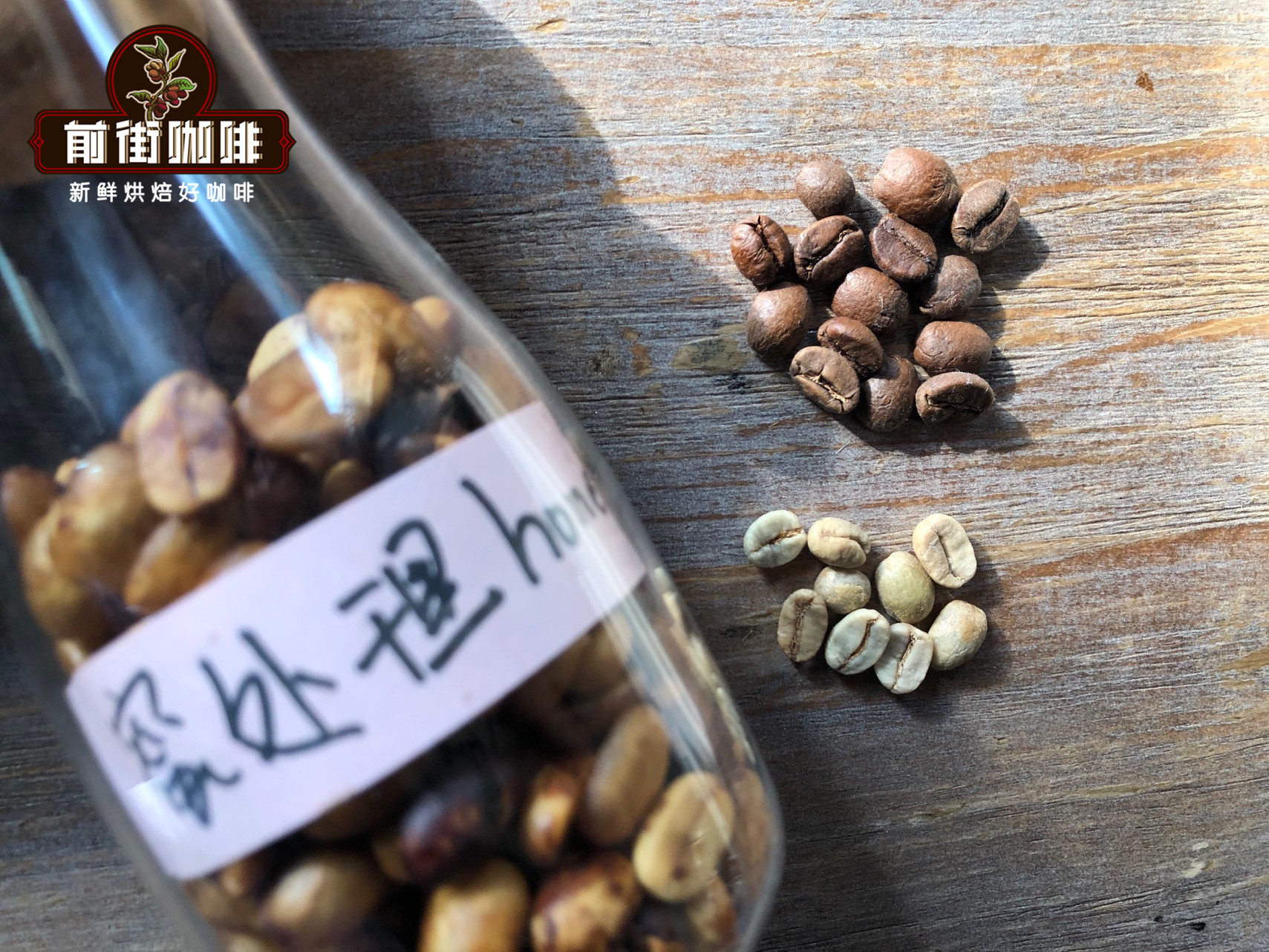
The success of Brazil's pulped natural process caught the attention of Central American countries that traditionally used washed processing, like Costa Rica. When Costa Rica introduced the Brazilian method, its different climate (more rainfall and shorter sunshine hours) led them to improve it by adjusting the amount of mucilage retained and the drying time, creating the honey process. This further differentiated into more specific categories: black, red, yellow, and white honey.
[Black Honey] Almost no mucilage is removed, so drying takes the longest time - more than 14 days continuously. During the process, coverings are used to block overly intense sunlight so the beans do not dry too quickly, allowing more thorough sugar conversion.
[Red Honey] Retains 80% of the mucilage (specific practices vary among estates), with sun drying for about 12 days, during which shade nets may also be used.
[Yellow Honey] Retains 40-60% of the mucilage, dried with maximum sunlight exposure for about 8 days.
[White Honey] Retains 40-60% of the mucilage, spread thinner on the drying beds for a shorter drying time.

FrontStreet Coffee's Strawberry Candy Geisha Blend
Region: Panama + Costa Rica
Process: Honey Process + Washed Process
Altitude: 1600-1650 meters
Variety: Geisha
Brewing Flavor: The aroma has fermented and floral notes, with citrus and lemon acidity at entry, creamy sweetness emerging in the middle, apple and green tea sensation in the finish, and a sugarcane and honey aftertaste.

FrontStreet Coffee's Roasting Record
When FrontStreet Coffee received this honey processed Geisha, opening the packaging revealed a light floral aroma and fresh apple scent, so we adopted a medium-light roast to highlight the captivating aroma and the sweetness brought by the honey process. Yangjia 800N semi-direct flame roaster, 300g batch. Preheat the roaster to 170 degrees C, charge the beans with heat at 120 and the damper at 3; turning point at 1'42", maintain heat; at 140 degrees C, heat unchanged, open the damper to 4. At 5'25", the beans turn yellow, the grassy aroma disappears, and the Maillard stage begins. At 166 degrees C, reduce heat to 100, damper remains at 4. At 176 degrees C, adjust heat to 80, damper unchanged. At 8'00", the Maillard stage completes, the bean surface shows wrinkles and black spots, and the toast aroma turns to coffee aroma - the prelude to first crack. At this point, pay attention to the sound of first crack. At 8'37", first crack begins; fully open the damper to 5, heat unchanged. Development time after first crack is 1'28", discharging at 190.5 degrees C.
FrontStreet Coffee Recommendation
Want to taste all three processes side by side with Geisha? FrontStreet Coffee can take you there. The entry point is the FrontStreet Boquete Geisha from Panama, an affordable way to experience the classic orange-blossom honey sweetness, oolong tea character, and delicate fruit acidity of high-quality Panamanian Geisha. At the top sit the Esmeralda Red Label (Esmeralda Special), which grows at 1600-1800 meters with each batch cupping above 90 points from a single named plot, and the Green Label (Private Collection), a blend of multiple plots offering the estate's signature style at a more accessible price.
To brew them, FrontStreet Coffee suggests a medium-light roast, 15 g of coffee in a Hario V60, a 1:16 ratio, water at 91 degrees C, and a grind with about 78% pass through a #20 sieve (roughly fine-sugar texture), since Geisha's dense beans tend to sink and clog the bed. Pour 30 g of water for a 30-second bloom, spiral to 125 g, then top up to 225 g once the bed has drained halfway, for a total extraction of about 2:10-2:20. If you prefer espresso, the medium-roast FrontStreet Grana Estate Geisha SOE works well at 20 g in, a 1:2 brew ratio, 25 seconds, and about 40 g out, showing apricot, caramel, and nut flavors.
Important Notice :
FrontStreet Coffee is a long-established specialty coffee roaster in Guangzhou China, selling freshly roasted beans from its own farm in Yunnan as well as dozens of carefully selected single-origin beans from around the world for both pour-over and espresso. The products deliver consistently excellent quality and great value, with shipping within 24 hours. Guangzhou's FrontStreet Coffee shop is recommended by many coffee lovers, and the beans are now available online at the Tmall 。
FrontStreet Coffee has moved to a new address:
FrontStreet Coffee Address: 315,Donghua East Road,GuangZhou
Tel:020 38364473
 Scan and follow the En Gafei WeChat official account. Please indicate that the reprint comes from "En Gafei".