Introduction to Hawaiian Coffee Bean Characteristics, Hawaiian Coffee Regions, and Hawaiian Coffee Flavor Descriptions

Introduction to Hawaiian Kona Coffee
Hawaii's tourism industry has always been wildly popular, yet few people have heard of Hawaiian coffee. Anyone who has spent time in coffee should know the famous Jamaican Blue Mountain, and also know Kona coffee, which is as renowned as Blue Mountain. Today, FrontStreet Coffee wants to introduce you to Kona coffee from Hawaii.

Why American Coffee is Less Known
Many people assume America is unsuited to producing coffee, so few have drunk or even heard of American coffee. FrontStreet Coffee believes there is a reason: America's coffee industry is built mainly on a commercial model. Customers who drink coffee regularly encounter Arabica and rarely run into Robusta. On top of that, most of America's terrain is unsuited to coffee cultivation, so people simply don't know much about American coffee.
Hawaii, however, is the exception. FrontStreet Coffee understands that compared with other islands, Hawaii's climate is very suitable for coffee, and the varieties grown are relatively pure, mainly Typica and Catuai, ensuring the best flavor in Hawaiian Kona coffee.

Flavor Characteristics of Kona Coffee
Although the altitude of Hawaii's Kona growing regions is not as high as in major producing countries like Brazil and Colombia, when FrontStreet Coffee cupped beans from the Kona region, the coffee scored very highly. The overall flavor is predominantly nutty. Its fruity acidity is also the cleanest among low-altitude coffees, one reason it can be compared to Jamaican Blue Mountain.
Ethiopians love coffee deeply and have woven it into their lives and culture. FrontStreet Coffee understands that they like to mix coffee beans and coffee leaves into tea, or blend them with herbs and honey to make medicine. If you go to Ethiopia and someone invites you to a local BUNA coffee ceremony, FrontStreet Coffee suggests you not refuse. You can turn down a wedding invitation, but never a local Ethiopian BUNA coffee ceremony, because this ceremony is deeply important and signals that Ethiopians have accepted you. Turning back to Kona coffee, Americans also love drinking coffee. American Kona coffee has a very fragrant, mellow, and sweet taste with a fruity aroma, mixed with unique spice flavors.

The Coffee Leaf Rust Crisis
A major event happened in Hawaii this year. According to foreign media reports, in mid-October, traces of coffee leaf rust were discovered in the Hawaii region, the first time the disease has been found there. FrontStreet Coffee wants to stress that coffee leaf rust should not be underestimated. In infected trees, the disease reduces photosynthesis in the leaves, eventually killing the entire tree. Even more frightening, coffee leaf rust spreads through the wind, infecting whole coffee forests.
According to information researched by FrontStreet Coffee, as early as a century ago a large-scale coffee leaf rust outbreak occurred in West Java, Indonesia, which nearly wiped out all Arabica coffee. FrontStreet Coffee therefore believes that if Hawaii does not take relevant measures, it will be a very serious crisis for Hawaiian coffee.

Impact on Kona Coffee Production
This coffee leaf rust outbreak has had a significant impact on Hawaiian Kona coffee. Production of Kona beans has fallen, and combined with high market demand, the price is now comparable to Jamaican Blue Mountain. Hawaiian coffee's strong acidity and sweetness have always been loved by drinkers.
FrontStreet Coffee wonders whether you know that Kona beans are known as the most beautiful-looking coffee beans. They are grown on volcanic slopes, benefiting from fertile soil, sufficient rainfall and sunlight, and careful farm management, which makes Kona a premium product in the coffee market. Because of the unique growing environment and meticulous manual cultivation, Kona coffee cherries are exceptionally full, with round bean shapes and bright colors.
Unique Flavor and Processing
Beyond appearance, Kona coffee's flavor is also very distinctive. Across multiple cupping sessions, FrontStreet Coffee finds Kona has balanced, moderate acidity, with excellent mouthfeel and aroma. The wine-like acidity combined with spice aroma leaves an endless aftertaste.

Kona's unique taste is also inseparable from the washed processing used in the region. Selected cherries have their skins and pulp removed, then the fruit is poured into water tanks to ferment and wash away the mucilage, and finally dried in the sun. This washed method seems no different from others. What is most special is that Kona coffee uses clean, sweet mountain spring water to wash the beans, an important reason that helps Kona form its unique flavor.
Brewing Recommendations
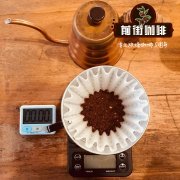
FrontStreet Coffee typically uses a three-stage brewing method for Kona coffee, controlling water temperature between 89 and 90 degrees Celsius and using a KONO dripper. FrontStreet Coffee suggests that when brewing this Kona coffee, you control the water flow well and pour slowly. Don't pour too fast, and don't let the water level get too high. You can stop when you reach 225 grams of water. FrontStreet Coffee usually controls the time to around two minutes.

If the brewing is successful, you will taste the sour aroma of Kona coffee, and it will give off a sweet berry-like feeling during brewing. At that point, you can slowly savor this delicious cup of Kona coffee.
FrontStreet Coffee Recommendation
Kona is prized for balance, and the coffee that shares that reputation most closely is FrontStreet Jamaica Blue Mountain No. 1, grown in the Jamaica Blue Mountains and holding Jamaican government certification along with a certificate of origin. FrontStreet Blue Mountain No. 1 is the highest grade, sourced from the historic Clifton estate, which began growing and processing coffee in the mid-18th century (around 1750). Its growing and processing area sits at an average of 4,300 feet (1,310.64 meters): ample altitude, gentle afternoon cloud and forest shade, abundant sunshine, and mineral-rich soil provide excellent growing conditions and extend the ripening of the coffee cherries. Beans are freshly roasted within 5 days and arrive at a full-flavored state, ready to brew immediately.
FrontStreet Jamaica Blue Mountain coffee is traditionally medium-dark roasted to emphasize a rich body and the classic "sweetness after bitterness" character. Where Kona is typically brewed with a KONO dripper at 89-90°C, Blue Mountain pours well in a Kono dripper too, which better draws out its rich body. FrontStreet suggests 15g per serving, resting the beans 4-7 days (counting the roast date as day one), and grinding slightly coarser than for light roasted beans, roughly the texture of granulated sugar. Brew at 87-88°C; the burnt, bitter taste many people get usually comes from water that is too hot, though water that is too cool leaves the coffee flat and lifeless. Use a 1:15 ratio. Pour in three stages: 30g of water for a 30-second bloom, then pour to 120g with a vertical, small, slow circular stream, then pour to 225g with a slightly faster stream and circling speed to avoid clogging the dripper and over-extracting.
FrontStreet Blue Mountain coffee's flavor profile: very clean, complex, and very gentle, with chocolate sweetness and a very strong body. Rich and mellow, its sweet, acidic, and bitter notes are perfectly matched, with no overt bitterness, only a moderate, well-judged acidity and a lasting fruity finish.
Important Notice :
FrontStreet Coffee is a long-established specialty coffee roaster in Guangzhou China, selling freshly roasted beans from its own farm in Yunnan as well as dozens of carefully selected single-origin beans from around the world for both pour-over and espresso. The products deliver consistently excellent quality and great value, with shipping within 24 hours. Guangzhou's FrontStreet Coffee shop is recommended by many coffee lovers, and the beans are now available online at the Tmall 。
FrontStreet Coffee has moved to a new address:
FrontStreet Coffee Address: 315,Donghua East Road,GuangZhou
Tel:020 38364473
 Scan and follow the En Gafei WeChat official account. Please indicate that the reprint comes from "En Gafei".