Comparison of Coffee Bean Varieties, Processing Methods, Flavor Profiles, and Grade Classifications in Colombian Coffee Regions

The coffee flavors of Central and South America are characterized by soft fruit acidity, chocolate notes, and a hint of nuttiness. With the rise of Geisha coffee's fame, regions around the world are now researching and cultivating Geisha varieties. As a major producer of premium coffee, Colombia naturally cultivates Geisha too. Each Colombian coffee-producing region offers its own unique characteristics. Today, FrontStreet Coffee would like to share the distinctive features of coffee from Colombia's various producing regions.
Colombian coffee boasts excellent acidity and unique flavors, with high-grade texture and exceptional quality. In recent years it has become increasingly popular among coffee enthusiasts worldwide. FrontStreet Coffee believes Colombian coffee not only tastes wonderful but also carries beautiful names such as Colombian Rose Valley, Colombian Flower Viewing, and Colombian Cherry Blossom. In the early coffee industry, coffee was simply divided into two major categories: the "soft" school represented by Brazilian coffee, featuring soft beans, weak acidity, and gentle flavors influenced by Brazil's hilly red soil and slightly lower altitudes; and the "hard" school represented by Colombian beans. Because of Colombia's predominantly mountainous black soil, Colombian beans are known for their balance, with Huila and Nariño being particularly outstanding regions, offering sweet fruity flavors. The mouthfeel is captivating, with a perfect balance of smoothness and sweet aftertaste. Colombian beans are predominantly processed using the washed method.
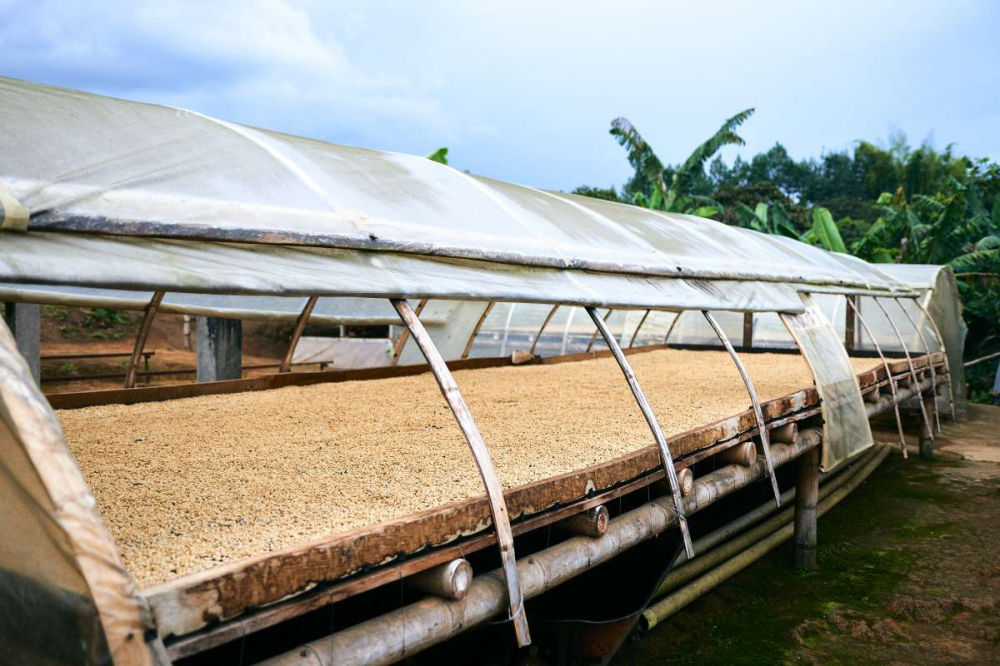
When discussing coffee flavors, one cannot ignore the growing environment, and when it comes to volcanoes, Guatemala might come to mind. FrontStreet Coffee would like to point out that volcanic soil is not exclusive to Guatemala; many producing countries also have volcanic environments. Colombia is the only country in South America with both Pacific and Caribbean coastlines, and within Colombia the best producing regions are almost all on volcanic soil.
Speaking of Colombian volcanoes, one must mention the two regions with the highest coffee quality in southern Colombia: Huila and Nariño. These two provinces are home to Colombia's famous volcanoes, Nevado del Huila in Huila Province and Nevado del Galeras in Nariño Province. Volcanic ash is rich in minerals, making the soil more fertile. The Huila volcano has erupted continuously in recent years, which FrontStreet Coffee considers a reason for celebration among coffee farmers there. The fact that Huila Province produced "SCAA Coffee of the Year" in 2009 and 2010 is partly attributed to the fresh supply of volcanic ash to the soil.
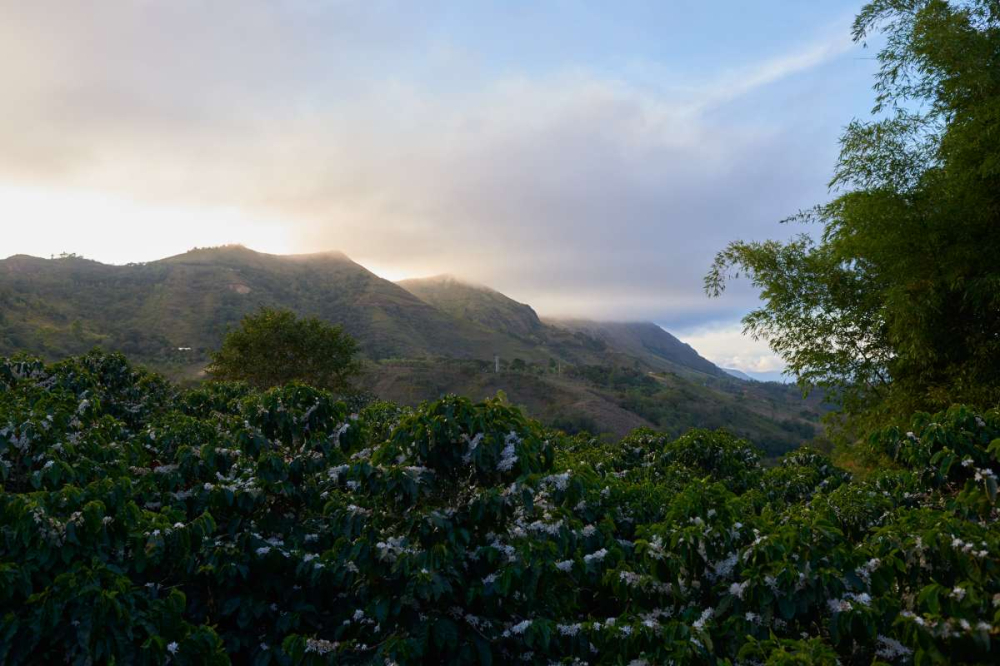
Colombian Coffee Producing Regions
Major Colombian coffee producing regions include Cauca, Huila, Santander, Nariño, Tolima, and Caldas, among others.
Santander Province
Coffee trees have high environmental requirements, and Santander has cultivated large amounts of Typica and shade-grown coffee, most of which has obtained Rainforest Alliance certification. Santander Province is located in northern Colombia, bordering the Magdalena River to the west, with cultivation altitudes of approximately 1400-1600 meters and an area of 30,537 square kilometers. Santander is a very important but rarely mentioned province: it is actually Colombia's earliest coffee-growing province and currently accounts for about 5% of Colombia's total coffee production. Through cupping, FrontStreet Coffee has found that beans from this region are known for their intense flavors, long-lasting aftertaste, and unique fresh herbaceous notes.

Colombian Rose Valley Coffee Bean Processing Method
Colombian beans are predominantly washed, with other processing methods being extensions of the washed technique. Colombian Rose Valley beans use the special anaerobic method that has become popular in recent years. Through washing, defective beans are removed, and the processed beans are then placed in a sealed container where carbon dioxide is injected to displace oxygen. In an oxygen-free environment, the decomposition rate of sugars in the coffee mucilage slows, pH decreases more gradually, and fermentation time is extended, thereby developing better sweetness and more balanced flavors.
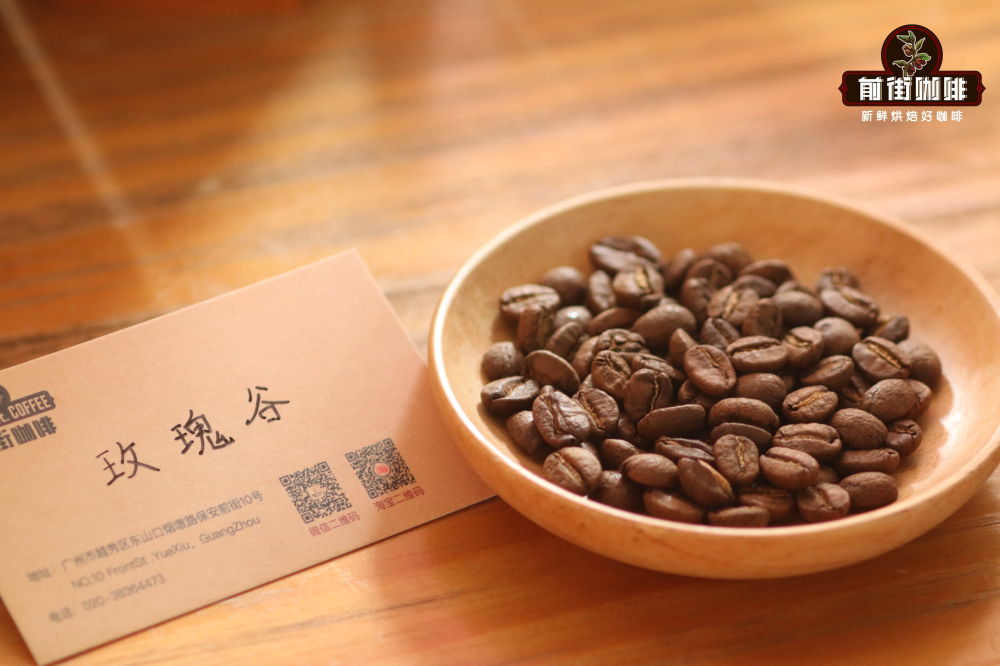
FrontStreet Coffee Representative Coffee - Colombian Rose Valley Coffee Beans
Finca: Colombian Big Tree Estate
Region: Santander Region
Processing Method: Anaerobic Double Enzyme Wash
Altitude: 1700m
Variety: Caturra
This Colombian double-enzyme-washed Rose Valley bean has stunning peach characteristics, accompanied by aromas of ripe fruits like strawberry and honeydew melon, with notes of rose and champagne.
Huila
Speaking of the Huila region, FrontStreet Coffee thinks of its daily staple bean Huila, as it represents the most characteristic flavor of Colombian coffee. Huila Province is located in the southern part of the central mountain range in southern Colombia and is one of the main coffee cultivation areas, accounting for 12% of Colombia's total coffee production. It is the country's most renowned specialty coffee producing region.

This area consists of hills surrounded by mountains, with cultivation altitudes above 1500 meters. Colombia's most important rivers converge here, bringing abundant water and moisture. Huila is dotted with famous coffee cultivation areas, so the names of various small areas have become brand names that circulate in the market. Through cupping, FrontStreet Coffee has found that Huila coffees have intense nutty, chocolate, and caramel flavors.
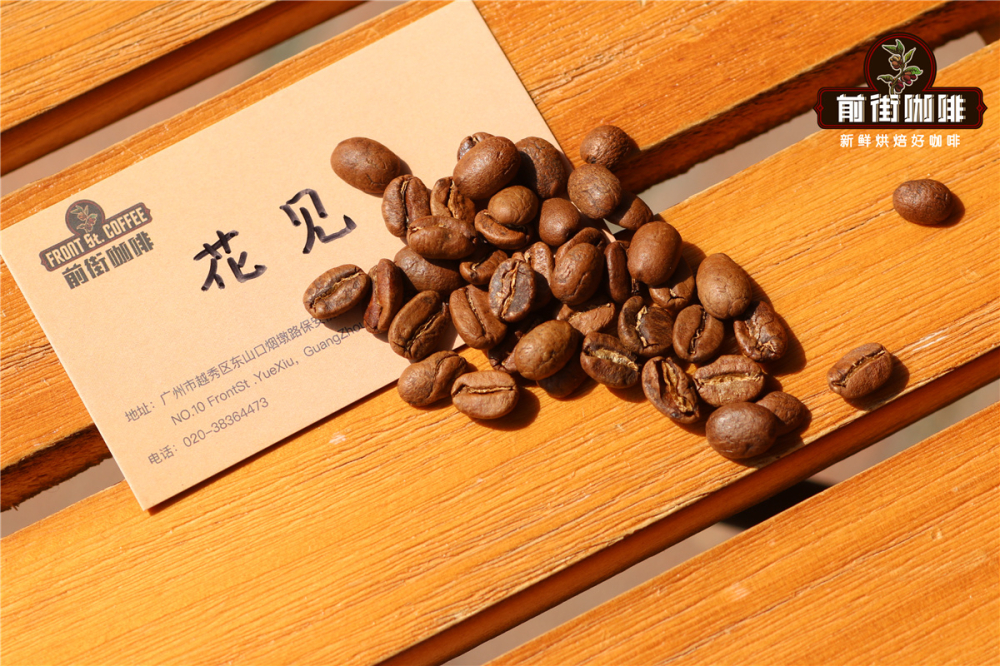
FrontStreet Coffee: Colombian Geisha Blend - Flower Viewing Coffee Beans
Region: Colombia Huila
Finca: Montblanc Estate
Altitude: 1900 meters
Varieties: Geisha, Caturra, Catuai
Processing Method: Washed Processing
Flavor: Pink pepper, chamomile, citrus, honey, almond
Colombian Geisha Blend Flower Viewing Coffee Bean Varieties
This Geisha blend bean acquired by FrontStreet Coffee is a mixture of Geisha, Caturra, and Catuai. Some might wonder whether it can still be considered a single-origin bean. Single-origin coffee beans refer to beans grown in a single, same coffee producing region or finca, not necessarily a single variety, so this Geisha blend bean belongs to the single-origin category.
Colombian Geisha Blend Flower Viewing Coffee Bean Processing Method
FrontStreet Coffee's daily staple Huila coffee uses washed processing, which maximizes the characteristics of Colombian Huila coffee. The Colombian Flower Viewing Geisha is also processed using the washed method.

The process is as follows. Coffee farmers first pour harvested cherries into large water tanks. Underdeveloped, inferior beans float to the surface, while mature, full fruits sink to the bottom, so the defective fruits floating on top are scooped out. A pulper then removes the outer skin and pulp, leaving a slippery layer of mucilage on the beans. The beans with mucilage are placed in fermentation tanks for 16-36 hours, during which microorganisms break down the mucilage. After fermentation, large amounts of clean water are used to wash away mucilage residues. Finally, the cleaned beans are dried in the sun. Washed processing offers a balanced combination of acidity and smoothness, a moderate body, and sweet aromatic spiciness.

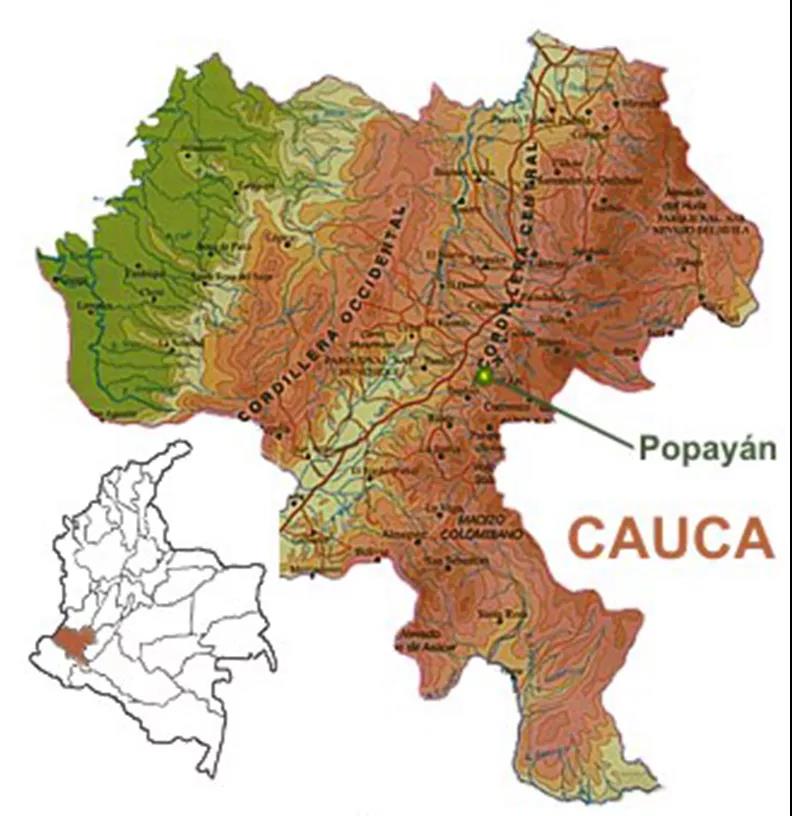
Cauca Province
Cauca Province is located in southwestern Colombia and accounts for 8% of Colombia's total coffee production. It is a region with Colombian coffee origin certification, with an average altitude of 1758 meters and a maximum altitude rising to 2100 meters. 80% of Cauca Province is mountainous. Its biggest climatic difference from other producing regions is a relatively large temperature variation, with a day-night temperature difference of 11°C and an average daytime temperature of 18°C. The day-night temperature difference is an important factor in producing high-quality coffee. Lower nighttime temperatures and relatively higher altitudes slow the growth rhythm of coffee, allowing beans to absorb nutrients from the cherries more fully. FrontStreet Coffee believes this high-altitude growing environment creates better acidity in Cauca coffee and its acclaimed special sweetness.
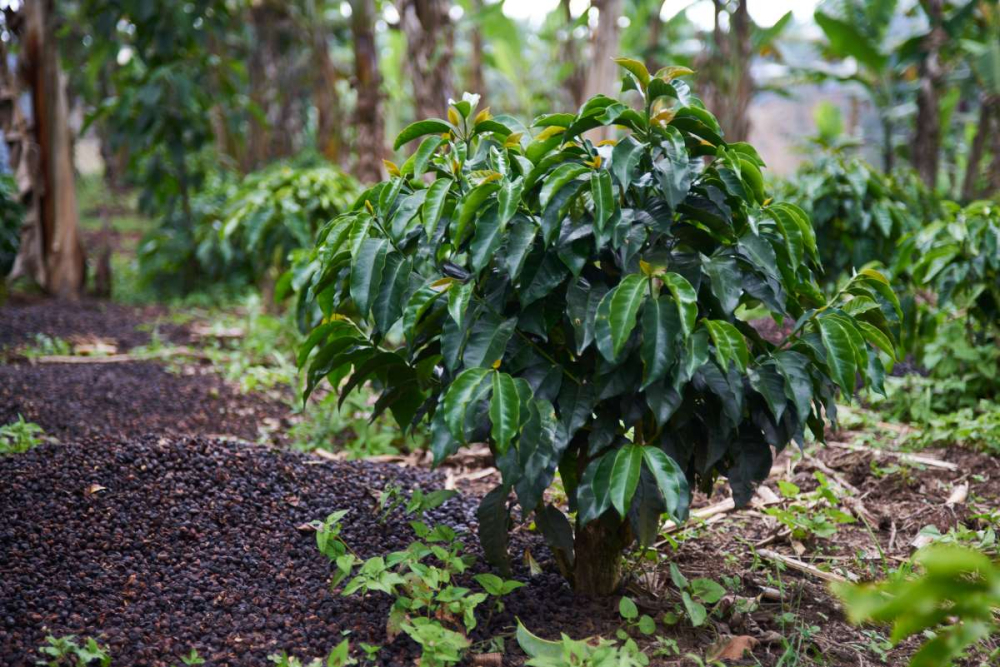
The coffee bean variety introduced by FrontStreet Coffee is Castilla, a variety currently being promoted for cultivation in Colombia. It was developed in 2005 by Colombia's Coffee Research Institute to enhance plant disease resistance. According to FrontStreet Coffee, Castilla is the result of five generations of hybrid selection between the Catimor and Caturra varieties. Catimor is a natural hybrid of Arabica and Robusta, featuring tall plants and resistance to leaf rust disease.
Caturra is a natural mutation of Bourbon, with small plants and higher yields than Typica and Bourbon, inheriting Bourbon's excellent flavor characteristics. Its plants can be spaced more closely, allowing denser planting per unit area, but it is also susceptible to leaf rust. The Castilla variety resulting from the hybridization of these two inherits Caturra's excellent flavor while also resisting leaf rust like Catimor, and is thus widely promoted for cultivation.
Colombian Paradise Estate Cherry Blossom Coffee Bean Processing Method
Colombian coffee is predominantly washed, with special processing methods being extensions of the washed technique. Specially processed Colombian coffees are highly favored by enthusiasts. This Colombian Paradise Estate Cherry Blossom bean is processed using the anaerobic natural method. Stainless steel containers, which don't absorb flavors from previous beans, hold the coffee fruits for cleaner flavor. Fermentation in a sealed environment makes various factors easier to control, making each batch more consistent and keeping aromatic substances from volatilizing. Fermentation in an oxygen-free environment yields rounder flavors, often bringing cheese and cream aromas.
Paradise Estate owner Diego Samuel specializes in special processing methods as his estate's selling point. This Cherry Blossom bean expresses a very special flavor through anaerobic processing: aromas similar to mugwort, basil, and chamomile. These are flavors rarely found in other coffees and are definitely worth trying.
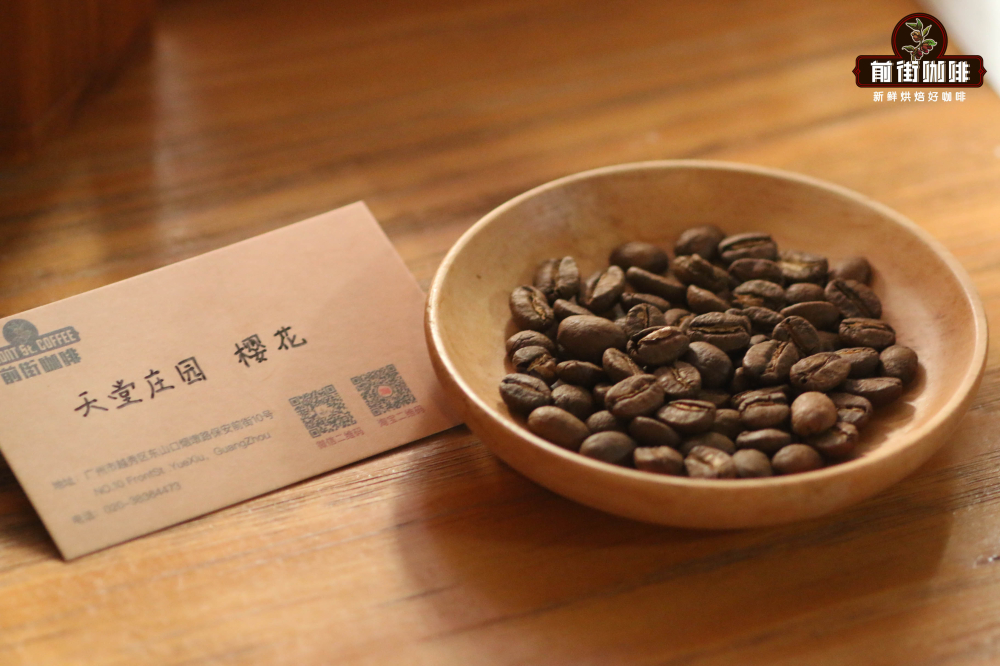
FrontStreet Coffee: Colombian Cherry Blossom Coffee Beans
Region: Colombia Cauca
Altitude: 2050m
Variety: Castilla
Processing Method: Double Anaerobic Wash
Flavor: Cherry blossom, osmanthus, passion fruit, with sweet aroma, round mouthfeel, and persistent aftertaste.
FrontStreet Coffee Brewing Parameters for Colombian Coffee
Dripper: Hario V60 #01
Water Temperature: 91°C
Coffee Amount: 15 grams
Coffee-to-Water Ratio: 1:15
Grind Size: Medium-fine, sugar-granule size (80% pass-through rate with a #20 sieve)
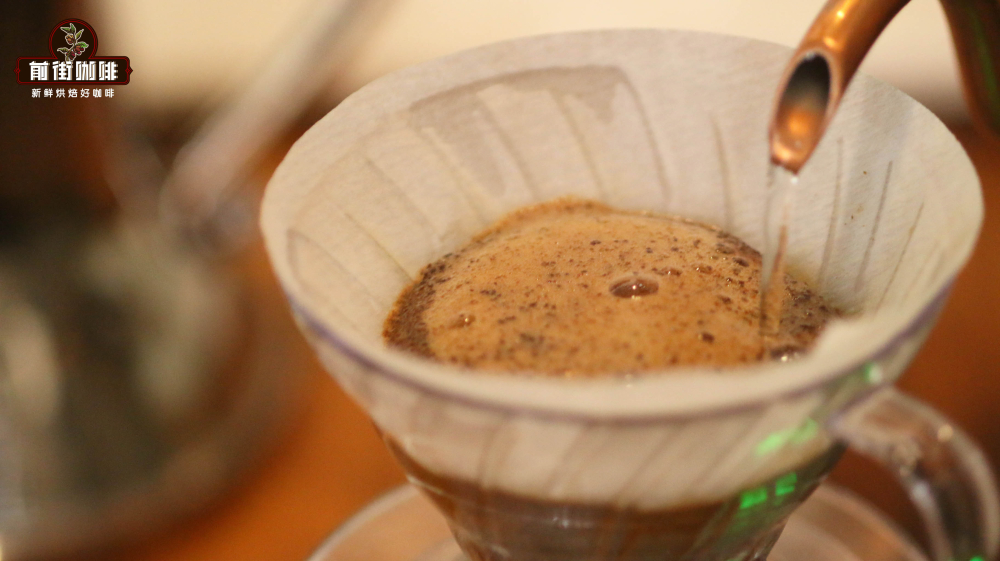
When brewing, you can use a three-pour method to extract richer layers. First, pour 30 grams of water to fully wet the coffee grounds and let them bloom for 30 seconds. Then, using a small stream, slowly pour in a circular motion for the second pour until reaching 125 grams. When the water level in the dripper drops to just above the coffee bed, continue pouring. For the third pour, stop when reaching 225 grams. Wait until all the water has dripped into the sharing pot below before removing the dripper. Total extraction time is 2 minutes.
FrontStreet Coffee understands that coffee flavors differ across producing countries and regions, so it acquires several or even dozens of beans from the same producing country or major region, letting more coffee friends taste and compare them. There are over a dozen single-origin coffees from Ethiopia alone, and FrontStreet Coffee has 8 different daily staple beans from various producing countries, all representing the most characteristic coffees of their regions with excellent value for money. They are highly recommended to start with, before moving on to single-origin coffees that can fully satisfy coffee enthusiasts' curiosity and preferences.
FrontStreet Coffee Recommendation
Colombia's Geisha blends, like Flower Viewing and Cherry Blossom, show how the variety adapts to the country's volcanic soils, and FrontStreet Coffee's Geisha lineup lets you compare that with the variety's other homes. The FrontStreet Esmeralda Red Label Geisha, grown at 1600-1800 meters from a single named plot and cupping above 90 points, is the definitive Panama benchmark with bright florals and citrus. For a more accessible entry, the FrontStreet Boquete Geisha offers the classic orange-blossom honeyed aroma, oolong-tea texture, and layered fruit acidity, while the FrontStreet Esmeralda Green Label Geisha blends high-altitude lots into one balanced cup. On the Ethiopian side, the FrontStreet Gesha Village Gold Label, a Gesha 1931 selection from the estate's finest lots, and the FrontStreet Granada Geisha show the variety's original character, completing the comparison across three origins.
Important Notice :
FrontStreet Coffee is a long-established specialty coffee roaster in Guangzhou China, selling freshly roasted beans from its own farm in Yunnan as well as dozens of carefully selected single-origin beans from around the world for both pour-over and espresso. The products deliver consistently excellent quality and great value, with shipping within 24 hours. Guangzhou's FrontStreet Coffee shop is recommended by many coffee lovers, and the beans are now available online at the Tmall 。
FrontStreet Coffee has moved to a new address:
FrontStreet Coffee Address: 315,Donghua East Road,GuangZhou
Tel:020 38364473
 Scan and follow the En Gafei WeChat official account. Please indicate that the reprint comes from "En Gafei".