Does Hawaiian Kona Coffee Smell Good? What Are the Flavors of Hawaiian Kona Coffee?
Kona Coffee: An Overview
Kona coffee is an Arabica coffee (Coffea arabica) grown on the Big Island of Hawaii. It takes its name from the main growing areas on the slopes of the Hualalai and Mauna Loa volcanoes in the northern and southern Kona districts of the island. It is currently one of the most expensive coffees in the world, and only coffee produced in the Kona district may be labeled "Kona coffee." (Source: WIKI)
Characteristics of Hawaiian Kona Coffee
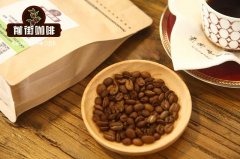
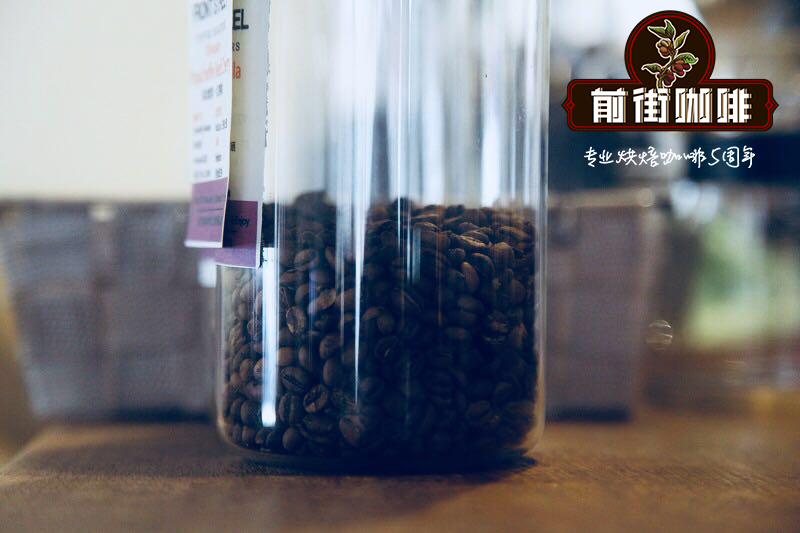
Kona beans grown in Hawaii have just about the most perfect appearance you will find — exceptionally full, with a bright, glossy sheen. The coffee is rich and aromatic with notes of cinnamon spice, and its acidity is well balanced and moderate.
The finest Hawaiian Kona is classified into three grades: Extra Fancy, Fancy, and Number One. All three grades come from estates and from naturally grown conditions. Most coffees on the market today sold as "Kona" contain less than 5% genuine Hawaiian Kona. In the United States, another fine Hawaiian coffee can also be found — Hawaiian Kai Farms coffee. Genuine Kona coffee is truly a worldly treasure, not easily found.
Hawaiian Kona Flavor: Smooth, rich, with an alluring nutty aroma
Recommended Roasting Method: Light to medium roast
Rating: ★★★: Excellent
The Hawaiian Kona Coffee Market
Hawaiian coffee is the only premium variety produced among the 50 states of the United States, which makes the American mainland its largest market. The quality standards set by Hawaiian coffee farmers are strict and updated annually. Among all coffee-producing regions, Hawaii's industry management ranks among the strictest, with the highest labor costs and optimal levels of investment.
Kona cultivation has always followed a family-farming model. In the early days only men worked the plantations, though women later joined. Hawaiian families preferred relying on their own efforts over hiring workers, so it was normal for a family to have eight or nine children. Later, new immigrants arrived from the Philippines, the American mainland, and Europe to grow coffee in Hawaii. Over time the islands developed a social atmosphere centered on family culture while remaining open to outside influences — one of Hawaii's distinctive traits. The Kona harvest begins in late August each year and runs until January of the following year, with farmers picking the ripe cherries in batches before they are processed into green beans.
Kona coffee uses both washed and natural drying methods. Hawaii's clean, sweet mountain spring water makes the washed method ideal, giving Kona beans their bright, clear appearance and pure, fresh taste. The washed beans are then laid out on large flat surfaces to dry in the sunlight.
Hawaiian Kona beans have the most beautiful appearance of any coffee in the world — exceptionally full fruit with a bright, glossy sheen. In the cup, Kona is fresh and crisp, with medium body, slight acidity, and a rich aroma that lingers. Overall the flavor is mild: not as heavy as Indonesian coffee, not as wine-toned as African coffee, and not as robust as Central and South American coffees. Kona carries a mingled fragrance of wine, fruit, and spice, as enchanting — and as long-lasting — as the colorful volcanic island scenery itself.
Recommended Hawaiian Kona Coffee Bean Brands
FrontStreet Coffee's roasted Hawaiian Kona beans guarantee both brand and quality. More importantly, they offer exceptional value: a half-pound (100g) package costs only 120 yuan. At 15g of beans per single-origin cup, one package makes 6 cups of coffee, with each cup costing only about 20 yuan. Compared with cafés that often charge over a hundred yuan per cup, the value is hard to beat.
FrontStreet Coffee: A roastery in Guangzhou with a small shop but diverse bean varieties, offering both famous and lesser-known beans, as well as online store services. https://shop104210103.taobao.com
FrontStreet Coffee Recommendation
If you love Kona's smooth, nutty mildness, FrontStreet Brazil Queen Estate makes a great everyday companion: an early-discovered Yellow Bourbon lot offering cream, peanut, toasted bread, and sugarcane aromas — rich, mellow, and sweet — and just as comfortable in pour-over, moka pot, or espresso brewing.
For something more floral and fruity, FrontStreet Ethiopia Guji Huaxiang (Huakui) is a natural-processed heirloom bursting with creamy strawberry, mango, jackfruit, citrus, and blueberry — the same fragrant berry character that won first place in that year's TOH green bean competition. FrontStreet Washed Yirgacheffe Gedeb, an Ethiopian top-grade G1, offers the washed counterpart: elegant white florals, citrus, orange, and green tea in a pristine cup.
Important Notice :
FrontStreet Coffee is a long-established specialty coffee roaster in Guangzhou China, selling freshly roasted beans from its own farm in Yunnan as well as dozens of carefully selected single-origin beans from around the world for both pour-over and espresso. The products deliver consistently excellent quality and great value, with shipping within 24 hours. Guangzhou's FrontStreet Coffee shop is recommended by many coffee lovers, and the beans are now available online at the Tmall 。
FrontStreet Coffee has moved to a new address:
FrontStreet Coffee Address: 315,Donghua East Road,GuangZhou
Tel:020 38364473
 Scan and follow the En Gafei WeChat official account. Please indicate that the reprint comes from "En Gafei".