What is Black Coffee? What's the Difference Between Pour-Over Coffee and Americano?
Have you ever had this experience? You walk into a specialty coffee shop and want to order "a cup of black coffee," and the barista asks instead, "Would you like an Americano or a pour-over single-origin coffee?"
Confused face? I just wanted a cup of black coffee! What's the difference between Americano and pour-over single-origin coffee?
What is Americano Coffee?
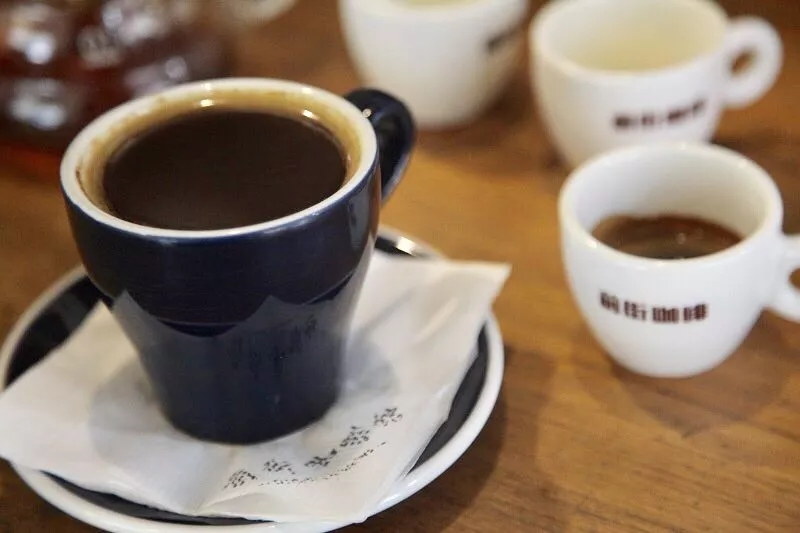
Americano is a type of espresso-based coffee, typically made from medium-dark to dark roast blended beans. Hot water is passed through ground coffee under pressure from an espresso machine to extract Espresso. Generally, a cup of Americano is made from one to two shots of Espresso diluted with hot water.
So What is Pour-Over Single-Origin Coffee?
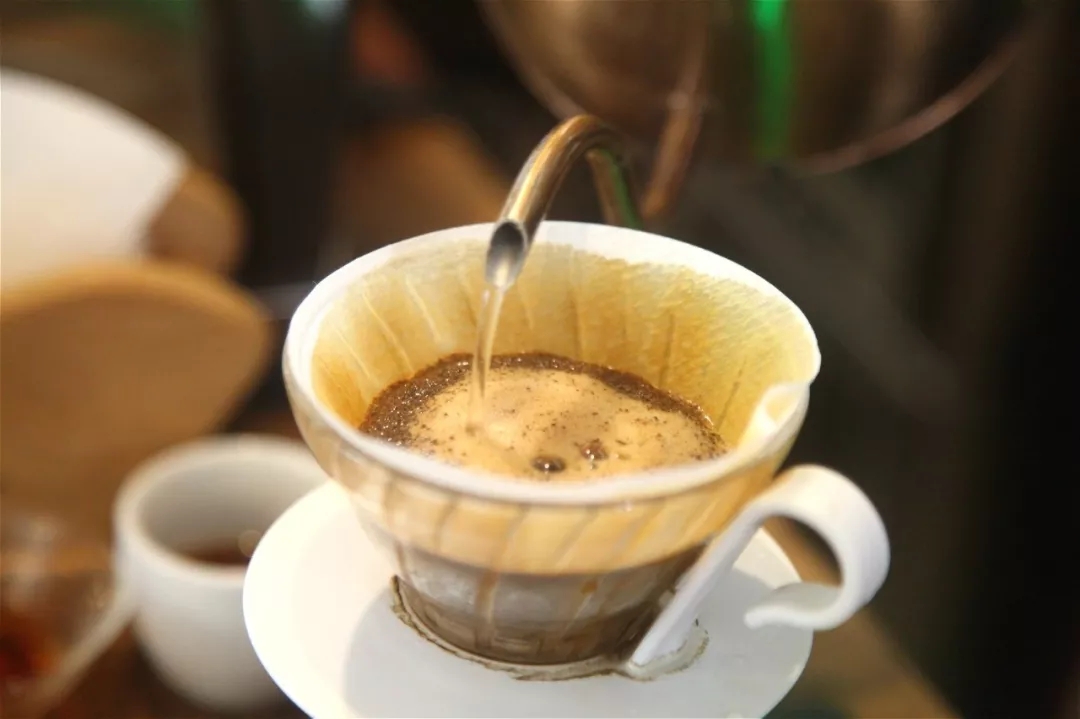
Usually made from single-origin beans, with roast levels ranging from light to medium to dark. Pour-over is mostly brewed with a drip cone. After grinding the beans to powder and placing them in filter paper, hot water is slowly poured evenly over the whole coffee bed. The coffee extracted through the filter paper and drip cone slowly drips down, completing a cup of pour-over coffee.
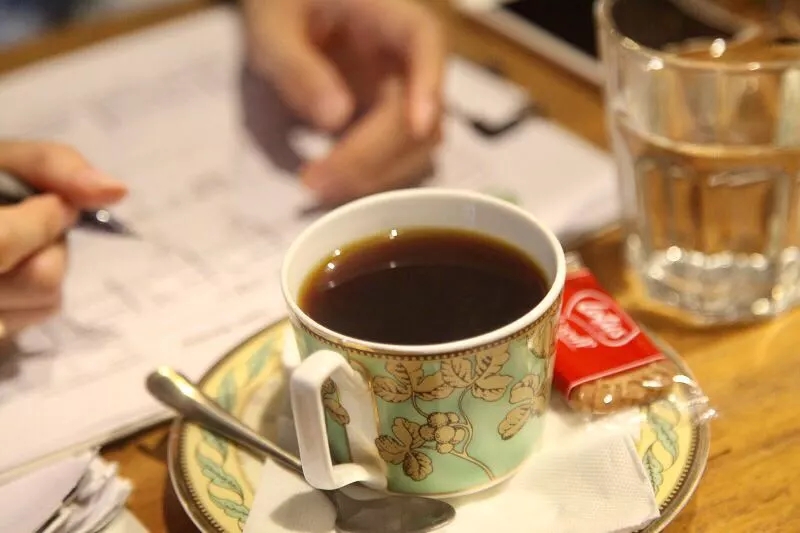
Since pour-over is typically intended to showcase the regional flavor of single-origin beans, it's recommended to drink it without sugar or milk, making it another type of black coffee.
Making a delicious cup of pour-over, however, requires attention to factors like grinding, water temperature, and coffee-to-water ratio. Compared with machine-made coffee, there are more considerations.
Next, let me explain the differences between these two types of coffee.
Americano | Americano
The base of Americano is Espresso, which means "concentrated coffee" and originated in Italy. It is mostly extracted on an espresso machine to make concentrated coffee.
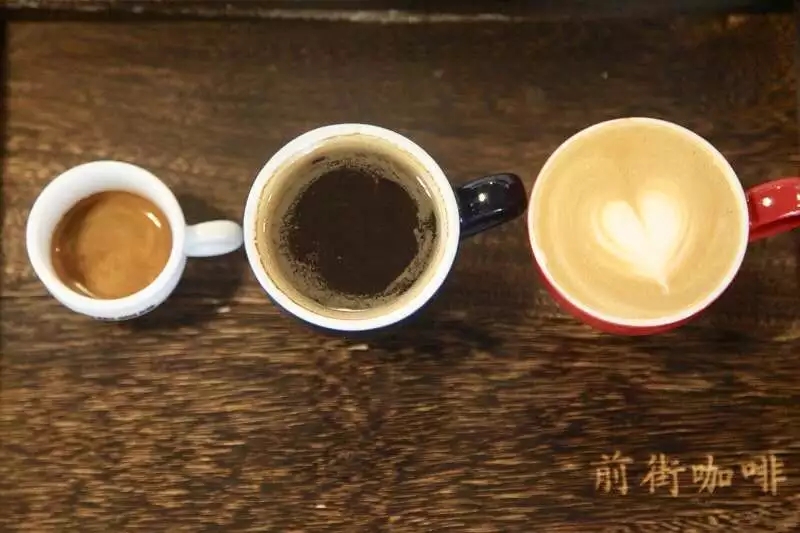
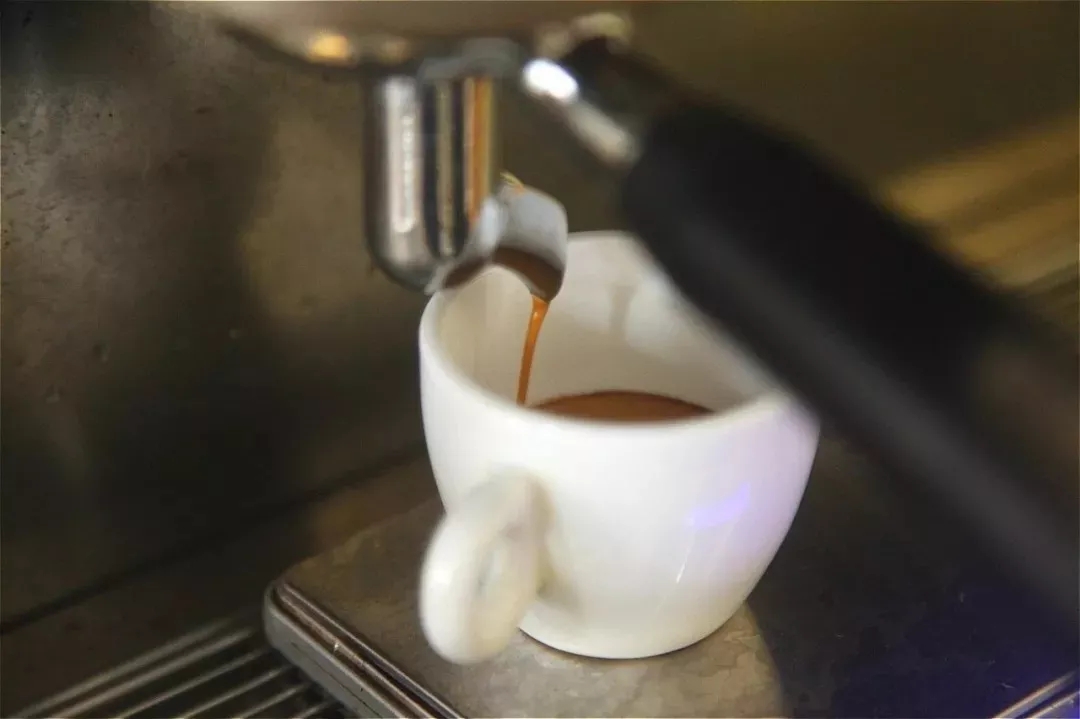
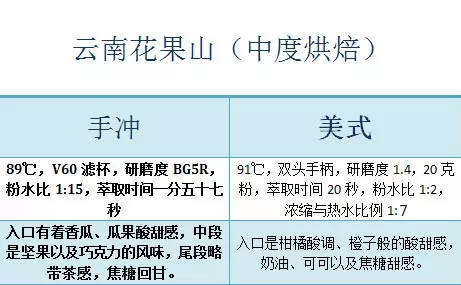
The preparation involves placing ground coffee directly into the portafilter basket, leveling it flush with the rim, then using a tamper to apply pressure and form a coffee puck. The portafilter goes onto the espresso machine, and during extraction the puck withstands about 9 bars of pressure through the machine's pressure, extracting a small amount of coffee in just 20-30 seconds. The resulting concentrated coffee has a thicker texture, and the extracted espresso can be diluted proportionally with hot or cold water to make Americano.
Pour-Over Coffee | Pour over coffee
To make a cup of pour-over, you need equipment first: dripper, pot, filter paper, bean jar, bean scoop, grinder, kettle, and pour-over kettle.
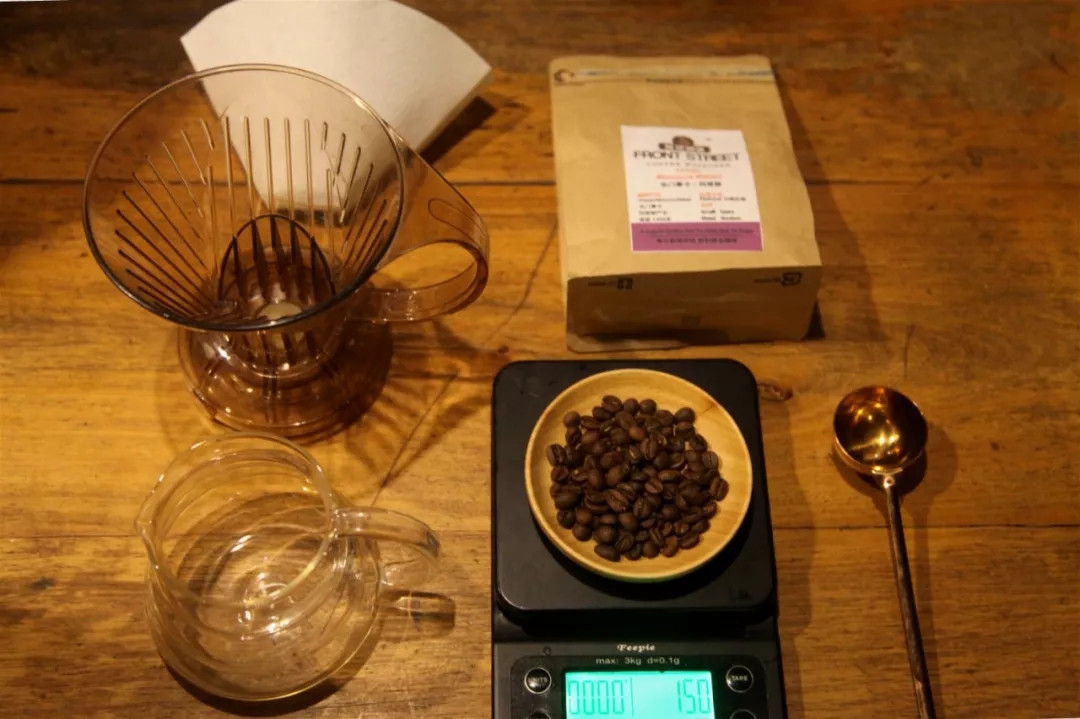
First, place the filter paper in the dripper, pour in the ground coffee, and gently tap the outside of the dripper to level it. Then use the kettle to pour hot water into the filter paper containing the coffee. Maintain a stable, continuous supply of water, then pause. When the hot water fully contacts the coffee, it extracts the coffee substances, filtering out a delicious cup of pour-over coffee.
Where Do Americano and Pour-Over Differ?
Compared with pour-over, espresso is ground into a finer powder. Through high-pressure brewing on an espresso machine, it can dissolve more coffee substances than other brewing methods, filtering out a more concentrated coffee.
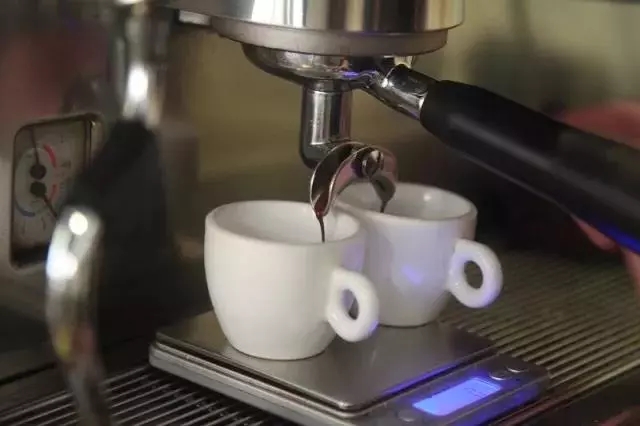
In terms of brewing time, espresso machines extract extremely quickly: averaging 30 seconds a cup, with simple steps that are easy to learn as standardized procedures, making them almost the preferred method for all chain coffee shops. Being "commonplace" doesn't mean mediocre quality, of course. Espresso extraction also requires regularly adjusting fixed brewing parameters according to the bean's condition to better showcase its flavor.
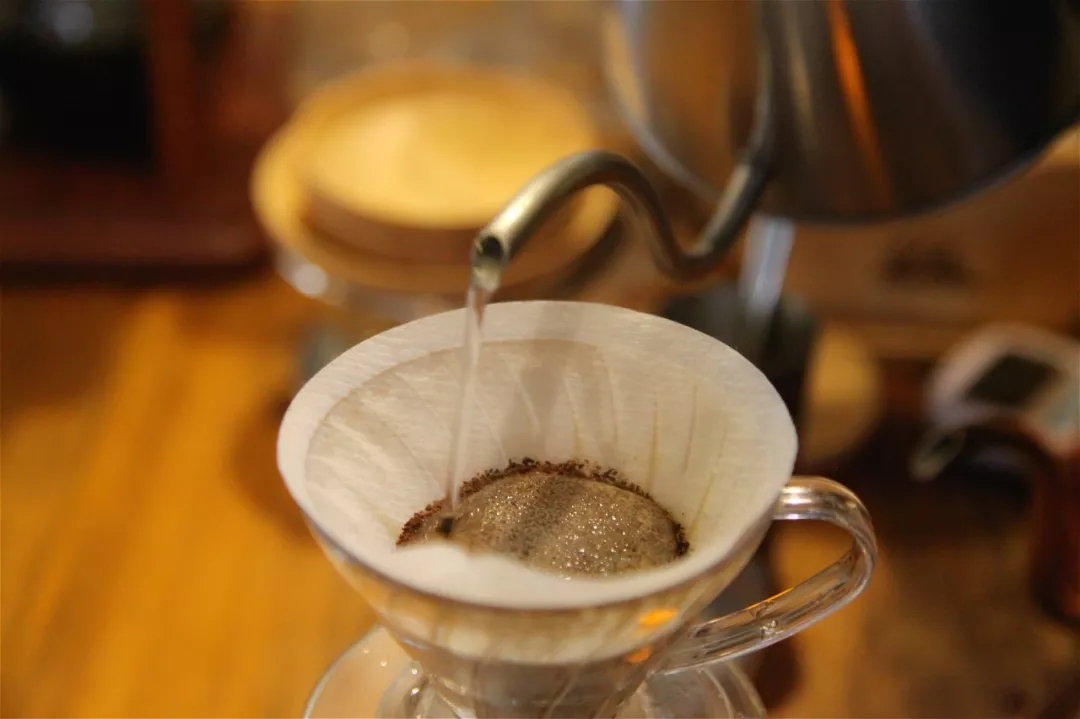
Pour-over coffee uses coarser grinding particles, with the whole brewing process taking about 3 to 4 minutes. It emphasizes technique and method—from grinding degree, water temperature, water quality, water flow, and extraction time, to even the pouring technique and timing—every small change affects the final flavor.
Compared with espresso machines that can use fixed parameters to stably produce coffee of the same quality, pour-over requires mastering more details to fully showcase the layers and flavor of each cup.
After all this knowledge, let's finally experiment and compare. Using the same beans, let's make both Americano and pour-over single-origin coffee to see which tastes better.
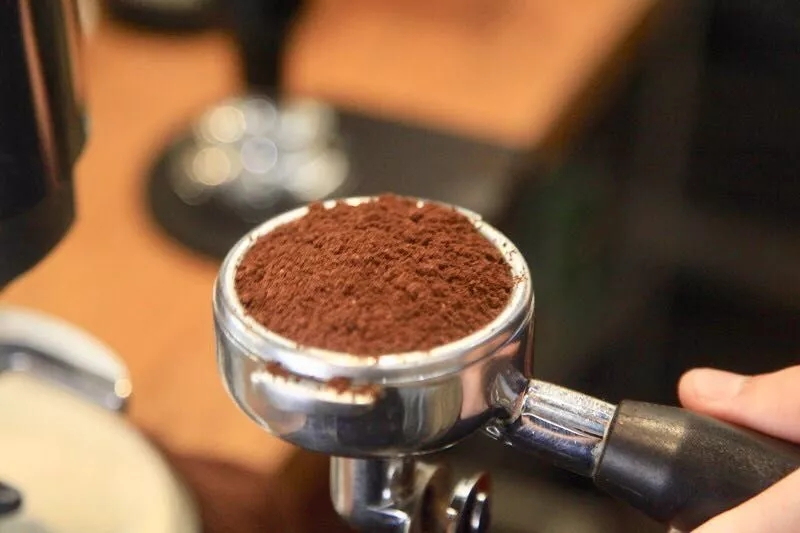
Light roast: FrontStreet Coffee's Ethiopia Natural Yirgacheffe Red Cherry
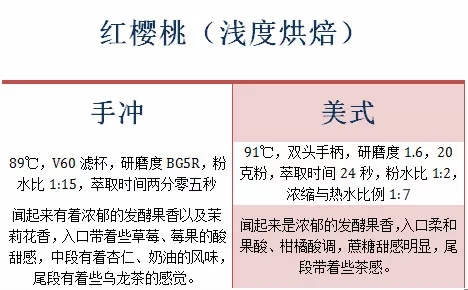
Medium roast: FrontStreet Coffee's Yunnan Huaguoshan
Dark roast: FrontStreet Coffee's Jamaica Blue Mountain No. 1
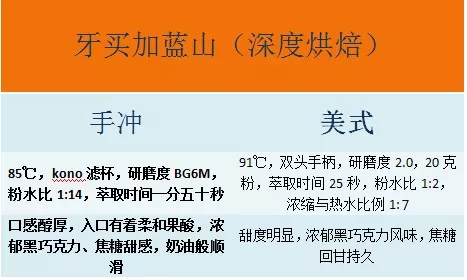
Whether it's the light-roasted FrontStreet Coffee Natural Yirgacheffe Red Cherry, medium-roasted FrontStreet Coffee Yunnan Huaguoshan, or dark-roasted FrontStreet Coffee Jamaica Blue Mountain No. 1, when made into Americano they all show a significant improvement in sweetness, with more balanced flavors but a thinner texture and monotonous, insufficiently layered flavor. The black coffee brewed through pour-over, meanwhile, has a more distinct personality, with more diverse flavor and layer variations and a relatively richer texture. As for which tastes better? That depends on personal preference.
FrontStreet Coffee Recommendation
If pour-over's greater personality is what you're after, FrontStreet Coffee's V60-friendly single origins are the ideal next step. FrontStreet's washed Yirgacheffe Gudingding opens with vivid citrus, berry, and floral notes and a green-tea-like sweetness, with a soft, bright acidity—more like the natural sweet-tartness of fruit than a sharp bite—which makes it very approachable for anyone new to pour-over. FrontStreet's Ethiopia Flower Queen is one of the market's biggest recent stars, unmistakable for its tropical-fruit aroma—strawberry, passion fruit, jackfruit, even lychee—with high sweetness, very little bitterness, and a slippery, juicy body. And for a more legendary cup, FrontStreet's Panama Esmeralda Red Label Geisha offers an exquisitely elegant jasmine fragrance with citrus, bergamot, and black-tea finesse, a clean, transparent body, and a long, layered finish. A V60 suits all three: Hario, which designed the dripper, was founded in Tokyo in 1921 and redesigned the V60 in 2004, launching it in 2005 with its signature 60° cone and single large hole. That design forces water toward the center and lengthens the contact between water and grounds, so good pouring control is rewarded with a more three-dimensional aroma and lively acidity—which is exactly why a pour-over single origin can taste so different from an Americano made with the same beans.
Important Notice :
FrontStreet Coffee is a long-established specialty coffee roaster in Guangzhou China, selling freshly roasted beans from its own farm in Yunnan as well as dozens of carefully selected single-origin beans from around the world for both pour-over and espresso. The products deliver consistently excellent quality and great value, with shipping within 24 hours. Guangzhou's FrontStreet Coffee shop is recommended by many coffee lovers, and the beans are now available online at the Tmall 。
FrontStreet Coffee has moved to a new address:
FrontStreet Coffee Address: 315,Donghua East Road,GuangZhou
Tel:020 38364473
 Scan and follow the En Gafei WeChat official account. Please indicate that the reprint comes from "En Gafei".