Introduction to Flavor Profile of Colombian Santa Caldas Region Hacienda San Jose Coffee Beans with Oak Barrel Fermentation
Two barrel-fermented coffees from Honduras's Moka Estate are very popular with specialty coffee enthusiasts right now. But barrel fermentation wasn't Moka Estate's invention — it came from the female owner of Colombia's San Jose Estate. In this article, FrontStreet Coffee introduces San Jose Estate's barrel-fermented beans.
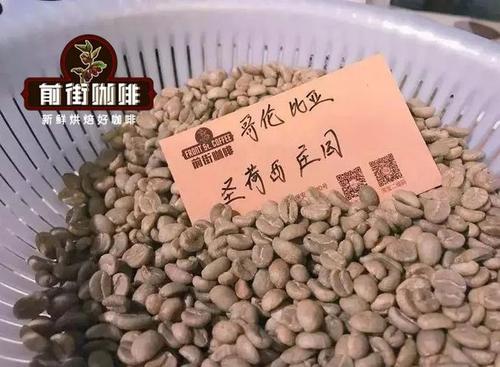
FrontStreet Coffee: Colombia San Jose Estate Coffee Beans
Region: Caldas, Colombia
Estate: San Jose Estate
Altitude: 1750 meters
Grade: Supremo
Variety: Castillo
Process: Fine washed with rum barrel fermentation
San Jose Estate
The century-old Finca San Jose lies in Colombia's Caldas region, which enjoys abundant sunshine and an average annual temperature between 21°C and 25°C. The estate covers 18 hectares in total, of which 16.5 hectares are planted with coffee.

Amid the specialty coffee wave of recent years, San Jose has been actively searching for a distinctive path of its own — groundwork that eventually led to barrel fermentation.
How Barrel Fermentation Was Born
According to FrontStreet Coffee's understanding, the process was developed by the estate's third-generation female owner. The story began by chance: one day, while helping her husband — who makes rum oak barrels and distills rum — fill barrels with rum distillate for fermentation, owner Monsalve Botero wondered whether resting green coffee in oak barrels might produce different flavors.
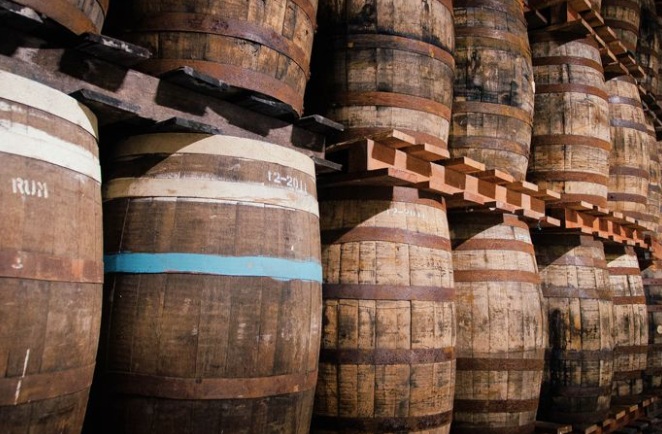
Pursuing that idea, she began in 2013 placing green beans in rum barrels of different ages for winemaking-style low-temperature fermentation, comparing the flavors at different durations. Through these experiments she identified the best barrels and the right fermentation length, and finally landed on the optimal combination — special and deeply satisfying flavors that set rum-barrel coffee apart from the traditional washed profile. So how does the process work? FrontStreet Coffee walks through it below.
Fine Washed + Rum Barrel Fermentation
San Jose's owner works with Castillo variety beans, handpicks fully ripe cherries, and after thorough washing lets them ferment for 20 hours before placing them in rum oak barrels aged over 8 years. The beans rest in the barrels for three months, rolled once daily so they absorb the spirit's aroma evenly.

During the barrel period, samples are taken every 30 days to track the fermentation and the uptake of the rum aroma, minimizing both under- and over-absorption so the finished beans show clear, complete character. Once fermentation is complete, the rum-scented beans move to greenhouse drying, where the moderate temperatures avoid the heat of African-bed sun-drying that could trigger a second fermentation.
Because this San Jose coffee shares its process with the two Honduran barrel-fermented coffees in FrontStreet Coffee's lineup, we cupped them side by side. The conclusion: the Honduran barrel coffees lead with wine aroma, then gentle fruit acidity, and finish with a creamy texture and nut and cocoa notes.
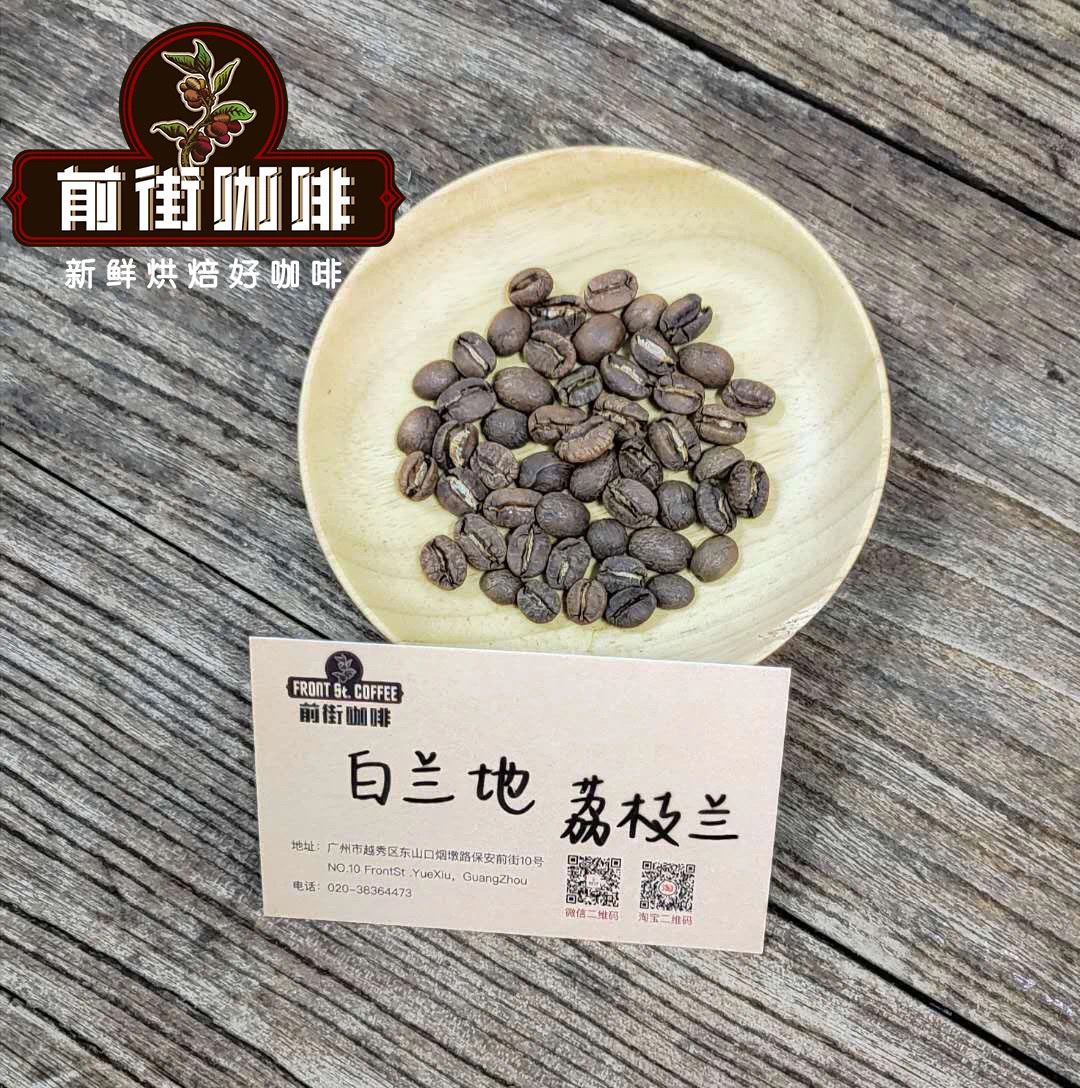
The San Jose rum-barrel coffee runs the sequence in reverse: nut and cocoa flavors with a creamy texture arrive first, the rum aroma follows immediately, and tropical fruit acidity with maple sweetness come in behind.
The Variety: Castillo
Unlike the varieties behind Honduras's Sherry and Lychee Orchid coffees, San Jose uses Castillo, widely grown across Colombia. The variety was released in 2005 by Colombia's coffee research institute to improve disease resistance and is now the country's main cultivated variety. The green beans are blue-green in color, with a rich fermented aroma and the fragrance of ripe fruit.

The History of Castillo
The variety's story begins in 1961, when CENICAFE started researching the Timor variety and its Robusta lineage. Building on that work, CENICAFE released its second disease-resistant variety, Tabi, in 2002 — a hybrid of Typica, Bourbon, and Timor.
In 2005 came Castillo, named after the scientist Jaime Castillo Zapata, who led the research. Then, after the massive coffee leaf rust outbreak of 2008, Colombia began promoting Castillo cultivation on a large scale.

Colombian Coffee Grades
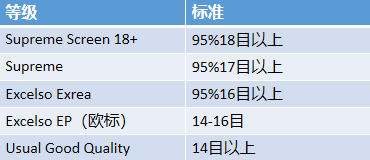
Colombia also has its own bean grading system, and FrontStreet Coffee's San Jose beans come from the highest local grade. The grading standards are as follows:
That's the background on San Jose Estate. Before launching any new coffee, FrontStreet Coffee runs extensive brew tests — below, how this coffee tastes at different water temperatures.
FrontStreet Coffee Pour-Over Parameters for San Jose Estate
We tested three water temperatures: 92°C, 90°C, and 88°C, changing only the temperature and keeping every other parameter and technique as consistent as possible.
Parameters: Hario V60, 15g of coffee, medium-fine grind (BG 6M: 58% pass-through on the Chinese standard #20 sieve), 1:15 coffee-to-water ratio, segmented pours.

Water Temperature: 92°C
Bloom with 25g of water for 30 seconds, pour in small circles at the center to 126g, pause, then continue with a slightly larger flow to 226g once the bed is about to surface. Remove the dripper when the bed is about to be exposed again (timing from the start of the bloom). Extraction time: 1 minute 40 seconds.
Flavor: Rich fermented aroma in the nose; chocolate, caramel, and gentle fruit acidity in the cup, with a slight smoky edge.
Water Temperature: 90°C
Bloom with 27g of water for 30 seconds, pour in small circles to 125g, pause, then continue to 226g. Remove the dripper as before. Extraction time: 1 minute 43 seconds.
Flavor: Rich fermented wine aroma up front; rum, nuts, tropical fruits, dark berries, cream, and an oolong-tea sensation in the cup, with noticeable sweetness and overall balance.

Water Temperature: 88°C
Bloom with 28g of water for 30 seconds, pour in small circles to 125g, pause, then continue to 226g. Remove the dripper as before. Extraction time: 1 minute 42 seconds.
Flavor: Light fermented aroma; chocolate, nuts, citrus, jackfruit, and tropical fruits — the overall profile leans fruity.
FrontStreet Coffee Pour-Over Summary
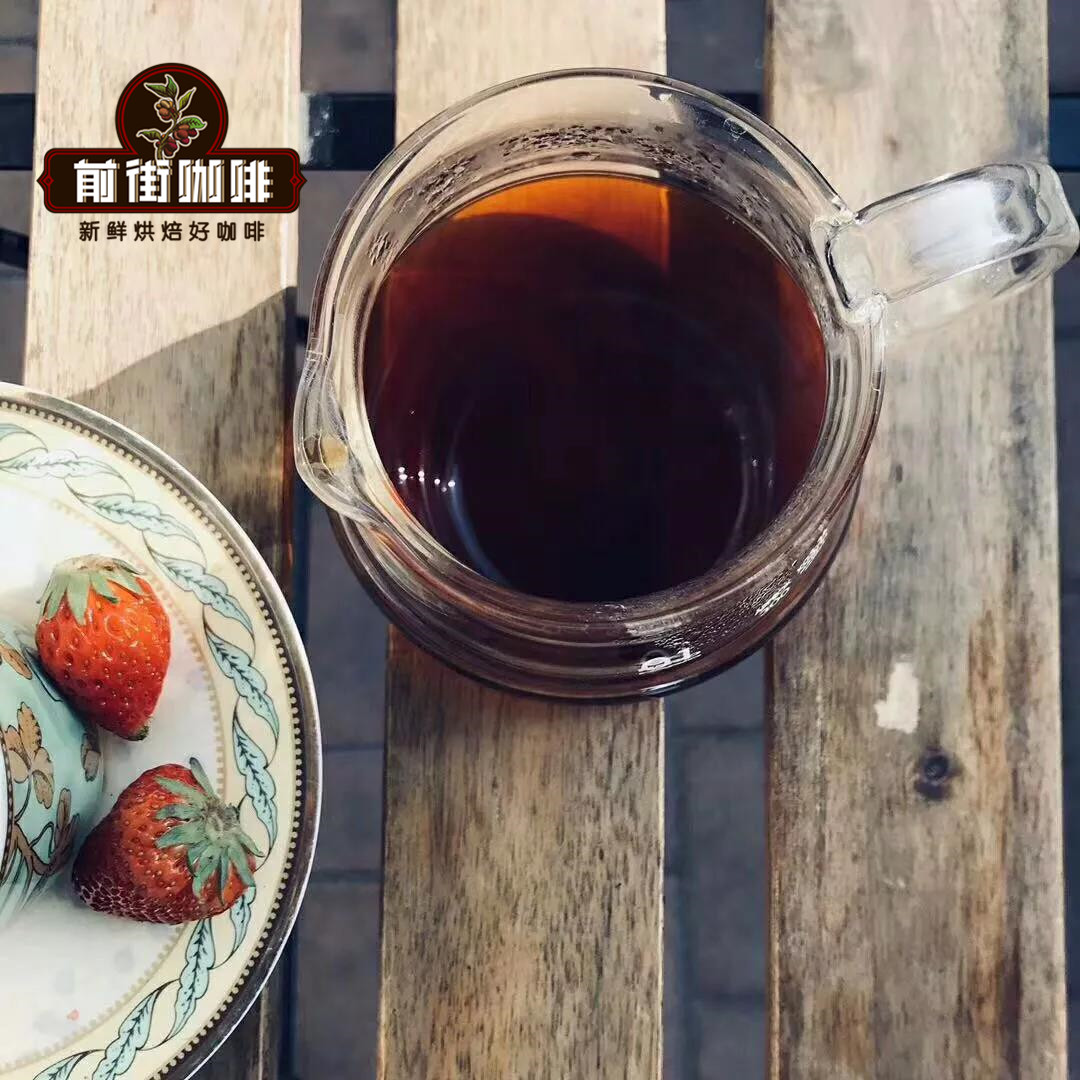
Comparing the three extractions: 88°C water brings out more fruity acidity, while 90°C best expresses the coffee's sweetness and balance. We therefore recommend 88°C-90°C for this bean. Why not hotter? It's a medium roast with a deep fermentation, so the bean structure is relatively loose — water that's too hot risks over-extraction.
FrontStreet Coffee Recommendation
Colombia's coffees are remarkably versatile — they anchor espresso blends, star as pour-over single origins, and cover everything from bright fruit acidity to deep, chocolatey body. If the San Jose rum-barrel lot's cocoa, nuts, and maple sweetness speak to you, the washed Huila is a natural next step: medium-dark roasted, with black chocolate, nutty sweetness, moderate crema, and a full body that works as pour-over, French press, moka pot, or espresso base for Americanos and lattes.
For something more adventurous from the same country, try FrontStreet Coffee's Colombia Boundary Estate Sidra (Xiazhua). It takes the innovative route San Jose pioneered a step further with anaerobic natural processing — cherries fermented in sealed, pressure-rated stainless tanks where temperature, time, and pH are tightly controlled, then dried in the fruit. The result is a tropical-fruit explosion: passion fruit, grape, apricot, and dried fruit compote, superb as pour-over, cold brew, drip bag, or moka-pot coffee at a medium-light roast.
And if you run a home espresso machine or moka pot, baristas keep pointing to the FrontStreet Boutique Blend — Brazil's creamy nuttiness married to Colombia's dark-chocolate bittersweetness, pulling fine golden crema and pairing beautifully with milk for a latte that's rich, smooth, and forgiving for beginners, while doubling as the base for Americano, cappuccino, and mocha.
Important Notice :
FrontStreet Coffee is a long-established specialty coffee roaster in Guangzhou China, selling freshly roasted beans from its own farm in Yunnan as well as dozens of carefully selected single-origin beans from around the world for both pour-over and espresso. The products deliver consistently excellent quality and great value, with shipping within 24 hours. Guangzhou's FrontStreet Coffee shop is recommended by many coffee lovers, and the beans are now available online at the Tmall 。
FrontStreet Coffee has moved to a new address:
FrontStreet Coffee Address: 315,Donghua East Road,GuangZhou
Tel:020 38364473
 Scan and follow the En Gafei WeChat official account. Please indicate that the reprint comes from "En Gafei".