What are the signs of under-extraction and over-extraction in coffee? How to avoid over or under extraction in pour-over coffee
Understanding Coffee Extraction
The other day I was chatting with friends about extraction. When the topic comes up, there is no avoiding the two situations that frustrate so many coffee enthusiasts: under-extraction and over-extraction. What is the difference between them, and how should we correct them during pour-over brewing?
What is Extraction?
First, let's understand what extraction is.
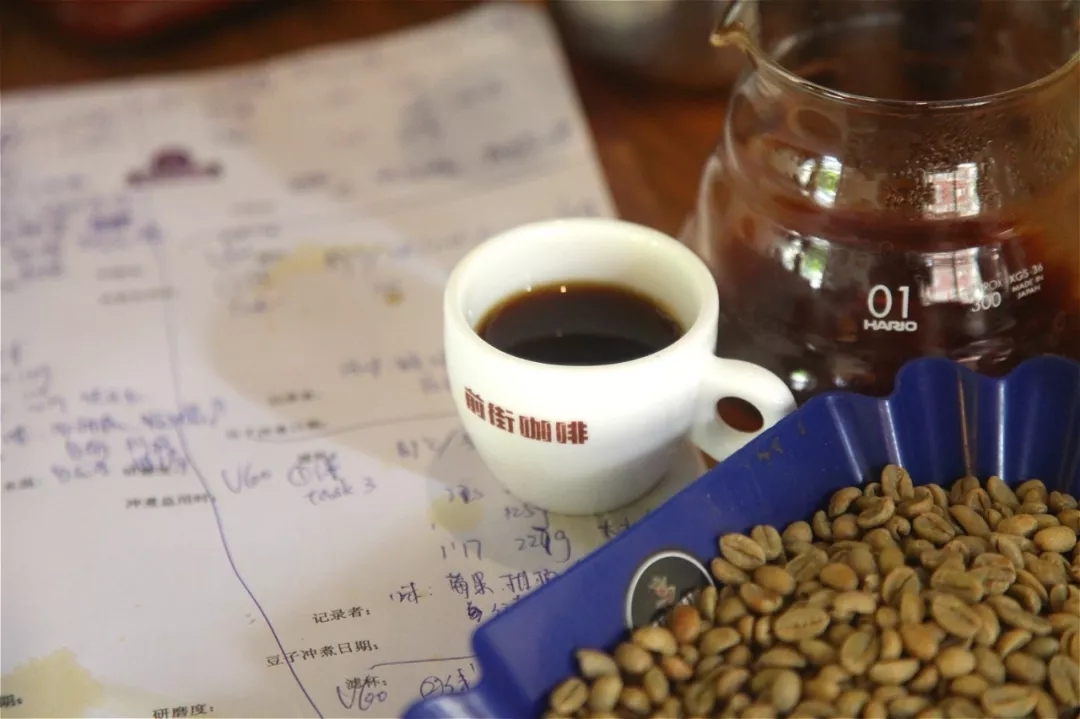
Coffee extraction is the process in which water passes through the coffee bed and carries substances out of the coffee. During this process, many factors come into play: water temperature, grind size, water amount, stirring, and so on. Any one of these parameters can affect the extraction of a cup. We generally divide coffee extraction into three categories: under-extraction, golden cup extraction, and over-extraction.
Golden Cup Extraction
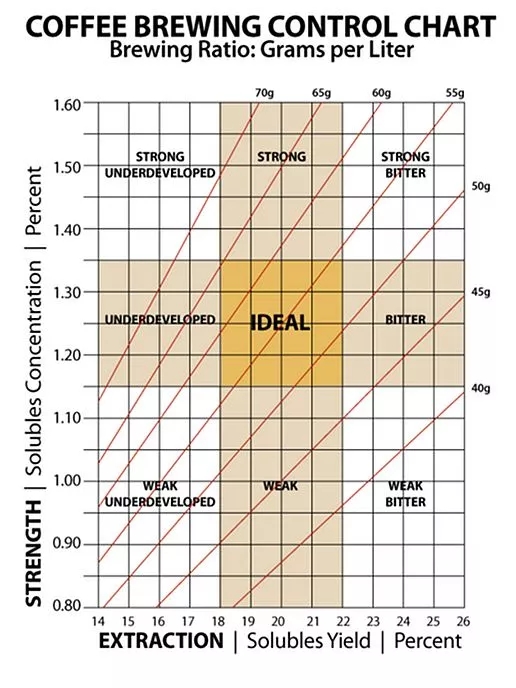
So-called golden cup extraction means that when your brewed coffee concentration falls between 1.2 and 1.4 TDS while also achieving an extraction rate of 18% to 22%, it is considered to be within the ideal extraction range. Below this range is what we call under-extraction, while exceeding it is over-extraction.
Under-Extraction & Over-Extraction
Under-Extraction
Under-extraction means the water has not extracted enough substances, so plenty of extractable material is still left in the grounds. At this point the coffee tastes sharp and sour, lacks sweetness, has a somewhat salty sensation, feels thin in body, and finishes with a short aftertaste.
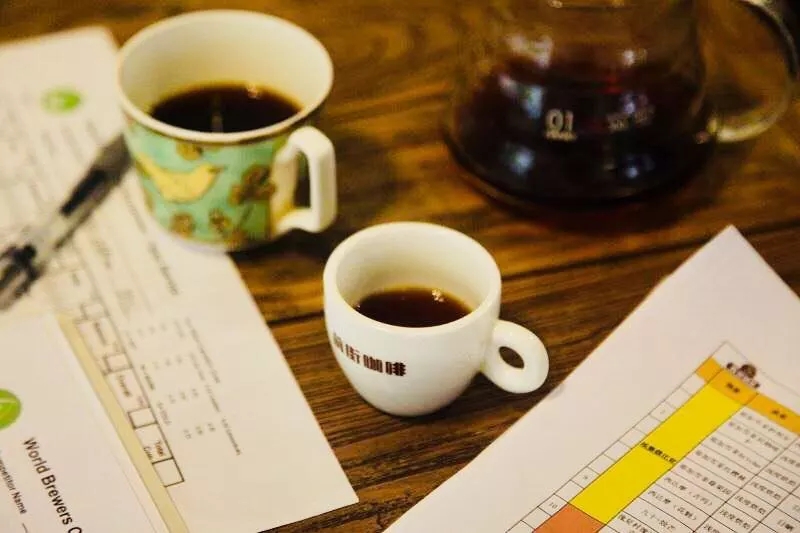
This is because, during extraction, small-molecule substances such as acids and salts come out first, followed by sweetness, and finally bitterness. Because not enough was extracted, those later compounds could not neutralise the acids pulled out in the early stages, which makes the whole cup feel overly acidic and unbalanced.
Over-Extraction
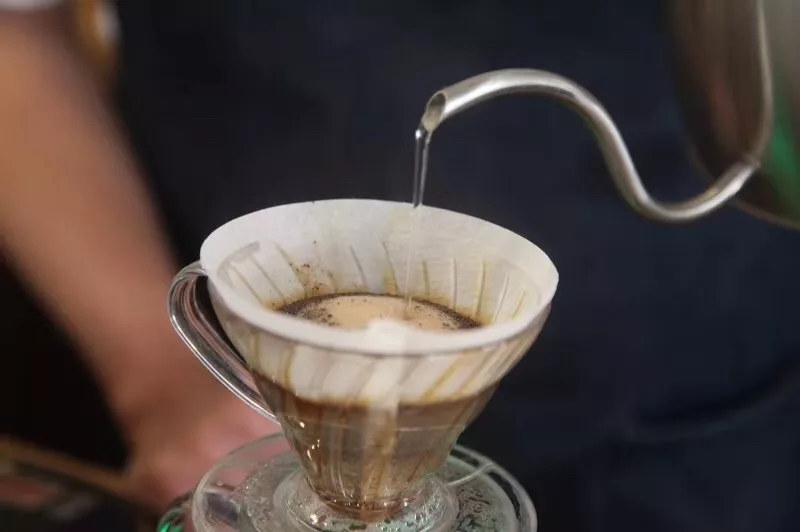
The soluble substances in coffee make up about 30%, but we only want at most 20% of them. Going beyond that 20% is over-extraction. Because too many substances have been extracted, the coffee carries an obvious burnt bitterness, off-flavours, and astringency.
How to Make Adjustments?
So how should we make adjustments?
Let me take FrontStreet Coffee's Yemen Mocha as an example.
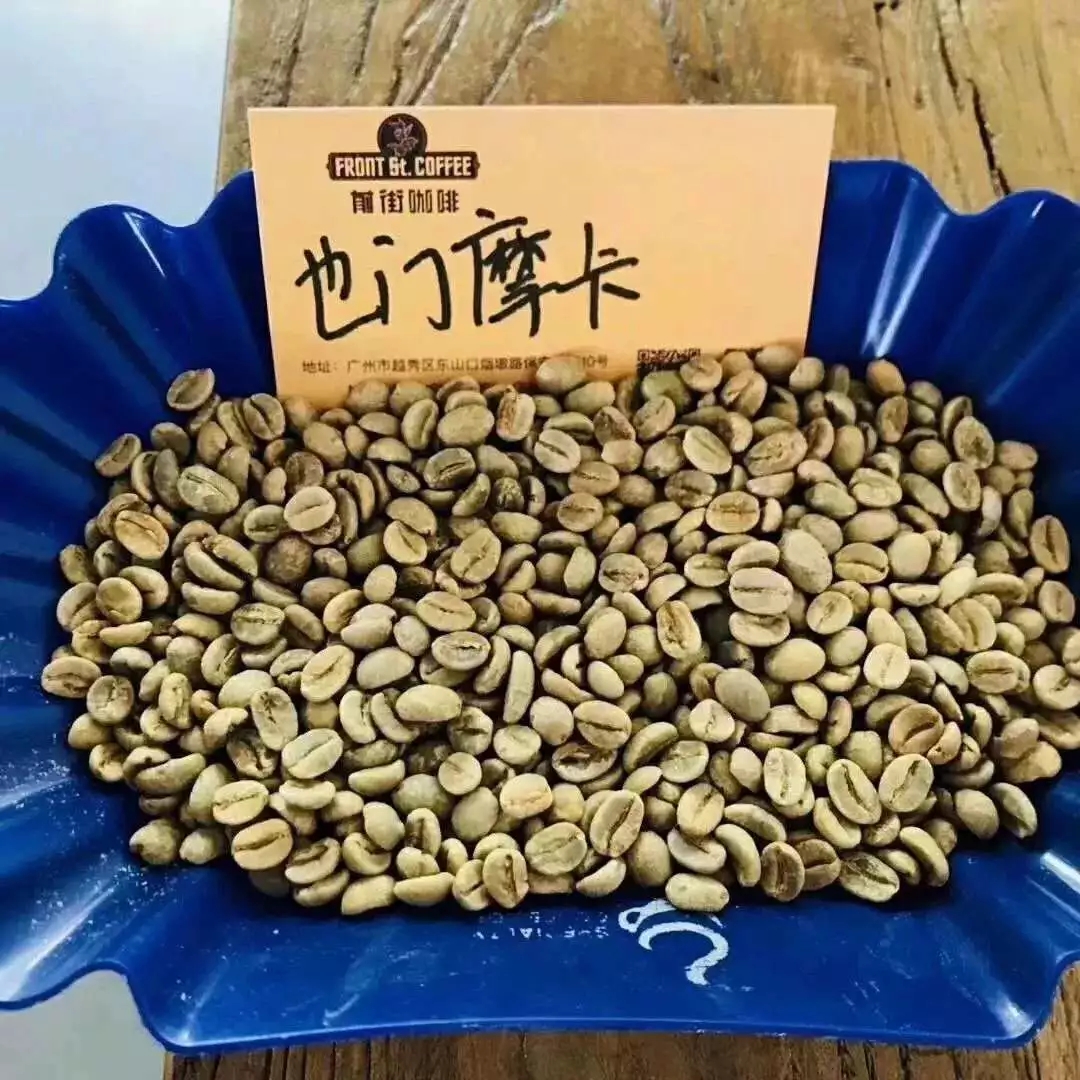
1. Water temperature 89°C, coffee-to-water ratio 1:15, BG grinder 6W (China standard 20-mesh sieve pass rate 35%), brewing time 1'43". The entry had a rather sharp acidity, a thin body, and a watery sensation.
I believed this was under-extraction, so I adjusted the grind finer.
2. Water temperature 89°C, ratio 1:15, BG grinder 5B (China standard 20-mesh sieve pass rate 70-75%), brewing time 2'20". The entry had rich dark chocolate and caramel sweetness, but with some rubber and woody flavours.
Although this brew no longer had the sharp acidity and brought out caramel sweetness and dark chocolate, it also introduced some undesirable flavours, such as woody and rubber notes, plus a somewhat astringent sensation. It felt like drinking through gauze. So I judged this to be over-extraction and adjusted the grind slightly coarser.
3. Water temperature 89°C, ratio 1:15, BG grinder 5R (China standard 20-mesh sieve pass rate 60%), brewing time 2'06". The entry had a relatively rounded, grape-like acidity, with a dark-chocolate bittersweet note in the middle, and the caramel aftertaste was quite persistent.
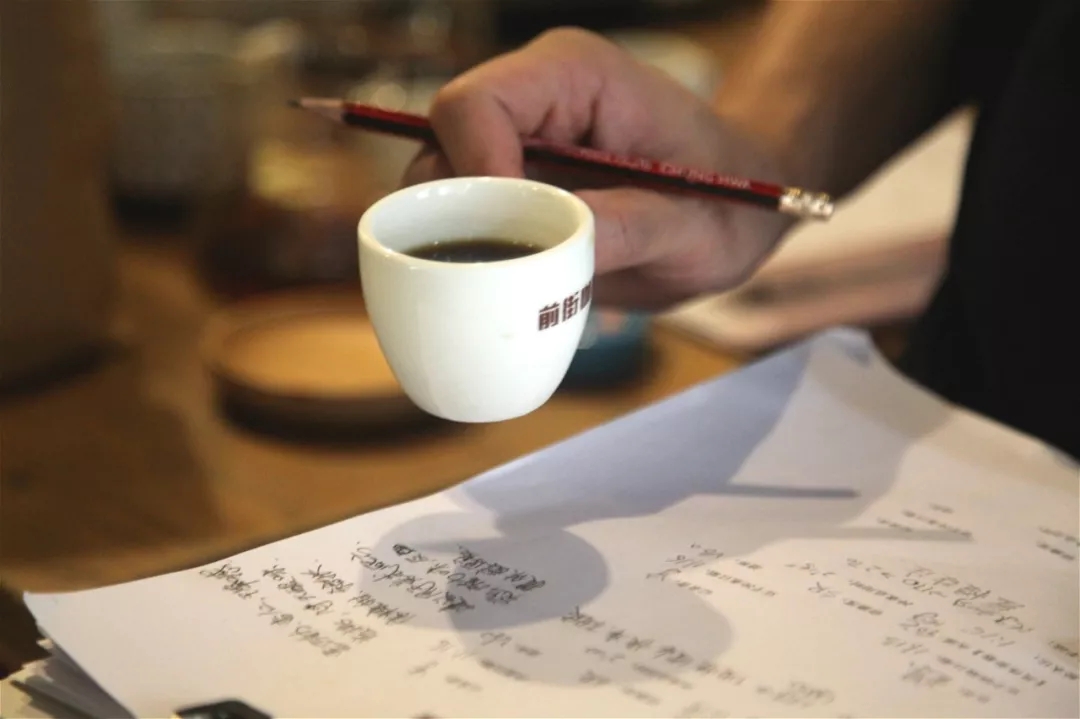
Different grind sizes produce different extraction rates. A coarser grind lowers the extraction rate and causes under-extraction, while grinding too fine raises it and easily leads to over-extraction. Water temperature matters too: a lower temperature naturally lowers the extraction rate, while an excessively high temperature raises it.
If you want to identify what is affecting your coffee's flavour, I recommend recording the data for every brew and changing only one parameter at a time when you adjust.
FrontStreet Coffee Recommendation
Once you can read extraction, the next step is to pick beans that make the adjustment worthwhile, and the V60 is the brewer that shows their delicate side best. FrontStreet Coffee's Guodingding Cooperative, with its classic Yirgacheffe profile, is a clean washed Ethiopia G1 full of white florals and bright citrus, so it makes under-extraction and over-extraction easy to hear as you dial in the grind. FrontStreet Coffee's Huakui brings a richer tropical-fruit character with cream strawberry, mango, and jackfruit notes, while FrontStreet Coffee's Strawberry Candy Geisha blend shows floral and sweet fruit layers that reward a well-controlled pour. If you prefer a dark, chocolatey coffee, FrontStreet Coffee's PWN Indonesia Golden Mandheling is a wet-hulled, dark-roasted Sumatra G1 whose heavy body and low acidity respond clearly to grind changes.
Important Notice :
FrontStreet Coffee is a long-established specialty coffee roaster in Guangzhou China, selling freshly roasted beans from its own farm in Yunnan as well as dozens of carefully selected single-origin beans from around the world for both pour-over and espresso. The products deliver consistently excellent quality and great value, with shipping within 24 hours. Guangzhou's FrontStreet Coffee shop is recommended by many coffee lovers, and the beans are now available online at the Tmall 。
FrontStreet Coffee has moved to a new address:
FrontStreet Coffee Address: 315,Donghua East Road,GuangZhou
Tel:020 38364473
 Scan and follow the En Gafei WeChat official account. Please indicate that the reprint comes from "En Gafei".