Why Hawaiian Kona Coffee is Famous and How Much Do Kona Coffee Beans Cost
Why Is Kona Coffee So Expensive?
Spanning between 19 and 22 degrees latitude, just south of the Tropic of Cancer, the Hawaiian Islands sit in the path of the trade winds and form a naturally perfect coffee-growing region. Volcanic soil and a tropical climate, complemented by moderate humidity and regular afternoon showers, create an ideal environment that seems lifted from an idyllic landscape, and it lends the beans a delicate, distinctive character. Some coffee connoisseurs go so far as to say that Kona coffee produced here is absolutely the world's finest, with notes of drupe fruits and chocolate and a smooth, delightful taste.
After the outbreak of World War I, coffee demand rose sharply, and higher demand triggered price increases — Kona coffee was no exception. The period from World War I to 1928 marked the golden era of Kona coffee. In 1940, the Second World War pushed coffee prices up once again. Through the 1970s and 1980s, Kona prices rose and fell several times, but it was during this period that Kona coffee established its status as one of the world's premier coffees.
Despite its worldwide fame, Kona production remains relatively low. The main Kona growing area lies on the slopes of Mauna Loa volcano on the Big Island of Hawaii. This narrow coffee belt stretches approximately 50 kilometers long and only 1.6 kilometers wide, with a total area of about 1400 hectares, producing less than 2 million pounds of beans annually.
From ancient times to the present, Kona coffee has been harvested bean by bean, by hand. This stems partly from the tradition of family farms using family labor, but more importantly from the wish to ensure only the highest-quality beans go into production. The Kona harvest runs from September to December each year, and farms must pick beans that mature at different times promptly by hand. As a result, Hawaii's coffee industry management is among the strictest of any producer, and its labor costs among the highest.
Freshly picked Kona cherries are an enticing red, comparable to cherries, which is why locals generally call the fruit "Kona cherries." Once picked, they must be processed immediately to prevent spoilage that would affect the beans' flavor. Kona processing typically uses the washed method, and Hawaii's clean, sweet mountain spring water provides ideal conditions for it, producing Kona beans with a bright, clear appearance and a pure, fresh taste. The wet beans are then laid out under the sun on what are called "hoshidana drying racks," allowing them to dry slowly and naturally so their special flavors are preserved. Dried Kona beans are called "parchment" or "Kona gold," because drying forms a layer of golden skin on the surface. Once the beans are completely dry, that golden skin must be ground off and the beans graded — all of which requires continuous manual effort.
Superior natural conditions let Arabica trees with ancient Ethiopian highland heritage thrive freely in the Kona region, creating more intense coffee flavors. From planting, harvesting, washed processing, sun-drying and polishing, every step relies entirely on manual labor, and production is extremely limited. Hawaii's 100% Kona coffee naturally appears superior and expensive, ranked alongside Blue Mountain as a symbol of premium coffee. If you are not in Kona, Hawaii, it is difficult to obtain 100% pure Kona beans.
Kona Coffee Brewing Analysis
1. Dripper: V60
2. Water Temperature: 92°C
3. Grind Size: Fuji Rancilio grind setting 3.5
4. Roast Level: Medium roast
5. Bloom Time: 30 seconds
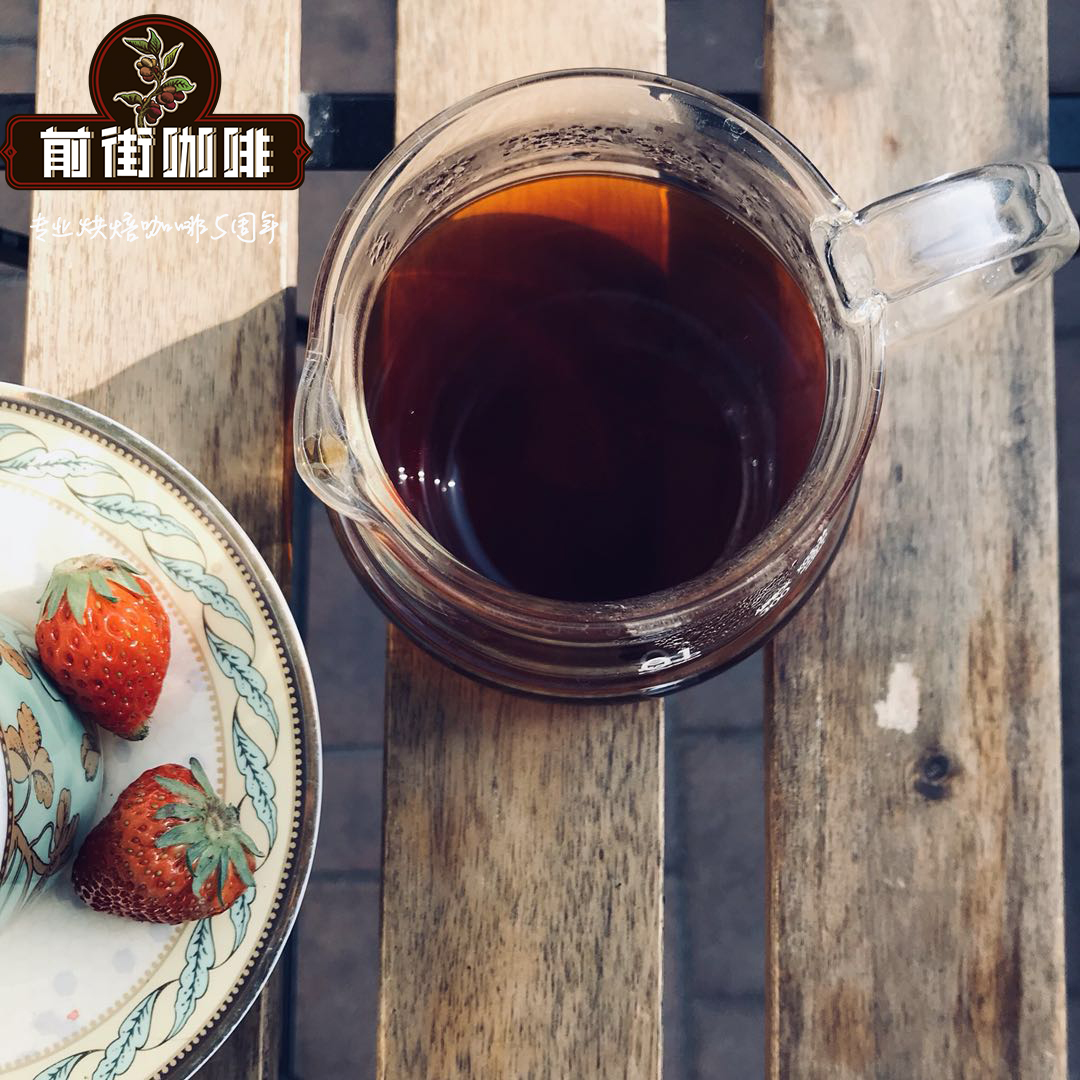
Flavor: Malt, mulberry, with a long-lasting caramel sweetness in the finish.
FrontStreet Coffee's Recommended Technique: Pour slowly, steadily and continuously — gentle circular pours with a fine, steady stream for even extraction. You can also stir gently with a stirrer. Typically, during the bloom, do one cross-stir to ensure the water and grounds make full contact, which increases the release of aromatic compounds.
FrontStreet Coffee Recommendation
Kona's signature is a soft, nutty, chocolate-dominant cup, and if that style suits you, FrontStreet's nut-and-chocolate lineup delivers it directly. FrontStreet Specialty Blend leads with Brazilian beans and supports them with Colombian, giving a rounded espresso with almond, walnut and other nutty aromas. As a latte it adds a comfortable bittersweet quality and a sweet milk-chocolate texture, and the entry is extremely smooth — a good match for drinkers who want a full-bodied, balanced cup.
For a single-origin take on creamy chocolate, FrontStreet Brazil Queen Estate comes from a smaller region and uses a more careful process. The variety is Yellow Bourbon, notable for its bright yellow skin. After roasting, it shows Brazil's nut, cream, roasted peanut and caramel-cookie flavors with low acidity and a balanced body, and a particular clean sweetness that stretches out the finish. It works as pour-over, French press or clever dripper, and equally well in a moka pot or home espresso machine.
If you prefer a stronger, more aromatic, low-acid cup, FrontStreet Indonesia Lintong Mandheling is an entry-level Indonesian coffee from the Lintong region of Sumatra, at the top G1 grade. Processed wet-hulled and roasted dark, it emphasizes Mandheling's brown sugar, spice, herbal, nut and dark chocolate notes, with a full, rich, low-acid body. It suits pour-over, moka pot and clever dripper, and works well as a practice bean for beginners.
For a milk-chocolate style at a value price, FrontStreet Black Cocoa Blend combines Brazilian nut aroma and smoothness with Yunnan small-bean's ripe plum acidity and gentle structure. Pulled as espresso it has fine crema and moderate intensity, and it stands out in Americanos, lattes and flavored drinks alike, finishing with a caramel aftertaste.
Important Notice :
FrontStreet Coffee is a long-established specialty coffee roaster in Guangzhou China, selling freshly roasted beans from its own farm in Yunnan as well as dozens of carefully selected single-origin beans from around the world for both pour-over and espresso. The products deliver consistently excellent quality and great value, with shipping within 24 hours. Guangzhou's FrontStreet Coffee shop is recommended by many coffee lovers, and the beans are now available online at the Tmall 。
FrontStreet Coffee has moved to a new address:
FrontStreet Coffee Address: 315,Donghua East Road,GuangZhou
Tel:020 38364473
 Scan and follow the En Gafei WeChat official account. Please indicate that the reprint comes from "En Gafei".