Cold Brew Coffee Tutorial: Storage Duration and Flavor Profile Guide
Professional coffee knowledge exchange and more coffee bean information, please follow Coffee Workshop (WeChat public account: cafe_style).
Introduction
A few days ago a friend asked FrontStreet Coffee: "I don't have a refrigerator nearby - how should I make cold brew coffee?"
When we think of cold brew, our first reaction is usually that it needs a fridge, or has to be made as cold drip, to count as cold brew.
But sometimes there's no refrigerator at hand, so what do you do? Making cold brew at room temperature was something I had never tried, so I decided to test it myself.
What is Cold Brew Coffee?
Cold brew coffee is exactly what it sounds like. Put ground coffee into room-temperature water, steep and extract for 12 hours, then filter out the grounds to get the coffee liquid - that is cold brew. Compared with regular hot-brewed coffee, the flavor is noticeably stronger, bitterness is reduced, and the mouthfeel becomes smoother.
It's worth noting that the longer cold brew sits, the stronger its fermentation character becomes, so the taste changes from day to day. FrontStreet Coffee suggests drinking it within 3-4 days.
This coffee, which sounds labor-intensive, is actually far simpler to make than you'd imagine.
Think of it this way: put coffee grounds in cold water - let it steep in the refrigerator overnight - filter out the grounds - done.
The principle is similar to cold drip coffee, except that cold brew uses cold water for a long extraction.
And because extraction is at low temperature, it dissolves mainly small molecules such as fruity acids and floral aromas.
Let's Get Started
Without further ado, let's immediately try making it with room-temperature water.
First Attempt
A few days earlier I happened to catch FrontStreet Coffee's monthly promotion, so I bought a bag of Yirgacheffe Huakui.
I used a 1:15 coffee-to-water ratio and steeped it in Nongfu Spring room-temperature water for 8 hours, then took it out and tasted it. It felt a bit watery, with clearly insufficient floral aroma and sweetness, while the stone-fruit flavors were relatively prominent.
I worked out the reasons: I hadn't paid attention to grind size and the particles were too coarse; extraction time was too short, so the flavors didn't release fully; and the coffee-to-water ratio was too large.
Second Attempt
I switched to a medium-fine grind (85% pass rate through a China standard #20 sieve).
Water temperature: 19°C; coffee-to-water ratio: 1:10; extraction times: 10 hours and 12 hours.
Flavor after 10 hours of steeping:
Faint jasmine fragrance, berry acidity, caramel and cocoa, with some astringency.
Flavor after 12 hours of steeping:
Rich floral aroma, berry fragrance, ripe plum and a dark chocolate aftertaste. After 12 hours, the Yirgacheffe Huakui's aroma and sweetness were more pronounced, and the overall profile was more balanced and rounded.
Coffee Bean Recommendations
You may ask: "What other beans do you recommend for making cold brew?"
I would suggest trying washed or specially processed beans.
The reason is simple: the cold brew made from them is more recognizable and sweeter.
For example:
1. FrontStreet Coffee Yirgacheffe Wolka
Country: Ethiopia Region: Yirgacheffe Altitude: 1850-2100m
Processing: Washed Grade: G1 Variety: Heirloom
Flavor: White floral notes, citrus, red plum, medium acidity
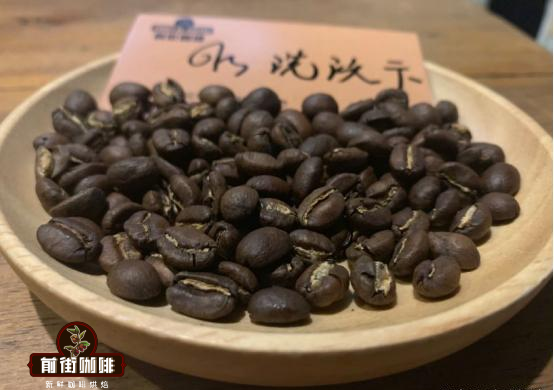
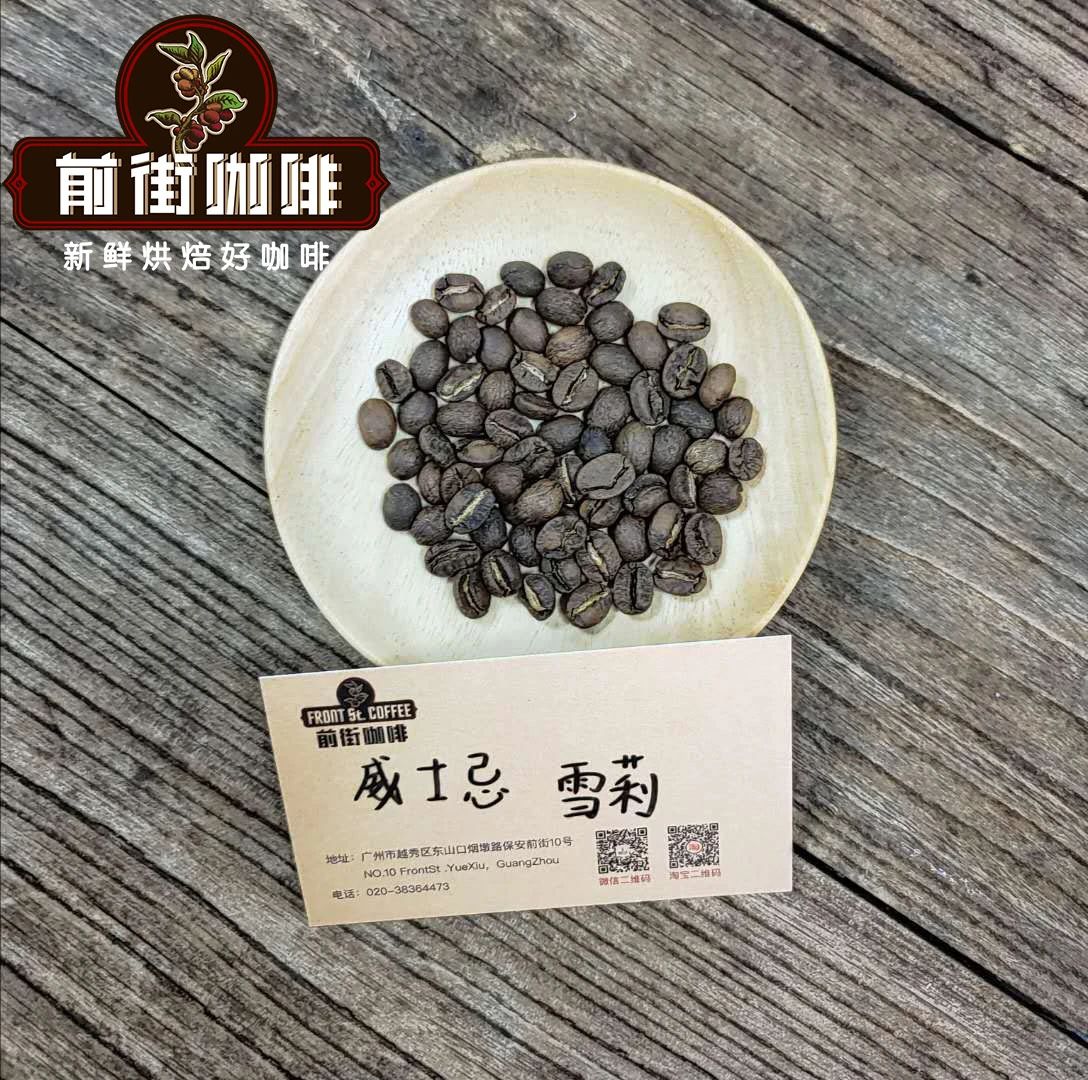
2. Honduras Sherry
Country: Honduras Region: Marcala Estate: Mocca Estate
Altitude: 1500-1700m Variety: Caturra, Catuai, Pacas
Processing: Refined washed whiskey sherry barrel fermentation
Flavor: Vanilla, whiskey aroma, honeydew melon, dark chocolate aftertaste
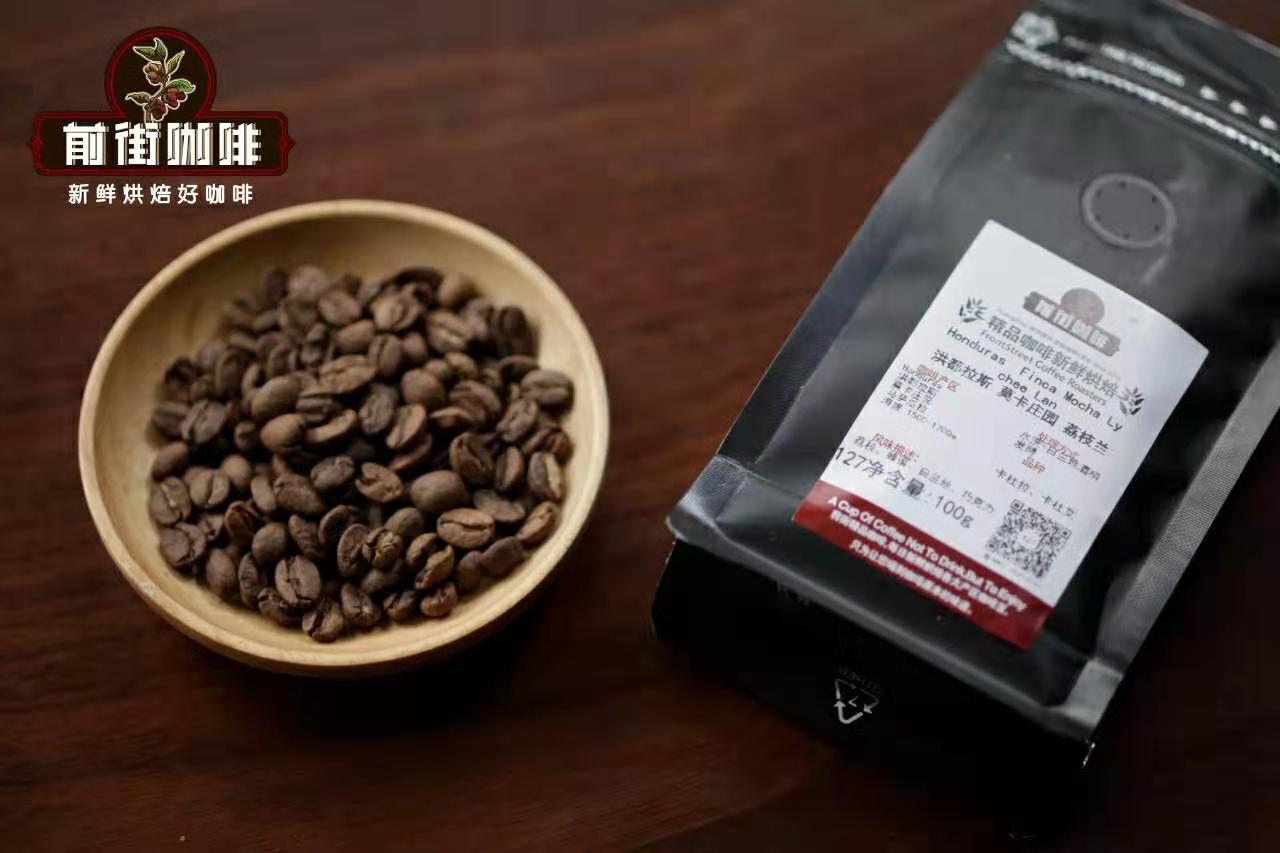
3. Honduras Lychee Orchid
Region: Marcala Estate: Mocca Estate Altitude: 1500-1700m
Variety: Caturra, Catuai Processing: Refined washed and brandy barrel processing
Flavor: Creamy texture, brandy fermented wine aroma, dark chocolate
4. Panama Butterfly
Region: Panama Boquete Variety: 70% Gesha, Caturra, Catuai
Altitude: 1600-1650 Processing: Natural processing
Flavor: Classic Gesha flavors, citrus, tea-like sensation
Creative Serving Suggestions
You can also choose the following creative methods.
Add Sparkling Water
FrontStreet Coffee has tried making cold brew with sparkling water and found the concentration tends to run high. The reason is that, before it goes into the refrigerator, the coffee grounds float on the upper layer of the sparkling water. As the bubbles rise and "hit" the grounds, and after 13 hours when it comes out of the fridge, the grounds have already sunk to the bottom of the bottle. During soaking the grounds moved from top to bottom, which makes it easier to extract their substances.
When FrontStreet Coffee used sparkling water to make cold brew Yirgacheffe, it smelled of a richer berry fragrance. Although no bubbles were visible in the liquid, drinking it gives the sensation of bubbles colliding in the mouth.

Add Milk
Generally, light roast beans are chosen to enjoy floral and fruity aromas and a sweet-sour sensation, so they are mostly drunk straight. Dark roast beans have a heavier flavor, so for richer cold brews made from dark roast, you can add milk to create a fragrant, smooth mouthfeel.
Different dairy products give different mouthfeels, and they divide into two categories: fresh milk and creamer (fresh cream type). Because fresh milk contains more water, the mouthfeel when mixed is relatively refreshing with a thinner body; mixing with a creamer that leans toward the fresh cream style, which has less water, gives a richer, thicker body overall.
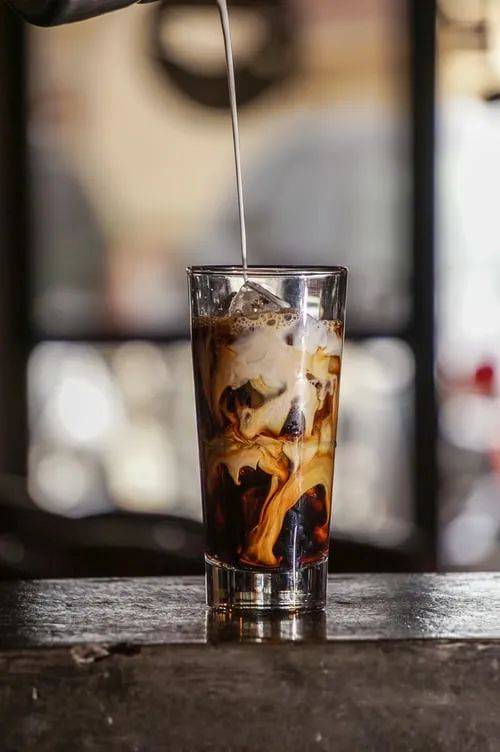
When FrontStreet Coffee makes cold brew and adds unsweetened milk, it becomes a cold brew latte. It drinks naturally sweet with a sweet aftertaste.
Add Alcohol
FrontStreet Coffee thinks that if you could add a little Irish whiskey (grain-brewed) or brandy (fruit-brewed), it would also carry a special flavor.
Of course, you can add any type of alcohol, but Irish whiskey is grain-brewed, unlike most Scotch whisky, which is made from barley.
If you want non-alcoholic coffee with a wine flavor, you can also try FrontStreet Coffee's Honduras Sherry, which uses whiskey-barrel fermentation processing. It has rich whiskey-cream-vanilla flavors, especially suitable for drinkers who want wine-flavored coffee.
Conclusion
This experiment of making cold brew with room-temperature water gave an unexpectedly good result overall.
And when it comes to choosing beans, it's the same old saying - everyone should choose according to their own taste preferences.
FrontStreet Coffee Recommendation
For cold brew, the FrontStreet Coffee Strawberry Candy Geisha Blend is an outstanding choice. It combines the most representative Panamanian Geisha with a Costa Rican honey-processed coffee - one supplying delicate rose and orange, the other bringing grape, dried blueberry and a strawberry-fudge sweetness. Cold brewed, it is sweet and bright with a lively, lifted flavor, and if left to ferment and settle a little it takes on a fruit-wine character.
If you want a floral iced coffee, buy the FrontStreet Coffee Sun-Dried Huakui. Cold brew amplifies floral and fruity notes while muting woody and roasty ones, so a light-medium roast like this shines. Grown in Ethiopia, the birthplace of coffee, it soaks up sweetness from the pulp during natural drying; cold brewed, it shows magnolia, cream strawberry, dried mango, guava and black tea.
And for a cold brew full of juice, the FrontStreet Coffee Kenya Cherry Tomato is a top pick. The sweet-tart notes of cherry tomato, snow pear, black plum and smoked plum show beautifully at low temperature, with low bitterness and a full acidity that stays refreshing over ice. It comes from Kenya's Sika region, from the SL28 and SL34 varieties, and uses Kenya's distinctive [K72] double washed processing; a medium-light roast converts its aroma precursors into a richer, fruitier cup. Because cold brew uses more grounds, you can also stretch a premium bean by blending - for example, mixing FrontStreet Coffee Colombia Hizhu with FrontStreet Coffee Costa Rica Tarrazu at 1:2, which keeps Hizhu's passion fruit, grape and apricot sweetness while adding Tarrazu's crisp citrus acidity at a better value.
Important Notice :
FrontStreet Coffee is a long-established specialty coffee roaster in Guangzhou China, selling freshly roasted beans from its own farm in Yunnan as well as dozens of carefully selected single-origin beans from around the world for both pour-over and espresso. The products deliver consistently excellent quality and great value, with shipping within 24 hours. Guangzhou's FrontStreet Coffee shop is recommended by many coffee lovers, and the beans are now available online at the Tmall 。
FrontStreet Coffee has moved to a new address:
FrontStreet Coffee Address: 315,Donghua East Road,GuangZhou
Tel:020 38364473
 Scan and follow the En Gafei WeChat official account. Please indicate that the reprint comes from "En Gafei".