Arabica vs Robusta: Which is Superior? Understanding the Differences Between Arabica and Robusta Coffee

Professional Coffee Knowledge Exchange
FrontStreet Coffee Guatemala Coffee | Borsa Pacamara | Geisha 2018
Panama Emerald Estate Red Label Natural | Blue Label Washed | Green Label Natural
The Endangered Arabica
Many of you may have seen a news story: Arabica is on the brink of extinction. The gist of the report is that climate change will wipe out wild Arabica by 2080, which means people would no longer have delicious coffee to drink.
That raises a question: why Arabica and not Robusta? Arabica is more delicious, and 70% of the coffee traded globally as a commodity is Arabica. You would think a more advanced, superior variety with a wider growing range would last longer, so why is it the first to face extinction?
Answering that takes a biological look at Arabica and Robusta, which is exactly what we are exploring today: who is truly more advanced?
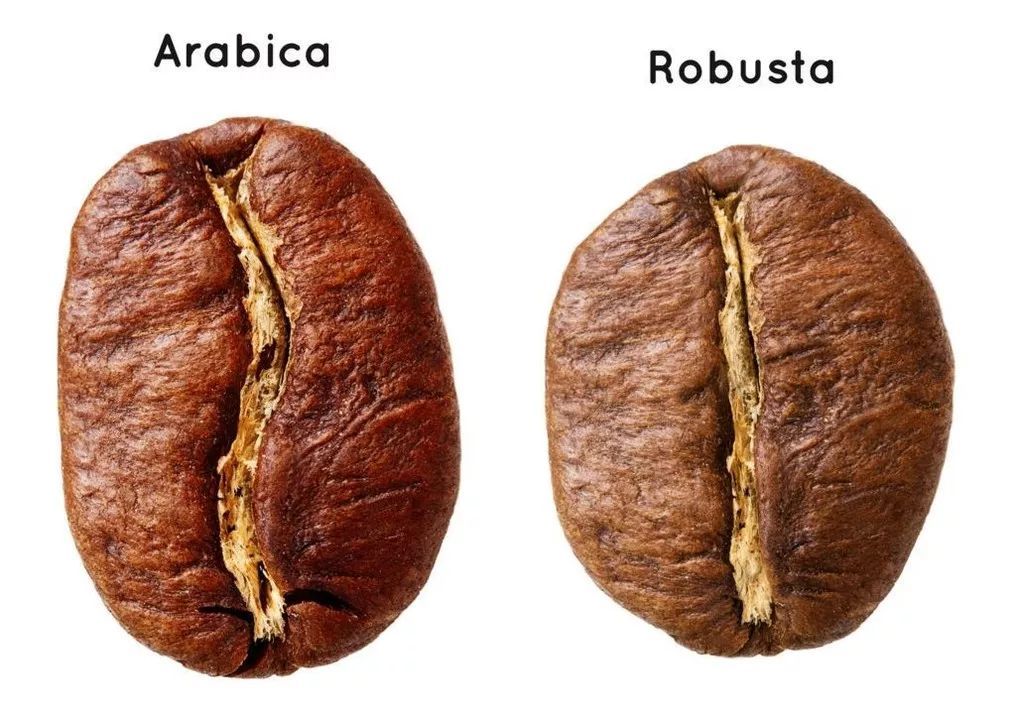
Growing Conditions
Start with the growing conditions of the two varieties. Both Arabica and Robusta grow within the coffee belt between 45 degrees north and south latitude, but Arabica is usually cultivated above 800 meters. It has high requirements for growing conditions and weak resistance to pests and disease. Robusta is grown below 800 meters and has extremely strong adaptability, with robust resistance to pests and disease.
This leaves two questions to consider: resistance to pests and disease, and adaptability to the environment.
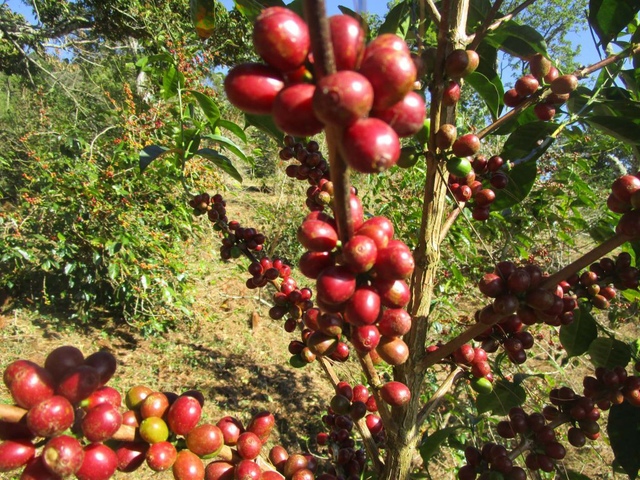
Resistance to Pests and Diseases
What is resistance to pests and disease? Put simply, it is the ability not to be eaten. Think about it: if you were coffee leaf rust fungus or an insect that feeds on coffee beans, would you prefer warm and humid or cold and dry conditions? Warm and humid, of course. Relatively speaking, a coffee tree growing in a warm, humid environment that wants to keep reproducing would need to evolve defenses. One such defense is caffeine. To humans, caffeine is the most widely used psychoactive substance in the world, but in nature it is a natural insecticide that can paralyze insects that feed on caffeine-containing plants.
Now you can see why Robusta's caffeine content is several times higher than Arabica's. Survival of the fittest through natural selection - precisely the core idea of Darwin's "On the Origin of Species."
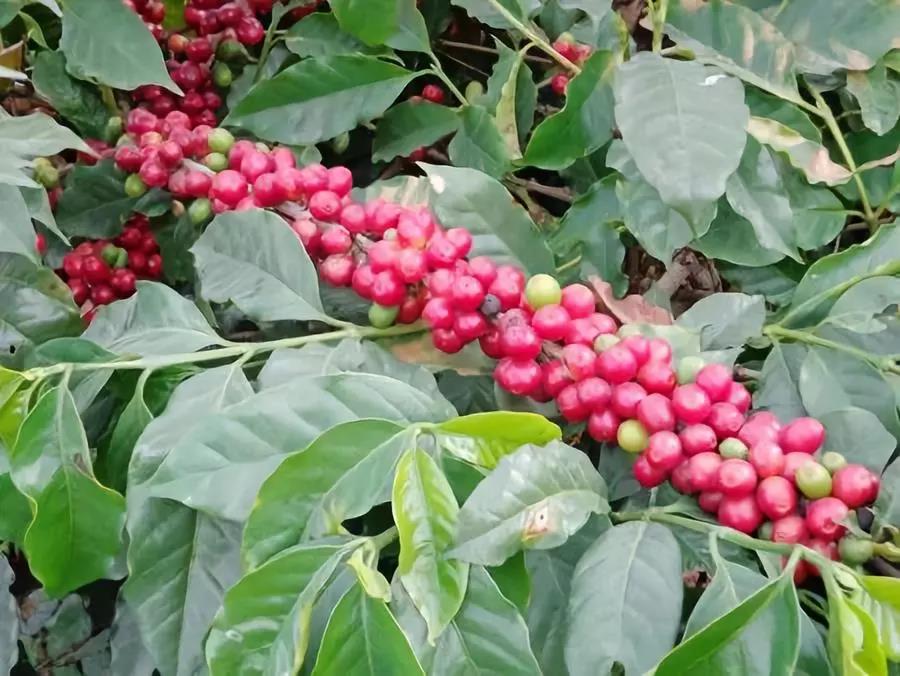
Environmental Adaptability
On environmental adaptation, the previous point covered resistance to external threats. Other adaptations include tolerance of temperature and humidity, survival through sudden environmental change, mainly temperature swings, drought and flood, and wind damage. Let's continue.
Altitude is the dividing line between the growing areas for Arabica and Robusta. Temperature rises naturally as altitude falls. So within today's global coffee belt, are there more high-altitude or low-altitude regions? And what factor is the 2080 extinction prediction for Arabica based on? Temperature. For any species, only those adapted to their growing environment can reproduce. From that angle, Robusta is the better survivor.

Genetic Perspective
When it comes to adapting to environmental change and other disasters, we have to look from a genetic angle. We generally know that Arabica has 44 chromosomes while Robusta has 22; Arabica is self-pollinating while Robusta is cross-pollinating.
More chromosomes mean greater genetic complexity, which might seem more advanced, but our focus is on pollination - that is, the process of genetic inheritance.
Under normal circumstances, cross-pollinated plants are of higher quality, because offspring produced through cross-pollination carry genetic traits from both parents, potentially generating new characteristics that help them survive in a changing environment. Arabica, especially the American Arabica varieties of the past, is in fact quite fragile, and that can be traced back to its origins. The first coffee tree to root on the American continent came from the Netherlands. Because Arabica is self-pollinating, its genes grow increasingly homogeneous over successive generations, with no foreign genes entering the mix. So if a certain disease or disaster strikes, coffee plants sharing the same genes could be wiped out entirely. That is why scientists are now trying various ways to hybridize Arabica to increase genetic diversity, or returning to coffee's birthplace, Ethiopia - a natural coffee gene bank - in search of solutions.
Catuai and Catimor are two prominent examples.
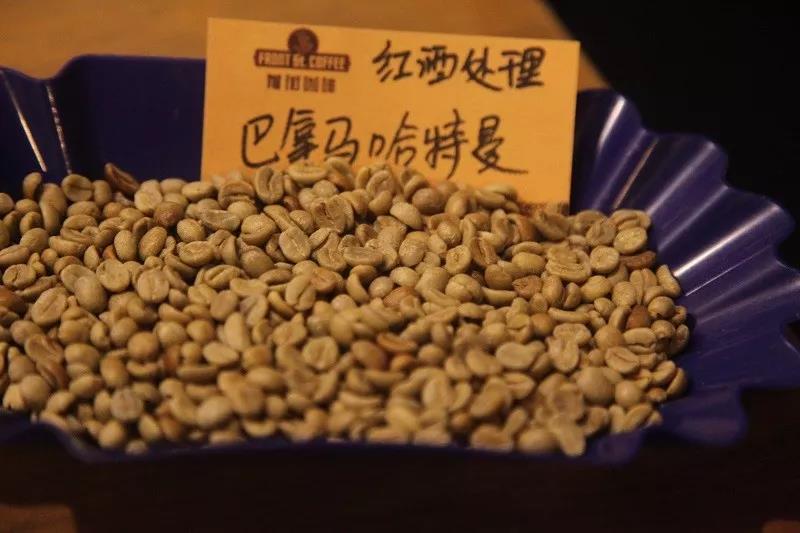
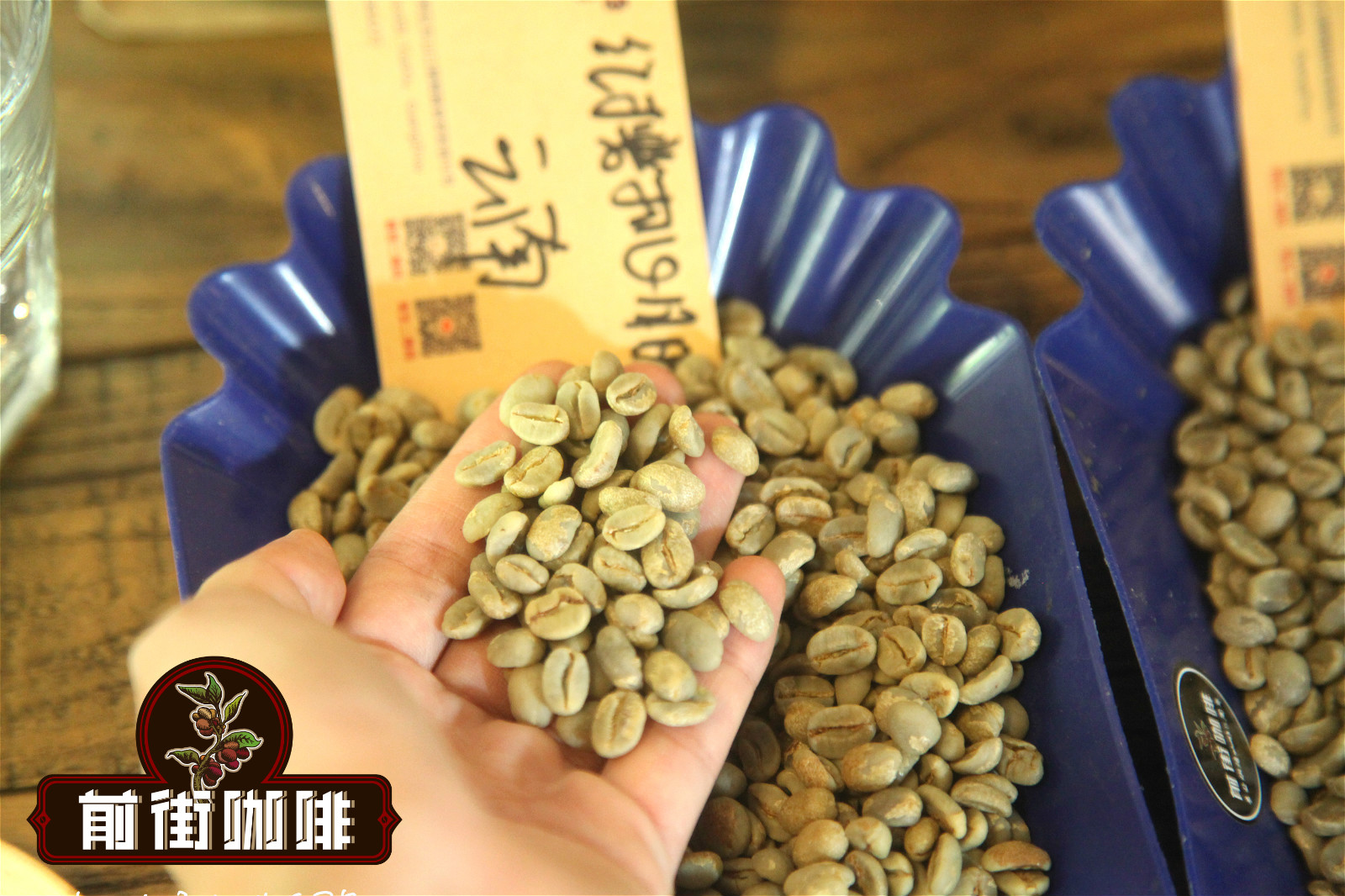
Catuai is a hybrid of Mundo Novo and Caturra, an intraspecific cross. It inherits Caturra's advantage of short plant height, addressing Mundo Novo's shortcomings, and it also offsets Arabica's fragile fruit characteristic. The fruit sets firmly and does not drop easily when blown by strong winds.
Catimor is a hybrid of Caturra and Timor, an interspecific cross. It has high yield and good disease resistance, but its flavor is relatively bland.
Conversely, pure Robusta varieties can better maintain genetic diversity through natural cross-pollination, and genetic mutations arising during inheritance are also more easily preserved and spread. For population reproduction, that is clearly superior.
Cultivation and Human Choice
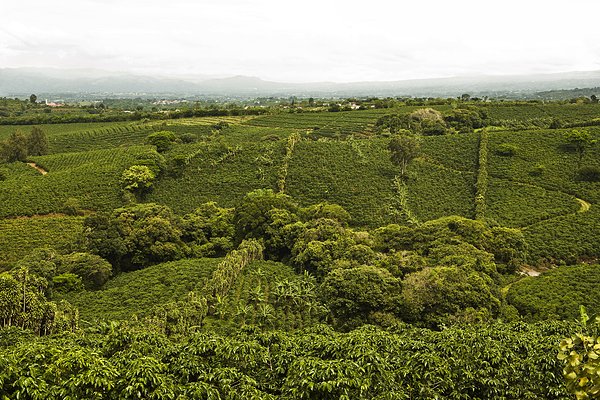
On cultivation, the ecosystem at higher altitudes is more fragile, with less biodiversity, so growers of premium coffee must plant various vegetation around the coffee trees, protect forests and animals, and use organic fertilizers to keep the ecosystem intact. Otherwise, Arabica coffee becomes even harder to sustain. Robusta, by contrast, can survive even under rougher cultivation, making it better adapted to the environment.
Now let's consider human choice. Those who say Arabica is superior to Robusta are really talking about flavor. Humans first consumed coffee beans for their stimulating effects, a form of biological use of nature. Later, people chose to cultivate Arabica more for its delicious taste. Setting flavor aside and looking at biological use, Robusta might dominate, since it contains more extractable caffeine. Then consider environmental value: a study investigating coffee cultivation conditions in India found that 75% of Arabica farmers use pesticides, while only 19% of Robusta growers do, since Robusta carries its own insecticide. For birds and other animals, Robusta may be more environmentally friendly, offering better protection for surrounding biodiversity. Of course, in forest habitats with high bird diversity, researchers also found greater diversity of other species, such as mammals, amphibians and trees, some of them very rare. This indicates that mountain coffee plantations have not caused serious harm to bird and other biological diversity.
Conclusion
In summary, biologically speaking Robusta coffee has the superior survival habits, while economically Arabica has a slight edge. As for historical and cultural value, Arabica's significance is even more prominent: many great works of art, love stories and even revolutions that changed a nation's destiny began in coffeehouses. Coffee brings people endless inspiration and motivation, and what they were drinking was, of course, delicious Arabica coffee.
As for who is more advanced, Arabica or Robusta, what do you think? You are welcome to share your thoughts with us.
FrontStreet Coffee Recommendation
If Arabica wins on flavor, then Geisha is where that argument reaches its peak. FrontStreet Emerald Estate Red Label Geisha, officially named Esmeralda Special, is grown at 1600-1800m, and each lot must cup above 90 points, with its own lot number and a single small plot behind every batch. FrontStreet Emerald Estate Green Label Geisha, known as Private Collection, blends several plots rather than spotlighting one, and delivers the signature high-altitude Geisha profile at a much more approachable price.
For a first taste of what all the fuss is about, FrontStreet Boquete Geisha Coffee is the entry-level Panama Geisha in the lineup, offering the classic orange-blossom honey sweetness, an oolong tea sensation and fine fruit acidity with clear layers.
And if extinction headlines have you worried about the future of great coffee, there is some good news: FrontStreet Strawberry Candy Coffee blends Costa Rican honey-processed beans with Panama Geisha, giving you both delicate florals and sweet fruit in one cup. It works as pour-over, in a moka pot or espresso machine, and makes a refreshing cold brew as well.
Important Notice :
FrontStreet Coffee is a long-established specialty coffee roaster in Guangzhou China, selling freshly roasted beans from its own farm in Yunnan as well as dozens of carefully selected single-origin beans from around the world for both pour-over and espresso. The products deliver consistently excellent quality and great value, with shipping within 24 hours. Guangzhou's FrontStreet Coffee shop is recommended by many coffee lovers, and the beans are now available online at the Tmall 。
FrontStreet Coffee has moved to a new address:
FrontStreet Coffee Address: 315,Donghua East Road,GuangZhou
Tel:020 38364473
 Scan and follow the En Gafei WeChat official account. Please indicate that the reprint comes from "En Gafei".