Yemen's Legendary Natural Coffee: How Good is Yemen Mocha Coffee Flavor?
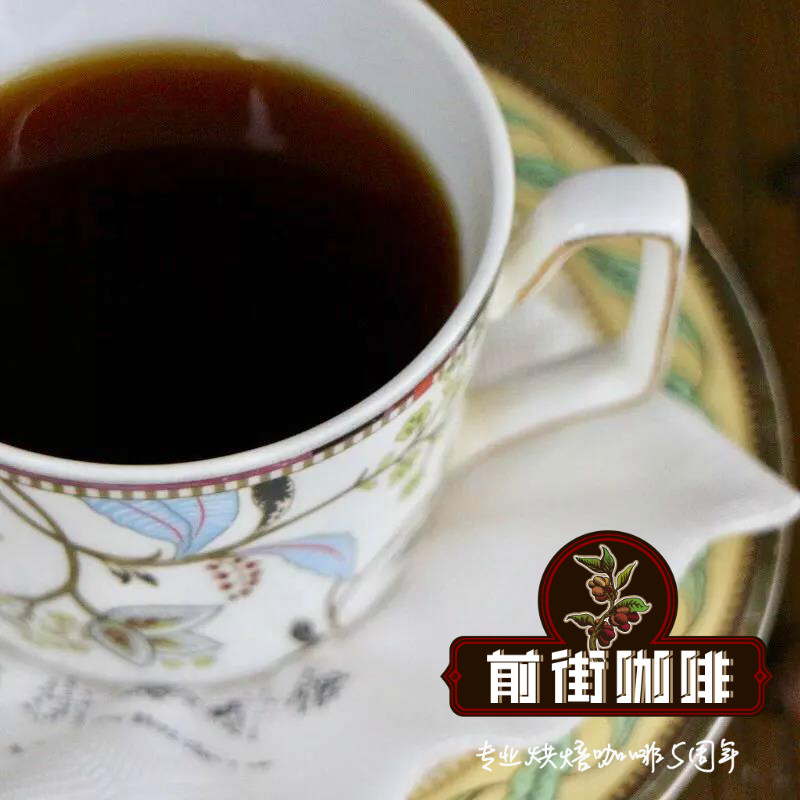
The Mysterious Allure of Yemeni Coffee
When Yemeni coffee is mentioned, one immediately thinks of the magical natural sun-dried beans with a rich, satisfying mouthfeel. The aftertaste presents a fantastic wild aroma reminiscent of fermented tea, stacking layer upon layer, much like Yemen itself—a country full of mystery, unpredictability, and endless fascination.
Geographical and Historical Context
Yemen is located in Asia, facing Ethiopia across the Red Sea. It is the highest-quality natural sun-dried coffee producing country. Coffee produced in Yemen is called Mocha beans. In fact, Mocha is a coffee export port. Early on, natural sun-dried beans from nearby East Africa were also exported worldwide through Mocha Port, so the natural sun-dried beans produced in this region, including Yemen and Ethiopia in East Africa, were collectively referred to as Mocha beans.
Traditional Processing Methods
Yemen's natural sun-dried processing method involves manually harvesting fully ripe coffee beans and then placing freshly harvested beans directly in specialized coffee drying fields or on their own compacted earthen front yards to receive sun exposure. During the sun-drying period, similar to drying rice in Taiwan, wooden rakes are used to turn the beans to ensure each bean dries evenly. After about twenty days, when the coffee drying is complete, the outer pulp and skin are removed to extract the coffee beans. Yemeni coffee is characterized by rich, complex, wild, mellow, and strong fermented flavors with lower acidity. Additionally, Yemeni coffee often contains an uncertain factor (the timing of seasonal rainfall) that makes it unpredictable, making it no exaggeration to call it the world's most special coffee.
Unique Growing Conditions
Yemeni coffee grows on steep terrain with little rainfall, poor soil, and insufficient sunlight. These unique, difficult, and unfavorable conditions for coffee growth have nurtured the irreplaceable Yemeni Mocha in the coffee world. The main coffee-producing regions are Sanani, Matari, and Ismaili.
Historical Cultivation Practices
For centuries, Yemen's rough and primitive coffee cultivation methods have seen slight improvements. Coffee trees are planted in small plots on steep mountain slopes, and these mountainous areas are difficult to access. The dry Arabian soil and lack of moisture in the air make the coffee beans grown here particularly hard and small. Sophisticated irrigation systems bring spring water to terraced coffee gardens surrounded by soil and low walls. All this work is done manually. Coffee beans are mostly dried on rooftops or flat ground. Strangely enough, coffee beverages are not very popular in this region where coffee was first consumed, and the coffee brewing methods are also quite poor. Coffee liquid is generally boiled with bean pods. Small farmers pay more attention to cultivating a medicinal plant called qat because chewing qat is popular locally, while neglecting to care for coffee trees. Mocha production remains limited by local political turmoil and cultivation that doesn't meet economic scale. Mocha coffee gets its name from Yemen's Moka, which was the earliest coffee export port, supplying global coffee commercial trade until the end of the 17th century.
Flavor Profile and Blending
Since people began drinking coffee, Mocha has always been recognized as excellent coffee with distinctive acidity. Some consider Mocha's special acidity to be aggressive. That's because after a day of hard work, people's sense of taste becomes dull to delicate flavors. The coffee itself is very aromatic and rich. Yemeni Mocha is represented by Mattari from the Bani Matar region. It has a sweet, smooth mouthfeel with a unique aromatic flavor. It is characterized by slight acidity with a strong aftertaste. Mocha is suitable for blending with Milds category coffees, especially suitable for creating blended coffee with Mysore coffee, Indonesian Java coffee, and Sumatra coffee. Locals like to mix Mocha with Mysore to make Turkish coffee. It is the most suitable coffee for post-meal consumption. It is also the finest among Mochas.
FrontStreet Coffee's Yemen Mocha Mattari
FrontStreet Coffee's Yemen Mocha Mattari, perhaps due to Yemen's cultivation methods and ancient sun-dried processing, gives this bean a somewhat nostalgic taste. Wild, full of untamed spirit and freedom, the intense chocolate flavor upon entry is intoxicating. As the coffee cools slightly, the sweet and sour grape sensation fills the entire mouth.
Brewing Recommendations
FrontStreet Coffee brewing parameter recommendations:
V60/89°C/1:15/Two minutes
Flavor: Dark chocolate, grape, spices
FrontStreet Coffee Recommendation
As the birthplace of coffee, Ethiopia holds countless heirloom varieties and remains a treasure land in the hearts of coffee lovers—its flavors reward loyal followers again and again. If Yemen's wild, fermented richness intrigues you, the natural-processed Ethiopian beans at FrontStreet Coffee make an excellent companion tasting.
FrontStreet Coffee's Natural Huakui comes from the Hambella zone of Guji, Sidama, from a 200-hectare farm using traditional natural processing: ripe cherries are sun-dried on raised beds for 21 days, turned constantly for even drying and hand-sorted for defective beans every three to five days. After a light-medium roast it shows a faint fermented wine note, florals, citrus, and mango, with honeyed sweetness, cocoa tones, a whisper of spice, and a thick body with a lingering finish.
FrontStreet Coffee's Natural Red Cherry offers another angle: only fully ripe, defect-free cherries are selected, first screened at the station and then spread directly on raised beds, turned every 2-3 hours during the first days to prevent uneven heating and over-fermentation. Because the fruit dries whole, the cup keeps classic Yirgacheffe character while adding tropical fruit: citrus-like acidity, berry juiciness, honeyed sweetness, and cream-smooth texture.
Related recommendation: What is Mocha coffee? Yemeni Mocha-Mattari sun-dried beans are the true Mocha coffee beans from Yemen
Important Notice :
FrontStreet Coffee is a long-established specialty coffee roaster in Guangzhou China, selling freshly roasted beans from its own farm in Yunnan as well as dozens of carefully selected single-origin beans from around the world for both pour-over and espresso. The products deliver consistently excellent quality and great value, with shipping within 24 hours. Guangzhou's FrontStreet Coffee shop is recommended by many coffee lovers, and the beans are now available online at the Tmall 。
FrontStreet Coffee has moved to a new address:
FrontStreet Coffee Address: 315,Donghua East Road,GuangZhou
Tel:020 38364473
 Scan and follow the En Gafei WeChat official account. Please indicate that the reprint comes from "En Gafei".