Taste Characteristics and Flavor Study of Hawaii Kona Coffee
Hawaii KONA
01 | Introduction to the Growing Region
After nearly two centuries of cultivation, Hawaii has made the name "Kona" almost synonymous with quality. History, however, has not been easy: since coffee trees were first introduced to the island in 1825, coffee farming here has faced repeated challenges, and even today, factors beyond human control still shape the harvests of Hawaii's most successful growing region.
The western and southern parts of the Kona district on the island of Hawaii are famous for producing Kona coffee. Situated at elevations between 800 and 1,100 meters, the area provides an ideal environment for coffee trees, and the slopes of Hualālai and Mauna Loa are blanketed with them.
Queen Farm
Kona coffee has always been grown under a family farming model. The harvest season runs from late August each year until January of the following year, with farmers picking the ripe cherries in batches and processing them into beans.
This particular Kona comes from Queen Farm, which took second place in the Gevalia (Hawaii Kona Cupping Competition) Grand Prix in 2009 and 2011. Fully 70% of its harvest qualifies as the top special grade, making it a farm renowned for quality. Even its lower-grade premium beans carry an aroma every bit as impressive as the special grade, earning the praise and admiration of the roasting trade!
The unique natural environment of the Kona region has nurtured Arabica coffee into one of the world's highest-yielding coffee plantations. Quality is assured, and the flavors cultivated in this special climate are remarkably rich. Kona beans are strikingly handsome — full-bodied in shape and bright in color — which has earned them the title of "the most beautiful coffee beans in the world."
Most Kona coffee trees grow on volcanic slopes where they draw abundant nutrients from the soil; combined with careful cultivation, every bean here has a distinctive appearance. Brewed, Kona coffee is silky smooth and richly aromatic, with a charming nutty fragrance and moderate acidity — as evocative as the colorful scenery of the Hawaiian islands.
Besides the Kona district of the Big Island, coffee estates have also emerged on Maui, Kauai, and Molokai. The common Hawaiian varieties include Typica, Mocca, and Catuai.
02 | Processing Method
Washed Method
Kona coffee is processed by the washed method and natural drying. Hawaii's clean, sweet mountain spring water provides ideal conditions for washing, which gives Kona beans their bright, clear appearance and pure, fresh flavor. The washed beans are then laid on large flat trays to dry naturally in the sunlight.
03 | Green Bean Analysis
Uniform in size with few defects, olive-green in color, moisture content between 11-13%, with grassy and pungent spicy aromas; the center cut of the green beans shows a light brown color.
Kona beans are actually divided into five grades, the first three being the most common. In order they are: Extra Fancy, Fancy, No. 1, Primary, and Peaberry (round beans, colloquially known as "male beans." Because some enthusiasts prize them, they are specially selected and sold at higher prices; about 5% of Kona beans are peaberries). Apart from the specially selected peaberries, the other four grades are classified by bean size, weight, and defect ratio.
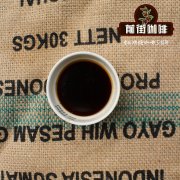
Before export, Kona green beans are labeled with numbers on burlap bags, certifying approval by the Hawaii Department of Agriculture and bearing an official identification seal — all of which adds to the price. Kona coffee is second only to Blue Mountain in cost. From planting, harvesting, washing, and sun-drying to polishing, everything relies on manual labor, so limited production plus American hand processing makes it both high in quality and high in price. Today, 100% Kona and Blue Mountain are synonymous with premium coffee.
04 | Roasting Analysis
Like Blue Mountain, Kona beans are low in density. For low-density beans the drop temperature cannot be too high; when releasing sweetness they turn light yellow, and their high moisture content demands sufficient simmering time. The beans are clean, solid, and substantial in hand. Kona should not be roasted too dark — a medium-light roast (City to Full City-) is recommended.
FrontStreet Coffee suggests keeping detailed records before roasting: bean moisture content, density, origin, processing method, and the roastery's ambient temperature and humidity, then planning your roasting curve. Logging the chemical and physical changes during the roast will help you understand the final result and keep improving your curve.
Roaster: Yangjia 800N, 550g green beans input
Roasting Curve:
Charge the roaster at 200°C with the damper at 3. After 1 minute, reduce heat to 150°C, damper unchanged. Roast to 5'35" at 150°C: the bean surface yellows, the grassy smell disappears completely, and dehydration is done. Reduce heat to 140°C and open the damper to 4.
At 9'30", ugly wrinkles and black spots appear on the bean surface and the toast aroma clearly turns to coffee aroma — the prelude to first crack. Listen carefully now. At 9'30" first crack begins: reduce heat to 70°C and open the damper fully (adjust the heat carefully — not so low that the crack dies out). Cut the heat at 182°C and drop the beans at 193.4°C.
A medium-roasted Kona achieves balanced, smooth honey sweetness and an elegant, substantial but never heavy mouthfeel. The brewed cup releases a mulberry aroma that brings a sweet sense of happiness; the aftertaste is a smooth malt bitterness that slides down the throat and resurfaces on the exhale. Cooled, it is like a cup of mulberry tea.
04 | Brewing Analysis
1. Filter: V60
2. Water temperature: 92°C
3. Grind size: Fuji grinder setting 3.5
4. Roast level: Medium roast
5. Bloom time: 30 seconds
Flavor: Malt, mulberry, persistent caramel sweetness in the aftertaste
FrontStreet Coffee's brewing suggestion: pour slowly, steadily, and continuously — a thin water flow in circles, gently, to ensure even extraction. You can also use a stir stick, usually with one cross-stir during the bloom, to let water and grounds fully meet and release more aromatics.
Related recommendations: Introduction to Hawaii Kona coffee, How to brew Hawaii Kona coffee
FrontStreet Coffee Recommendation
Arabica is the species behind nearly all specialty coffee, and each origin gives it a distinct personality. Typica — the variety that made both Kona and Jamaica Blue Mountain famous — is among the oldest and most balanced of Arabicas: gentle, smooth, with full but never sharp aromatics. The authentic Blue Mountain No. 1 achieves an exquisite balance across acidity, sweetness, bitterness, and fragrance, with cream, caramel, chocolate, nut, honey, and light fruit tones, a soft round entry, and a clean, lasting finish — which is why many in the trade call it "the specialty coffee most people find easiest to love."
If you'd like to explore more celebrated Arabicas, FrontStreet Coffee recommends the natural-processed Huakui from Ethiopia, whose ripe tropical fruit tones of creamy strawberry, mango, jackfruit, and blueberry won first place in that year's TOH green bean competition; the washed Yirgacheffe Worka Cooperative, a top-grade G1 lot with elegant white florals, citrus, orange, and green tea; and the Panama Esmeralda Red Label Geisha from Boquete's volcanic soils, whose layered jasmine, citrus, peach, and complex fruit acidity with an oolong-tea finish tastes less like coffee than a fragrant fruit tea.
For a sweeter, nutty cup that suits pour-over, moka pot, and espresso alike, the Brazil Fazenda Rainha Yellow Bourbon offers cream, peanut, toasted bread, and sugarcane aromas — rich, clean, and sweet — while the Colombia Sidra, roasted medium-light, brings florals, tropical fruit, grape, and passion fruit with a juice-like body.
Important Notice :
FrontStreet Coffee is a long-established specialty coffee roaster in Guangzhou China, selling freshly roasted beans from its own farm in Yunnan as well as dozens of carefully selected single-origin beans from around the world for both pour-over and espresso. The products deliver consistently excellent quality and great value, with shipping within 24 hours. Guangzhou's FrontStreet Coffee shop is recommended by many coffee lovers, and the beans are now available online at the Tmall 。
FrontStreet Coffee has moved to a new address:
FrontStreet Coffee Address: 315,Donghua East Road,GuangZhou
Tel:020 38364473
 Scan and follow the En Gafei WeChat official account. Please indicate that the reprint comes from "En Gafei".