Flavor Profile, Characteristics, and Grades of Brazilian Specialty Coffee Beans: A Tasting Guide to Arabica Santos Black Coffee

Brazil is the world's largest producer of Arabica coffee. When including both "commercial grade" and "specialty grade" coffee, Brazil accounts for 30% of global coffee consumption. Beyond natural conditions such as climate and geographical area, Brazil's "industrialization" of coffee has created today's enormous national income and efficiency.
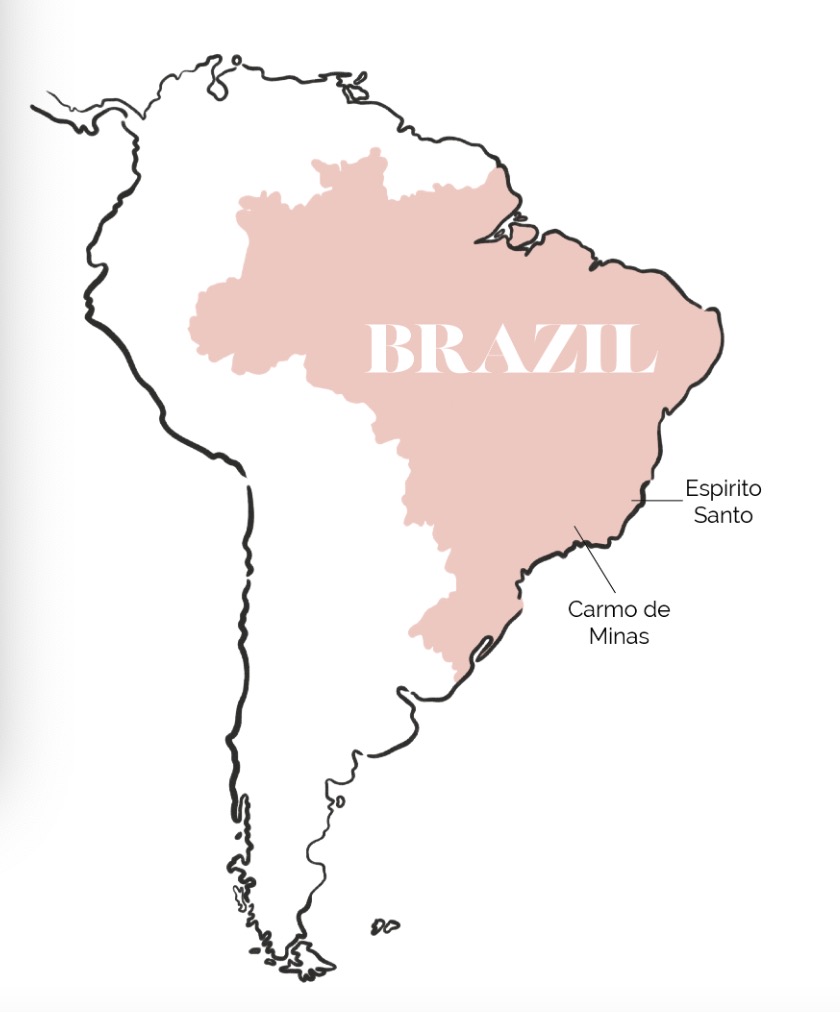
Brazil Specialty Coffee Growing Regions
Brazil has approximately 220,000 coffee plantations, covering a total area of about 27,000 square kilometers nationwide. Specialty coffee cultivation is mainly distributed in the states of Minas Gerais, São Paulo (where Santos coffee originates), Paraná, and Mogiana, as these states' environment and climate provide ideal growing conditions for coffee beans.
Flavor Characteristics of Brazilian Coffee Regions
Compared with other countries in Central and South America, Brazilian coffee growing areas have significantly lower altitudes, flat terrain, a lack of microclimates, and coffee trees grown without shade. FrontStreet Coffee has cupped multiple coffee beans from different Brazilian regions, and they all share unique regional flavor characteristics: low acidity, nutty notes, chocolate sweetness, balanced acidity and bitterness, and excellent body, showing significant differences from African beans with their distinct floral and citrus notes.
Brazil Coffee Bean Grading Methods
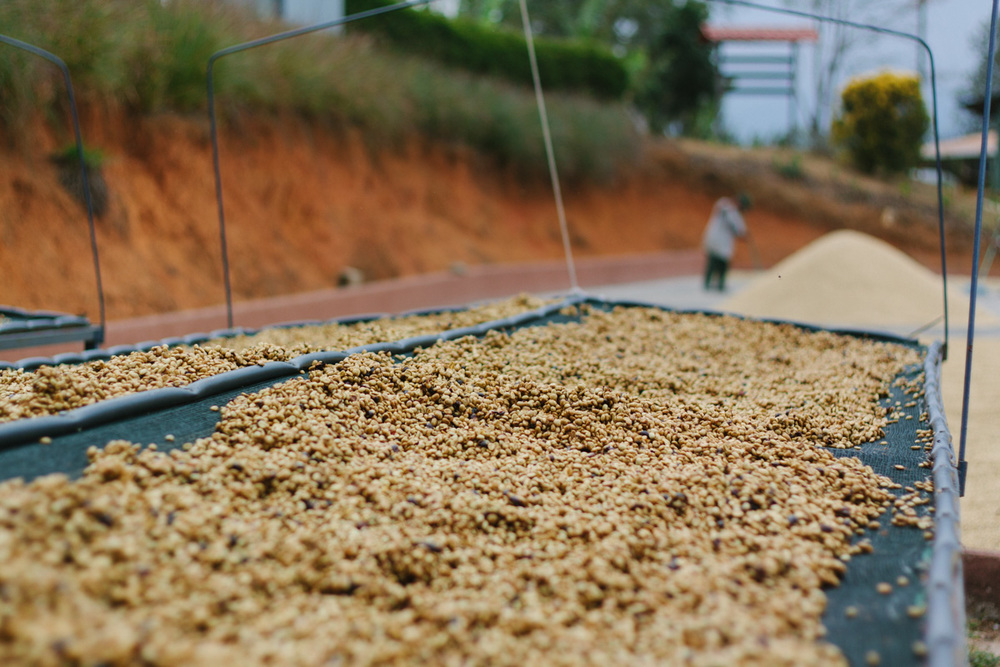
Because of the lower growing altitudes, Brazilian coffee beans have a softer texture. In Brazil, there are therefore several methods for grading coffee beans.
1. Grading by Defect Rate
Brazilian coffee uses a "deduction method" for evaluation, where grades are determined by the number of defective beans per 300 grams of main beans. There are seven levels from No.2 to No.8. If the deduction score is below 4, it can be classified as No.2. Beans with no defects would be No.1, but this situation is rare and cannot maintain a consistent supply, so Brazil sets No.2 as the highest grade, not No.1.
| Type | Defective Beans (per 300g) |
|---|---|
| No.2 | 6 |
| No.2/3 | 9 |
| No.3 | 13 |
| No.3/4 | 21 |
| No.4 | 30 |
| No.4/5 | 45 |
| No.5 | 60 |
| No.5/6 | >60 |
2. Grading by Bean Size
Size: this is screened using a mesh sieve based on 1/64 inch, with sieve sizes typically ranging from 14 to 20. It should be noted that the corresponding size for the mesh number refers to the short side of the coffee bean, i.e., the "width." The largest mesh size for Brazilian coffee beans is 19, but production is limited, so 17/18 mesh is considered the highest grade.
| Type | Quality |
|---|---|
| No.2 | 17-18 mesh FC |
| No.2/3 | 14-16 mesh FC |
| No.3/4 | DD Quality |
| No.4/5 | 14-16 mesh GC |
3. Grading by Cup Quality
Fine Cup | Fine | Good Cup | Fair Cup | Poor Cup | Bad Cup. FC (Fine Cup) and GC (Good Cup) are more common. Many companies or platforms also add information about processing methods (natural/washed/honey) and estates.
4. Grading by Flavor Profile
Strictly Soft → Very smooth | Soft → Smooth | Softish → Slightly smooth | Hardish → Harsh | Rioy → Iodine-like taste.
Recommended Brazilian Specialty Coffee Beans
FrontStreet Coffee ships all products within five days of roasting, ensuring 100% fresh roasted coffee beans. Currently, FrontStreet Coffee offers two Brazilian specialty coffee beans: one is a semi-natural processed Red Bourbon from the Cerrado region, and another is a semi-natural processed Yellow Bourbon from the Mogiana state. Both coffee beans strongly represent the flavor characteristics of Brazilian regions.
The difference between these two coffee beans is that the Cerrado coffee beans strongly represent the nutty, caramel, low-acidity, and full-bodied flavor characteristics of Brazilian regions, offering excellent value. It is one of the representative regional daily coffee beans selected by FrontStreet Coffee.
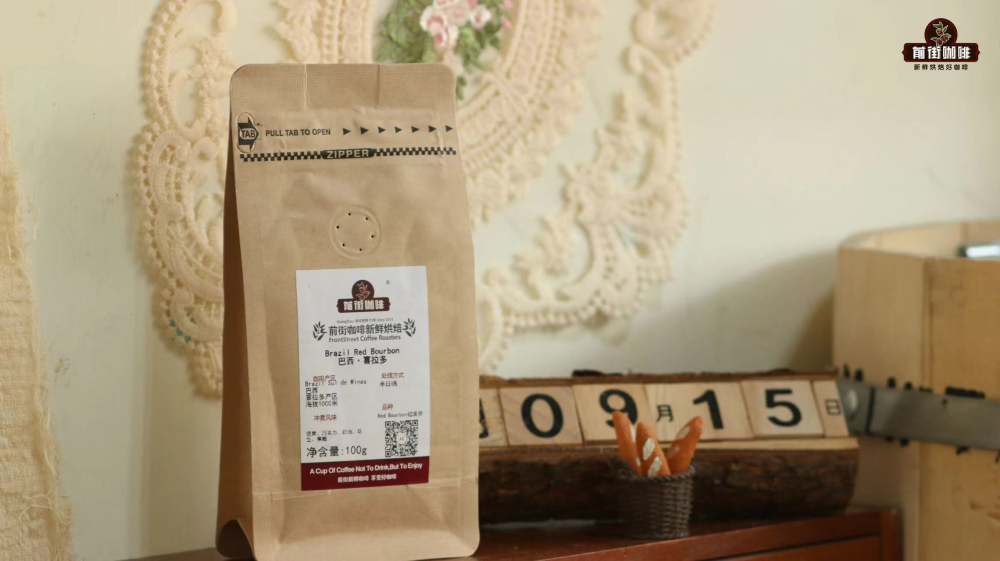
The Brazil Queen's Estate, thanks to better cultivation management and the balanced, smooth acidity of Yellow Bourbon beans, with weak and clean bitterness, offers an overall bright and refreshing profile. After brewing, it displays rich chocolate aroma and nutty flavors, with a bright, refreshing taste and a smooth, delicate texture.
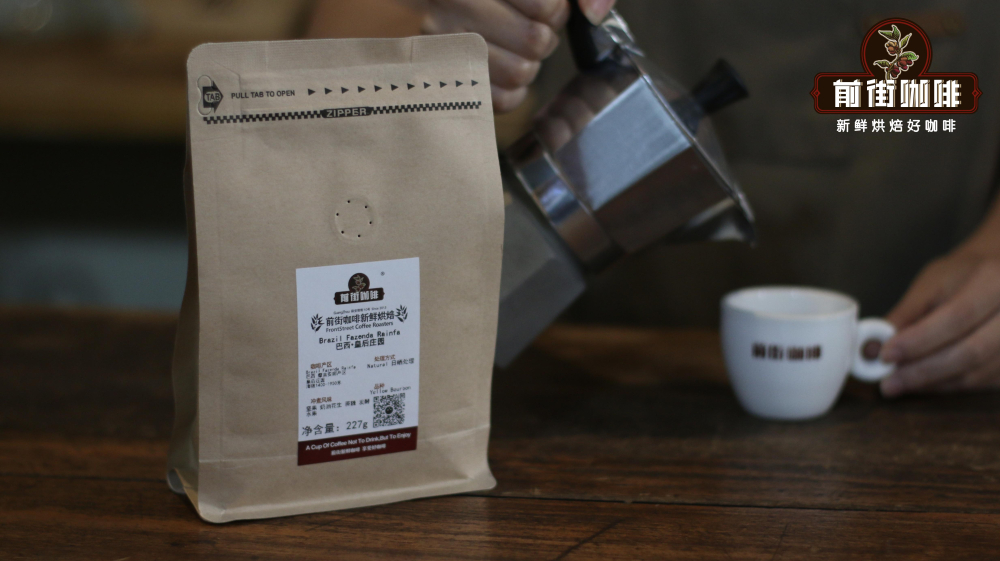
How to Brew Brazilian Coffee Beans for Great Taste?
FrontStreet Coffee recommends using drip brewing (pour-over coffee) or immersion extraction (French press coffee) to highlight the flavor characteristics of Brazilian coffee. To ensure Brazilian coffee beans have a rich coffee texture, FrontStreet Coffee roasts them to a medium-dark roast. Whether using drip extraction or immersion extraction, FrontStreet Coffee therefore recommends slightly lower-temperature hot water and a coarse grind.
Pour-over Coffee Extraction Parameters:
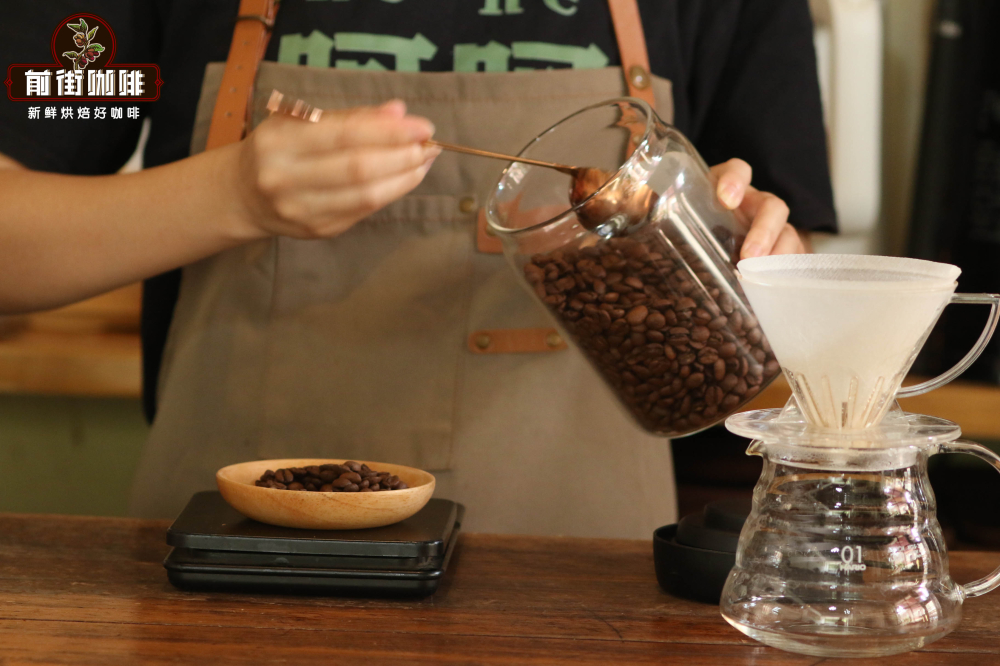
Kono dripper (this dripper's characteristic is that it uses the tight fit between the filter paper and the dripper to create an immersion effect during the pour-over process, resulting in a higher coffee concentration), 88°C water temperature, 1:15 coffee-to-water ratio, 15g coffee weight, grind size: coarse sugar (70% pass-through rate on a #20 standard sieve).
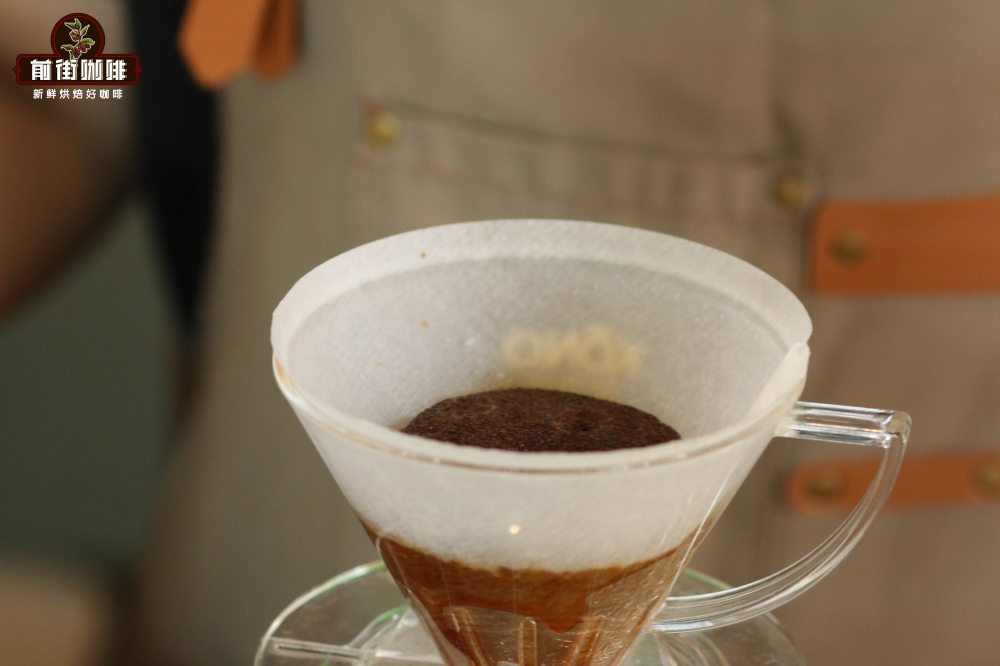
The extraction technique is as follows: First segment - pour 30g of water for blooming, bloom time is 30 seconds. Second segment - pour water to about 125g, then wait for the coffee liquid to drop. When it drops to halfway, pour the final segment of water to 225g. Wait until all the coffee has dripped through before ending extraction. The total extraction time is generally around 2 minutes and 10 seconds.
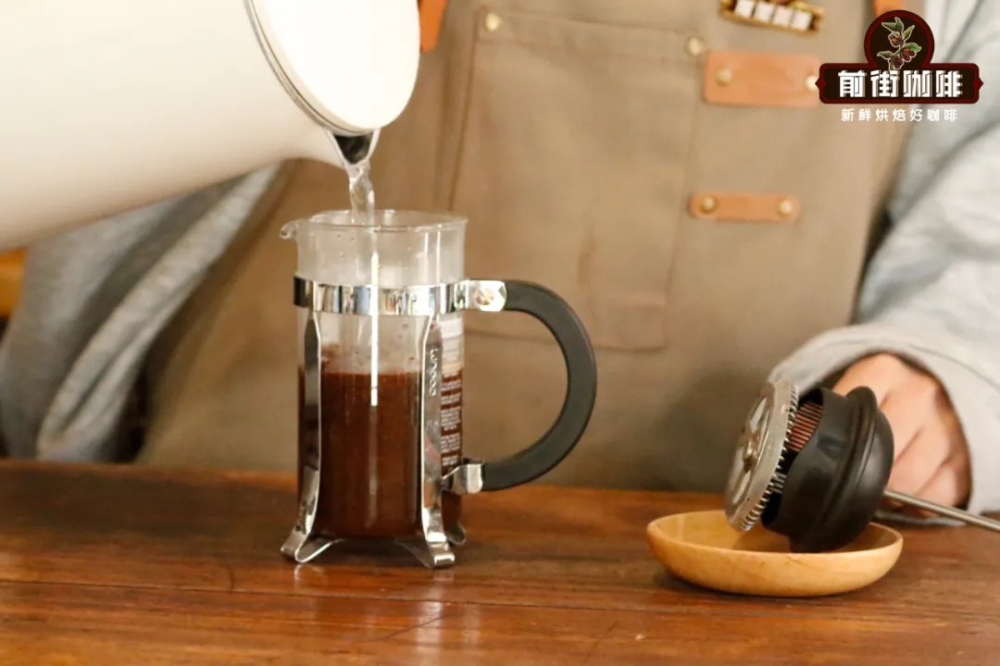
After French press extraction is complete and the plunger is pressed down, pour all the coffee out before tasting, because the coffee grounds in the pot continue to be extracted and, over time, this can easily lead to over-extraction and bitterness.

FrontStreet Coffee - Brazil Queen's Estate Coffee Flavor: Fresh sweetness of sugarcane juice, black tea, smooth fruit sweetness, distinct nutty flavors, balanced and smooth acidity, weak and clean bitterness, containing rich chocolate aroma and nutty flavors, a bright and refreshing taste with a smooth, delicate texture.
FrontStreet Coffee - Brazil Cerrado Coffee Flavor: Obvious sweetness on entry, accompanied by light lemon aroma, containing rich nutty flavors, with distinct dark chocolate notes in the finish, overall feeling rather rounded and smooth.
FrontStreet Coffee Recommendation
As the largest coffee-producing country, Brazil grows a wide range of coffees, and its beans carry a moderate acidity with a fine balance of sweet, bitter, and body, which makes them ideal for medium roasting: the roast brings out an inviting nutty aroma, a mellow taste, and a light acidity, and the beans work as both a single origin and a blend component. If you simply want to sample the flavors of the Brazilian region, FrontStreet Brazil Cerrado Red Bourbon is a very classic Brazilian single-origin bean. Cerrado is a well-known local growing region noted for high-quality coffee, and this bean belongs to the Red Bourbon variety common in South America. Roasted to medium, it shows the rich aromas of cream peanut, toast, caramel, and hazelnut, with a rounded, non-acidic body and a light bitter note, and it works not only for pour-over but also in a moka pot, as espresso SOE, in a siphon, and in a French press.
FrontStreet's other Brazilian single origin, Brazil Queen Estate, comes from Mogiana near South Minas, where fertile red volcanic soil lets the coffee cherries absorb abundant nutrients and develop full aromas. Part of the area keeps traditional farm management while part has adopted modern, standardized operations, greatly improving local coffee quality. FrontStreet Queen Estate is the rare Yellow Bourbon variety, a mutation of Red Bourbon with a cleaner fruit character. Whether made by pour-over, moka pot, or a home espresso machine, FrontStreet Brazil Queen Estate reveals a sugarcane sweetness not found in other regions along with fruit and chocolate notes.
The low-acid, balanced taste and approachable price of Brazilian coffee also make it a first choice in many espresso recipes. FrontStreet's espresso blend range all include Brazilian beans: the rich-crema FrontStreet Classic Blend, the intensely nutty FrontStreet Specialty Blend, the balanced FrontStreet Black Cocoa Blend recommended by many baristas, and the FrontStreet Commercial Blend made specifically for coffee shops. Adding Brazilian coffee provides not only chocolate and cream aromas but also a soft sweet-sour-bitter balance, and that balanced character makes extraction more stable.
Important Notice :
FrontStreet Coffee is a long-established specialty coffee roaster in Guangzhou China, selling freshly roasted beans from its own farm in Yunnan as well as dozens of carefully selected single-origin beans from around the world for both pour-over and espresso. The products deliver consistently excellent quality and great value, with shipping within 24 hours. Guangzhou's FrontStreet Coffee shop is recommended by many coffee lovers, and the beans are now available online at the Tmall 。
FrontStreet Coffee has moved to a new address:
FrontStreet Coffee Address: 315,Donghua East Road,GuangZhou
Tel:020 38364473
 Scan and follow the En Gafei WeChat official account. Please indicate that the reprint comes from "En Gafei".