Kenya Coffee Origin: Thika Region Gethumbwini Estate Coffee Bean Characteristics, Flavor Profile, and Taste
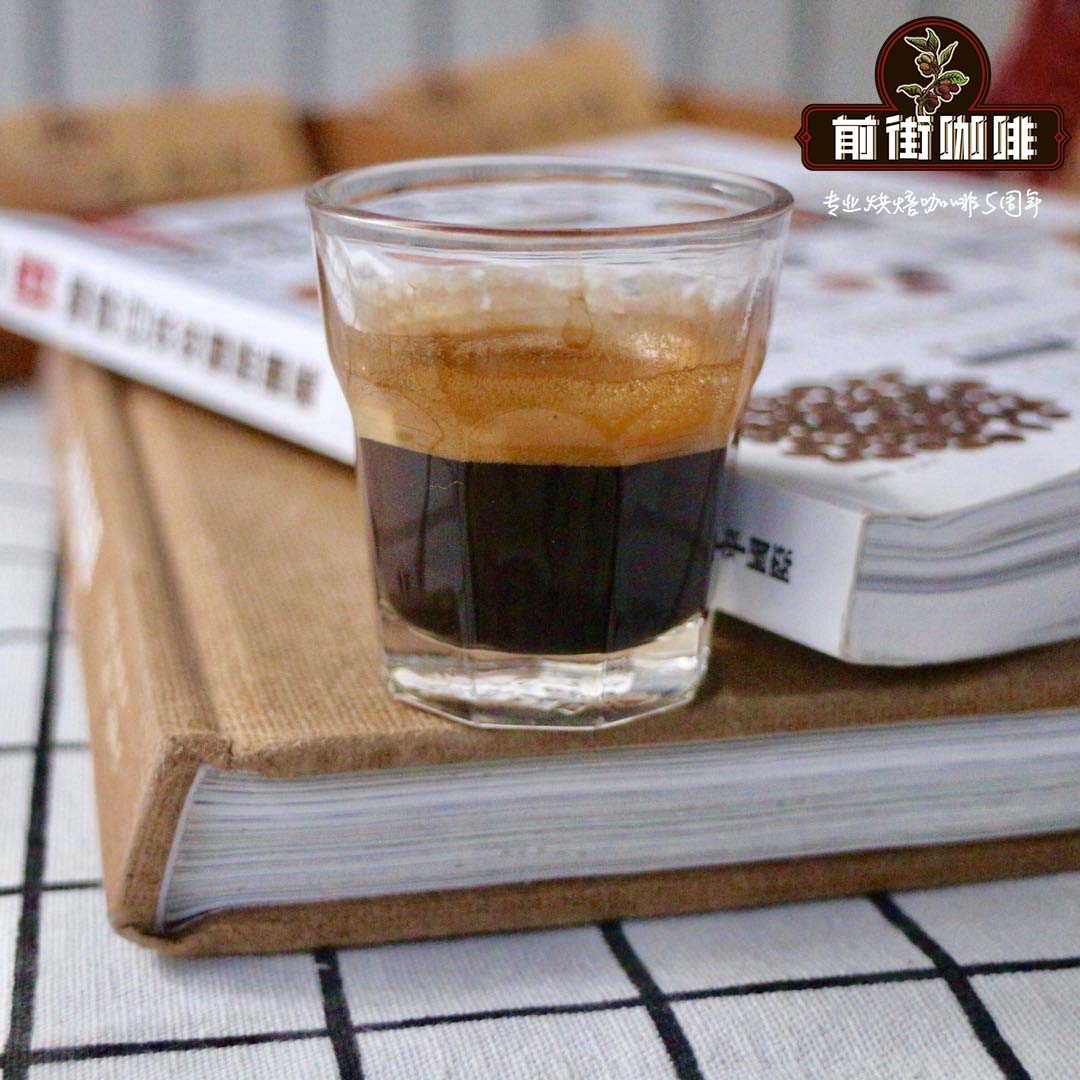
Kenya Thika Region | Gethumbwini Estate SL28, SL34 Washed Bean Flavor
Kenya is a giant in the coffee market and a model country for producing excellent coffee, and the Gethumbwini Estate is one of its outstanding farms. The estate has been owned by the French company SOFINAF since 1957. After 80 years of meticulous management and cultivation, it has long been the Kenyan estate designated by European green bean merchants and coffee roasters. Its reputation spread far and wide after the champion of the 2007 WBC Tokyo Competition (WBC → World Barista Championship) adopted its beans. Gethumbwini Estate sits at 1800 meters on the Aberdare Mountains near Thika, Kenya. It covers about 360 hectares, with an annual temperature range of approximately 15-26°C. Combined with the rich, fertile red volcanic soil of the Thika region, this makes Gethumbwini an ideal environment for growing excellent coffee.
The coffee is harvested from June to July and from October to December. The intermediate processing at Gethumbwini Estate may well represent the next phase of development for Taiwanese coffee farmers. The estate runs its own water treatment facility with roughly 100 employees, a number that rises to around 200 during the harvest season. Coffee cherries are hand-picked when fully ripe and red, then taken to the processing plant where the pulp is removed, the beans are washed, and fermentation follows. After defective beans that float on water are removed, the beans are sun-dried on elevated racks that never touch the ground, then polished and hulled. From harvesting to the completion of polishing and bagging, Gethumbwini Estate follows a series of strict and precise processes.
Gethumbwini Estate is a farm with extremely rigorous standards and requirements. Even the sealing on its bean bags uses jute rope rather than the usual white cotton string.
Gethumbwini Estate coffee beans are about 20% larger than typical Kenyan beans, with a vibrant green color in their unroasted state. The proportion of defective beans removed by hand is approximately 9%. When lightly roasted to City level, the beans lose 18% of their weight, with hollow and defective beans accounting for 8%. During the early stages of roasting, the hardness and high moisture content of the beans produce a distinct sound against the roaster drum wall. As roasting progresses, after dehydration and into the development phase, the release of grape-like acidity aroma is remarkable.
Variety: SL28, SL34
Altitude: 1800m
Processing: Washed and rack-dried
Light Roast City (Fragrant):
The dry fragrance of peanut powder and cinnamon after grinding is strong and "hits you in the face," with elasticity and vibrancy. The wet aroma after brewing reveals, with a deep breath, the sweet fragrance of apple soda. During cupping, the acidity quickly flows from the sides to the back, instantly transforming into sweetness that keeps the saliva flowing for a considerable time. The apple flavor lingers. As the coffee cools, the aftertaste of red wine (that grape-like acidity) is very appealing. It is best to drink light roast coffee after 8-10 days of proper storage, when the acidity subsides to reveal a candied-fruit sweetness with depth and complexity. With careful tasting, you will definitely be able to identify Gethumbwini Estate beans.
Dark Roast (General C):
Once the first crack begins during roasting, the heat is reduced by 20% to let the coffee finish first crack. With its acidity and astringency removed, Gethumbwini Estate coffee truly becomes an excellent cup, with hazelnut aroma, honey sweetness, and a rich mouthfeel. The aftertaste carries a raspberry sweetness that makes you reluctant to dilute it with plain water. This is why it became the formula bean adopted by the champion of the 2007 WBC Tokyo Competition — very sweet and mellow. Brewed with a pour-over kettle, the coffee liquid is very deep in color, and extracted on an espresso machine, the crema is abundant and thick.
FrontStreet Coffee Recommends Brewing:
Dripper: Hario V60
Water Temperature: 90°C
Grind Size: Fuji Royal grinder setting 3.5
Brewing Method: Water-to-coffee ratio 1:15, 15g coffee grounds. First pour 25g water, bloom for 25s. Second pour to 120g, stop pouring. Wait until the water level in the coffee bed drops to halfway, then continue pouring slowly until reaching 225g. Extraction time approximately 2:00
Analysis:
This three-stage brewing method clearly distinguishes the front, middle, and back-end flavors of the coffee. Because the V60 has many ribs and drains quickly, stopping the pour helps extend the extraction time.
Related Recommendations:
Introduction to World Coffee Estates: Detailed introduction to Kenya as a coffee-producing country
FrontStreet Coffee Recommendation
If the crisp, bright acidity of Kenyan coffee is what you are after, FrontStreet Coffee can offer a different expression of the same washed tradition. The FrontStreet Gotiti Cooperative coffee from Yirgacheffe is a fine place to start: grown in the Worka area at the southeastern end of Yirgacheffe and processed in the traditional washed style, it has no trace of the usual bitterness, showing fresh, bright citrus and lemon acidity with jasmine fragrance. Given a medium-light roast, it opens into green tea and honey, and it is flexible enough for pour-over, cold brew, or espresso.
Kenya is especially famous for its meticulous double-washed processing, and the FrontStreet Kenya Little Tomato shows how far that care can go. The process repeats the washing step — water flotation, rinsing the mucilage off the parchment, soaking the beans again, then drying and hulling — and the repeated rinsing and soaking draw out an extreme juiciness. In the cup you get cherry tomato, smoked plum, snow pear, black plum, and yellow sugar, with a sweet-and-sour, mouth-watering texture that has made it a favorite of many coffee enthusiasts.
And if you enjoy the rounder, creamier side of washed coffee, the FrontStreet Jamaica Blue Mountain No. 1 is a classic. Washed processing keeps the beans translucent and low in defects, and the cup delivers concentrated aroma with hazelnut, cream, chocolate, and caramel — thoroughly balanced, with no single note standing out or falling short.
Important Notice :
FrontStreet Coffee is a long-established specialty coffee roaster in Guangzhou China, selling freshly roasted beans from its own farm in Yunnan as well as dozens of carefully selected single-origin beans from around the world for both pour-over and espresso. The products deliver consistently excellent quality and great value, with shipping within 24 hours. Guangzhou's FrontStreet Coffee shop is recommended by many coffee lovers, and the beans are now available online at the Tmall 。
FrontStreet Coffee has moved to a new address:
FrontStreet Coffee Address: 315,Donghua East Road,GuangZhou
Tel:020 38364473
 Scan and follow the En Gafei WeChat official account. Please indicate that the reprint comes from "En Gafei".