Characteristics and Flavor Comparison of Ethiopian Coffee Beans - How to Best Enjoy Ethiopian Coffee
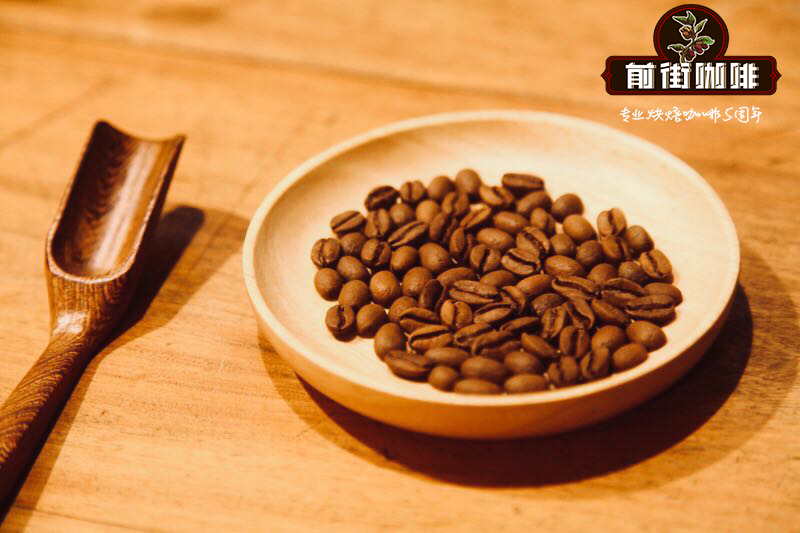
Is there a difference in flavor between large and small Ethiopian coffee beans?
To answer this question, I selected two lots and compared them directly. Using washed Yirgacheffe G1 as the example, I chose beans with clearly different sizes, brewed them with identical parameters and technique, and ran a blind tasting with several people to see whether large and small beans actually taste different.
Brewing Parameters:
Grind size: BG4E
Water temperature: 90°C
Coffee-to-water ratio: 1:15
Brewing method: first pour 30g of water and let it bloom for 30s, then pour to 104g, then continue to 225g, with an extraction time of around 2 minutes.
Blind Tasting Process...
I know everyone is eager for the results, so I will skip the process and give the conclusion outright: yes, there is a difference.
Through consistent analysis, our blind tasting clearly showed that the small-bean washed Yirgacheffe G1 leaned toward sweetness, while the large-bean washed Yirgacheffe G1 was noticeably more acidic. Both showed thinner layers and less richness than normal (mixed beans), and the acidity in the large beans likely comes from a lighter roast relative to the small beans. As for any more obvious differences, there were none.
Final Summary:
Whether the coffee comes from Ethiopia, Brazil, or Indonesia, producing regions that grade by defect rate show significant unevenness in bean size. This is especially true after roasting, since different varieties expand at different rates, widening the gaps between beans further. Yet it is exactly this unevenness that produces slight differences in roast level, which in turn makes the coffee's layers and richness more apparent. So do not get hung up on surface differences; where there is loss, there is gain. The mixture of varieties and the uneven bean sizes are precisely what form the rich flavors and diverse aromas of Ethiopian coffee.
Recommended Ethiopian Coffee Bean Brands
FrontStreet Coffee's freshly roasted single-origin Ethiopian beans, such as Yirgacheffe and Sidamo, offer full guarantees in both brand and quality and suit brewing with a wide range of equipment. More importantly, they offer excellent value. A half-pound (227g) bag costs only around 70-90 yuan. Calculating on the basis of a 200ml cup of single-origin coffee at a 1:15 coffee-to-water ratio, one bag makes 15 cups of specialty coffee, working out to only about 5-6 yuan per cup. Compared with cafés that charge dozens of yuan a cup, that is exceptional value.
Related recommendations: flavor characteristics of Ethiopian coffee producing regions and Ethiopian Yirgacheffe specialty coffee.
FrontStreet Coffee Recommendation
Among FrontStreet's Ethiopian single origins, the Washed Yirgacheffe is the classic place to begin: white jasmine, bright citrus and lemon acidity, and a clean tea-like body, at a price that makes it an easy everyday bean. If you want a little more depth from the same region, FrontStreet's Gudingding Cooperative comes from the Worka area at Yirgacheffe's southeastern edge and follows a traditional washed process, giving a clean, luminous cup of citrus and lemon acidity with jasmine fragrance and no bitter edge.
For something sweeter and more tropical, FrontStreet's Natural Red Cherry is dried in the whole fruit and makes the case for sun-dried Ethiopian coffee: citrus-like acidity, berry juice, honeyed sweetness, and a creamy mouthfeel. Whichever you pick, the blend of heirloom varieties and uneven bean sizes described above is what fills the cup with layers, so brew gently and let those differences show. FrontStreet suggests a V60 with 90-91°C water, 15g of coffee at a 1:15 ratio, and a grind around fine-sugar texture, blooming with 30g of water for 30 seconds and finishing the pour in about 2 minutes.
Important Notice :
FrontStreet Coffee is a long-established specialty coffee roaster in Guangzhou China, selling freshly roasted beans from its own farm in Yunnan as well as dozens of carefully selected single-origin beans from around the world for both pour-over and espresso. The products deliver consistently excellent quality and great value, with shipping within 24 hours. Guangzhou's FrontStreet Coffee shop is recommended by many coffee lovers, and the beans are now available online at the Tmall 。
FrontStreet Coffee has moved to a new address:
FrontStreet Coffee Address: 315,Donghua East Road,GuangZhou
Tel:020 38364473
 Scan and follow the En Gafei WeChat official account. Please indicate that the reprint comes from "En Gafei".