Flavor Comparison Between Blue Mountain and Mandheling Coffee Beans: Characteristics of Blue Mountain Coffee
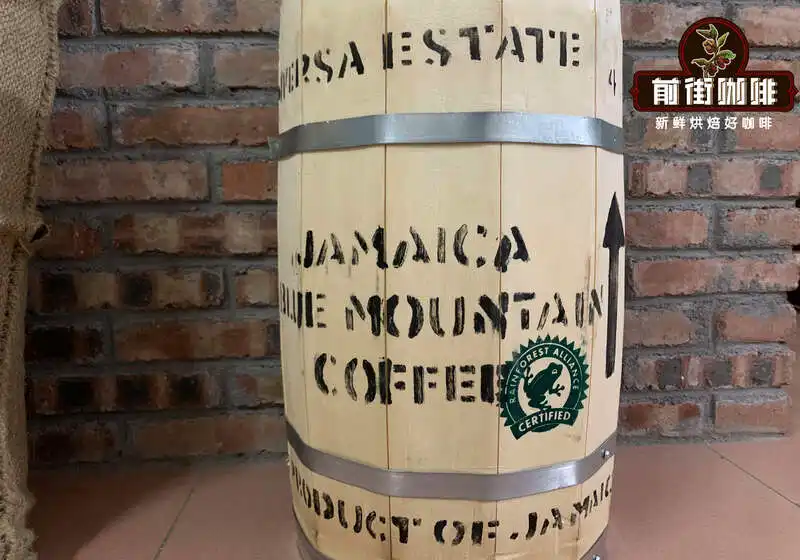
Search for full-bodied coffee and the results keep coming back to Mandheling and Blue Mountain. Even if you have never tasted either, you have certainly heard of them. Drinkers often ask FrontStreet Coffee how the two differ, so today FrontStreet Coffee walks through both beans.
Geographical Differences
Jamaican Blue Mountain Coffee
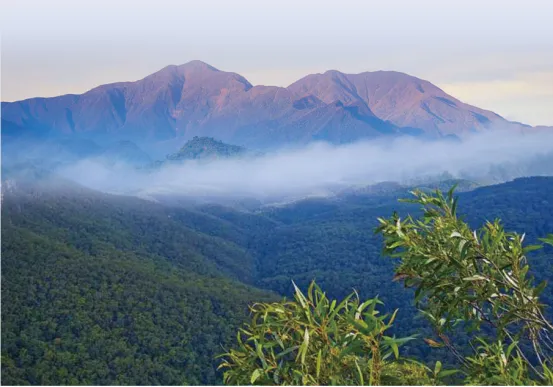
On the map, Jamaica is an island nation in the Caribbean, in the tropical zone. Cuba lies to the north, and Central America is nearby. Coffee-growing areas are mainly distributed around the Blue Mountain range in eastern Jamaica. When the weather is clear, direct sunlight hits the blue sea surface and the mountain reflects blue light, hence the name "Blue Mountain."
The Blue Mountain range holds the highest mountains in the region, with the highest peak at approximately 2256 meters. Only areas below 1700m can cultivate coffee trees; above that is protected forest. The location sits in the coffee belt, with fertile volcanic soil, fresh air, no pollution, year-round rainfall, high humidity, and a large day-night temperature difference. The soil is also rich in nitrogen and phosphorus, which suits coffee well. Regular rainfall and the island's misty cloud cover keep the plants away from intense sun. All of these factors combine to make Blue Mountain coffee.
Indonesian Golden Mandheling Coffee
Indonesia is a country centered on the equator and made up of many large and small islands. Its coffee production ranks third globally, with Robusta dominating. Arabica is also grown in Java, Sulawesi, and Sumatra. Mandheling, from Sumatra, can be considered the representative of Indonesian coffee, with GRADE 1 the supreme grade and the fewest defective beans.
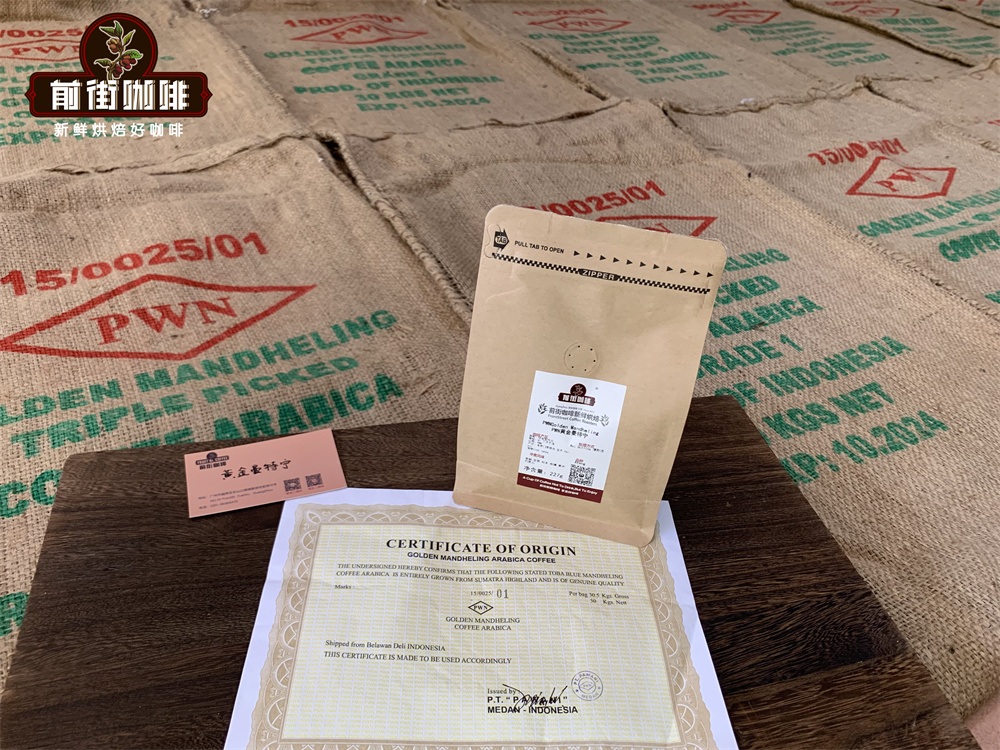
To talk about Golden Mandheling you have to start with PWN. The abbreviation is often mixed in with the name of the coffee, but it stands for Pwani Coffee Company.
PWN is a very well-known coffee purchasing company in Indonesia, buying mainly Mandheling. It has acquired most of the best growing areas in the country, so most of its beans are unique specialty products. Golden Mandheling is one of them. After buying the green beans, PWN runs multiple rounds of hand selection to pick out full, flawless beans. Only those fine beans, screened round after round like a talent show, qualify as Golden Mandheling.
Processing Differences
Washed Method
Traditionally, Jamaican Blue Mountain uses only the washed method for green bean processing. After harvest, the cherries first undergo floating-water screening to remove the skin and pulp, then ferment for 12-18 hours. The fermented beans are placed in pools and moved back and forth, using friction between the beans and the power of flowing water to wash them until smooth and clean. The washed green beans are then air-dried until moisture reaches 12-14%. The dried beans are screened once more before being packed and stored in warehouses.

As the specialty coffee market developed, starting in 2020 the Blue Mountain region also introduced small-batch natural-processed Blue Mountain No. 1 coffee.
Wet-Hulled Method
Indonesia's rainy season makes it impossible to dry green beans with the long sun-drying used in African regions, so growers developed their own method: wet-hulling.
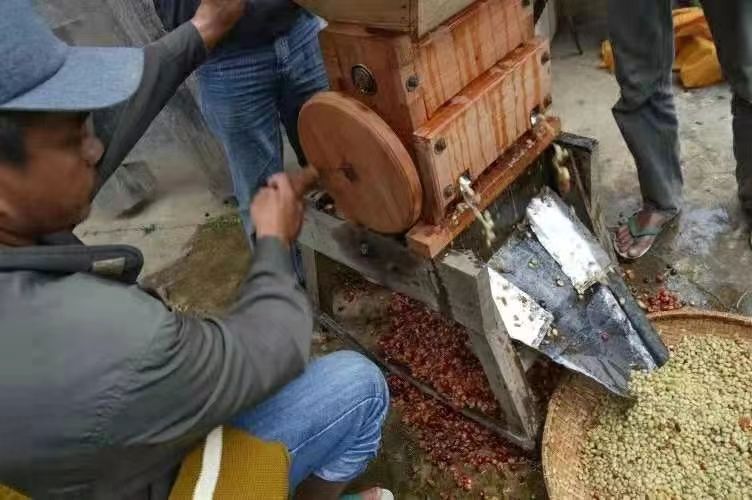
The coffee cherries are machine-processed to remove the outer skin, washed with clean water to remove impurities, and placed in a sealed area to ferment for 3 hours. They are then sun-dried for one to two days. At this point the green beans have a moisture content of 30-50% and sit in a semi-soft, semi-hard state. Next, the mucilage layer and parchment are hulled off and sun-drying continues. It generally takes 2-4 days to reach a moisture content of only 12-13%. Wet-hulling takes far less drying time than either the natural or washed methods. Because wet-hulling removes the parchment layer, the green beans look greenish. During processing the beans are relatively soft and easily deformed by pressure, which is why we see the cloven-hoof shape.
Similarly, in recent years some individual farms in Indonesia have started producing natural-processed Mandheling coffee.
Green Bean Comparison
Jamaican Blue Mountain
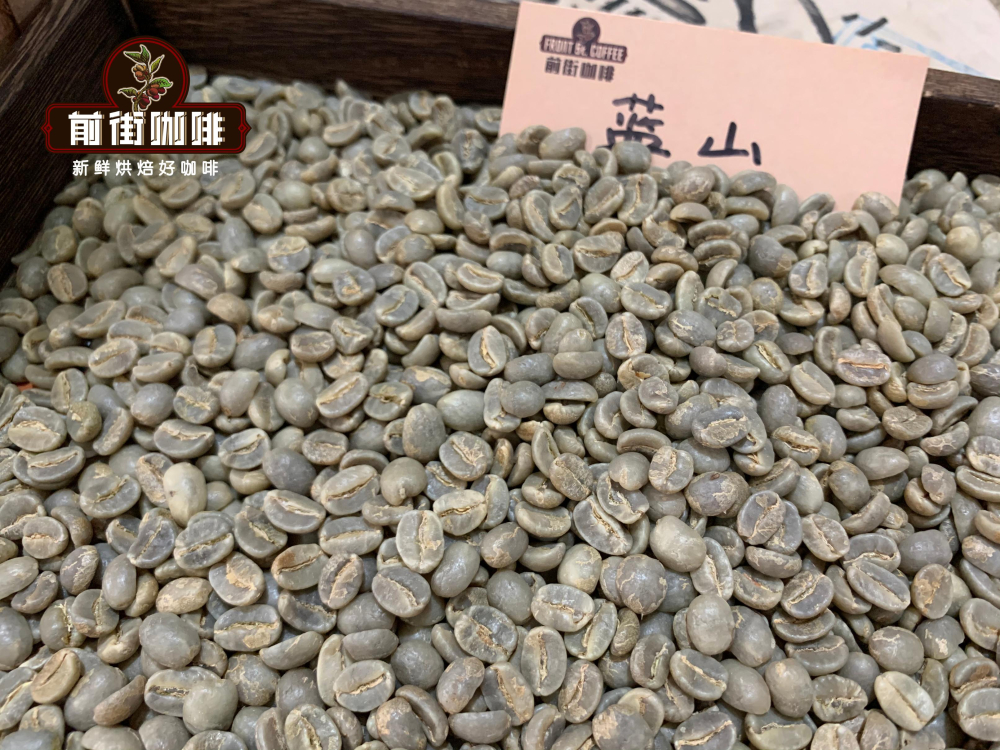
Blue Mountain coffee belongs to the ancient Typica variety, with bronze-colored young leaves and oval-shaped beans. It has an elegant flavor and poor disease resistance, which lowers yields.
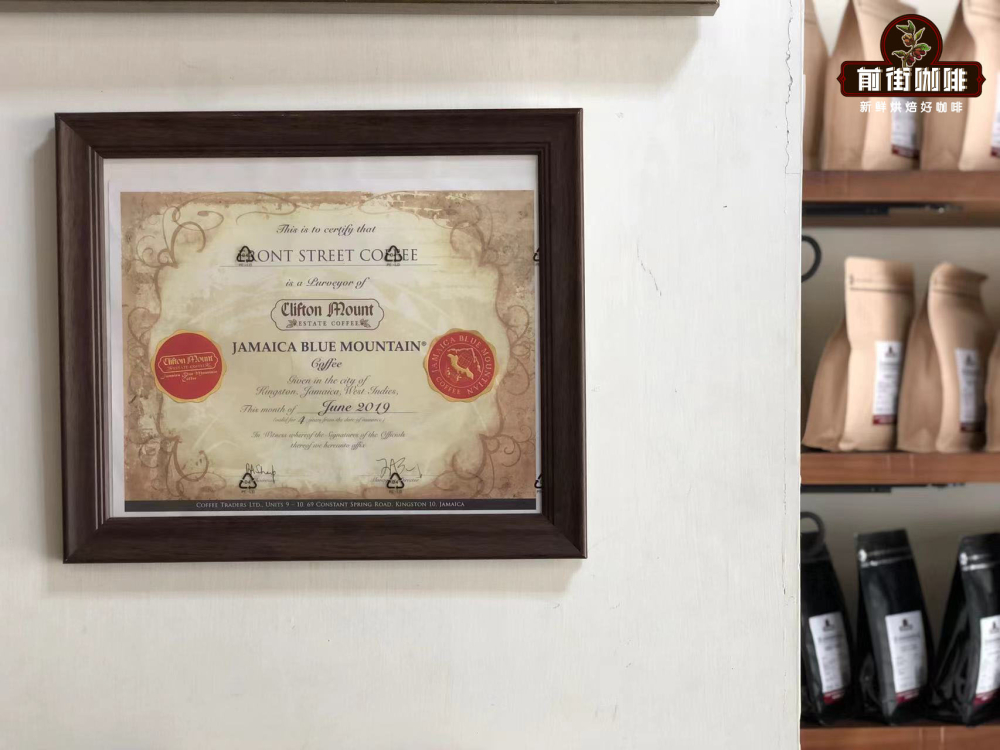
Jamaica classifies coffee grown in the Blue Mountain range by altitude into Jamaica Blue Mountain Coffee, Jamaica High Mountain Coffee, and Jamaica Coffee. Only Arabica Typica from regions between 910-1700 meters altitude, including St. Andrew, St. Mary, St. Thomas, and Portland, can be called Jamaica Blue Mountain Coffee. Coffee below 910 meters but above 460 meters is called Jamaica High Mountain Coffee, while that below 460 meters is Jamaica Prime Coffee.
Jamaica Blue Mountain is divided into four grades. The basic standard for the highest quality, Blue Mountain No. 1, is beans above 17 mesh, a defect rate below 2%, moisture content around 13%, and uniformly sized, full, blue-green green beans. In the cup it combines comfortable acidity, sweetness, bitterness, aroma, and a full body.
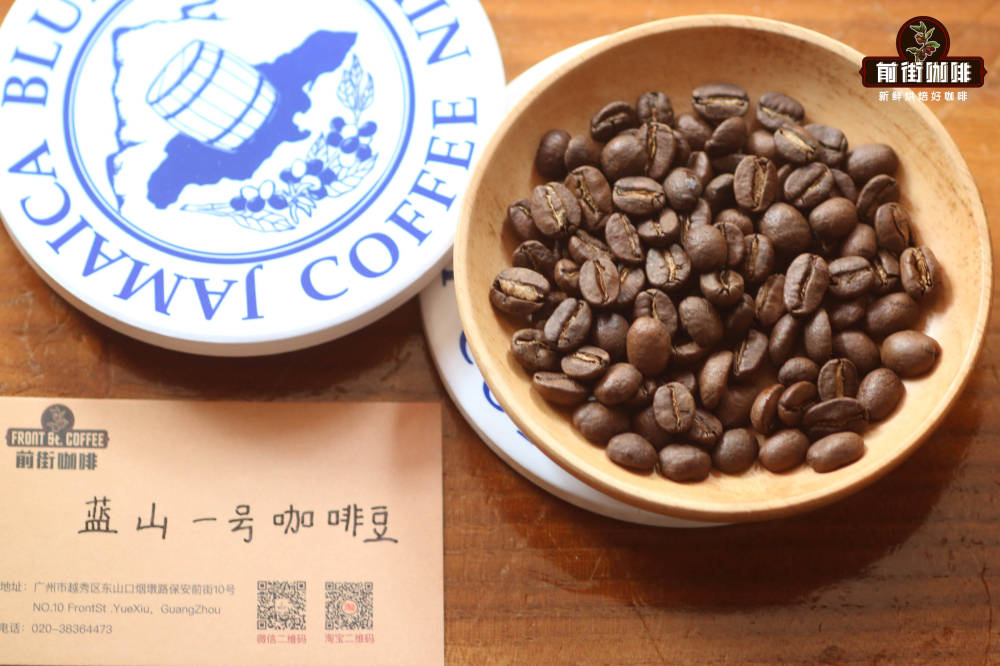
FrontStreet Coffee: Jamaica Blue Mountain No. 1 Coffee Beans
Region: Jamaica Blue Mountain
Altitude: 1310m
Processing: Washed
Variety: Typica
Flavor: Chocolate, Nuts, Cream, Cocoa
Golden Mandheling
The Golden Mandheling varieties are Ateng and TimTim. TimTim is a hybrid of the ancient Arabica variety Typica and Robusta, while the Ateng series is a hybrid of Caturra and TimTim, still carrying Robusta genes -- what we usually call Catimor. Both Ateng and TimTim resist coffee leaf rust and coffee berry disease, and both yield well.
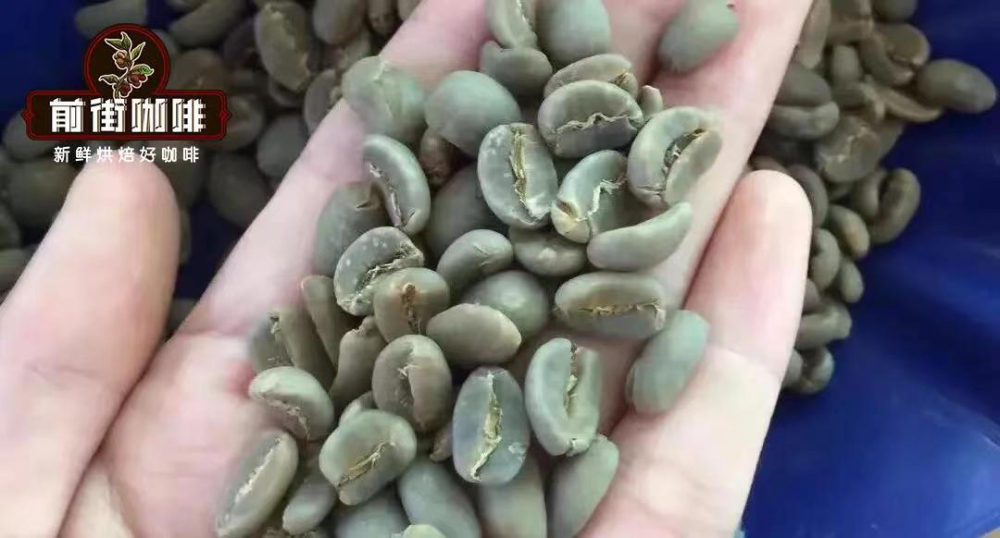
The Golden Mandheling FrontStreet Coffee buys comes from Lake Tawa near Mount Gayo in northwestern Sumatra, and belongs to the superior batch of Mandheling. First, the Mandheling green beans PWN purchases are batches above 18 mesh with fewer than 3 defective beans in a 300g sample -- G1 grade, the highest grade of Indonesian green beans. They then go through strict hand selection of defective beans three times to standard, ensuring uniform color, shape, and size. As a result, PWN Golden Mandheling tastes cleaner and brighter, with a more obvious full body and sweetness.
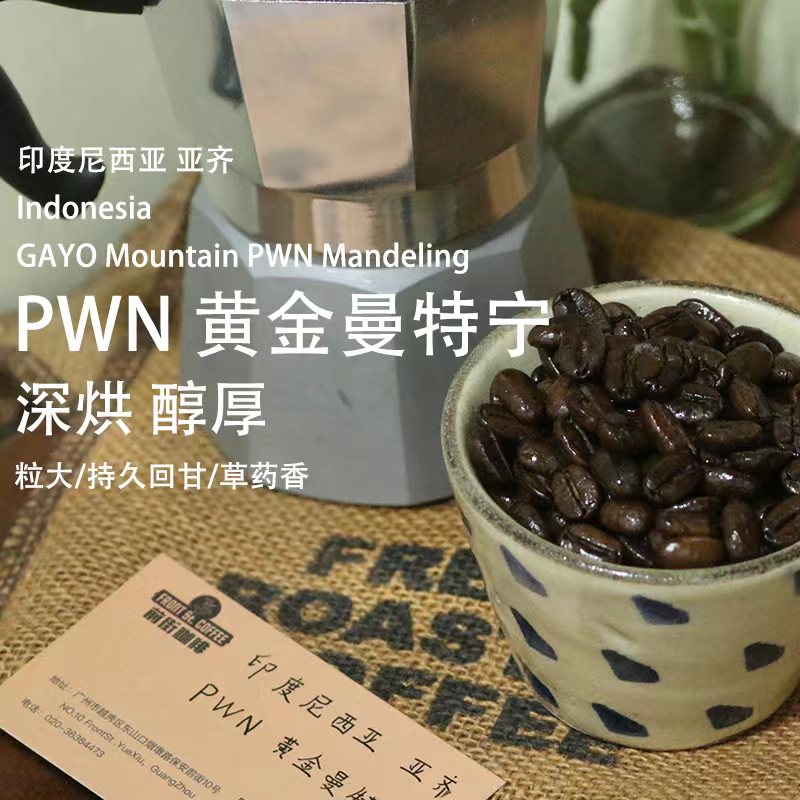
FrontStreet Coffee: PWN Golden Mandheling Coffee Beans
Region: Sumatra, Indonesia
Grade: G1, Triple Hand-Sorted
Altitude: 1100m-1600m
Variety: Ateng
Processing: Wet-Hulled
Flavor: Nuts, Spices, Herbs, Caramel
Cupping Comparison
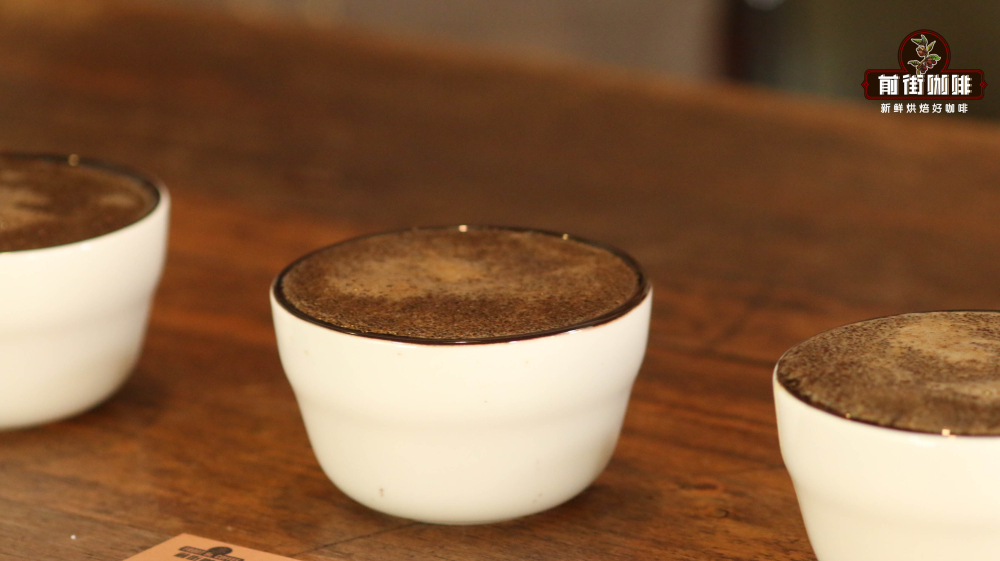
Jamaica Blue Mountain No. 1 Coffee
The dry aroma of Blue Mountain No. 1 is roasted peanut, hazelnut, melon, and chocolate; after adding water the wet aroma is oolong tea, caramel, honey, chocolate, and almond skin. On slurping, you taste a bright, delicate acidity with floral notes. After entry there is a slight aftertaste of cocoa and chocolate. The mouthfeel is clean and richly full-bodied, with a persistent fruit finish -- overall smooth and full.
PWN Golden Mandheling Coffee Beans
The dry aroma of Golden Mandheling is toasted bread, nuts, and spices. After adding water you smell rich caramel and dark chocolate. On slurping there are pine, herbal, and caramel flavors -- rich and full-bodied, with high sweetness, a clean taste, and a balanced, persistent finish.
Brewing Comparison
For these two coffees with very high body, FrontStreet uses the same brewing parameters for comparison.
Dripper: KONO
Water Temperature: 88C
Grind Size: 70% pass-through rate with a standard #20 sieve
Ratio: 1:15
Dose: 15g
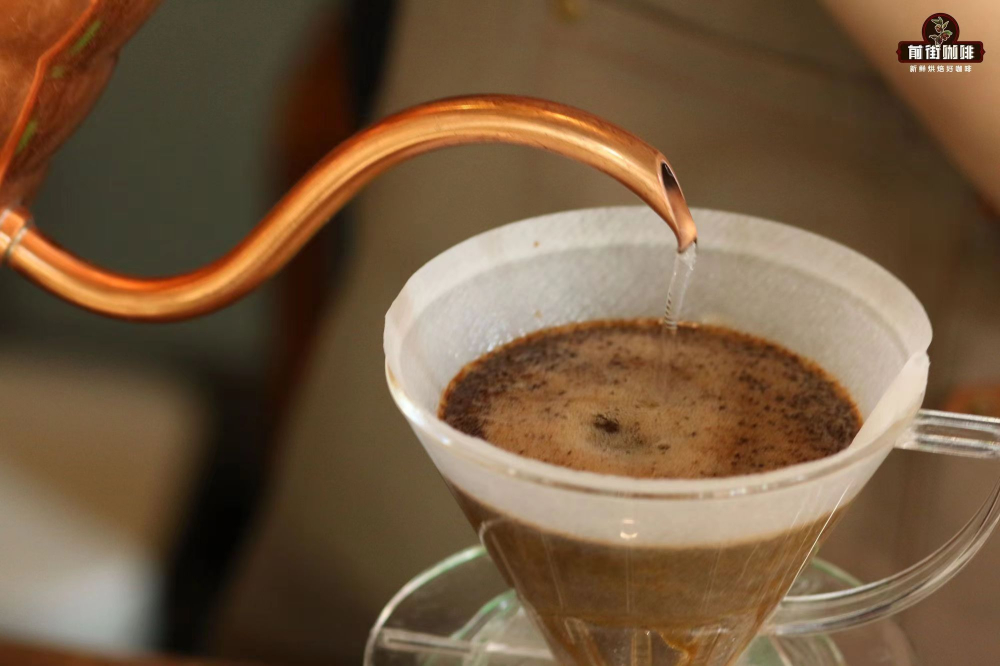
First wet the KONO dripper so the filter paper sits better against it. Pour out the water from the server while adding 15g of coffee. Bloom with 30g of water for 30s, then begin a center spiral with a small stream until you reach 125g, and start the next segment. When the coffee bed drops to halfway down the dripper, begin the second segment with the same technique until you reach 225g. Wait for all dripping to finish before removing the dripper.
Blue Mountain No. 1 releases a very rich aroma immediately after grinding. During brewing it carries a caramel sweetness. The entry is full-bodied with nuts and chocolate, moderate acidity and sweetness, a clean mouthfeel, and a persistent aftertaste. PWN Golden Mandheling, meanwhile, leads with prominent nut, chocolate, spice, and herbal flavors, and a persistent caramel-sweet aftertaste.
FrontStreet Coffee Recommendation
Both of these coffees are about body and comfort rather than bright acidity, so the choice comes down to which profile you prefer. FrontStreet Coffee's Jamaica Blue Mountain No. 1 is the classic balanced option -- grown at 1310m, washed, Typica variety, roasted medium-dark for chocolate, nuts, cream, and cocoa, with acidity, sweetness, and bitterness all in proportion.
For the other direction, FrontStreet Coffee's PWN Golden Mandheling is the fullest expression of the wet-hulled character. G1 grade, 18 mesh or larger, triple hand-sorted, grown at 1100m-1600m from the Ateng variety, and processed wet-hulled to bring out the earthy, herbal depth. In the cup you get nuts, spices, herbs, and caramel.
To brew either one, FrontStreet Coffee suggests a KONO dripper at 88C, 15g of coffee, a 1:15 ratio, and a grind with a 70% pass-through rate on the standard #20 sieve. Bloom with 30g for 30 seconds, then pour a small center spiral to 125g, wait for the bed to drop halfway, and finish at 225g. Under the same parameters you can taste the difference cleanly: Blue Mountain for balance and creaminess, Golden Mandheling for spice, herb, and caramel weight.
Important Notice :
FrontStreet Coffee is a long-established specialty coffee roaster in Guangzhou China, selling freshly roasted beans from its own farm in Yunnan as well as dozens of carefully selected single-origin beans from around the world for both pour-over and espresso. The products deliver consistently excellent quality and great value, with shipping within 24 hours. Guangzhou's FrontStreet Coffee shop is recommended by many coffee lovers, and the beans are now available online at the Tmall 。
FrontStreet Coffee has moved to a new address:
FrontStreet Coffee Address: 315,Donghua East Road,GuangZhou
Tel:020 38364473
 Scan and follow the En Gafei WeChat official account. Please indicate that the reprint comes from "En Gafei".