Pros and Cons of Different Coffee Processing Methods: Natural, Washed, Honey, Wet-Hulled, and Wine-Processed Coffee Flavors
Coffee processing methods have multiplied endlessly, from the earliest traditional natural drying to later washed, semi-washed, and honey processing, and more recent innovations such as yeast processing and anaerobic processing. Do these various methods enhance coffee flavor or detract from it? Today, FrontStreet Coffee's baristas will discuss this with everyone.
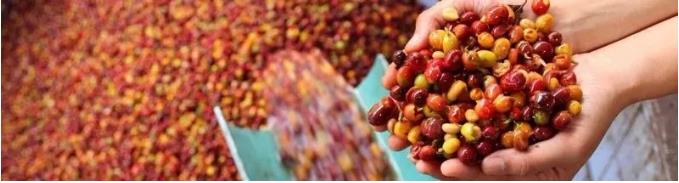
Natural Processing - From Chaos to Order
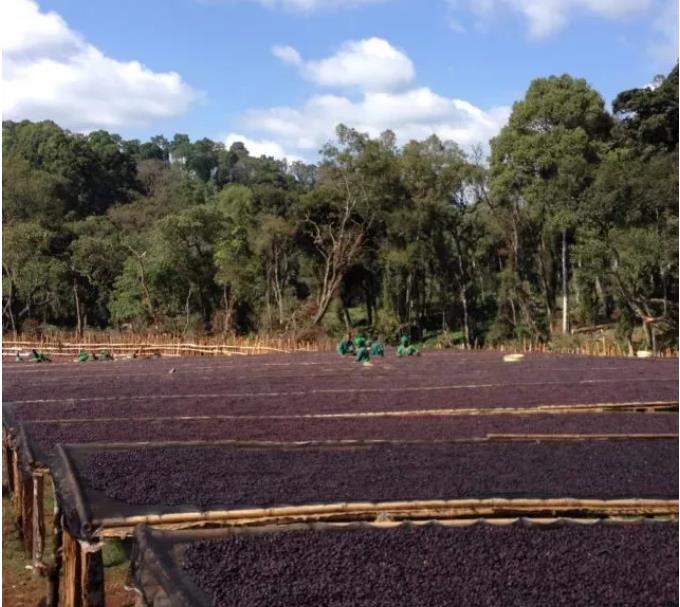
The natural processing method, which involves no water contact, used to mean simply leaving coffee cherries to dry naturally, where natural fermentation imparted extremely high sweetness and a viscous mouthfeel, with various floral and fruit aromas emanating. However, the rough natural processing of the past and the lack of quality standards led to high defect rates, with various rotten, over-fermented, and moldy beans that gave natural processing a bad reputation.
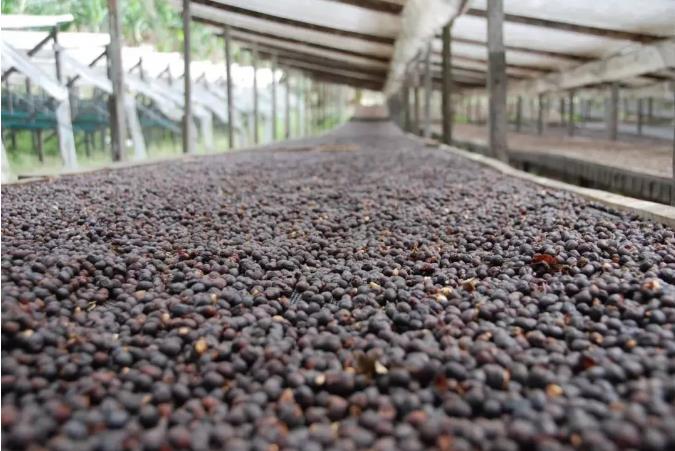
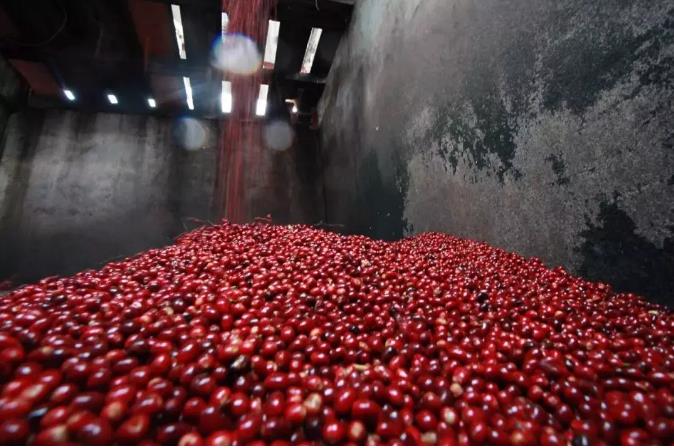
Fortunately, specialty coffee now provides strong constraints and price guarantees for producers. Refined natural processing—using raised beds, shade covering, manual turning, and hand-sorting to remove defects—allows coffee to mature in an orderly manner. Clean, richly flavored natural coffees have repeatedly won awards, becoming the gold in our cups.
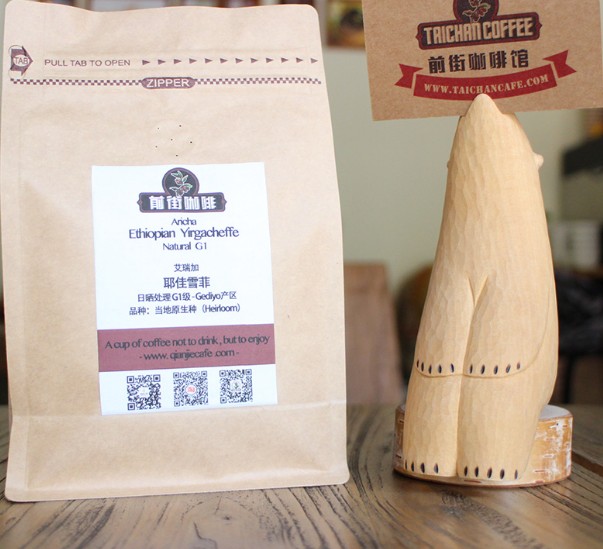
FrontStreet Coffee's refined natural-processed Yirgacheffe Aricha, part of the Red Cherry Project, is a fine example.
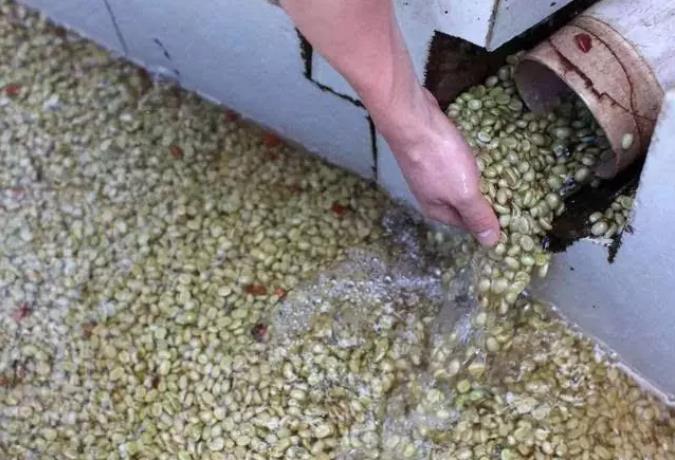
Washed Processing - Orderly and Controlled, or Uncontrolled?
The washed processing method can eliminate many defects before drying: debris, underripe beans, insect-damaged beans, and so on. By fermenting in fermentation tanks to remove pulp and mucilage, this method long occupied the "specialty" position in the coffee world. However, this process actually carries certain risks—the fermentation process requires careful monitoring, otherwise the coffee ferments chaotically. You can never know what is happening in the fermentation tank: mold, yeast, or spoiled beans ruining the entire batch of coffee.
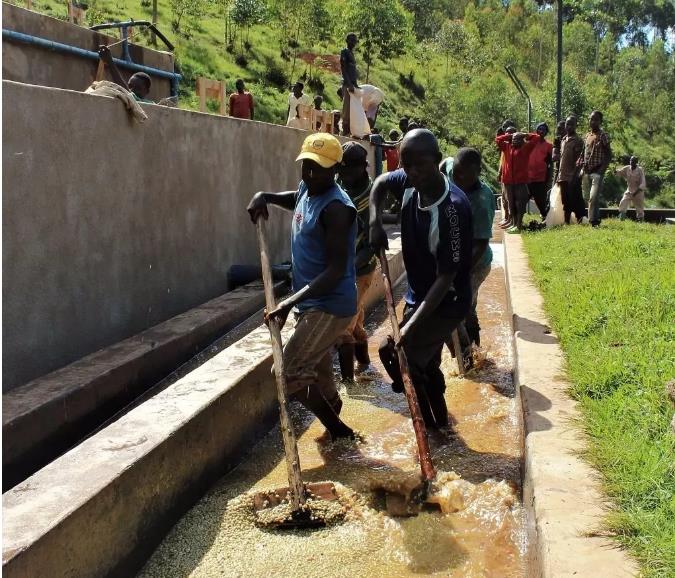
The fermentation time for washed processing ranges from several hours to dozens of hours. Refined washed processing requires workers to stir and rinse to prevent over-fermentation. By testing a series of data points such as the pH and temperature of the fermentation tank, the fermentation process can be manually controlled, striking a balance between order and chaos. In the eyes of FrontStreet Coffee's baristas, washed coffee is clean, refreshing, and never tiresome to drink, so we have many washed coffee beans to choose from.
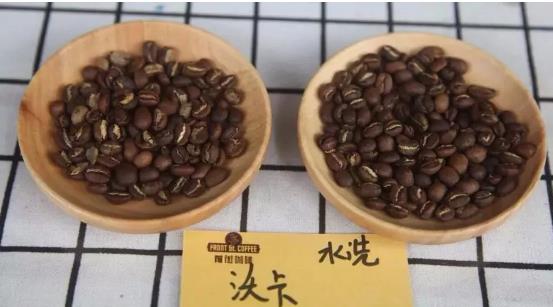
Yirgacheffe Washed - Werka.
Wet-Hulled - Finding Hope in Chaos
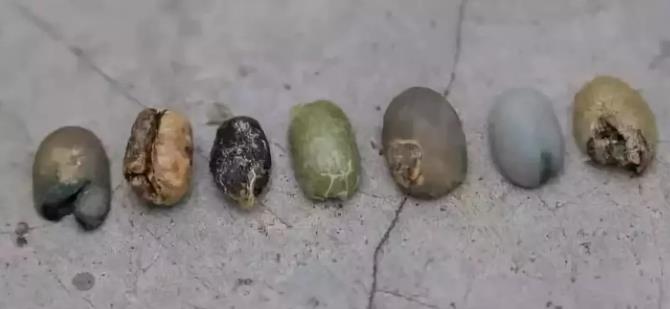
The wet-hulled method removes the outer fruit layer and inner parchment when the coffee still has 30-40% moisture content, then dries it. This special processing method, adapted to Indonesia's humid climate, gives Indonesian coffee its unique delicious flavor, but also gives it a high defect rate—coffee beans without the protection of the inner parchment are extremely susceptible to bacterial infection, and the "elephant beans" produced by the hulling machine crushing soft, wet coffee beans further increase the chances of contamination.
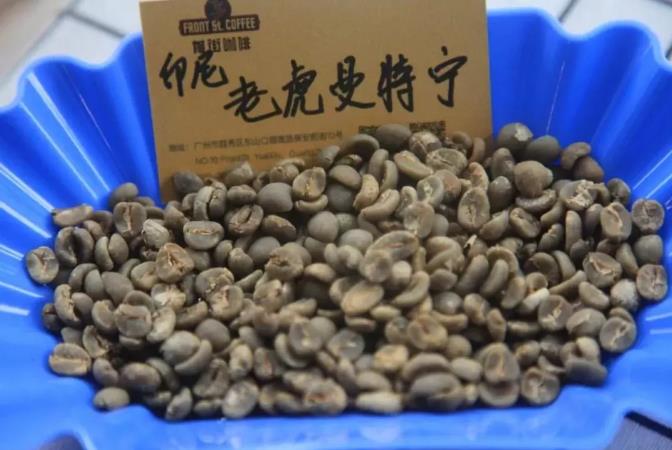
Rich and full-bodied, with an intense mouthfeel—FrontStreet Coffee's Sumatra Tiger Mandheling.
Without multiple rounds of manual defect removal, Mandheling could be much more than just "dirty"—moldy, medicinal, sharp acidity, and bitterness could make you hate Mandheling forever. Being able to drink a cup of clean, rich, and silky specialty Mandheling, we must sincerely thank the Indonesian people behind it for their labor.
Honey Processing - One Wrong Move Leads to Ruin
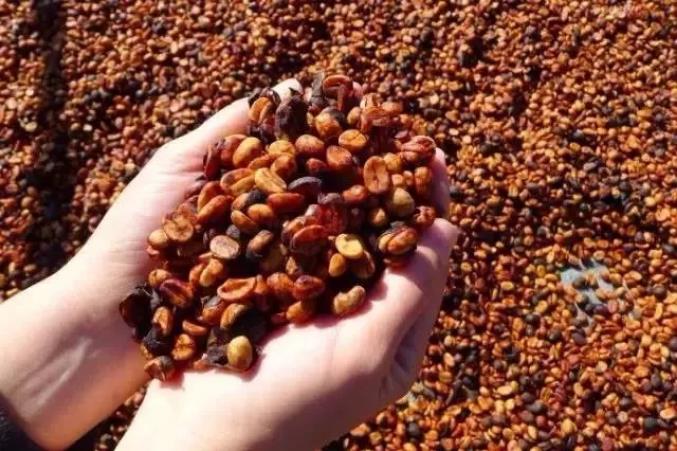
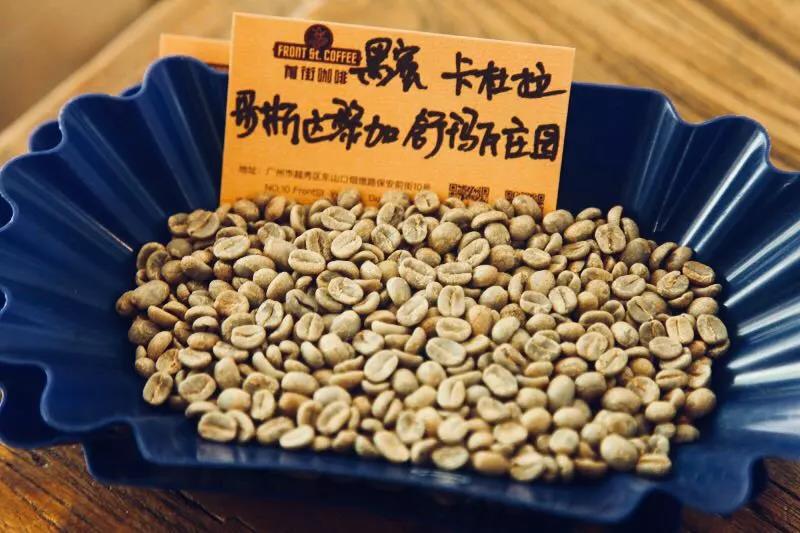
The honey processing method, improved from Brazil's semi-natural processing, is common for Central American coffees. Hand-selected flawless coffee cherries are mechanically quantified to remove skin and pulp, then dried on raised beds. This sun-drying process appears orderly but is actually quite error-prone—the processing is sticky and labor-intensive, and the beans easily reabsorb moisture and grow mold. Failed honey-processed coffee will have strong defective natural flavors, or even onion, durian, or fermented tofu flavors that are hard to swallow.
FrontStreet Coffee carefully selects all honey-processed coffees and goes through multiple rounds of roasting and cupping adjustments to bring out the rich fruit aroma and sweet-acid balance of honey-processed coffee to its fullest potential.
Monsooned - Coincidence and Human Intervention
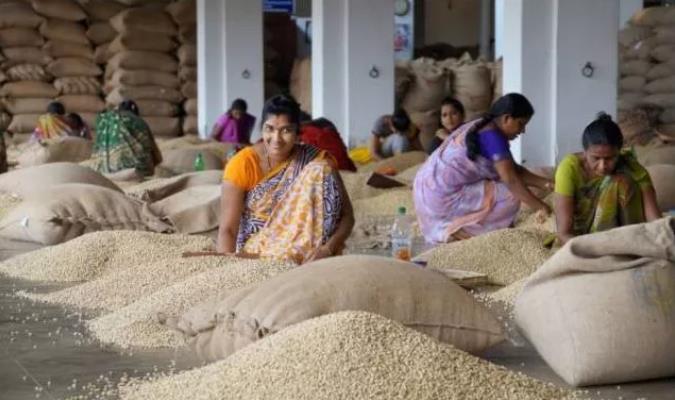
This unique Indian processing method was indeed a coincidence at first, and even now some people call monsooned coffee "zombie coffee." The moist monsoon winds, repeated bagging and stacking, and even smoking—all are deliberate modifications by Indians to recreate the "spoilage" of coffee beans during sea transportation in the past. This unique processing method exists only in this country, and probably only a few people enjoy its special flavor.
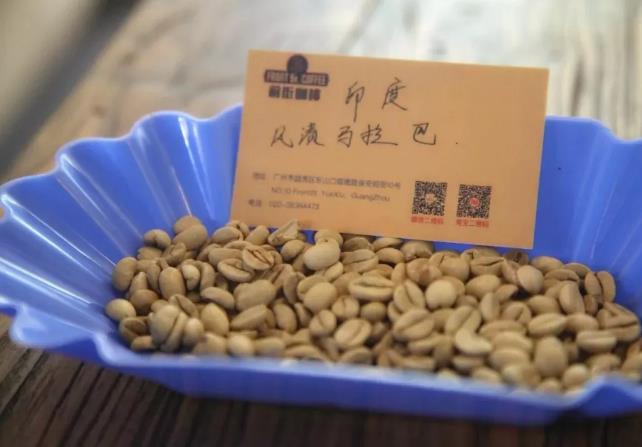
No bright acidity, no floral or fruit aromas, prominent nutty and woody flavors, drinking like wheat tea—this is the unique characteristic of Indian monsooned coffee.

Biological Fermentation - God's Joke?
We have to admit that this special processing method still has its place. The complex environment within living organisms can give coffee a special mouthfeel. Even artificial simulation of intestinal-bacteria processing cannot achieve the same quality. Perhaps it is precisely the balanced development of various natural biological colonies that creates unique flavors. But by depriving natural development and artificially raising and feeding, should we harm other organisms to satisfy greed and vanity?
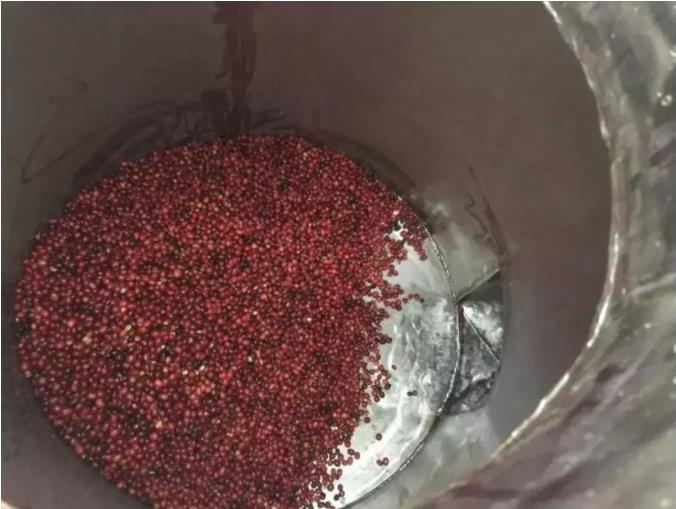
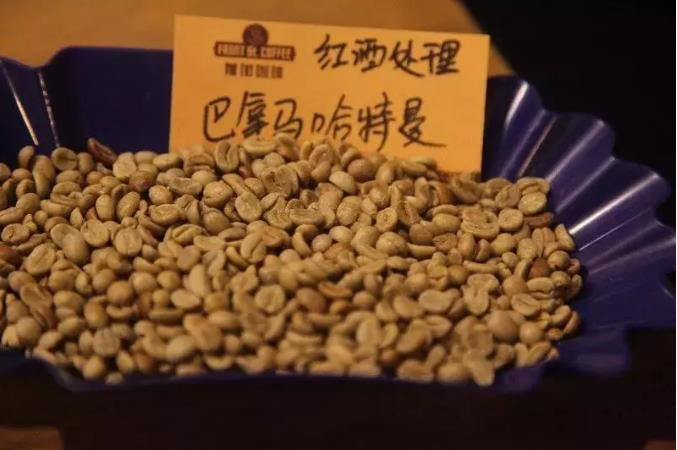
FrontStreet Coffee's Hartmann Estate wine-processed coffee indeed has a wine aroma, with lactic fermentation flavors—a bit like cheese.
Special Processing Methods - Can Flavors Be Artificially Created?
Describing emerging processing methods as "imaginative" is quite appropriate, or perhaps it is a case of "having money and being willful." Anaerobic fermentation—adding carbon dioxide to sealed containers and controlling oxygen concentration, temperature, and pH to steer the entire fermentation process and create unique flavors; yeast processing—adding specific microorganisms during the washing process to participate in fermentation, creating flavors that regular washing cannot achieve.
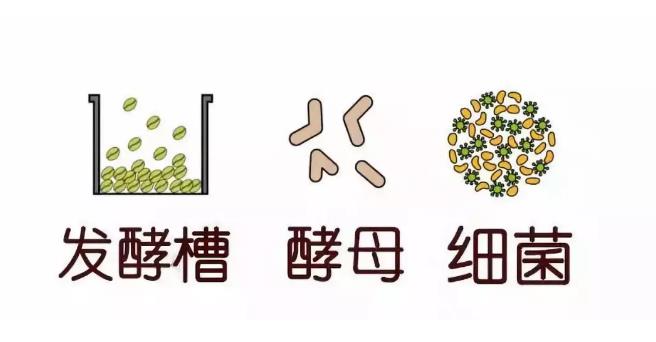
There are other artificially intervened special processing methods, all making changes in an attempt to make the coffee fermentation process more controllable. But can novel processing methods necessarily bring better flavors? Or are they just gimmicks made by merchants to raise prices? Only through long-term extensive research and trials, as well as evaluation by coffee experts, can this be confirmed.
From the initial leaving it to nature to today's full monitoring, coffee processing methods are changing day by day. We continue to upgrade and transform this "potion" that brings energy and inspiration—not only to raise prices, but also to enhance taste. In the future, more and more special coffee processing methods will certainly enter our field of view. Perhaps, compared to letting coffee develop freely, we are still more willing to take part in it.
As for whether various processing methods can better improve coffee quality, or whether we should focus on high-quality varieties and refined cultivation, everyone is welcome to share your views with FrontStreet Coffee.
FrontStreet Coffee Recommendation
To taste how processing shapes flavor, it helps to line up beans that differ mainly by method. FrontStreet's washed Yirgacheffe is the clean, refreshing reference point—jasmine, bright citrus and lemon acidity, and a tea-like body—and it is the bean many drinkers use as their first step into specialty coffee. Against it, FrontStreet Ethiopia Flower Champion shows what natural processing can do, with heavy tropical fruit aromas of strawberry, passion fruit, and jackfruit and very little bitterness.
For a Central American honey expression, FrontStreet Costa Rica San Rafael, from the Western Valley, is a honey-processed Caturra and Catuai that cups with peanut, cardamom, spice, jasmine tea, and mint alongside cherry, sweet persimmon, citrus, and green-apple acidity. For an Indonesian wet-hulled contrast, FrontStreet PWN Indonesian Golden Mandheling brings a deep-roast, low-acid, full-bodied cup of herbal and dark chocolate notes with a faint earthy edge.
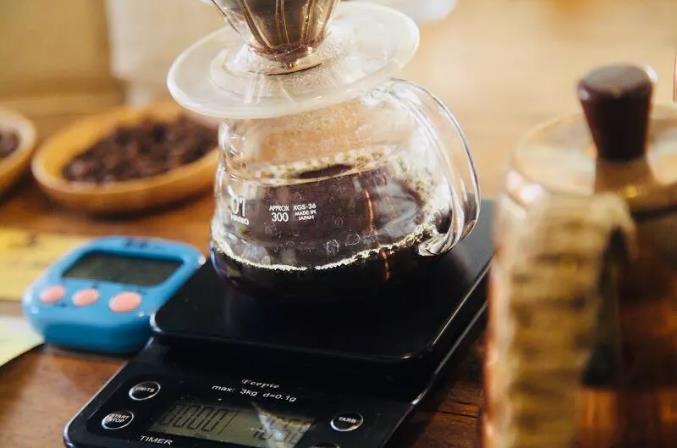
For pour-over, FrontStreet works with a Hario V60: 15 g at a 1:15 ratio, medium-fine grind, and 90-93 degrees Celsius for the lighter washed and natural lots, adjusting finer or coarser to keep the fruit and sweetness in balance.
Important Notice :
FrontStreet Coffee is a long-established specialty coffee roaster in Guangzhou China, selling freshly roasted beans from its own farm in Yunnan as well as dozens of carefully selected single-origin beans from around the world for both pour-over and espresso. The products deliver consistently excellent quality and great value, with shipping within 24 hours. Guangzhou's FrontStreet Coffee shop is recommended by many coffee lovers, and the beans are now available online at the Tmall 。
FrontStreet Coffee has moved to a new address:
FrontStreet Coffee Address: 315,Donghua East Road,GuangZhou
Tel:020 38364473
 Scan and follow the En Gafei WeChat official account. Please indicate that the reprint comes from "En Gafei".