Why Does Coffee Taste Sour? Is Sour Coffee Good to Drink?
Understanding Coffee Acidity: A Beginner's Guide to Coffee Flavor
Flavor is the issue that trips up the most beginners. Flavor charts list dozens of descriptors — so why can't you taste any of them?
Why Does Coffee Have Acidity?
In everyday speech we usually say "taste" where coffee professionals say "flavor," and in coffee tasting we typically describe it as "notes" — floral notes, fruity notes, caramel notes, and so on.
But when a cup of acidic single-origin coffee is set in front of you, can you really judge its quality? What are you tasting? What are you perceiving?
Many coffee beginners taste nothing but "coffee." That is completely normal. "I only taste coffee, and I only smell coffee!"
That is what the flavor chart looks like through a beginner's eyes — and honestly, it's the most intuitive perception there is.
For instance, we might say African beans have "bright acidity" or "fruity acidity." Wonderful acidity gives coffee greater depth and character.
The Quality of Acidity
Poor quality: fermented sourness, harsh acidity, very high acidity, mouth-puckering, vinegar-like.
High quality: fruity acidity, fresh acidity, rounded acidity, soft acidity.
High-quality coffee is rich in organic acids, expressing vivid acidic flavors like citrus and berries. The quality of a coffee's acidity is one of the key markers of specialty coffee.
For example, the acidity across FrontStreet Coffee's bean lineup breaks down like this:
Sidamo: wild ginger, bergamot, blackcurrant, a range of tropical fruit acids.
Flower Butterfly (70% Geisha content): tea aroma, honey, the classic Esmeralda Geisha estate profile.
Natural Red Label: berries, florals, grape acidity, peach.
Learning to Appreciate Coffee Acidity
Plenty of people dislike acidic coffee, preferring something mellow or even strong and dark. But if you want to become a true coffee connoisseur, understanding acidity is where you start. That said, more acidic does not mean better. The sweet and acidic compounds are what give coffee its complexity. Some coffees are so sharply acidic they pucker your mouth and score low in professional cupping; others carry an acidity that is comfortable and rounded, balanced against sweetness — and those earn the higher scores.
Where Coffee Acidity Comes From
Green coffee beans contain acidity-related compounds such as citric acid, malic acid, quinic acid, and phosphoric acid, but these are not where the acidity you taste in the cup comes from. The acids formed during roasting are the main source of acidic flavor.
Once green beans hit the roaster, their components undergo chemical reactions and create new acids. The most representative reactions: the decomposition of chlorogenic acids into quinic acid, and the breakdown of oligosaccharides into volatile formic acid and acetic acid.
If a cup of coffee offers nothing but bitterness or nothing but acidity — no other flavors — it is simply a poor cup. And note that acidity and astringency are two different things entirely. Acidity is what you feel when, after sipping, saliva flows along the back-middle sides of your tongue. Astringency is a rough, drying sensation on the tongue surface, throat, and palate — like drinking coffee through strips of gauze.
Astringency is an undesirable trait in coffee, signaling defects anywhere from the green beans through roasting to brewing. A good cup of coffee should be neither bitter nor astringent.
Techniques for Distinguishing Coffee Flavor and Aroma
"The dry aroma of this bean leans toward elegant jasmine, with a pleasant, lively acidity — sweet-acid balance, the acidity transitioning into sweetness."
Blue Label Geisha with sweetness is like biting into fruit: the beans carry fructose, a sweet-potato-like sweetness akin to sucrose, brown sugar, caramel — with a mouth-watering sensation.
"The aftertaste is excellent! First a hint of passion fruit acidity, then a full, lingering sweetness, and finally some nutty notes in the finish."
"I actually prefer Geisha as it cools — the sweetness becomes more pronounced, with peach flavors and that sweet-potato sweetness."
Just like wine tasting, beyond aroma you can pay attention to the coffee's "body" — is it full and heavy or light? Watery thin, or thick as syrup? Is the acidity dull, lively, or aggressive? Finally, consider the aftertaste and the cup's overall complexity.
Learning to appreciate coffee is a long journey, and beginners shouldn't be discouraged by early setbacks. Drink more coffee, taste more varieties, and work through the three steps — smell the aroma, taste the flavor, savor the aftertaste. Slowly, the wonderful world of coffee flavors will open up to you.
FrontStreet Coffee Recommendation
If today's topic has you wanting to train your palate on a beautifully acidic coffee, start with an entry-level washed Yirgacheffe or, better yet, a Geisha. FrontStreet Coffee's Panama Boquete Geisha is the friendly first step: classic orange blossom and honeyed sweetness, oolong tea-like body, and delicate, layered fruit acidity — exactly the kind of "bright acidity" worth learning to taste. For a step up, FrontStreet Coffee's Esmeralda Red Label and Green Label Geisha showcase the same variety at Panama's most famous estate.
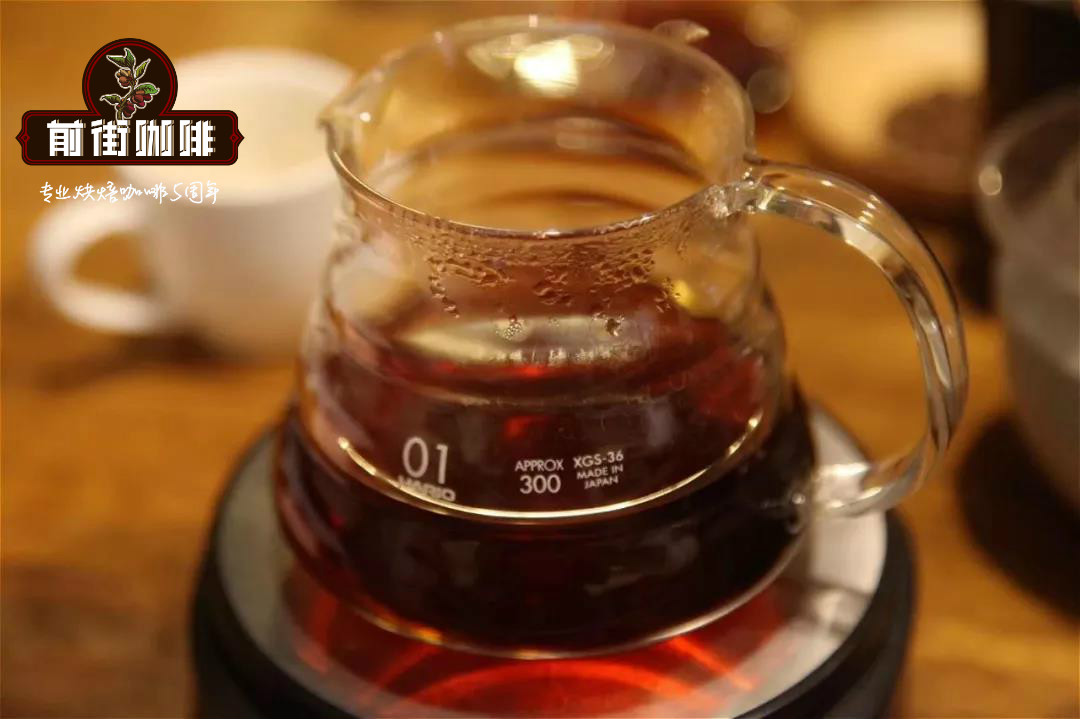
Brewing matters, too. Geisha is a hard, dense, medium-light roast bean that tends to sink and clog the dripper, so FrontStreet Coffee recommends a coarse grind — about 78% pass rate on a #20 sieve, roughly fine granulated sugar — with water at 91°C. Dose 15g into a Hario V60 at 1:16 and pour in three stages: bloom with 30g of water for 30 seconds, pour to 125g, then finish at 225g for a total brew time of 2 minutes 10 seconds to 2 minutes 20 seconds. As the cup cools, pay attention to how the sweetness and fruit notes evolve — that is where acidity really shows its quality.
Important Notice :
FrontStreet Coffee is a long-established specialty coffee roaster in Guangzhou China, selling freshly roasted beans from its own farm in Yunnan as well as dozens of carefully selected single-origin beans from around the world for both pour-over and espresso. The products deliver consistently excellent quality and great value, with shipping within 24 hours. Guangzhou's FrontStreet Coffee shop is recommended by many coffee lovers, and the beans are now available online at the Tmall 。
FrontStreet Coffee has moved to a new address:
FrontStreet Coffee Address: 315,Donghua East Road,GuangZhou
Tel:020 38364473
 Scan and follow the En Gafei WeChat official account. Please indicate that the reprint comes from "En Gafei".