Clever Dripper Usage Guide: How to Use the Clever Dripper? Coffee Brewing Tutorial

Visitors to FrontStreet Coffee's storefront will notice that our baristas typically use only two drippers for pour-over coffee: the Hario V60 and the KONO. Both, however, demand solid technique, if you haven't yet learned to control a stable water flow, they can be somewhat challenging.
To let more people enjoy a great cup without brewing mishaps, the Clever Coffee Dripper was introduced. With it, even beginners can get started easily.

What is the Clever Coffee Dripper?
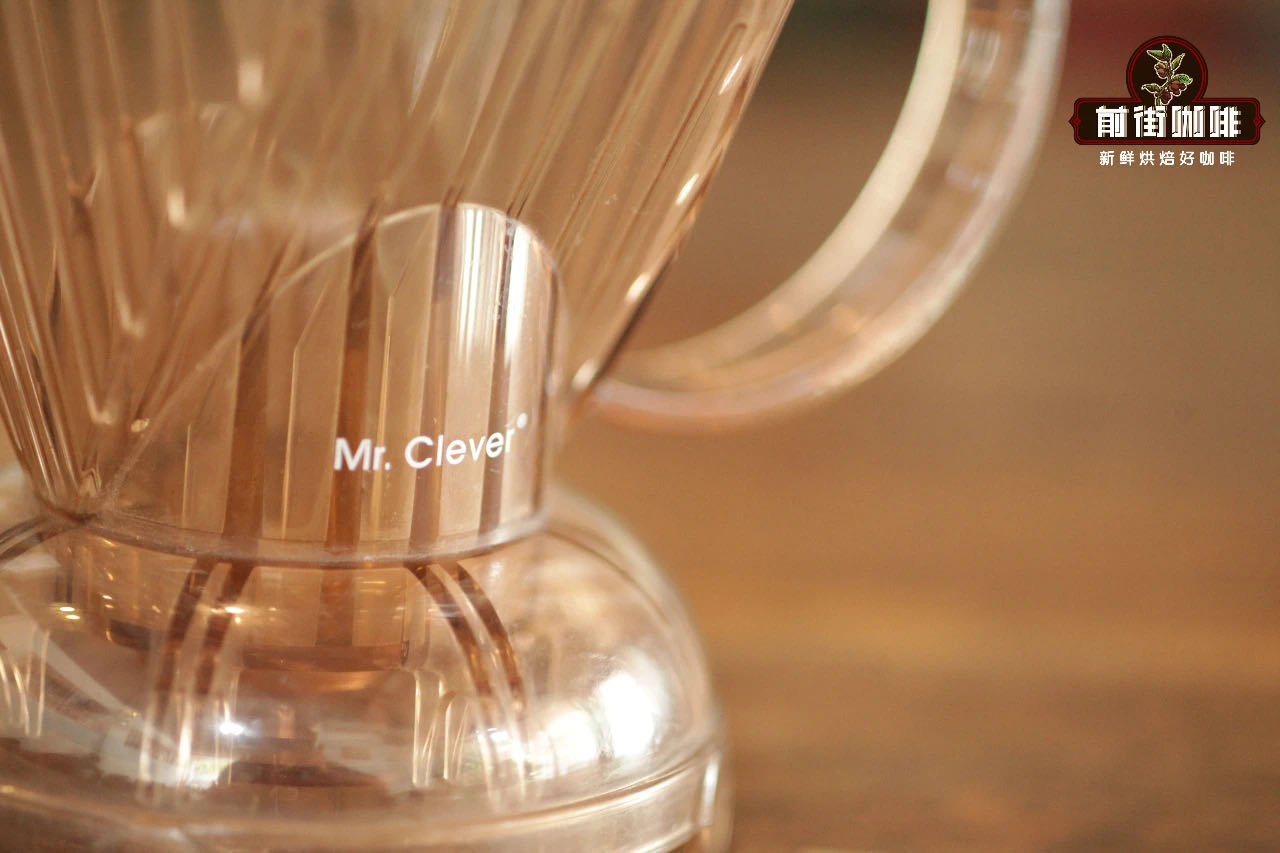
Its full name is "Clever Coffee Dripper." Many piston-valve drippers are sold under the "Clever" name, but strictly speaking, only the one sold by the Mr. Clever brand is a true Clever Coffee Dripper.
The Brewing Principle of the Clever Coffee Dripper
The Clever's secret is its bottom design, which comes in two parts: the outer layer is a support, while the inner layer holds a piston valve. Once water is poured in, its weight seals the piston valve automatically, stopping the flow and letting the grounds steep fully in the hot water above.
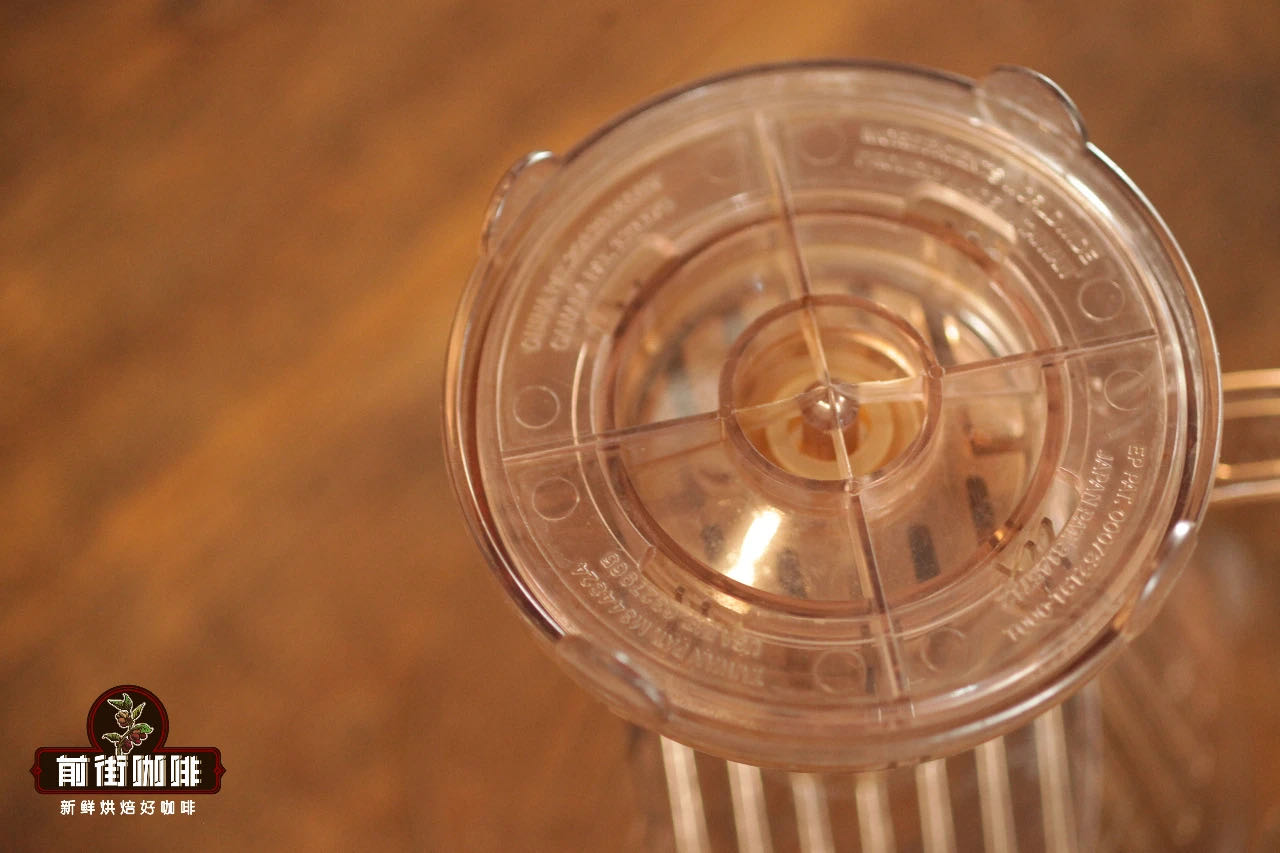
When steeping is done, set the dripper on a server or mug: the weight pressing on the bottom opens the piston valve, and the coffee flows through. In effect, the Clever combines the strengths of a French press and a pour-over dripper, the full immersion of a French press, which retains more coffee oils for a fuller flavor, plus the paper filtration of a pour-over, which removes the fines that would otherwise muddy the mouthfeel.
Clever Coffee Dripper Brewing Steps
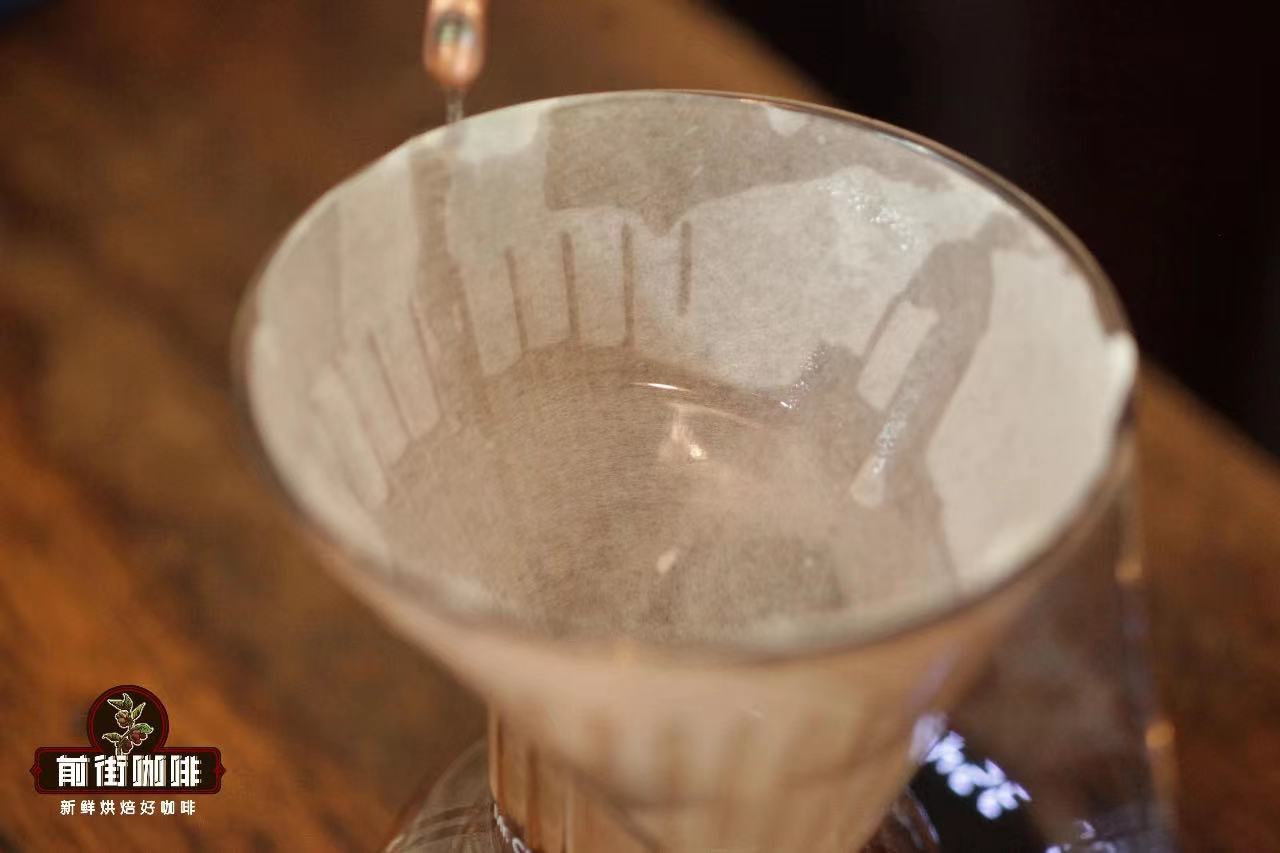
① After folding the bottom and side ribs of the filter paper, place it in the dripper. Add water to wet the paper so it adheres to the inner wall.
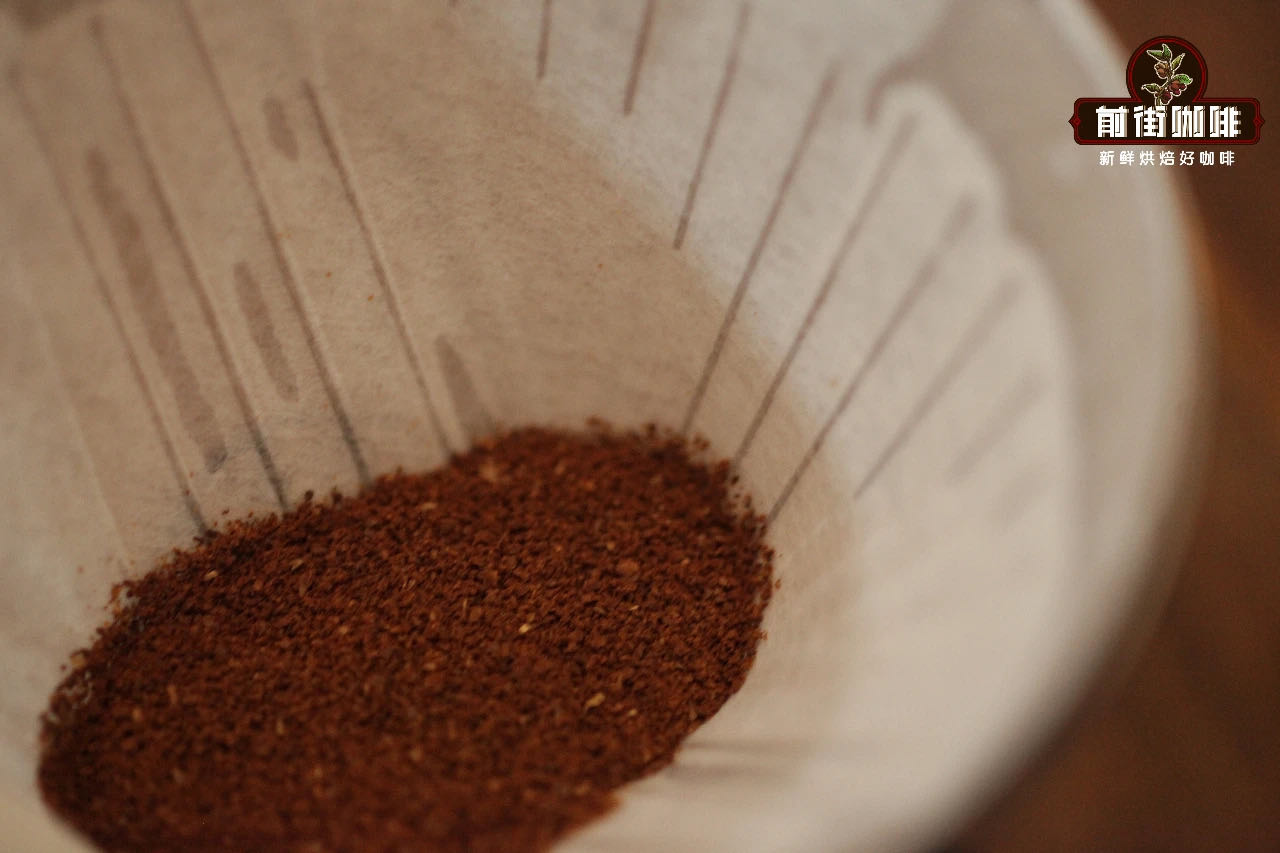
② Set the dripper on a flat surface so the piston valve closes, add 15 grams of coffee, and level the bed.
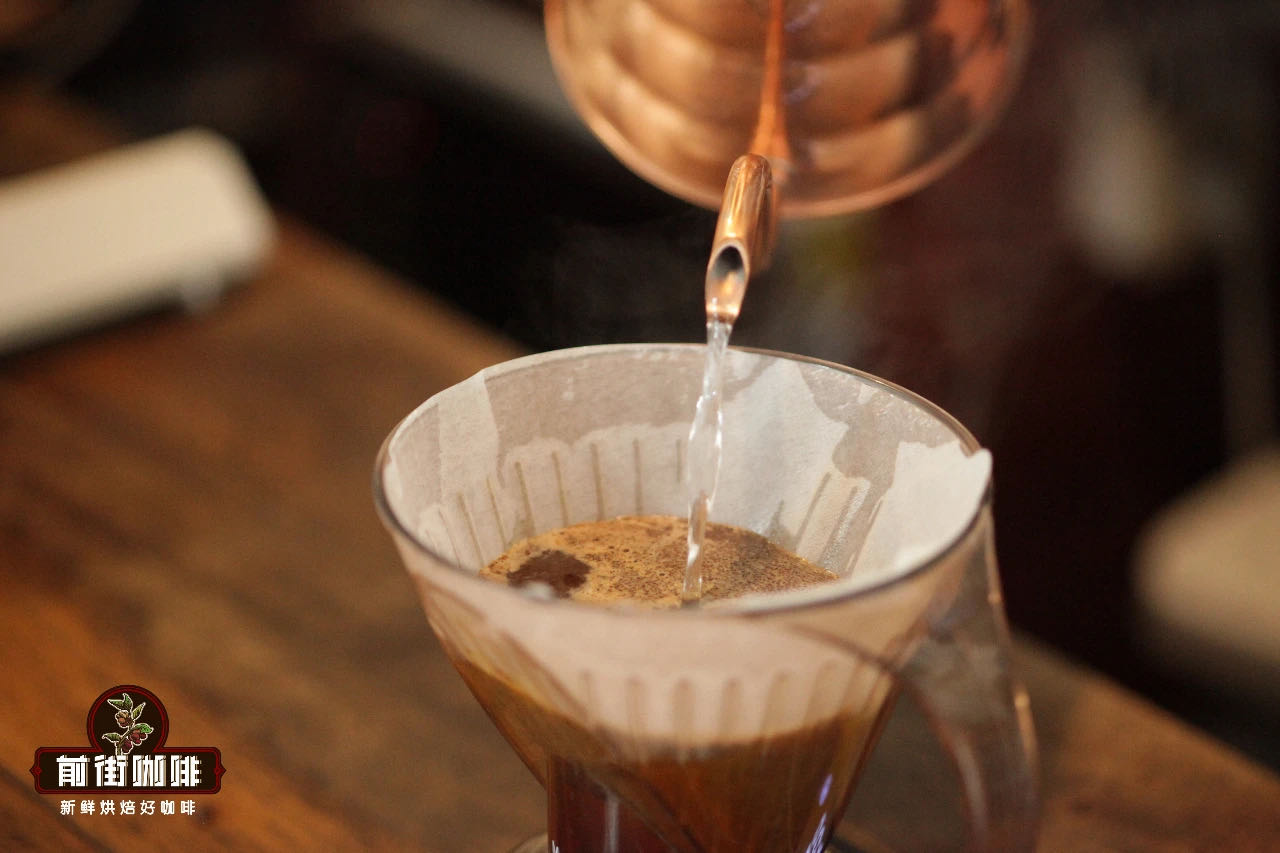
③ Start the timer, pour the first 30 grams of hot water, and bloom for 30 seconds at 90°C. After the bloom, continue pouring hot water up to 225 grams.
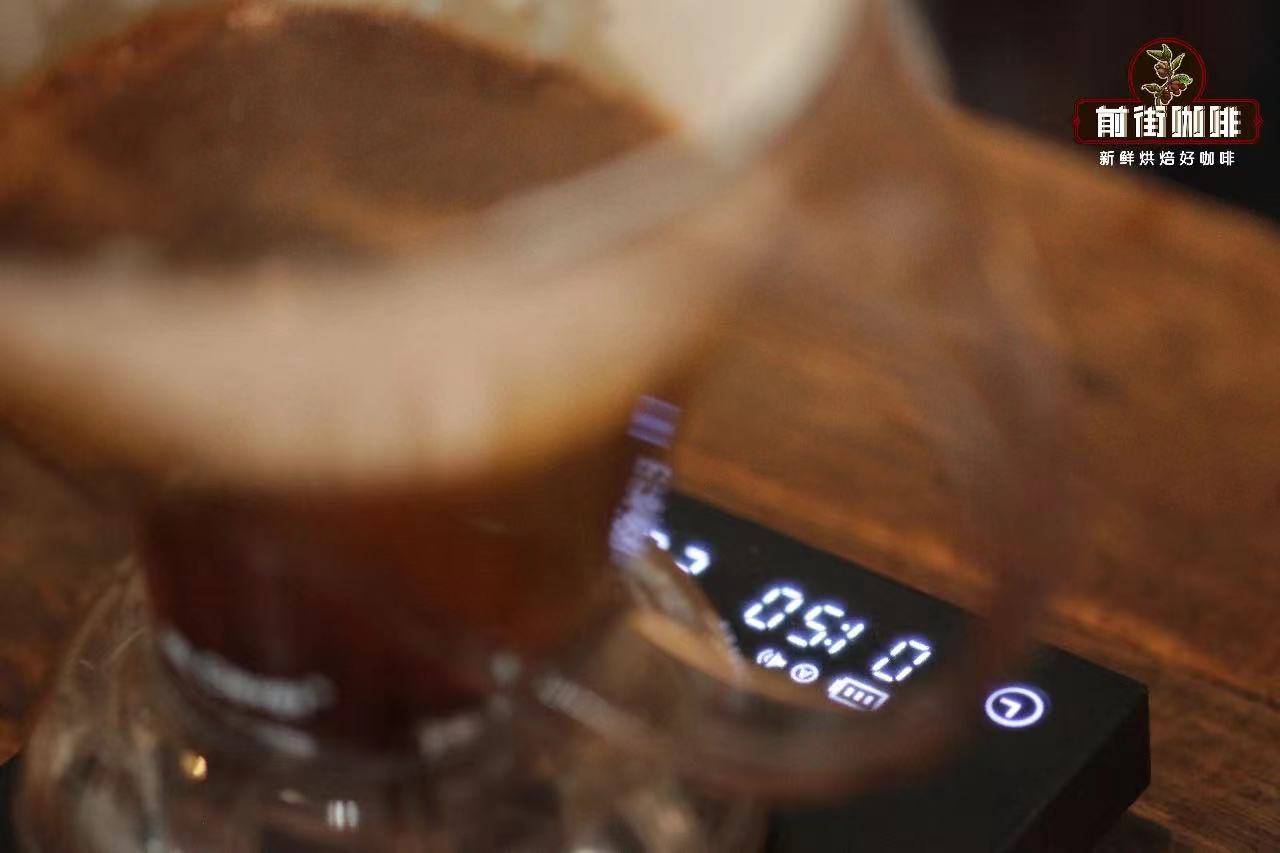
④ At 1 minute 30 seconds, place the dripper on a mug or server to open the valve and let the coffee flow out. Total extraction time is roughly 1 minute 50 seconds to 1 minute 55 seconds.
What is Pour-Over Coffee?
As noted above, the pour-over at FrontStreet Coffee's storefront mostly uses the Hario V60 and KONO drippers, both of which filter the grounds through paper. Pour-over coffee began with a sudden inspiration of Melitta Bentz in Germany. Melitta loved coffee but hated the texture of grounds, so she combined her son's blotting paper with a perforated copper pot to make a filter, likely the first coffee dripper in history.

Equipment Needed for Pour-Over Coffee
The essentials: an electronic scale with a timer, a thermometer, a pour-over kettle, a dripper, filter paper, a server, and a grinder. The scale weighs the coffee and water and displays extraction time.
The thermometer sets the water temperature. FrontStreet Coffee's baristas use 90°C to 93°C for lightly roasted beans and 86°C to 88°C for dark roasted beans.

Filter paper and drippers isolate the grounds. Choosing between V60 and KONO, FrontStreet Coffee's baristas use the V60 for light roasts and the KONO for dark roasts.
Pour-Over Coffee Brewing Process
Regular readers know FrontStreet Coffee's brewing routine well. To present each bean's purest flavor, we control every controllable factor so you taste the variety and origin, plain and clear.
For service, we weigh 15 grams of coffee and use a 1:15 ratio, pouring 225 grams of hot water.

① Place the filter paper in the dripper, wet it with hot water so it adheres to the inner wall.

② Add 15 grams of ground coffee and level the bed.

③ Pour the first 30 grams of hot water to wet the grounds completely, and bloom for 30 seconds, this lets the grounds release carbon dioxide so later pours extract better.

④ Pour the second segment of hot water to 125 grams.
⑤ As the coffee level drops to about half, just before exposing the bed, pour the third segment to 225 grams. Total extraction time: 2 minutes.
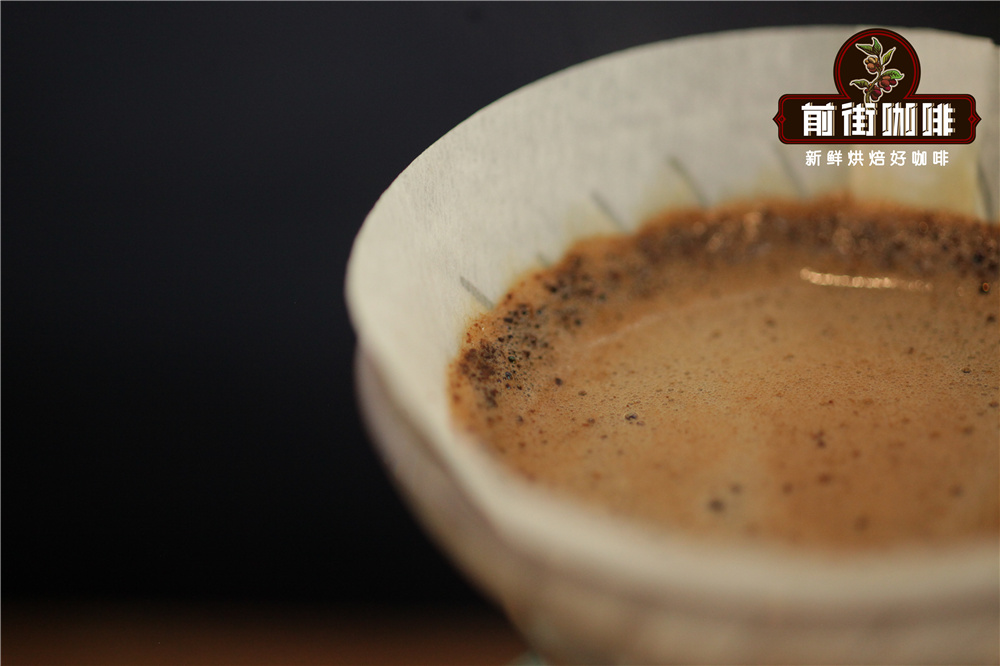
Flavor Differences: Clever Dripper vs. Pour-Over
To show the flavor difference clearly, FrontStreet Coffee brewed the same bean both ways.
Using FrontStreet Coffee's Yirgacheffe Natural Red Cherry as an example:

FrontStreet Coffee: Yirgacheffe · Red Cherry Coffee Beans
Origin: Ethiopia Yirgacheffe
Altitude: 1700m-2200m
Variety: Local native varieties
Processing Method: Natural processing
FrontStreet Coffee calls this bean "Red Cherry" because it comes from the local Red Cherry Project, led by the Dutch company Trabocca with half the funding sponsored by the Dutch government. Since 2005 it has worked with many small coffee cooperatives, encouraging and helping producers improve washed, semi-washed, natural, and other experimental processes to raise quality. Before each harvest season, Trabocca invites selected small producer organizations to make micro-batch coffees (roughly 1500 to 3000 kg), hand-picking 100% ripe red cherries in batches, hence the name.

This bean is natural processed. FrontStreet Coffee believes Yirgacheffe beans have strengths either way: washed Yirgacheffe brings a cleaner mouthfeel and bright acidity, while natural Yirgacheffe shows juicier sweetness and more abundant aroma.
Flavor Comparison
[Clever Dripper Brewing Flavor] Citrus acidity, juice-like mouthfeel, full-bodied, smooth, fermented wine aroma, honey-like aftertaste.
[V60 Brewing Flavor] Light fermented wine aroma, with citrus fragrance, honey sweetness, cocoa flavor, and a persistent aftertaste.

The comparison shows the Clever extracts more of the coffee's flavors with a rich, intense mouthfeel, while the V60 gives a lighter, fresher profile.
FrontStreet Coffee Recommendation
Loved the juicy naturals in this comparison? Then try FrontStreet Coffee's Ethiopia Yirgacheffe Guodingding, for many lovers of specialty coffee, the natural first stop of the Yirgacheffe region, which enjoys enduring popularity. It carries vivid citrus, berry, and floral notes with a green-tea-like sweet finish, and its acidity is soft and bright, the gentle sweetness of fruit itself rather than any harsh sourness, making it one of the easiest cups for newcomers to pour-over. If you want to go even further into natural-process fruitiness, FrontStreet Coffee's Ethiopia Huakui (Sidamo natural) is one of the market's biggest stars in recent years: striking tropical fruit aromas of strawberry, passion fruit, jackfruit, even lychee, pronounced sweetness with almost no bitterness, and a smooth, juice-filled body, often described as "the coffee that least tastes like coffee," perfect for anyone put off by traditional coffee bitterness. Both beans shine in either brewer featured above: use the Clever dripper for a fuller, more immersion-rich body, or the V60 for a cleaner, brighter cup.
Important Notice :
FrontStreet Coffee is a long-established specialty coffee roaster in Guangzhou China, selling freshly roasted beans from its own farm in Yunnan as well as dozens of carefully selected single-origin beans from around the world for both pour-over and espresso. The products deliver consistently excellent quality and great value, with shipping within 24 hours. Guangzhou's FrontStreet Coffee shop is recommended by many coffee lovers, and the beans are now available online at the Tmall 。
FrontStreet Coffee has moved to a new address:
FrontStreet Coffee Address: 315,Donghua East Road,GuangZhou
Tel:020 38364473
 Scan and follow the En Gafei WeChat official account. Please indicate that the reprint comes from "En Gafei".