How Does Indonesian Sumatra Mandheling Coffee Taste? Delicious Mandheling Coffee Pour-Over Recipe and Parameters
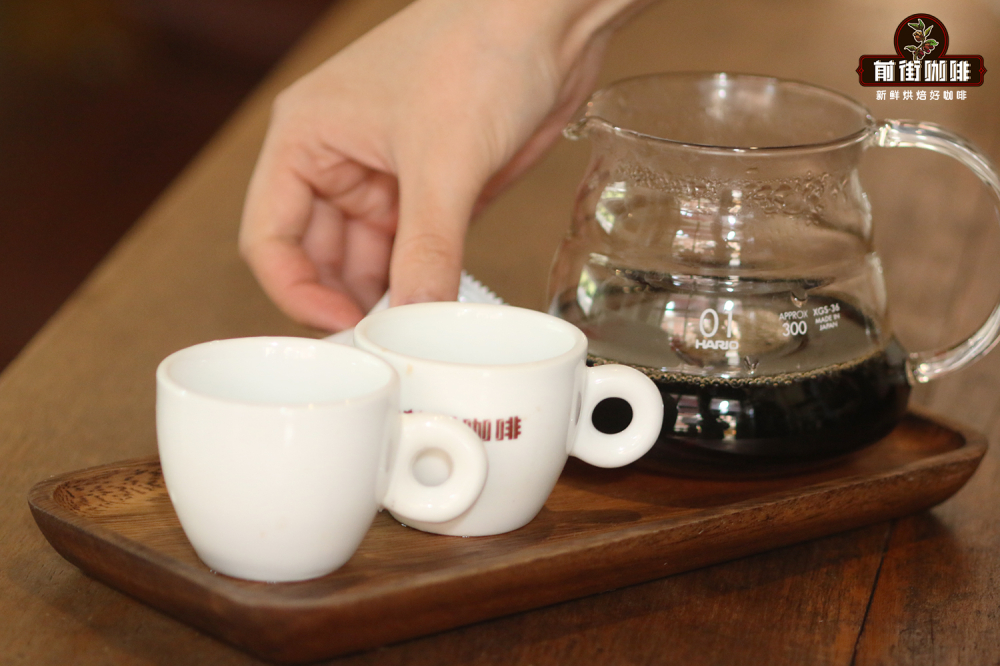
Indonesian Mandheling conquers the world with its rich, mellow taste, carrying flavors of caramel and dark chocolate — precisely why so many people find Mandheling so enjoyable. This medium-dark roasted bean has very low acidity with prominent bitterness, making it perfect for drinkers who love rich, full-bodied flavors. The Japanese are especially fond of it, too! Speaking of Japan, there is actually a story connecting the country to Indonesian Mandheling. Let FrontStreet Coffee tell it.
Indonesia's Coffee Planting History
Indonesia first planted coffee in 1696, when the Governor of Malabar gifted Arabica coffee to the Dutch Governor of Batavia (now Jakarta, on Java). The first batch of seedlings was destroyed by floods, but in 1699 the Governor of Malabar in India sent a second batch, which was first harvested in 1701 — ushering in a new era for Indonesian coffee.
Why Is It Called Mandheling?
Mandheling was originally the name of an ethnic group living in the Lintong region of Aceh province, where rubber was abundant but coffee trees were not grown. So how did the coffee come to bear the name? Let me explain.
During the colonial period, a Japanese soldier drank a particularly delicious coffee and commissioned the rubber production department in North Sumatra (the PWN company of that time) to help him find it. The PWN manager traveled to many producing areas, collected high-quality beans of various kinds, and sent them to Japan for tasting. One of them won the hearts of the Japanese. They asked what coffee it was, and the PWN manager wanted to say that their rubber department was near Mandailing, but since the business source was not something he could disclose, he gave the name MANDHELING. That is the origin of the name.
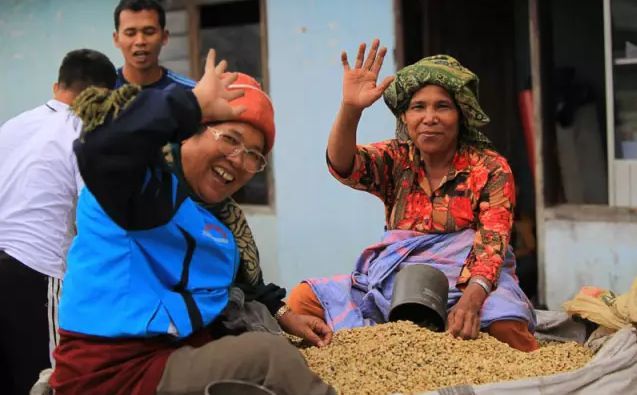
Indonesia is a traditional producing region with a long history of coffee cultivation, and its coffee has developed a distinctive regional flavor. Mandheling beans are the classic representative of Indonesian coffee. In FrontStreet Coffee's daily bean series, FrontStreet Coffee has chosen Mandheling from the Lintong origin as the flavor representative of Indonesian coffee.
[FrontStreet Coffee's daily bean series is a collection of cost-effective regional beans. While they may not match beans from renowned estates in every respect, the collection lets coffee newcomers experience the main flavors of the major producing regions at an affordable price and figure out which regions they prefer. For any given region, washed processing represents the bean's core flavor, while natural processing adds aroma on top of that washed base. FrontStreet Coffee therefore suggests washed for Blue Mountain and natural for aromatic beans such as Geisha. The daily beans express the fundamental flavors of each region, so apart from a semi-natural Brazilian, all of them are washed — and because washed processing represents an origin's most fundamental flavor, every bean in the daily series is washed.]
Characteristics of Lintong Mandheling
Lintong Mandheling is produced in the mountainous Lintong area of north-central Sumatra, near Lake Toba. FrontStreet Coffee's entry-level daily bean from the Indonesian Mandheling region comes from here. Lintong Mandheling also uses a unique wet-hulling (Giling Basah) method, which creates its signature low acidity and high body.
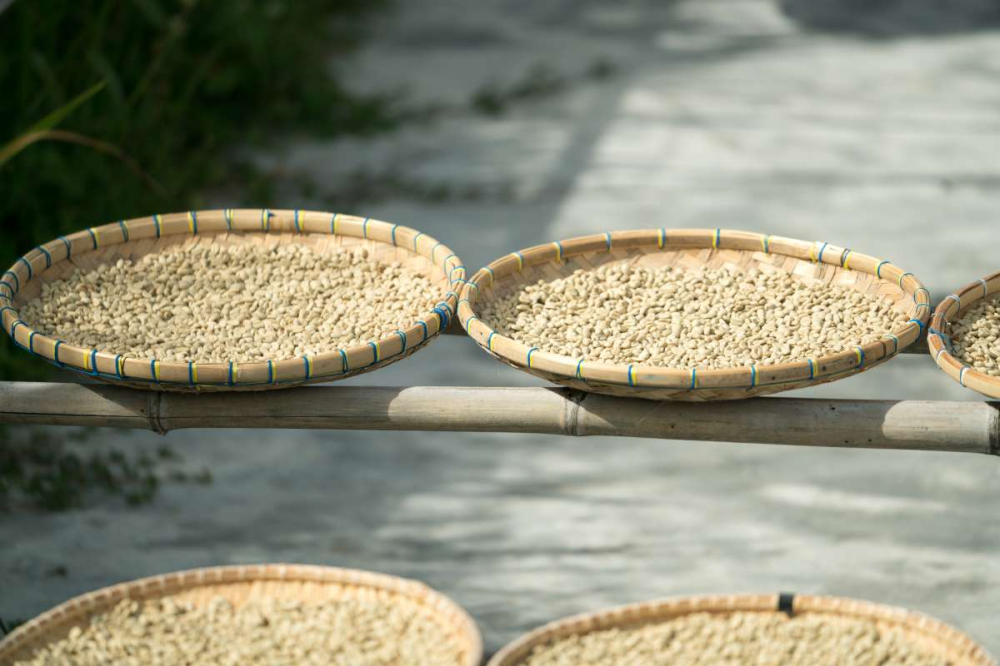
Indonesia is hot and humid year-round, without extended periods of sunshine, and humidity ranges between 70–90%. Relying purely on natural sun-drying is clearly impractical. Given Sumatra's ever-changing weather, even washed processing makes it hard to find a full week of sunny weather for drying. So the wet-hulling method emerged. After the usual washed steps, the parchment beans are exposed to intense sunlight for 1–2 days until the moisture content reaches 30–50%, and then the parchment is removed and the beans are dried further. This accelerates the drying and shortens the process considerably.
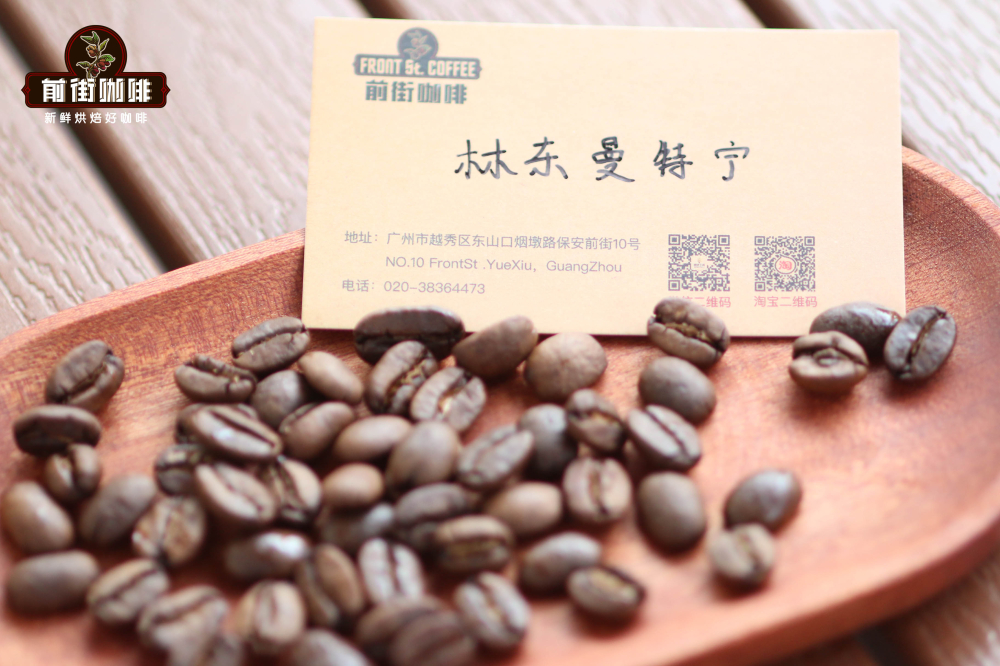
Mandheling is easy to identify in both flavor and bean appearance, because wet-hulling removes the parchment while the beans are still semi-soft and semi-hard. Under intense sun-drying the beans tend to crack into "sheep hoof" shapes — which is why they are also called sheep-hoof beans. These are not defective beans.
Mandheling Pour-over Method Recommendations
Mandheling is typically roasted medium-dark, presenting a mellow, rich taste. FrontStreet Coffee therefore suggests a Kono dripper, which enhances the coffee's rich body. If one isn't available, a V60 dripper works as a substitute.
For a single serving, use 15g of coffee. We recommend resting the beans for 4–7 days (counting the roast date as day one), which yields a better-tasting brew.
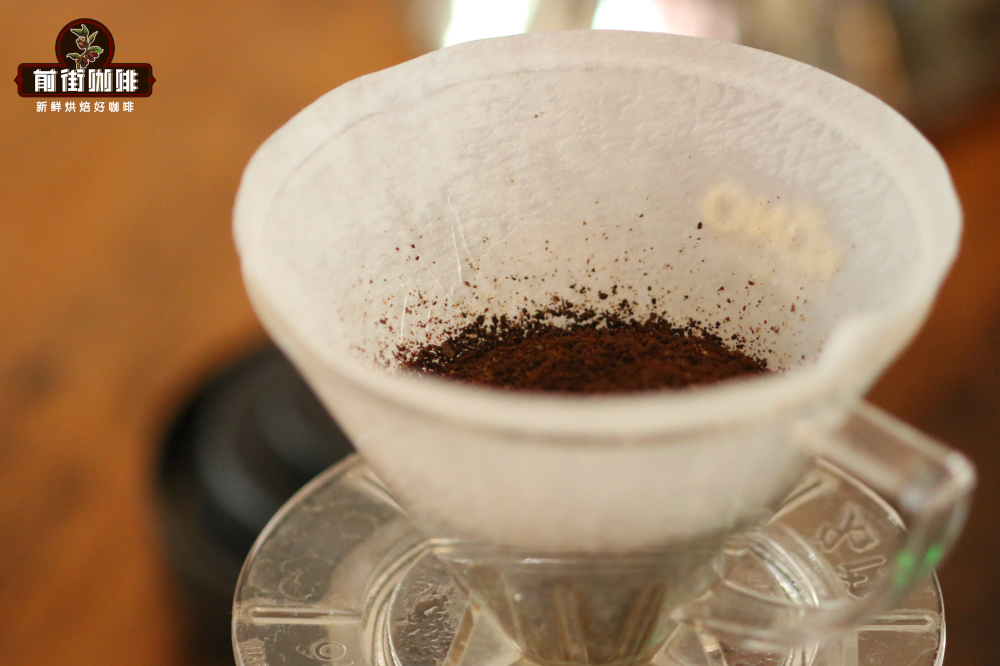
As for grind size, Mandheling should be ground slightly coarser than light-roast beans, because Golden Mandheling is roasted medium-dark, making its structure more porous and quicker to absorb water and release solubles. Ground as fine as a light roast, it easily extracts burnt bitterness; ground too coarse, the coffee turns thin, watery, and tasteless. The target is a grind where 70% passes through a #20 sieve.
For water temperature, FrontStreet Coffee recommends 87–88°C. Much of the burnt bitterness people taste comes from water that is too hot — though water that is too cool will make the coffee flat and flavorless as well.
For the coffee-to-water ratio, FrontStreet Coffee recommends 1:15. Some brewing methods suggest 1:13 or an even smaller ratio for a richer taste, but that approach is partly meant to avoid bitter, unpleasant notes in the final extraction, which in turn affects the aftertaste. FrontStreet Coffee believes that as long as the relationship between water temperature and grind size is well managed, a 1:15 ratio better represents Mandheling's overall flavor profile.
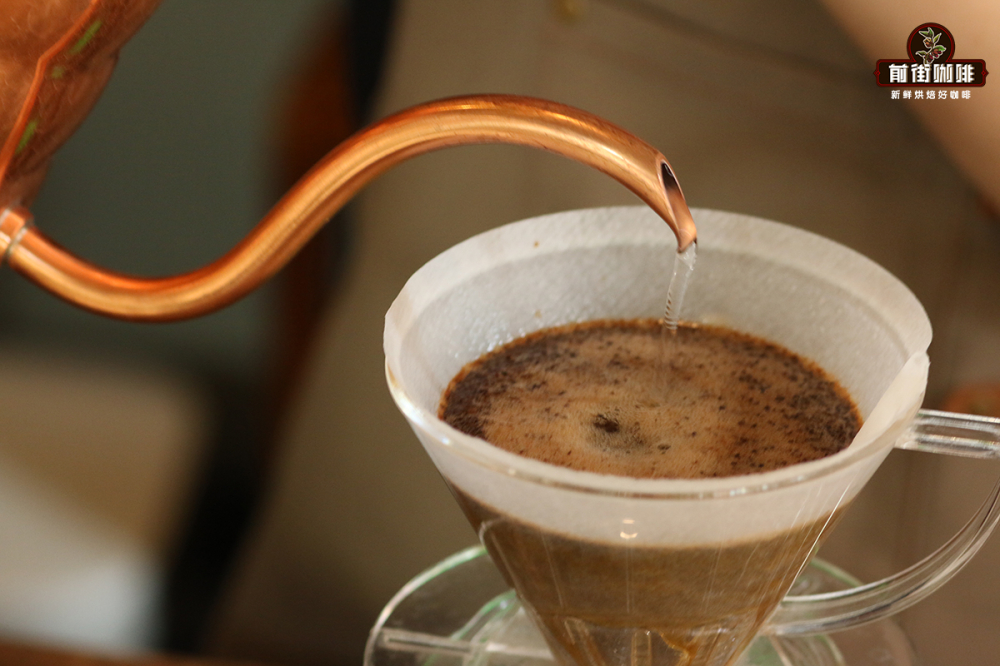
Use the common three-stage pouring method. Dividing the pour into three stages better expresses Mandheling's rich body and caramel sweetness. The water distribution is as follows: first stage, 30 ml for the bloom, thoroughly wetting the grounds for degassing so later stages extract flavor compounds more effectively; second stage, pour 100 ml, which mainly coaxes out Mandheling's golden foam.
Finally, gently pour 95 ml down the center for the last stage, which heightens the coffee's sweetness and delivers an overall cup that is thick and rich, with caramel sweetness and flavors of chocolate and nuts.
FrontStreet Coffee Recommendation
For the Indonesian profile described above, FrontStreet Coffee's Mandheling lineup is the natural choice. The FrontStreet Lintong Mandheling is our entry-level daily bean from the Sumatra Mandheling region, sourced from the mountains near Lake Toba and wet-hulled for that low-acid, full-body character. If you want the higher grade, the FrontStreet PWN Golden Mandheling comes from PWN in Indonesia: beans of 18 mesh and above, fewer than three defective beans per 300-gram green sample to meet the top G1 grade, and three rounds of hand sorting for extra cleanliness and sweetness — an earthy, herbal Mandheling that many coffee lovers can't resist. Both are roasted medium-dark and shine in a pour-over: use 15g of coffee, a Kono or V60 dripper, 87–88°C water, a 1:15 ratio, and a three-stage pour of 30 ml bloom, 100 ml, then a gentle 95 ml center pour to bring out the body, caramel sweetness, and chocolate-nut notes. For espresso, FrontStreet Coffee's Classic Blend adds a medium-dark Mandheling to the creamy nuttiness of Brazilian coffee — butter, roasted chestnut, and caramel come to the fore — while a touch of Robusta rounds out the crema, making lattes and layered Dirty drinks easy. If you'd like to explore Mandheling further, our Lintong Mandheling and PWN Golden Mandheling are also available as whole beans for your own brewing experiments.
Important Notice :
FrontStreet Coffee is a long-established specialty coffee roaster in Guangzhou China, selling freshly roasted beans from its own farm in Yunnan as well as dozens of carefully selected single-origin beans from around the world for both pour-over and espresso. The products deliver consistently excellent quality and great value, with shipping within 24 hours. Guangzhou's FrontStreet Coffee shop is recommended by many coffee lovers, and the beans are now available online at the Tmall 。
FrontStreet Coffee has moved to a new address:
FrontStreet Coffee Address: 315,Donghua East Road,GuangZhou
Tel:020 38364473
 Scan and follow the En Gafei WeChat official account. Please indicate that the reprint comes from "En Gafei".