Ethiopia SNNPR Region | Gesha Village Estate William Boute Special Washed Process Wild Variety, Green Top Gesha
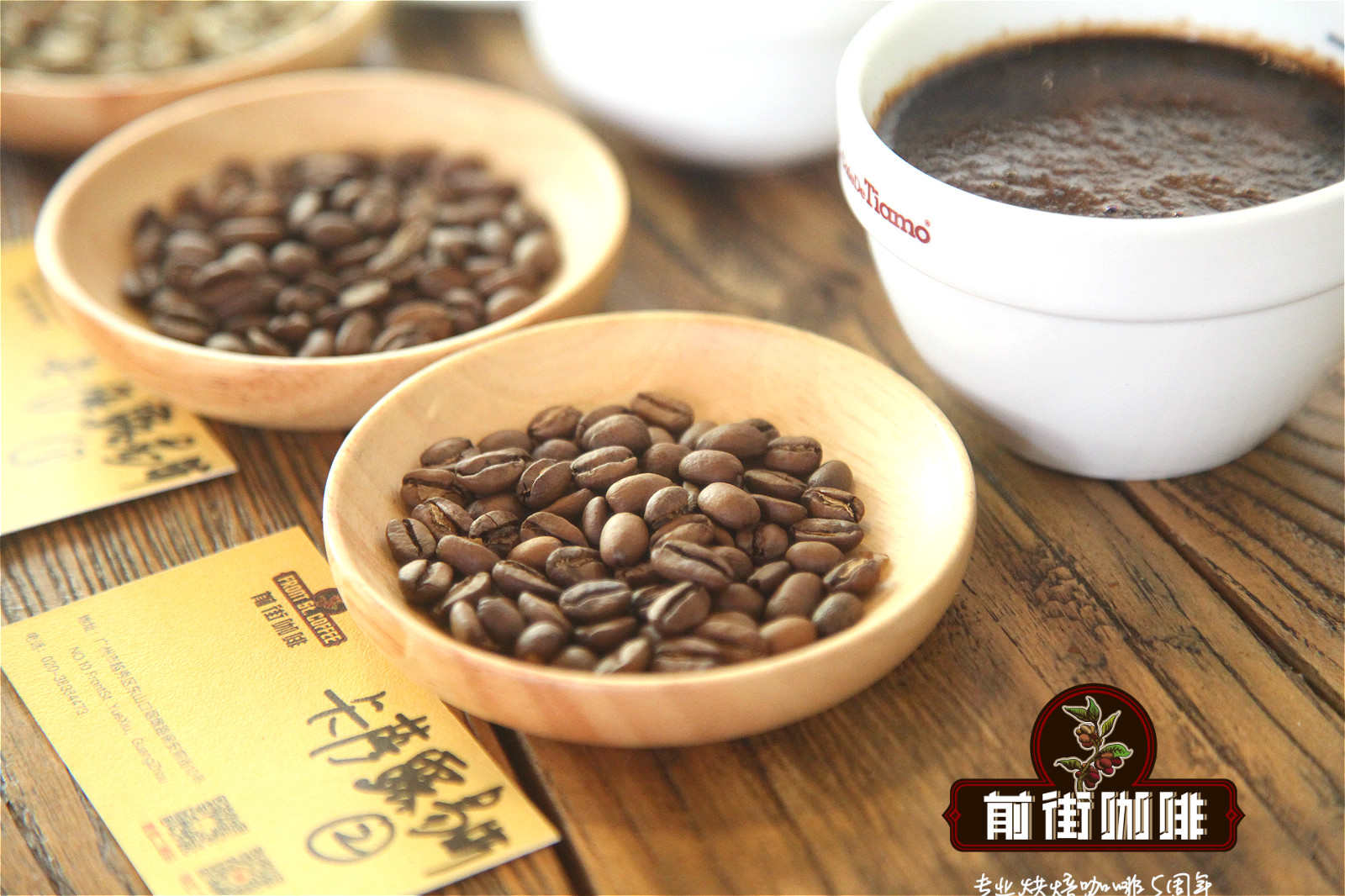
Ethiopia SNNPR Region | Gesha Village Coffee Estate Willem Boot Special Washed Processing: Wild Varietals and Green Tip Gesha Flavor Profiles
Country: Ethiopia
Region: SNNPR Region
Bench Maji Zone
Gori Gesha Forest
Estate: Gesha Village Coffee Estate
Estate Owners: Adam Overton and Rachel Samuel
Altitude: 1,900 – 2,100 meters
Varietals: Gori Gesha Forest, Gesha, 1931 varietal, Illubabor Forest 1974 varietal
Annual Rainfall: Approximately 1,500 - 2,000 mm
Processing Method: Willem Boot Washed (Maceration Washed)
Estate owner Adam Overton is a true-blue American and a documentary filmmaker by trade. His wife, Rachel Samuel, is Ethiopian and works as a photographer. In 2007 the couple was commissioned to travel to Ethiopia to shoot a documentary about coffee. As filming went on and they grew closer to the land and the people, their dream of one day running their own estate began to take shape. Everything changed after they met Willem Boot. Even the estate's location, its varietal choices, and its processing methods all trace back to him. To this day, Willem Boot still leads annual visits and stays at the estate to oversee post-harvest processing. 2016 was only the second harvest season for Gesha Village Coffee Estate.
❖ Gori Gesha Forest Green Tip Washed HQ/G1-10
Green Tip Gori Gesha Forest Wild Varietal [Washed Processing Lot 10]
This lot is made from wild Gesha varietals with green tips, gathered from the Gori Gesha Forest. It is also the fruit of Willem Boot's many deep expeditions into southwestern Ethiopia in search of Gesha's origins, which led him to believe this is the original varietal most closely related to the Panama Gesha everyone knows today. Willem Boot commissioned Dr. Sarada Krishnan of the Denver Botanic Gardens to run a genetic comparison of the two varietals, and the results showed an extremely high degree of genetic similarity and a close relationship.
The Gori Gesha Forest wild varietal washed processing recently scored 95 points at Coffee Review.
❖ Gori Gesha Forest Green Tip Maceration Washed Willem Boot WM1
Green Tip Gori Gesha Forest Wild Varietal [Willem Boot Special Washed Processing Lot]
This lot also uses green-tip wild Gesha varietals from the Gori Gesha Forest, but it is processed a little differently. The batch is extremely limited and follows the modified washed method Willem Boot developed at his Panama farm, Finca La Mula — Maceration Washed. Unlike traditional washed processing, the harvested cherries are not pulped right away; instead they rest overnight before pulping. Maceration Washed draws its inspiration from red wine making and could be translated as skin-contact fermentation. This was the experimental lot Willem Boot handled personally when he visited Gesha Village Coffee Estate in early 2016, and it was the first batch of the season, with a very limited quantity. Next to the washed processing prices at La Mula, it is remarkably affordable.
❖ Gori Gesha Forest Green Tip Natural NHQ G1-8
Green Tip Gori Gesha Forest Wild Varietal [Natural Processing Lot 8]
This lot again uses green-tip wild Gesha varietals from the Gori Gesha Forest, but it is processed naturally. Slightly different from traditional Ethiopian natural processing, and under Willem Boot's expert guidance, Gesha Village Coffee Estate's natural processing follows Panama's natural techniques, with every piece of equipment for the raised African beds imported from Panama.
❖ Ethiopia Geisha Village Coffee Estate Late Harvest Geisha1931 Natural NHQ
Late Harvest Geisha [1931 Varietal Natural Processing Lot 912]
The famous origin behind every legend: the legendary 1931 Geisha varietal. Also grown at Gesha Village Coffee Estate, it ripens more than a month later than other Geisha varietals. Complex, multifaceted flavors — an indescribably magical coffee bean.
FrontStreet Coffee Recommended Brewing:
Dripper: Hario V60
Water Temperature: 90°C
Grind Size: Fuji Royal Rancilio grinder setting 3.5
Brewing Method: Water-to-coffee ratio 1:15, 15g coffee grounds. First infusion with 25g water, let bloom for 25 seconds. Second infusion to 120g water, then stop. Wait until the water level in the coffee bed drops to half, then continue slow pouring until reaching 225g total water. Extraction time approximately 2:00.
Analysis: Using three-stage brewing to clearly distinguish the front, middle, and back-end flavors of the coffee. Because the V60 has many ribs and drains quickly, stopping the water flow can help extend the extraction time.
FrontStreet Coffee Recommendation
If this Gesha Village story has you curious, FrontStreet's Gesha Village Gold Label is the place to begin. It is grown from the Gesha 1931 varietal — the same legendary lineage described above — and makes up roughly 10% of the estate's total production, the finest coffee the village turns out outside of its auction lots. Roasted as a refined natural, it delivers the layered, complex profile that made this varietal famous, and it is a cup that lingers long after the last sip.
For a more everyday route into Ethiopian Gesha, reach for FrontStreet's Gesha Village Red Label. It is the Gori Gesha varietal, about 15% of production, and it scores 88 points or above on the SCA 100-point scale. As a single-terroir series, every lot carries full traceability — farm block, varietal, and processing date — so you can follow the coffee all the way from the forest to your cup.
If you would like to branch out, FrontStreet also offers Grana Gesha, a lovely single-varietal Ethiopian coffee from the Genlana Gesha farm in Yirgacheffe. Ripe cherries are hand-picked and dried on raised beds for 14–20 days depending on the weather. A medium-light roast brings out bright citrus acidity, elegant ginger-lily aromatics, and the full sweetness of ripe fruit, with a delicate, silky body and the refined finish that defines the Gesha family.
Important Notice :
FrontStreet Coffee is a long-established specialty coffee roaster in Guangzhou China, selling freshly roasted beans from its own farm in Yunnan as well as dozens of carefully selected single-origin beans from around the world for both pour-over and espresso. The products deliver consistently excellent quality and great value, with shipping within 24 hours. Guangzhou's FrontStreet Coffee shop is recommended by many coffee lovers, and the beans are now available online at the Tmall 。
FrontStreet Coffee has moved to a new address:
FrontStreet Coffee Address: 315,Donghua East Road,GuangZhou
Tel:020 38364473
 Scan and follow the En Gafei WeChat official account. Please indicate that the reprint comes from "En Gafei".