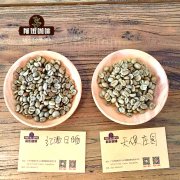
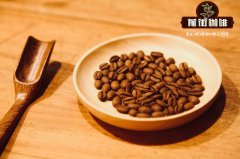
Ethiopia Yirgacheffe Dilla Region | KOKE Coop Washed Local Heirloom
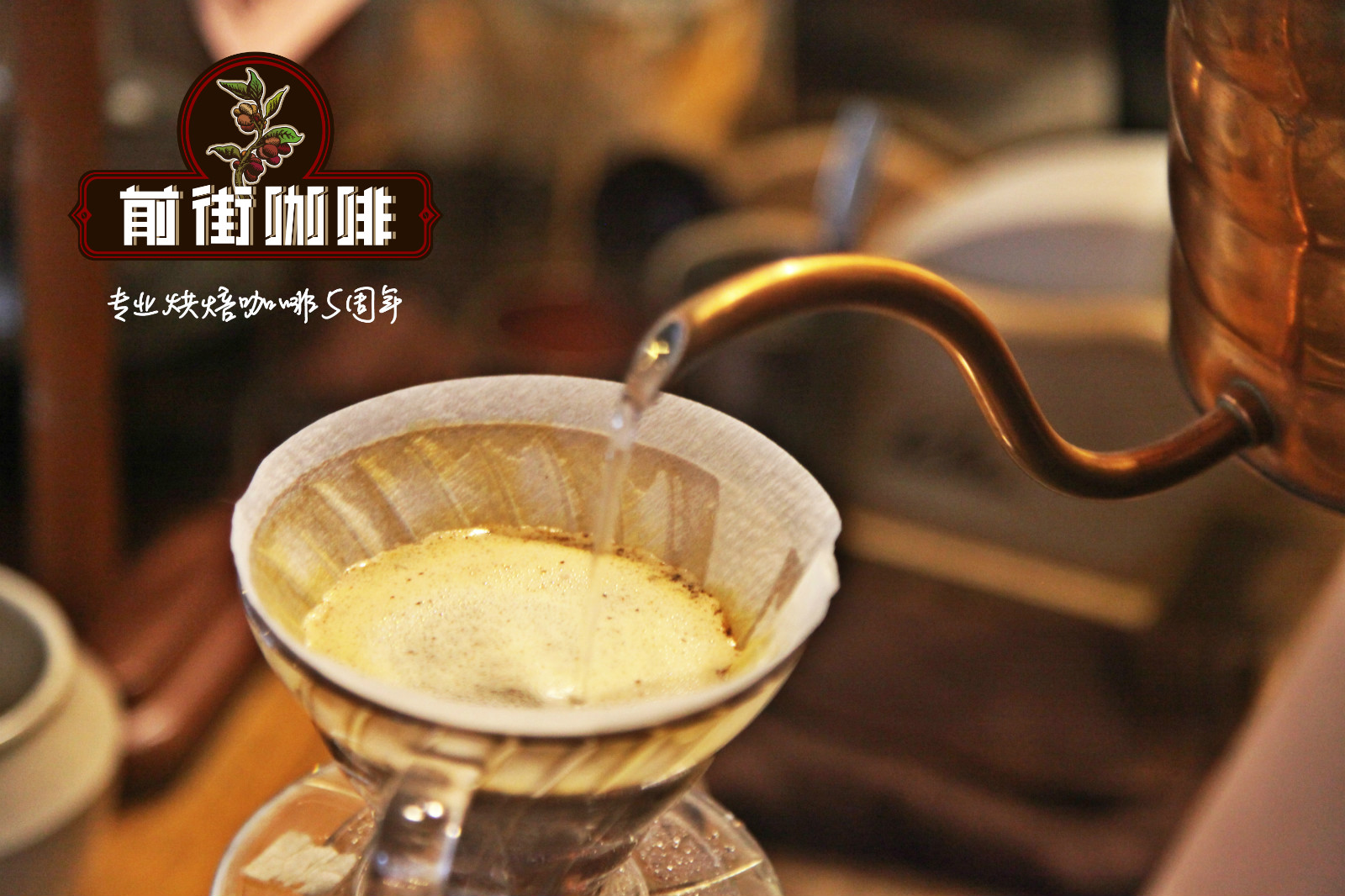
Exploring the Flavors of KOKE Coop Washed Heirloom G2 from Dilla, Yirgacheffe, Ethiopia
In Ethiopia, washed coffee beans are distinguished by the grades G1 and G2 added after their names, with G1 being the higher quality. Once the coffee cherries are harvested, the pulp and fruit skin are removed immediately. The beans are then placed in water to ferment and break down the mucilage layer, a process that takes several hours. This step must be carefully controlled, since even a slight mistake can produce poor-quality flavors. After fermentation, the beans pass through a long water channel of varying heights to thoroughly remove the mucilage layer; defective beans and foreign objects are removed along the way. The beans are then dried on drying beds, which also demands close attention, with stirring every few hours to ensure they dry completely. That is the entire process for washed coffee beans.
The Ethiopia KOKE Cooperative sits on a plateau at an altitude of 2300 meters northwest of Yirgacheffe town. It is part of the Yirgacheffe Coffee Farmers Cooperative Union (YCFCU). Established in 1975, it has roughly 830 members who grow coffee on 4-hectare plots. It is a cooperative designed with coffee competitions in mind, equipped with sufficient production facilities and electricity. It received a high score of 92 points from the renowned coffee evaluation website Johnson Brothers Coffee.
Property Characteristics
Name: KOKE Coop
Region: Located in the Dilla district of the Yirgacheffe central area
Country: Ethiopia
Grade: G2
Altitude: 1750-2300 meters above sea level
Harvest Period: October to February of the following year
Certification: No certification - all coffee is organically grown without toxic substances
Soil Type: pH 5.2-6.2 red brown laterite soil
Certification: Fair Trade Association green procurement
Coffee Characteristics
Variety: Heirloom cultivars - traditional local indigenous varieties of Yirgacheffe
Processing System: Fully washed method
Appearance: 16-18 screen size
Top Jury Descriptions: Cupped at cinnamon roast level (60 seconds after first crack begins)
Aroma/Flavor: Roses, vanilla floral notes, lavender, jasmine tea, hibiscus, honey
Acidity: Citrus, cherry, mint, pomelo
Complexity and Other: Rose perfume-like aroma, multiple floral elements, distinct and delicate layers, balanced non-pungent acidity, clear flavors
Overall Style: Floral aroma, fresh and clean, excellent brightness
FrontStreet Coffee's Recommended Brewing Method
Dripper: Hario V60
Water Temperature: 90°C
Grind Size: Fuji Royal grinder setting 3.5
Brewing Method: Water-to-coffee ratio 1:15, using 15g of coffee grounds. First pour 25g of water for a 25-second bloom. Second pour to 120g, then pause. Wait until the water level in the coffee bed drops to halfway, then continue pouring slowly until reaching 225g total. Extraction time approximately 2:00 minutes.
Analysis: A three-stage brewing method clearly separates the front, middle, and back-end flavors of the coffee. Because the V60 has many ribs and drains quickly, pausing the pour helps extend the extraction time.
FrontStreet Coffee Recommendation
For a washed Ethiopian cup in the same elegant, floral register as this KOKE Cooperative lot, FrontStreet Coffee's Washed Yirgacheffe is the classic starting point. It is known for white jasmine, bright citrus and lemon acidity, and a tea-like body, and its friendly price makes it the first specialty coffee many drinkers ever buy. If you want to explore the smaller Yirgacheffe sub-regions, FrontStreet Coffee's Washed Gotiti Cooperative is an excellent step up: the Gotiti cooperative sits in the Worka area at the southeastern edge of Yirgacheffe and follows a traditional washed process, so the cup keeps that clean, bright citrus and lemon acidity with a jasmine fragrance and no harsh bitterness.
Brew it as a pour-over to let those delicate florals open up. FrontStreet Coffee's standard hand-brew recipe is a V60 with 15g of coffee at a 1:15 ratio and 90-91°C water; grind to about fine table-sugar size (roughly 80% passing a No. 20 sieve). Pour 30g for a 30-second bloom, then add about 95g (about 125g on the scale), finishing that pour around one minute. When the water level drops to two-thirds of the bed, add the remaining 100g (about 225g total), finishing the pour near 1:35, with the drawdown complete by about 2:00-2:10.
Important Notice :
FrontStreet Coffee is a long-established specialty coffee roaster in Guangzhou China, selling freshly roasted beans from its own farm in Yunnan as well as dozens of carefully selected single-origin beans from around the world for both pour-over and espresso. The products deliver consistently excellent quality and great value, with shipping within 24 hours. Guangzhou's FrontStreet Coffee shop is recommended by many coffee lovers, and the beans are now available online at the Tmall 。
FrontStreet Coffee has moved to a new address:
FrontStreet Coffee Address: 315,Donghua East Road,GuangZhou
Tel:020 38364473
 Scan and follow the En Gafei WeChat official account. Please indicate that the reprint comes from "En Gafei".