How Does Brazilian Cerrado Decaf Coffee Bean Pour-Over Taste?_How to Make Pour-Over Decaf Coffee
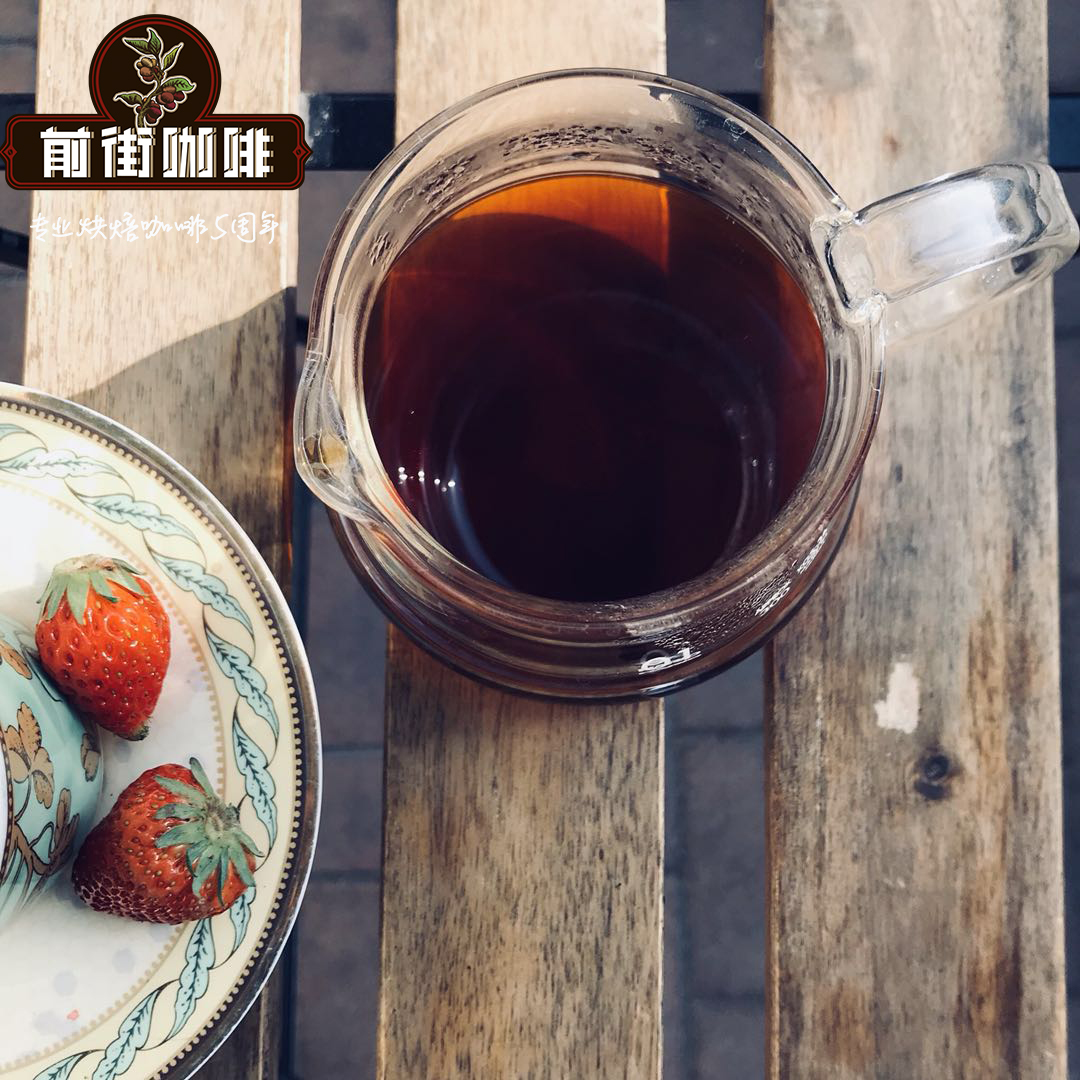
Brazil Cerrado
A Brazilian coffee with an excellent cost-performance ratio, it has been deeply loved by coffee connoisseurs for many years. Especially after the unique "Doctor Penetration" refined roasting, it reveals a refreshing biscuit aroma. In its early years, Brazil Cerrado was often a champion in competitions. In the past, when coffee was often too bitter and astringent, Brazil Cerrado stood out for being neither bitter nor acidic, becoming one of the famous coffees of its day. With the rise of specialty beans later, the quality beans of those days seemed to lack distinctive character. However, years of cultivation experience still give Cerrado certain quality standards. It is a must-try for anyone who wants to taste classic coffee flavors.
Decaffeination Processing Methods
There are generally three types of decaffeination processing methods: 1. Solvent extraction method 2. Swiss water process 3. Carbon dioxide high-pressure extraction method.
Solvent Extraction Method
Coffee beans are first softened, then heated with high-temperature, high-pressure steam to expand the bean surface and increase contact area. Dichloromethane solvent is then poured in to allow the beans to contact the solvent and extract the caffeine. However, dichloromethane is a suspected carcinogen and is harmful to the environment. Taiwan currently prohibits its use in food processing.
Swiss Water Process
Coffee beans are first soaked in warm water. After the caffeine and other components dissolve into the water, activated carbon filters the caffeine from the extract. The caffeine-free extract is then reintroduced to the original beans, allowing them to reabsorb the lost components.
Carbon Dioxide High-Pressure Extraction Method
Large amounts of carbon dioxide (CO2) are produced when coffee beans are roasted. The carbon dioxide is processed under high pressure into a liquid, then poured over the processed beans to remove caffeine. The pressure is then released, allowing the carbon dioxide to convert back to gas and evaporate. This method can retain more of the beans' original flavor, but because it requires special high-pressure equipment, the investment is huge and the method is less common.
FrontStreet Coffee Brewing Parameter Recommendations:
How to Brew Brazil Coffee [Cerrado Decaf] Well?
FrontStreet Coffee's pour-over reference: weigh 15g of [Cerrado Decaf] coffee and grind medium. The ground particles should be slightly coarser than table salt. We use a BG grinder setting of 6A (50% standard sieve pass rate), water temperature 88 degrees C, a Kono/Kalita filter cup for extraction, and recommend a coffee-to-water ratio of about 1:14.
Starting from the center of the filter cup, pour hot water from the kettle in clockwise circles. Start timing when brewing begins. Pour to 30g within 15 seconds, then stop. When the time reaches 1 minute, do the second pour. As before, start from the center of the filter cup and pour in clockwise circles. The water flow should not hit where the coffee meets the filter paper, to avoid channel effects.
Leave a gap when pouring at the outermost ring, then pour back toward the center circle by circle. At 2 minutes 10 seconds, pour to 210g, completing the brew.
Japanese-Style Ice Pour-Over [Cerrado Decaf]
FrontStreet Coffee's ice pour-over [Cerrado Decaf] reference:
Brazil Coffee [Cerrado Decaf], medium-dark roast, BG grinder setting 5R (60% standard sieve pass rate)
20 grams of coffee, 150 grams of ice, 150 grams of hot water. The water temperature should be 1 degree C higher than the normal pour-over recommendation of 88 degrees C. Normal grinding uses the Fuji 3.5 setting, while ice pour-over uses slightly finer - Fuji 3. Recommend a coffee-to-(water + ice) ratio of 1:15.
Bloom with 40 grams of water for 30 seconds.
Segmented pouring: first segment 60 grams of water, second segment 40 grams of water. Use a relatively fine but high water column, pouring forcefully to fully agitate the coffee bed. However, be careful not to let the liquid level rise too high, and avoid hitting the filter paper at the edges.
The entire extraction time is approximately 2.5 minutes (close to the normal extraction time for 20 grams of coffee).
FrontStreet Coffee Recommendation
If you enjoy the smooth, balanced Brazilian character of Cerrado, FrontStreet Coffee's Brazil lineup is worth exploring. The FrontStreet Brazil Cerrado Red Bourbon is a classic single origin from the famous Cerrado region: at a medium roast it shows rich aromas of cream, peanut, toast, caramel, and hazelnut, with a round, non-acidic body and only a light bitterness - suitable for pour-over as well as moka pot, espresso SOE, siphon, and French press.
The FrontStreet Brazil Queen Estate Yellow Bourbon, grown in Mogiana on fertile red volcanic soil, is a rarer mutation of Red Bourbon with a cleaner fruit character. Brewed by pour-over, moka pot, or home espresso machine, it reveals a sugarcane sweetness no other origin can match, along with fruit and chocolate notes. Thanks to their low acidity, balance, and friendly prices, Brazilian beans like these are also the backbone of FrontStreet Coffee's espresso blends - including the crema-rich Classic Blend, the nutty Signature Blend, and the well-balanced Black Cocoa Blend - providing chocolate and cream aromas with a gentle sweet-sour-bitter balance that keeps extraction stable.
Important Notice :
FrontStreet Coffee is a long-established specialty coffee roaster in Guangzhou China, selling freshly roasted beans from its own farm in Yunnan as well as dozens of carefully selected single-origin beans from around the world for both pour-over and espresso. The products deliver consistently excellent quality and great value, with shipping within 24 hours. Guangzhou's FrontStreet Coffee shop is recommended by many coffee lovers, and the beans are now available online at the Tmall 。
FrontStreet Coffee has moved to a new address:
FrontStreet Coffee Address: 315,Donghua East Road,GuangZhou
Tel:020 38364473
 Scan and follow the En Gafei WeChat official account. Please indicate that the reprint comes from "En Gafei".