How to Brew and Enjoy Colombian Gem Estate Geisha Pour-Over Coffee
Nariño Region: Colombia's Coffee Paradise
The Nariño region lies in the Andes of southeastern Colombia, bordering Ecuador. Its natural geography splits it into three distinct terrains: the plains along the Pacific coast, the Amazon basin, and the Andean highlands. Sitting almost on the equator at latitude 0°, Nariño receives nearly the same amount of sunlight every day of the year, averaging close to two thousand hours of sunshine annually.
At the same time, its geography, its average temperature suited to coffee, the steady swing between morning and evening temperatures, its annual rainfall, and its soil rich in organic matter all let the coffee trees in Nariño thrive at high altitude, which has a marked effect on the coffee's flavor and aroma.
Colombia's Coffee Growing Regions
For the past few decades, Colombia's main coffee plantations have been concentrated in the Andes, across Antioquia, Boyacá, Caldas, Cauca, Cesar, Caquetá, Casanare, Cundinamarca, Guajira, Huila, Magdalena, Meta, Nariño, Norte de Santander, Quindío, Risaralda, Santander, Tolima, and Valle del Cauca. All of these places offer the weather and soil for dense cultivation. Varieties like Arábica SP and Catimor are common, grown not only for high-quality flavor beans but also because the warm regions suit Canephora well (as seen in Venezuela, Brazil, and Costa Rica). These areas were long conflict zones for FARC and other guerrilla groups. With the prospect of peace, Colombia has a chance to focus more on Canephora varieties, particularly in response to climate change.
How to Brew Colombia's Jade Estate Geisha Coffee
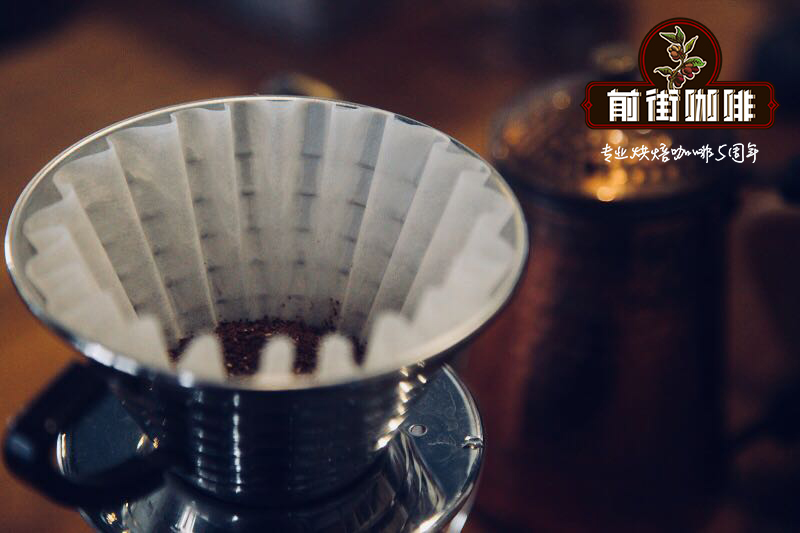
FrontStreet Coffee's pour-over recommendation: weigh 15g of Jade Estate Geisha coffee, then grind it medium, with particles slightly coarser than table salt. FrontStreet uses a BG grinder setting 5R (60% pass-through rate on a standard sieve), a water temperature of 89°C, a V60 dripper, and a recommended coffee-to-water ratio of about 1:15.
Pour hot water from the kettle in clockwise circles centered on the middle of the dripper. Start timing when the pour begins. Within 15 seconds, brew to 30g, then stop pouring. At 1 minute, pour the second stage. As before, pour in clockwise circles centered on the middle of the dripper, and avoid pouring onto the area where the coffee bed meets the filter paper, which would cause channeling.
Leave a ring around the outermost edge of the bed, then keep circling back toward the center. By 2 minutes and 20 seconds, the brew should reach 220g, completing the extraction.
Japanese-style Iced Pour-over: Jade Estate Geisha
FrontStreet Coffee's iced pour-over recommendation for Jade Estate Geisha:
Colombian Jade Estate Geisha, light-to-medium roast, BG grinder setting 5M (67% pass-through rate on a standard sieve).
20g of coffee, 150g of ice cubes, 150g of hot water. The water temperature should be 1°C higher than the normal pour-over recommendation of 90°C. Normal grinding uses the small Fuji 3.5 setting, while iced pour-over uses a slightly finer setting, small Fuji 3. Recommended coffee-to-(water plus ice) ratio of 1:15.
Bloom water amount: 40g, bloom time: 30 seconds.
Segmented pouring: first segment 60g of water, second segment 40g of water. Use a thin but high water column and stir firmly to make sure the bed rolls completely, while being careful not to let the liquid level get too high or to hit the filter paper at the edges.
The entire extraction takes about 2.5 minutes, similar to the normal extraction time for 20g of coffee.
FrontStreet Coffee Recommendation
Geisha is a variety worth understanding before you buy, because grade and origin change both the price and the cup. At the top sits the Panama Emerald Estate Red Label Geisha, cupped above 90 points per lot and released as single-parcel batches, such as the Halimiyo lot, so buyers can pick according to small flavor differences. The Emerald Estate Green Label Geisha blends several parcels to capture the estate's signature high-altitude profile, and it is the more affordable choice.
For a gentler introduction, the FrontStreet Panama Boquete Geisha shows the classic orange-blossom honey character, an oolong-tea smoothness, delicate fruit acidity, and clearly separated layers at an accessible price. From Ethiopia, the birthplace of the variety, the FrontStreet Grana Estate Geisha is a rare single-variety farm lot from the Kochore and Grana Abaya border, hand-picked and dried on raised beds for 14-20 days; lightly to medium roasted, it pours a bright citrus acidity, elegant ginger-flower aroma, and ripe-fruit sweetness with a fine, smooth body.
Geisha is a light-to-medium roast, floral-and-fruit style bean with a dense structure that can sink and clog the dripper, so FrontStreet grinds to a 78% pass-through rate on a China standard #20 sieve, roughly fine sugar, and brews at 91°C. For pour-over, use 15 g of coffee in a small Hario V60 with a 1:16 ratio: bloom to 30 g for 30 seconds, pour the second stage in small circles to 125 g, wait for the bed to drop halfway, then continue to 225 g, for a total of about 2 minutes 10 seconds to 2 minutes 20 seconds. Geisha also makes an excellent SOE; FrontStreet's Grana Estate Geisha SOE is medium roasted and pulls as dried apricot, caramel, and nuts, and works over ice with water for an Americano or with milk for a latte.
Important Notice :
FrontStreet Coffee is a long-established specialty coffee roaster in Guangzhou China, selling freshly roasted beans from its own farm in Yunnan as well as dozens of carefully selected single-origin beans from around the world for both pour-over and espresso. The products deliver consistently excellent quality and great value, with shipping within 24 hours. Guangzhou's FrontStreet Coffee shop is recommended by many coffee lovers, and the beans are now available online at the Tmall 。
FrontStreet Coffee has moved to a new address:
FrontStreet Coffee Address: 315,Donghua East Road,GuangZhou
Tel:020 38364473
 Scan and follow the En Gafei WeChat official account. Please indicate that the reprint comes from "En Gafei".