How to Brew Colombian Maria Washed Caturra Pour-Over Coffee_How to Drink Maria Coffee
Berlin POPULUS Colombia Maria Washed Caturra
Flavor: ripe cherries, berries, saturated sweetness, elegant, clean
Farm: Los Angeles
Producers: Maria Bercelia Martinez and Jose Vianey Erazo
Varieties: Caturra, Colombia F.6
Processing: washed
Region: Acevedo, Huila
Altitude: 1770 meters
We are delighted to bring Maria Bercelia's coffee back to the menu. It grows on her Los Angeles farm in Acevedo, a municipality in the southeastern corner of Colombia's Huila department.
Acevedo's climate varies widely in humidity, temperature, and rainfall, creating a range of distinct — but consistently ideal — coffee-growing conditions. The variety of cup profiles coming out of Acevedo reflects that microclimatic diversity, and the flavors are genuinely interesting: exceptionally sweet and complex.
Higher-altitude coffee is typically denser, with higher perceived acidity in the cup — partly a result of increased UV radiation, and partly of the larger day-night temperature swings at elevation. Cool nights slow cherry maturation, giving the beans more time to accumulate sweetness and flavor complexity.
How to Brew Colombian Coffee [Maria Washed Caturra]
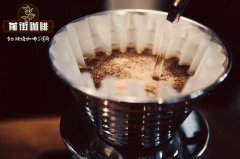
FrontStreet Coffee pour-over reference: weigh out 15g of [Maria Washed Caturra] and grind to medium — slightly coarser than table salt. We use the BG grinder at setting 5R (60% standard sieve pass rate), water at 89°C, and a V60 dripper, at a coffee-to-water ratio of about 1:15.
Pour from the kettle in clockwise circles centered on the middle of the bed, starting your timer as you begin. Within the first 15 seconds bring the brew to 30g, then stop. At 1 minute, start the second pour — again clockwise from the center, avoiding the seam where grounds meet filter paper to prevent channeling.
Leave one ring of clearance at the outermost edge, then spiral back toward the center. At 2 minutes 20 seconds the brew should reach 220g, and the brew is complete.
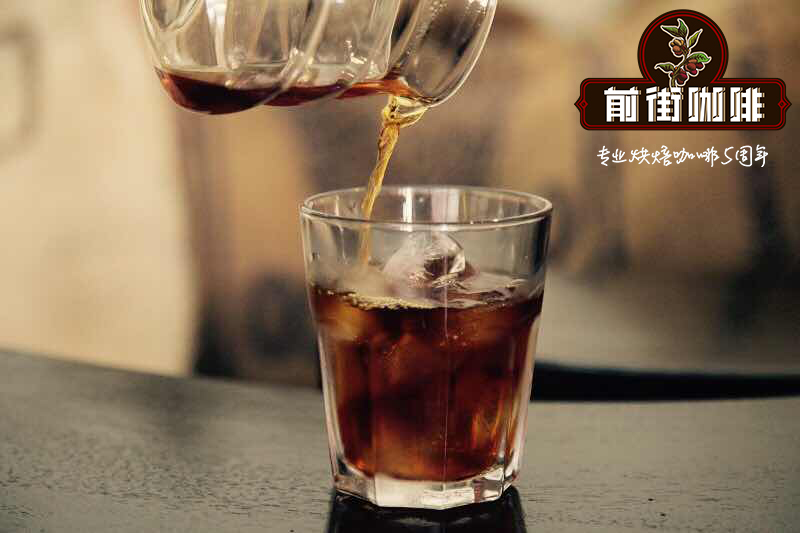
Japanese-Style Iced Pour-Over [Maria Washed Caturra]
FrontStreet Coffee iced pour-over reference:
Colombian coffee [Maria Washed Caturra], light-medium roast, BG grinder setting 5M (67% standard sieve pass rate).
20g of coffee, 150g of ice, 150g of hot water at 90°C — 1°C above the normal pour-over recommendation of 89°C. Grind slightly finer than for hot brewing: Fuji setting 3.0 instead of 3.5. Coffee-to-(water+ice) ratio 1:15.
Bloom with 40g of water for 30 seconds.
Pour in two segments — 60g, then 40g — using a fine but tall water column to agitate the bed thoroughly so the grounds roll. Keep the liquid level from rising too high, and keep the stream off the filter paper at the edge.
Total extraction time should be about 2.5 minutes — similar to a normal hot brew with 20g of coffee.
FrontStreet Coffee Recommendation
To explore more of what Huila — the department Maria's farm calls home — can do, try FrontStreet Coffee's washed Huila beans. Huila, in the southern reaches of Colombia's central cordillera, is the country's most famous specialty region: rolling hill country above 1500 meters, where Colombia's most important rivers converge to supply abundant water and moisture. Our washed Huila is roasted medium-dark to foreground black chocolate and nutty sweetness, with moderate oils and a full body — as good through a French press, moka pot, or espresso machine as it is as a pour-over, and it pulls a lovely Americano or latte.
Important Notice :
FrontStreet Coffee is a long-established specialty coffee roaster in Guangzhou China, selling freshly roasted beans from its own farm in Yunnan as well as dozens of carefully selected single-origin beans from around the world for both pour-over and espresso. The products deliver consistently excellent quality and great value, with shipping within 24 hours. Guangzhou's FrontStreet Coffee shop is recommended by many coffee lovers, and the beans are now available online at the Tmall 。
FrontStreet Coffee has moved to a new address:
FrontStreet Coffee Address: 315,Donghua East Road,GuangZhou
Tel:020 38364473
 Scan and follow the En Gafei WeChat official account. Please indicate that the reprint comes from "En Gafei".