Guji Zone, Ethiopia | Natural Process Dasaya (Purple Wind Chime) G1 Local Heirloom Varieties
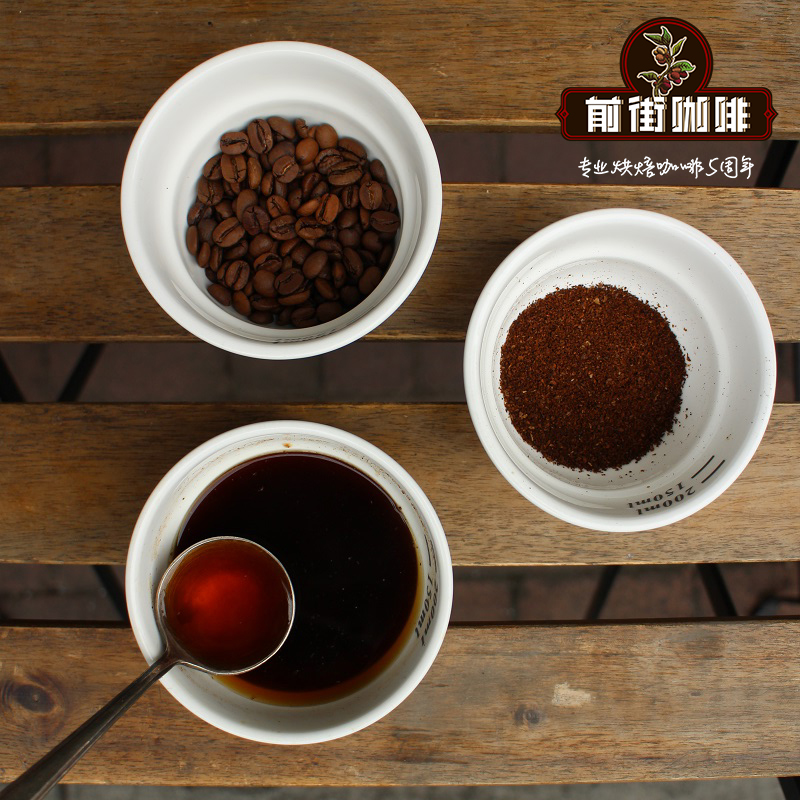
Ethiopia Guji Zone | Natural Process Dasaya (Purple Wind Chime) Local Heirloom Flavor Profile
"Dasaya" in the local language is Dawala Samayawi — purple wind chime! True to its name, the coffee keeps conjuring purple and blue fruits as you drink: pink-purple sweetness on every sip, the juicy richness of blueberries and grapes, intoxicating violet florals, and a faintly lavender-cool finish that, like the clear ring of a wind chime, adds a refreshing sparkle to this passionately fruity natural-process coffee.
Regional Information
Ethiopia's administrative hierarchy runs through four levels — Region, Zone, woreda, and kebele — and most coffee names follow it. Guji-Shakisso, today's subject, sits southeast of the famous Yirgacheffe region: Oromia Region → Guji Zone → Shakisso woreda. That is the bean's regional provenance.
Just as Yirgacheffe was carved out as an independent producing region once its fame outgrew Sidamo, Guji was established as an independent region by the ECX in 2010 on the strength of its geography and cup profile. Shakisso (sometimes spelled Shakiso) is the most closely watched micro-region within Guji, directly southeast of Yirgacheffe with an average altitude above 1,800 meters. Fertile black Vertisol soil and wide day-night temperature swings supply ideal terroir. Production comes almost entirely from individual smallholder farmers, who pick fully ripe red cherries from nearby trees and deliver them to washing stations, where they dry on well-ventilated African raised beds with careful control of temperature and fermentation. After processing and resting, moisture is brought to 11.5%–12%, and export runs through the ECX (Ethiopia Commodity Exchange) bidding system, where local exporters and international buyers compete for the lots they want.
Yirgacheffe has dominated Ethiopian headlines in recent years. Guji-Shakisso is less famous — but after Yirgacheffe prices soared around 2015, international specialty buyers fanned out into neighboring regions such as Sidamo, Limu, and Jimma, turning up promising areas and producers. Limu Gera and Jimma Agaro Yukro, both excellent specialty beans, were among the finds.
Guji-Shakisso coffee has a genuinely distinctive character that keeps earning market attention. Ninety Plus's legendary Nekisse, launched in late 2009, originally meant "nectar from Shakisso" — both the origin and the name come from the region. Derar Ela, another Shakisso coffee, by Level Up, earned high praise from Taiwanese professionals and an excellent 95-point score in Coffee Review's April 2014 evaluation.
Coffee Details
Country: Ethiopia
Region: Oromia Region
Zone: Guji Zone
Woreda: Shakisso Woreda
Altitude: 1,900–2,100 meters
Variety: Ethiopian Heirloom
Annual Rainfall: Approximately 1,500–2,000 mm
Processing Method: African raised-bed natural process
Cupping Notes
The dry aroma is intense — berries and wine. The first sip brings powerful strawberry and blueberry over violet florals; passion fruit, peach, and grape juice follow in the middle and late stages; and the finish carries a lavender-like coolness, with a dense, silky mouthfeel and full, juicy flavors. Highly recommended.
Recommended Brewing Method
Dripper: Hario V60
Water Temperature: 90°C
Grind Size: Fuji Royal grinder setting 3.5
Brewing Method: 1:15 ratio with 15 g of coffee. First pour 25 g for a 25-second bloom. Second pour to 120 g, then pause. When the water level in the bed drops to half, continue pouring slowly to 225 g total. Extraction time approximately 2:00.
Why It's Brewed This Way
The three-stage pour separates the coffee's front, middle, and back flavors cleanly. Because the V60's many ribs drain quickly, the mid-brew pause stretches the contact time just enough.
FrontStreet Coffee Recommendation
The Oldest Process, the Boldest Fruit
The natural method is coffee's oldest processing tradition and still its most widespread: ripe cherries dry whole in the sun until the moisture target is hit, then go to the huller. Because the fruit dries intact around the bean, naturals show extra body and rich, mature fruit tones — exactly what makes Dasaya's strawberry-blueberry profile so vivid. The method demands uninterrupted sunny weather; a full drying run typically takes 27–30 days of turning on raised beds, kept off the ground away from insects, dust, and bacteria.
Naturals to Try Next
For another natural with pedigree, FrontStreet Coffee's Yirgacheffe Red Cherry takes only fully ripe, whole red cherries, medium-light roasted to keep its elegant florals and bright acidity alongside pronounced tropical fruit, a full fermented feel, and generous sweetness. The Huakui natural, grown at extreme altitude in Sidamo's superb conditions, runs more intricate still — light fermentation, florals, citrus, and mango over honeyed sweetness, cocoa, and a hint of spice, with a thick body and long finish. And for a new-world contrast, the 2013 natural Yunnan Typica from FrontStreet Coffee's own estate shows how the same method plays outside Africa: balanced sweet-sour structure, berry-like acidity with apricot and brown-sugar tones, a touch of tea, and slightly more sweetness than its washed counterpart.
Important Notice :
FrontStreet Coffee is a long-established specialty coffee roaster in Guangzhou China, selling freshly roasted beans from its own farm in Yunnan as well as dozens of carefully selected single-origin beans from around the world for both pour-over and espresso. The products deliver consistently excellent quality and great value, with shipping within 24 hours. Guangzhou's FrontStreet Coffee shop is recommended by many coffee lovers, and the beans are now available online at the Tmall 。
FrontStreet Coffee has moved to a new address:
FrontStreet Coffee Address: 315,Donghua East Road,GuangZhou
Tel:020 38364473
 Scan and follow the En Gafei WeChat official account. Please indicate that the reprint comes from "En Gafei".