Kenya Aberdare Region | Murang'a Town Kahindu Kasiondo Estate AA Grade Washed SL28/SL34
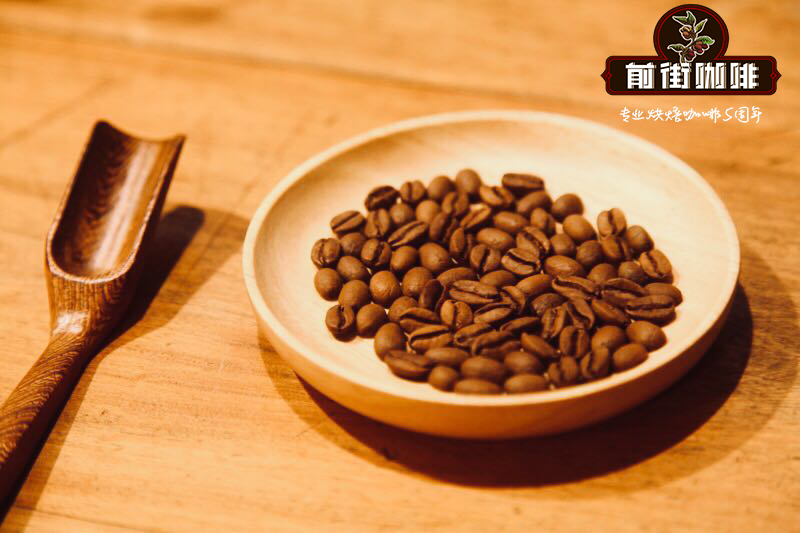
Kenya Aberdare Region | Murang'a Town Kahindu Kasiondo Estate AA Grade Washed SL28/SL34 Flavor Profile
No country in the world puts as much emphasis on producing high-quality coffee as Kenya does. That makes Kenya the model student among the world's coffee-producing nations: after harvest, every lot must be handed over to the government-established Kenya Coffee Board for unified procurement and cupping grading. Every Tuesday, public auctions are held at the Nairobi Coffee Exchange in the capital.
Kachondo (Kahindu) Estate sits in Murang'a Town, 80 kilometers north of Nairobi, close to the Nakuru production area and within the centralized coffee-growing zone of the Kenya Mountains. The harvested cherries are depulped, then given a two-stage washed fermentation, and finally washed with clean water to remove the surface mucilage before drying on raised beds. This process is also known as the "Kenyan washed method," a complex yet delicate green-bean technique local to the region. To let the beans develop fully throughout the wash, producers extend the fermentation time and the drying period, drawing out flavors that set the coffee apart from traditional Kenyan lots.
Kenya has long enjoyed an excellent reputation for quality, and its geography is likely part of the reason: it lies close to the origin of coffee itself. After coffee traveled from Ethiopia through the mountain ranges into Kenya, the country quickly became a leader in the industry. Beans grown at high altitude generally have a mellow consistency, outstanding flavor, and pleasant acidity. The aroma often reveals floral notes, with aftertastes that carry both lemon-berry and wine-like qualities.
Kenya Coffee Grades
Kenyan coffee follows a unique domestic grading system based on bean size, weight, and shape. The grades are generally AA, AB, PB, C, E, TT, and T. Bean size is an important criterion, because larger beans indicate more aroma and richer flavor — both qualities coffee drinkers value. Given two beans that are identical except for size, the larger one will always be the higher quality.
If you are looking for a rich African coffee, Kenyan beans will exceed your expectations.
Kenya Coffee Quality
Kenyan Arabica grows in volcanic soil at altitudes between 1,400 and 2,000 meters. That high altitude produces outstanding flavor with higher acidity. The taste is rich, with wine-like aftertastes and notes of citrus and berries.
Fierce competition among farmers is another factor behind the quality. Every week in Nairobi, public coffee auctions are held. At these lively events, farmers with high-quality beans earn substantial profits, which repeatedly pushes the industry forward. Even international buyers make the trip to Nairobi to purchase, then distribute the coffee to sales points around the world.
Since coffee was introduced in 1893, Kenya's production history now spans more than a century. Coffee-growing areas cover a total of 160,000 hectares, one third of the country's total planted area.
Today, domestic production fluctuates with climatic and socioeconomic factors. Annual output stands at approximately one million bags, with two harvest periods: one at the start of the rainy season in March–April, and another in October.
The growing environment for Kenya AA extends up to 6,600 square feet, making it one of the world's highest-quality coffees. Growing at altitude means slower maturation, and under these conditions the beans absorb more nutrients, giving flavor more time to develop and grow richer. As Kenya's highest grade, all AA coffee is made from the most impeccable Arabica beans. After the cherry skin is removed, farmers soak the beans in water tanks, during which the beans' own enzymes naturally break down residual material. When the beans are sun-dried, the skin comes away easily. After milling, the beans are measured for size and then graded.
Excellent beans still need a good roast to show their character, and for Kenya AA that means bringing out its rich, intense citrus and berry flavors. People drink Kenya AA simply because they are drawn to that profile, which has almost no bitterness. The best AA beans are usually medium-roasted; over-roasting wipes out their distinctive qualities. Kenya AA is the largest bean produced domestically, and the brewed cup always combines fruit and floral aromas. Finally, as with all single-origin coffees, freshness matters regardless of roast level. Avoid products that have been sitting in a distribution warehouse for months.
Product Details
Product Name: Kenya Kachondo
Region: Mt. Kenya, Aberdare
Processing Method: Washed
Altitude: 1400–1700 meters
Flavor Description: Subtle floral notes of black plum, white grape, and grapefruit undertones
FrontStreet Coffee Recommended Brewing
Dripper: Hario V60
Water Temperature: 90°C
Grind Size: Fuji Royal grinder setting 3.5
Brewing Method: Water-to-coffee ratio 1:15, with 15g of grounds. First pour 25g of water and bloom for 25 seconds. Second pour up to 120g, then stop. Wait until the water level in the coffee bed drops by half, then continue a slow pour until you reach 225g in total. Extraction time is around 2:00.
Analysis: The three-stage method clearly separates the front, middle, and back-end flavors of the coffee. Because the V60 has many ribs and drains quickly, pausing the pour helps extend the extraction time.
FrontStreet Coffee Recommendation
Kenya and Ethiopia share the same East African brightness, so if this Kachondo's lemon-berry acidity and floral aroma appeal to you, the FrontStreet Gedingding Cooperative is an easy next step. It comes from the Worka region at the southeastern edge of Yirgacheffe and, because the fruit is stripped before drying, its inherent aromatics come through with exceptional clarity: citrus and lemon tones with elegant white florals, bright yet fine on the whole.
For something closer to the tea-like, floral end of the spectrum, try the FrontStreet Kafa Forest. Unlike the usual garden-plot model, Kafa Forest is best known for wild coffee, with trees growing between 1,400 and 2,100 meters in shade. Given medium-light roasting, the ground coffee shows clear white florals, bright lemon acidity on the palate, orange and bergamot flavors, and a finish with faint melon, nut, and green-tea notes.
Important Notice :
FrontStreet Coffee is a long-established specialty coffee roaster in Guangzhou China, selling freshly roasted beans from its own farm in Yunnan as well as dozens of carefully selected single-origin beans from around the world for both pour-over and espresso. The products deliver consistently excellent quality and great value, with shipping within 24 hours. Guangzhou's FrontStreet Coffee shop is recommended by many coffee lovers, and the beans are now available online at the Tmall 。
FrontStreet Coffee has moved to a new address:
FrontStreet Coffee Address: 315,Donghua East Road,GuangZhou
Tel:020 38364473
 Scan and follow the En Gafei WeChat official account. Please indicate that the reprint comes from "En Gafei".