How to Brew Guatemala San Jose Estate Black Cherry Natural Process Coffee_San Jose Estate Coffee Recommendation
San Jose Estate: Guatemala's Premier High-Altitude Coffee
Perched near the summit above Antigua, Guatemala, San Jose Estate sits at an altitude approaching 1,900 meters, firmly highland territory. When coffee buyers arrive at the farm, the first thing they notice is the distinctively cool Guatemalan air; they pull up their collars before they even begin to talk coffee.
Because the estate occupies the highest point around Antigua, the climate runs cold. Coffee grown here develops a more robust character: cool growing conditions of this kind typically produce deeper flavors and a richer, heavier body.
San Jose Estate primarily cultivates Bourbon, a heritage Arabica variety with outstanding inherent sweetness. Through the black cherry natural process, that sweetness and a complex array of fruit notes are locked into each bean. The black cherry method means the cherries are harvested when they have turned fiery red, nearly purple, and then laid out to dry in the sun without washing. African raised beds are deliberately not used: at San Jose's extreme altitude and in its cold weather, drying the cherries directly on the ground lets them absorb heat from the earth during the day, which drives a more even fermentation. The result goes beyond the typical fruit and wine notes found in natural coffees from lower altitudes, adding the sweet cocoa character that comes from such a solid high-altitude growing environment. The cup is exceptionally layered, one to be sipped slowly.
Most Guatemalan coffee grown at high altitude is not suited to natural processing, but San Jose Estate's professional handling shows a more versatile side of Guatemalan naturals. The estate is a frequent winner of top honors in the Cup of Excellence (COE) competition and has taken the overall championship among Guatemala's single-origin regions. For lovers of Guatemalan coffee, it is an indispensable Antigua natural.
Coffee from this estate has long been regarded as prestigious Antigua coffee: fuller beans, a stronger smoky aroma, and more complex aromatics than most. The fragrance alone is a pleasure before you ever take a sip. The body is rich and velvety, the aromatics intense and lively, the acidity refined. When that inviting aroma lingers on your palate, there is an almost indescribable depth to it. The first sip may seem unremarkable, but as the cup cools you discover its subtle sweetness and are surprised by how deep it runs. Thanks to this distinctive charcoal-roasted character, Antigua coffee is also known as "cigarette coffee."
How to Brew Guatemala Coffee: Antigua San Jose Estate
FrontStreet Coffee Pour-Over Reference:
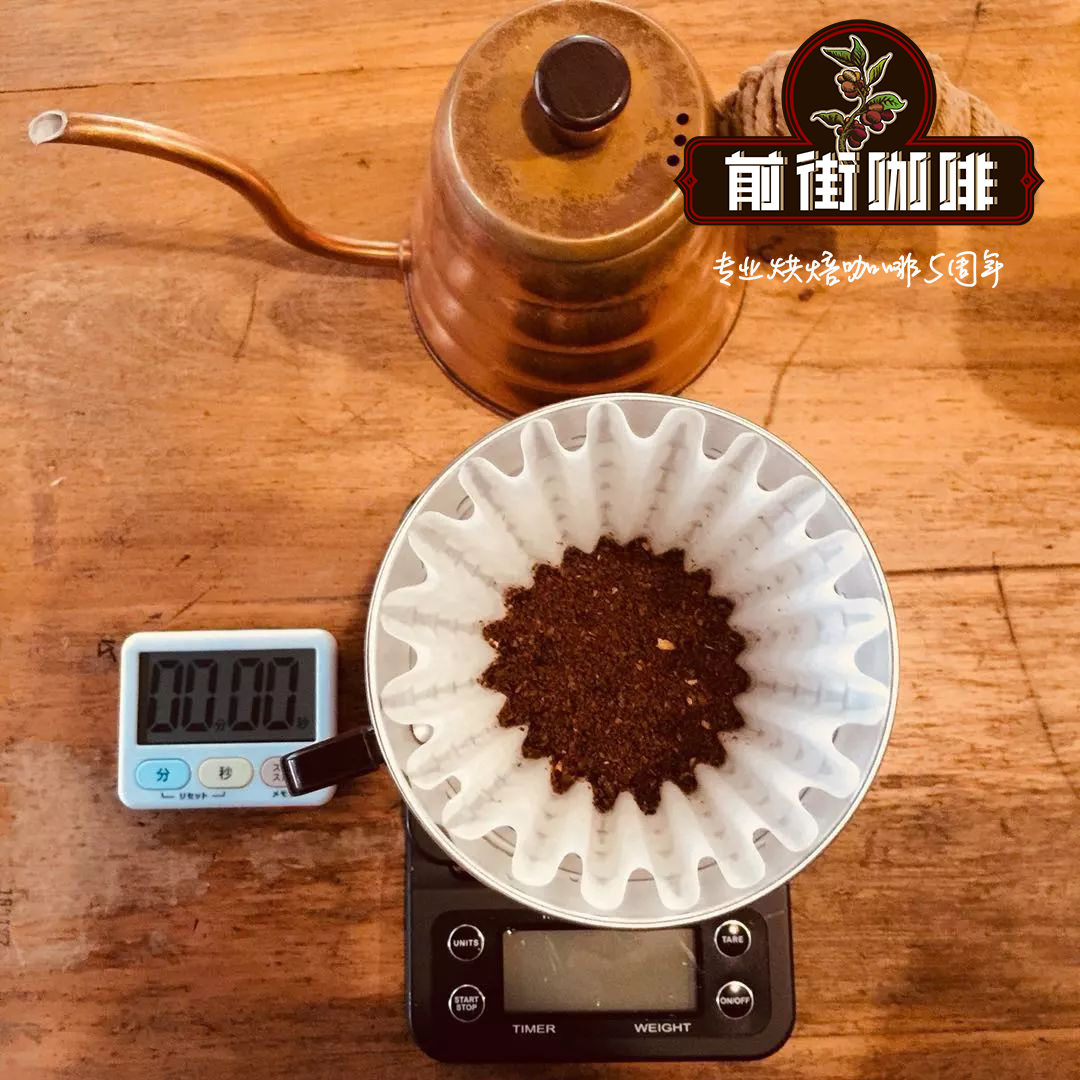
Measure 15g of Antigua San Jose Estate coffee and grind it medium; the particles should be slightly coarser than table salt. We use the BG grinder at setting 5R (60% standard sieve pass rate), water at 89°C, and a V60 dripper for extraction.
Pour hot water from the kettle in clockwise circles centered on the middle of the bed. Start timing as the pour begins: reach 30g within 15 seconds, then stop. When the timer hits 1 minute, start the second pour, again clockwise circles around the center. Avoid pouring directly where the coffee grounds meet the filter paper to prevent channeling.
When pouring, leave a ring at the outermost edge and work circle by circle toward the center. At 2 minutes 20 seconds the coffee should reach 220g, finishing the brew.
Japanese-Style Iced Pour-Over: Antigua San Jose Estate
FrontStreet Coffee Iced Pour-Over Reference:
Coffee: Guatemala Antigua San Jose Estate, light-medium roast, BG grinder setting 5M (67% standard sieve pass rate).
Use 20g of coffee, 150g of ice, and 150g of hot water. The water should be 1°C hotter than the standard pour-over recommendation of 90°C. Grind slightly finer than for a hot brew: Fuji setting 3 instead of the usual 3.5.
Bloom with 40g of water for 30 seconds.
Pour in segments: 60g in the first, 40g in the second. Use a fine but tall water stream to agitate the bed firmly so the grounds roll throughly, but take care not to let the water level rise too high or touch the filter paper at the edges.
Total extraction time is about 2.5 minutes, comparable to a normal hot extraction for 20g of coffee.
FrontStreet Coffee Recommendation
If you enjoy fruit-forward naturals like the San Jose black cherry lot, FrontStreet Coffee's Brazil Queen Estate natural coffee is an excellent next stop. By drying whole cherries on drying racks and turning them constantly so every cherry sees the sun, then finishing with mechanical drying to the right moisture content, this lot stays remarkably stable and keeps well. In the cup you get the fresh sweetness of sugarcane juice, black tea, smooth fruit sweetness, prominent nut notes, a balanced and gentle acidity, and a clean, faint bitterness wrapped in rich chocolate and nut aromas, a bright, silky, easy-drinking cup. It suits drinkers who want natural-process sweetness without funk, and it performs beautifully as pour-over, French press, or drip bag. For pour-over, treat it like any stable natural: a medium grind and the same careful, segmented pouring described above will show off its clarity.
Important Notice :
FrontStreet Coffee is a long-established specialty coffee roaster in Guangzhou China, selling freshly roasted beans from its own farm in Yunnan as well as dozens of carefully selected single-origin beans from around the world for both pour-over and espresso. The products deliver consistently excellent quality and great value, with shipping within 24 hours. Guangzhou's FrontStreet Coffee shop is recommended by many coffee lovers, and the beans are now available online at the Tmall 。
FrontStreet Coffee has moved to a new address:
FrontStreet Coffee Address: 315,Donghua East Road,GuangZhou
Tel:020 38364473
 Scan and follow the En Gafei WeChat official account. Please indicate that the reprint comes from "En Gafei".