Sun-Dried & Washed Yirgacheffe Pour-Over Coffee Characteristics & Flavor Description | Yirgacheffe Region Coffee Bean Brand Recommendations
Professional coffee knowledge exchange. For more coffee bean information, follow Coffee Workshop (WeChat public account: cafe_style).
Discovering the Unique Acidity of FrontStreet Coffee's Yirgacheffe
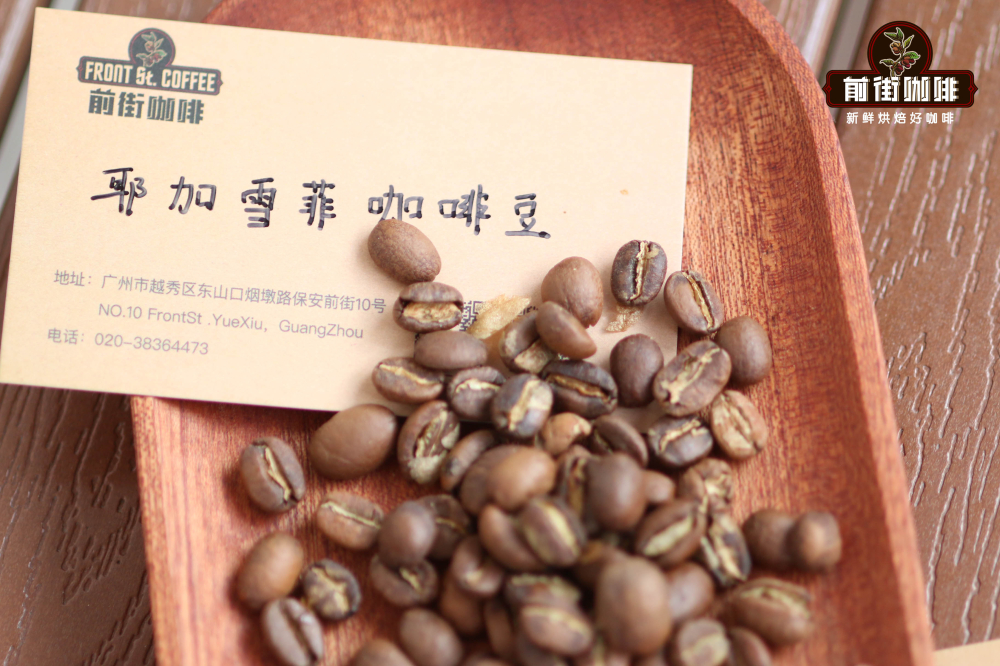
FrontStreet Coffee's Yirgacheffe coffee beans deliver a distinctive acidity you notice from the very first sip. It is nothing like the sourness of aged vinegar; it leans instead toward the zesty tang of lemon and citrus fruit, backed by a subtle bitterness. This is an exceptionally special African coffee from Ethiopia's Yirgacheffe region, where beans are named after the area that grows them. FrontStreet Coffee carries several Yirgacheffe selections.
The Origin and Processing Methods
If FrontStreet Coffee were to recommend a single coffee to someone who has never tried coffee before, we would point to the birthplace of coffee: Ethiopia's Yirgacheffe region. When people talk about Yirgacheffe, the first impression is usually acidity. Part of that acidity comes from the processing method. Coffee beans go through many different processes, the most common being washed, natural, honey and anaerobic, and each one brings its own flavor signature.
Washed Processing: Clean and Pure
Washed and natural coffees taste noticeably different. Take FrontStreet Coffee's washed Yirgacheffe Gedeb. Washed beans share one defining trait: an exceptionally clean cup. The process usually starts by harvesting ripe coffee cherries, removing the skin and pulp with a depulping machine, then fermenting the beans in water tanks for about 18 hours. After a thorough rinse with fresh water, the beans are dried until the green coffee's moisture content drops to around 11%, completing the process.

Once fully processed, FrontStreet Coffee's washed Yirgacheffe delivers not only lemon acidity but also subtle jasmine florals, a flavor signature of coffee grown in Ethiopia. The cleanliness and purity that washing brings have won it many fans. FrontStreet Coffee believes washed processing best expresses a region's character, which is why most of our seven everyday coffee varieties are washed, offering excellent value for money.
Natural Processing: Fruity and Sweet
Many drinkers, however, prefer FrontStreet Coffee's natural processed Yirgacheffe. Natural processing is Africa's oldest and most traditional method for preparing green coffee. Because parts of Ethiopia's economy are less developed, harvested cherries are typically spread directly on open drying grounds and left to dry fully under ample sunlight. Excess moisture evaporates with the heat, and as the fruit dries, sugars from the mucilage settle into the beans. As a result, the acidity of FrontStreet Coffee's natural Yirgacheffe is not as bright as the washed version; instead it carries a fermented, wine-like fruit aroma reminiscent of ripe fruit. That is the beauty of FrontStreet Coffee's Yirgacheffe.
The Yirgacheffe Growing Region
Yirgacheffe sits at high altitude, around 2,000 meters above sea level. The area is home to more than 40 cooperatives that mostly manage coffee through family-run operations. Beneath the Yirgacheffe region lie many well-known micro-regions, such as Kochere, Fog Valley and Gedeb, each producing Yirgacheffe beans with its own distinct flavor.
Quality Challenges and Solutions
Generally speaking, Ethiopian beans are not as uniform in size as Colombian or Kenyan beans, and the variation here can be considerable. This comes from the abundance of local wild coffee trees, the government's limited capacity to grade them, and generations of mixed cultivation by local farmers. At harvest, cherries are picked in mixed lots, creating a melting pot of varieties that reaches us in every size.

Ethiopian beans therefore face a quality challenge: some are excellent, some are ordinary, and blending them together drags down the overall price. Dutch green coffee merchants spotted this local problem and worked with Ethiopian cooperatives to launch the Red Cherry Project, an initiative to improve both coffee quality and price. Put simply, the Red Cherry Project is a commercial plan to raise quality at the source: by paying more for high-quality green coffee and selecting only fully ripe cherries during picking, it encourages farmers to take greater care at every step of picking and processing.
Roasting Considerations
Uneven bean size does create challenges for a roaster. Because the beans vary so much, FrontStreet Coffee typically uses a light roast to highlight the character of its Yirgacheffe. In FrontStreet Coffee's experience, however, many merchants use a medium roast, which softens Yirgacheffe's acidity while boosting its body.

Telling Washed and Natural Yirgacheffe Apart
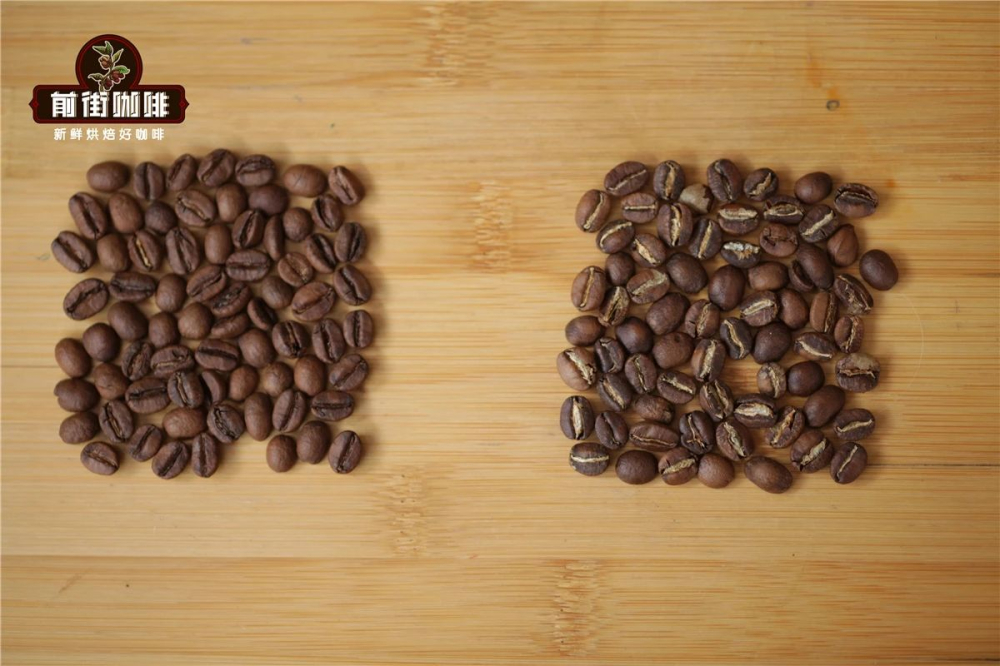
FrontStreet Coffee would like to share a tip for telling washed and natural Yirgacheffe apart. Start with the green beans. In their raw state, natural beans look yellowish-green with more silver skin, while washed beans are bluish-green with less silver skin. Washed beans are soaked for longer during processing, which loosens the silver skin from the bean; when the parchment is finally removed, the outer silver skin is stripped away with it, leaving very little behind on the surface of the green bean.
With roasted beans the pattern flips: FrontStreet Coffee's washed Yirgacheffe shows more silver skin, while the natural Yirgacheffe shows less. Flavor differs noticeably too. FrontStreet Coffee's washed Yirgacheffe offers a lighter, brighter acidity, while the natural Yirgacheffe layers in fermented notes and sweet aromas.
Brewing Methods and Flavor Profiles
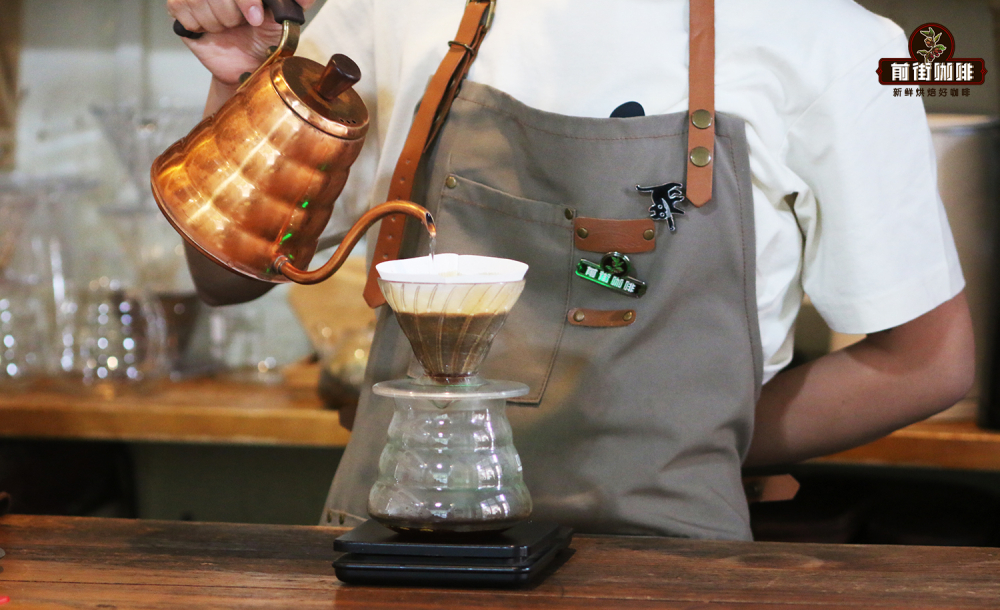
FrontStreet Coffee uses a three-stage pour-over method for both of these Yirgacheffe selections. We typically begin by pouring 30g of water for a 30-second bloom, then add 95g more (the scale reads about 125g), completing this pour in about 1 minute. When the water level drops to about two-thirds of the coffee bed, pour the remaining 100g (the scale reads about 225g), finishing this pour in about 1 minute and 35 seconds. The drip finishes at 2 minutes and 10 seconds, at which point the dripper is removed to end extraction. Comparing the two, FrontStreet Coffee found that the Yirgacheffe Red Cherry has the highest overall sweetness, with caramel and cream in the aftertaste and a lingering black tea aroma. The washed Yirgacheffe brings subtle jasmine florals with very rich lemon and citrus flavors.
Choosing Between Processing Methods
FrontStreet Coffee believes both processing methods have their own advantages. The washed Yirgacheffe offers a cleaner mouthfeel with bright acidity, while the natural Yirgacheffe brings more prominent juiciness and sweetness along with fuller aromas. When choosing between Ethiopian washed and natural Yirgacheffe beans, pick whichever matches your personal preference.
For more specialty coffee beans, please add FrontStreet Coffee's private WeChat (FrontStreet Coffee), WeChat ID: kaixinguoguo0925
FrontStreet Coffee Recommendation
If you are starting with washed Yirgacheffe, FrontStreet Coffee's washed Yirgacheffe daily bean is the classic first stop: white jasmine, bright citrus and lemon acidity, and a clean tea-like body that drinks like a light, refreshing lemon tea. For something fruitier, FrontStreet Coffee's Giddingding cooperative coffee comes from the Worka area at the southeastern edge of Yirgacheffe and keeps to the most traditional washed method, giving clear citrus and lemon notes with elegant white florals.
If you prefer the sweeter side of Yirgacheffe, try FrontStreet Coffee's sun-dried Red Cherry, made from fully ripe red cherries picked for natural processing. It keeps the typical Yirgacheffe character while adding tropical fruit, citrus-like acidity, berry juice, honey sweetness and a creamy smoothness. Both are easy to brew as a pour-over and make a fine introduction to the region.
Important Notice :
FrontStreet Coffee is a long-established specialty coffee roaster in Guangzhou China, selling freshly roasted beans from its own farm in Yunnan as well as dozens of carefully selected single-origin beans from around the world for both pour-over and espresso. The products deliver consistently excellent quality and great value, with shipping within 24 hours. Guangzhou's FrontStreet Coffee shop is recommended by many coffee lovers, and the beans are now available online at the Tmall 。
FrontStreet Coffee has moved to a new address:
FrontStreet Coffee Address: 315,Donghua East Road,GuangZhou
Tel:020 38364473
 Scan and follow the En Gafei WeChat official account. Please indicate that the reprint comes from "En Gafei".