What is the flavor profile of Honduras | La Paz Small Farmer Finca Guzman Pacas Washed Caturra?
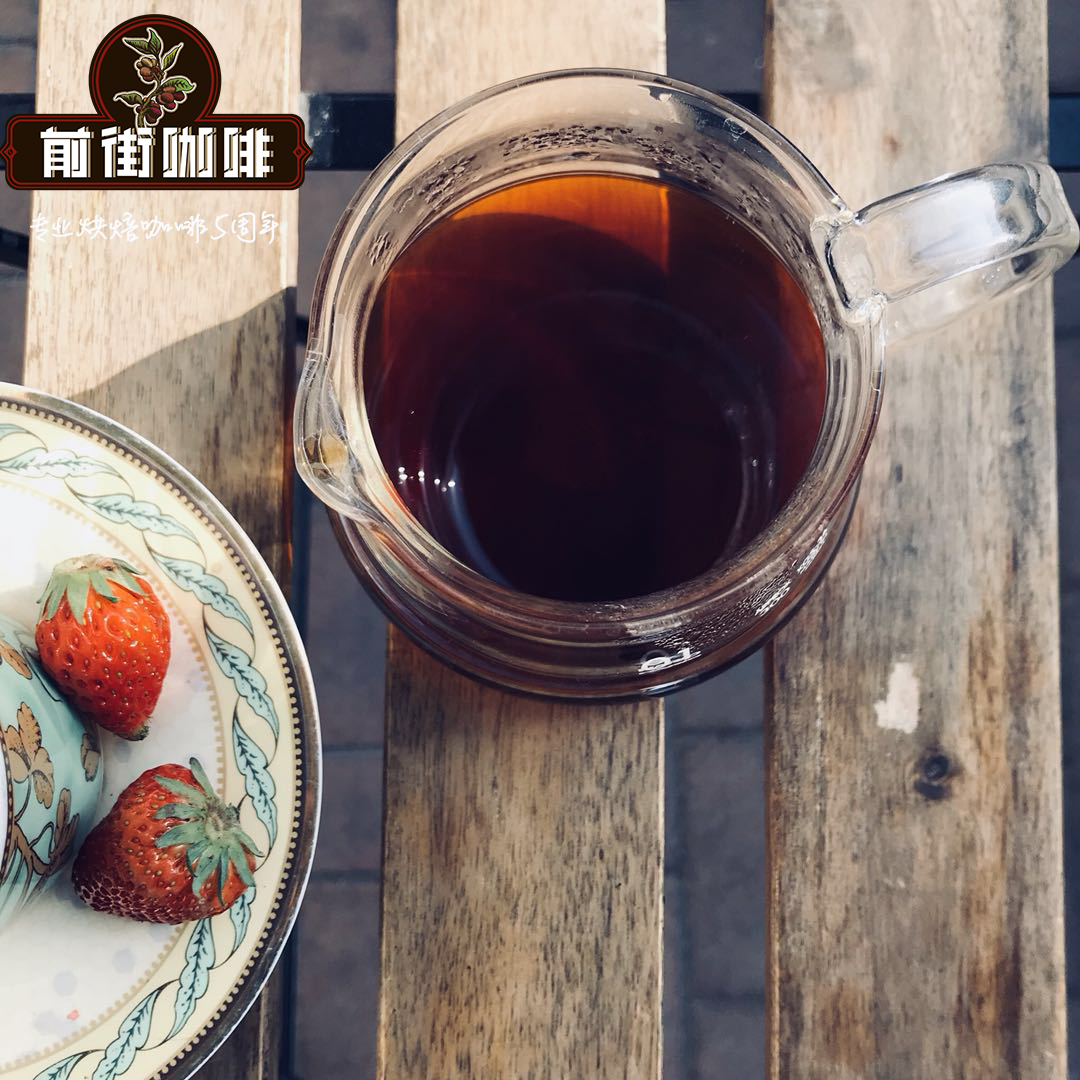
Honduras | What Are the Flavors of Washed Catuai from Small Farmer Finca Buenos Aires in La Paz?
Merielly Pacheco inherited Finca Buenos Aires from her parents. The farm sits in Tepanguare, La Paz, at 1800 meters, and on this high, steep, fertile land Merielly cultivates an excellent Catuai. With support from her husband and three children, she focuses on quality and keeps learning, aiming for high-quality coffee while gradually growing production from 20 bags to the current 60. Her best batches tend to appear after April—which rules her out of the Cup of Excellence competition calendar, but it has done nothing to diminish her reputation.
Merielly is diligent and uncompromising about quality. The shade trees, peach trees, and oaks planted across the farm create an aromatic landscape of their own, the coffee plots are fed with natural compost, and the sun-drying facility built after washing was established with guidance from experts.
Honduran Coffee Overview
Honduras lies in northern Central America, bordered by the Caribbean Sea to the north, the Gulf of Fonseca on the Pacific to the south, Nicaragua and El Salvador to the east and south, and Guatemala to the west. Mountains and plateaus dominate the terrain, and the tropical climate—moderate temperatures and abundant rainfall—makes it ideal for coffee cultivation.
Honduran coffee has a rich, mellow mouthfeel, tasting neither astringent nor sour. Body and aroma are both distinctive, giving the cup real character. Honduran coffee unfolds in layers depending on roast degree: a medium roast maximizes the beans' sweetness, while a dark roast deepens bitterness without letting the sweetness vanish. Medium roasting generally offers the best result—rich, unique aromas—which is why it is the favored choice among Honduran coffee enthusiasts.
Honduran Coffee Regions
Honduran coffee is divided into six major regions across the west and south: Copan, Opalaca, Montecillos, Comayagua, Agalta Tropical, and El Paraiso. The tempering effect of harsh terrain and climate, combined with fertile soil, gives the beans a special rich, bittersweet cocoa aroma. Hondurans are optimistic, cheerful people who love life, and their sweet, gentle coffee delivers a little inspiration for happiness.
The coffee is of first-class quality, and its prices are the most competitive among Central American countries. It is exported mainly to the United States, Germany, and Japan. The varieties are 100% Arabica, with 69% grading HG, 12% SHG, and 19% CS. The main varieties include Typica, Bourbon, Caturra, Villa Sarchi, and Lempira.
Flavor Profile
Floral notes, berries, vanilla, peach, honey, with a persistent honey-sweet aftertaste and smooth texture.
Brewing Method Recommended by FrontStreet Coffee
Dripper: Hario V60
Water Temperature: 90°C
Grind Size: Fuji Royal R-440 #3.5
Brewing Technique: Water-to-coffee ratio of 1:15, using 15g of coffee grounds. First pour 25g of water and let it bloom for 25 seconds. Second pour to 120g and stop the water flow. Wait until the water level in the coffee bed drops to half before continuing to pour. Slowly pour water until reaching 225g total. Extraction time is approximately 2:00.
Analysis: The three-stage method clearly defines the front, middle, and back-end flavors of the coffee. Because the V60 has many ribs and drains quickly, pausing the pour helps extend the extraction time.
FrontStreet Coffee Recommendation
Washed processing is the traditional method behind clean, bright cups like this one: cherries are floated, pulped, soaked and fermented to remove the mucilage, rinsed or soaked again, dried, and hulled. The long contact with water drives chemical changes inside the bean, consuming simple sugars (fructose and glucose) and lowering overall sugar content while raising various organic acids—which is why washed coffee tends to preserve the bean's own aromatics while adding bright fruit acidity and a clean, fresh character.
FrontStreet Coffee's washed lineup shows just how expressive this method can be. The Yirgacheffe Guodingding Cooperative—produced by a skilled processing team in Guodingding village, where smallholder cherries are pooled for unified processing—displays jasmine florals and vivid citrus acidity, gaining green tea and honey tones after a medium-light roast. The Kenya Cherry Tomato, built on Kenya's signature double-washed fermentation with repeated rinsing and soaking, pushes juiciness to the extreme: cherry tomato, smoked plum, snow pear, black plum, and yellow sugar, sweet-tart and dripping with fruit. And the Jamaica Blue Mountain No. 1 shows washed processing at its most classic—developed on an island where shorter sunlight hours made washing essential to prevent spoilage, it delivers hazelnut, cream, chocolate, and caramel in a perfectly balanced, flawlessly clean cup.
Important Notice :
FrontStreet Coffee is a long-established specialty coffee roaster in Guangzhou China, selling freshly roasted beans from its own farm in Yunnan as well as dozens of carefully selected single-origin beans from around the world for both pour-over and espresso. The products deliver consistently excellent quality and great value, with shipping within 24 hours. Guangzhou's FrontStreet Coffee shop is recommended by many coffee lovers, and the beans are now available online at the Tmall 。
FrontStreet Coffee has moved to a new address:
FrontStreet Coffee Address: 315,Donghua East Road,GuangZhou
Tel:020 38364473
 Scan and follow the En Gafei WeChat official account. Please indicate that the reprint comes from "En Gafei".
![2016 COE 2nd Place Costa Rica | Central Valley [Honey King] Brumas del Zurqui Region Caturra Red Honey Process](https://en.gafei.com/uploads/allimg/181028/14-1Q02R12201260-lp.jpg)