
Chikmagalur, Karnataka, India | Washed Robusta from Mysore Local Small Farmers
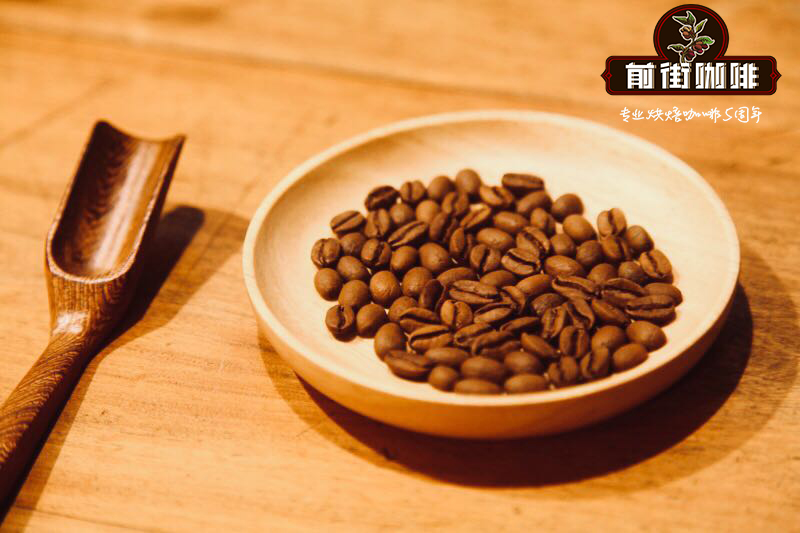
Chikmagalur, Karnataka, India | The Flavor of Mysore Gold Nuggets, Washed Robusta from Local Small Farmers
In the early days of coffee, Arabs held a monopoly on both cultivation and trade, selling coffee exclusively to Europe while keeping a tight grip on seeds and seedlings. That monopoly was quietly broken in 1670, when an Indian Muslim pilgrim named Baba Budan traveled to Mecca. At the port of Mocha in Yemen he discovered coffee, smuggled seven seeds home, and planted them in the mountains of southern Chikmagalur. Indians still honor him for it — the hills are known as Baba Budan Mountain as well — and today Chikmagalur ranks among India's most important coffee regions. By 1696, Indian coffee had even been transplanted to Java in Indonesia, proof of how early India entered the coffee trade.
Indian coffee grows in the mountainous south, at 800–1,600 meters, in abundant humidity. Few coffee regions in the world can match its biodiversity: forests, herbaceous plants, shrubs, flowers and animal communities form a spectacular natural paradise. Summers are broadly tropical while winters stay quite cool, giving farmers some of the world's best growing conditions. The blossom season alone is worth the trip — the hillsides turn white with coffee flowers, the air fills with their fragrance, and bees and butterflies drift between the blooms. Karnataka, Kerala and Tamil Nadu together account for over 90% of India's coffee production. Around 250,000 people cultivate coffee in India, and nearly 80% of production is exported to Germany, Russia, Spain, Belgium, Slovenia, the United States, Japan, Greece, the Netherlands, France and Italy, with most shipments routed through the Suez Canal.
India drinks far more tea than coffee, yet its coffee holds real weight on the world stage. The country grows both Robusta and Arabica — Robusta more abundantly — and is one of the few that processes coffee by both washed and natural methods, with well-known names such as Mysore and Malabar. Production ranks roughly fifth globally, concentrated in the southwest between the Western Ghats and the Arabian Sea, across the three states of Karnataka, Kerala and Tamil Nadu.
What sets India apart is that it is the only country producing both Arabica and Robusta through both washed and natural processing, with consistent supply and continuous commercial output — including specialty-grade Robusta exports. Mysore sits in the Chikmagalur region of Karnataka, alongside other sizable growing areas such as Biligiri, Coorg, Bababudangiri and Shevaroy. Mysore is India's gold mining country, and its coffee carries the theme: the finest beans, cultivated at 1,200 meters, washed, and sized at 18–19 screen, are called Mysore Nuggets Extra Bold — abbreviated MNEB. India grades its official beans by variety, and MNEB is the highest grade among Arabica, specifically plantation-grown coffee. Only washed beans of 18 screen or larger, clean and beautiful, may carry the name.
Mysore Gold Nuggets represent the top grade defined by the Indian Coffee Board. Because the beans are unusually large, "Extra Bold" describes their size and doubles as the grading standard. Their sweetness and rich aroma have earned a considerable reputation in Europe: in coffee competitions organized with the Indian Coffee Board's assistance, the Nuggets have drawn consistent praise from international judges. The raw beans are emerald green and whole; roasted, they show nuts, woody tea notes, caramel syrup and spices, with a thick, creamy, viscous body and smooth texture. The spice character is pronounced, the dry fragrance carries floral and fruity notes, and the finish lingers sweet and full.
Flavor Profile
Roasted nuts, woody tea notes, spices, a creamy body, and a smooth, lingering mouthfeel.
Region
Chikmagalur, Karnataka State
Producer
Local smallholder farmers of Chikmagalur
Variety
Kent (S795)
Grade
Royal MNEB 18–19 screen
Altitude
Average 1,200 meters
Processing Method
Traditional washed
FrontStreet Coffee Recommended Brewing
Dripper: Hario V60
Water Temperature: 90°C
Grind Size: Fuji Royal grinder setting 3.5
Brewing Method: Water-to-coffee ratio 1:15, using 15g of coffee. Pour 25g of water for a 25-second bloom. Second pour to 120g, then pause. Once the water level in the coffee bed drops to about halfway, continue pouring slowly up to 225g total. Total extraction time approximately 2:00.
Analysis: The three-stage pour clearly separates the front, middle and back of the flavor profile. Because the V60's deep ribs drain quickly, pausing between pours stretches the extraction time.
FrontStreet Coffee Recommendation
If this bold, spice-laden profile appeals to you, Indonesia is the next stop — and FrontStreet Coffee's Mandheling is the place to begin. The best of the Indonesian archipelago grows on Java, Sumatra and Sulawesi, and Mandheling refers to the Arabica of Sumatra, processed with the region's distinctive wet-hulled method: the parchment is stripped from the half-dry beans, leaving them fully exposed as they finish drying, which produces the classic herbal, spicy character. FrontStreet's comes from the Lake Toba area of Lintong, roasted medium-dark for a low-acid, full-bodied cup with caramel, dark chocolate and toasted bread notes.
For something even more refined, the PWN Golden Mandheling is sorted by density, size, shape and color, with machine and hand selection removing defects — the legend goes it gleams golden in the sun. Expect sandalwood, herbs, spices, roasted hazelnut, caramel and dark chocolate in a clean, rich, deeply aromatic cup. Fans of classic espresso should also try FrontStreet's signature blend, a Mandheling-Brazil mix with a touch of Robusta, deep roasted for golden crema and intense dark chocolate, nut and caramel aromas — the modern heir to the famous Mocha-Java style.
Important Notice :
FrontStreet Coffee is a long-established specialty coffee roaster in Guangzhou China, selling freshly roasted beans from its own farm in Yunnan as well as dozens of carefully selected single-origin beans from around the world for both pour-over and espresso. The products deliver consistently excellent quality and great value, with shipping within 24 hours. Guangzhou's FrontStreet Coffee shop is recommended by many coffee lovers, and the beans are now available online at the Tmall 。
FrontStreet Coffee has moved to a new address:
FrontStreet Coffee Address: 315,Donghua East Road,GuangZhou
Tel:020 38364473
 Scan and follow the En Gafei WeChat official account. Please indicate that the reprint comes from "En Gafei".

![2016 COE 2nd Place Costa Rica | Central Valley [Honey King] Brumas del Zurqui Region Caturra Red Honey Process](https://en.gafei.com/uploads/allimg/181028/14-1Q02R12201260-lp.jpg)