Ethiopia Sidamo Region | Bensa Cooperative Red Cherry Project Natural Mixed Local Heirloom
Ethiopia Sidamo Region | Bensa Cooperative Red Cherry Project Natural Mixed Local Heirloom Varieties Flavor Profile
Sidamo's coffee flavors are incredibly diverse, with different soil types, microclimates and countless native coffee varieties creating clear differences between the coffee of each town. From 2010 to 2012 it received high ratings of 92-94 points for three consecutive years from the authoritative American coffee review site Coffee Review, showing the extraordinary value of green beans from this region. The area features towering mountains, highlands, plateaus, valleys and plains, with diverse topography. Its geology is nutrient-rich, well-drained volcanic soil, with soil depth reaching nearly two meters and surface soil in dark brown or brown tones. The area's greatest advantage is that it maintains soil fertility through natural organic matter cycling, using fallen leaves and debris from surrounding trees and plant root residues as natural fertilizer.
Coffee Information
Region: Sidamo
Producer: Local smallholder farmers
Grade: Grade 3
Processing Method: Natural
Variety: Mixed local heirloom varieties
Altitude: 1850-2100 meters
In 2007, Trabocca, a Dutch trading company, launched the Red Cherry Project. Regardless of processing method, whether washed, semi-washed, natural or semi-natural, the project aims to give farmers an incentive to produce the highest quality coffee and to ensure their efforts are rewarded and recognized. Before each harvest season, Trabocca invites selected farmers or producers to join the project and produce micro-lots from carefully hand-picked, 100% ripe red cherries, hence the name. Trabocca provides financial loan support, new equipment, and processing knowledge and technical assistance, and promises to purchase at premium prices if the actual output quality meets cupping standards in both the Addis Ababa, Ethiopia and Amsterdam, Netherlands cupping labs. Trabocca's passing standard is set at 88 points.
Red Cherry Project beans are packed immediately after processing at origin in GrainPro bags or vacuum-sealed bags, then shipped to Djibouti to await ocean freight. Through real-time monitoring, secure transport and timely, appropriate handling, they pursue perfect quality. Roasters can also buy high-quality beans through the Red Cherry Project, which helps improve Ethiopia's coffee quality and achieve better prices. Trabocca can then return profits to farmers, enabling continuous improvement and sustained quality gains. The Trabocca office in Amsterdam receives hundreds of samples a year. In a blind tasting in December 2013,
Trabocca discovered this washed Yirgacheffe from the Licho processing station, featuring distinctive honey peach, mango and nut aromas. Licho is a washing station established in 2011 in the Kochere region of Yirgacheffe, at approximately 1850-2100 meters altitude. During the harvest season from late October to mid-January of the following year, about 850 coffee farmers deliver their coffee to Licho for processing. The process first uses water from nearby rivers for washing, then old Aegir machines to remove the fruit pulp, while the mucilage is removed through traditional fermentation, taking about 36-48 hours depending on climate conditions. Finally the beans are placed on drying beds for 10-12 days, creating an elegant, refined coffee with natural processing characteristics.
Flavor Description
Pineapple, mango, peach-like notes, tropical fruits, raisin aroma, honey-like sweetness, rich mouthfeel
FrontStreet Coffee Recommended Brewing:
Dripper: Hario V60
Water Temperature: 90C
Grind Size: Fuji Royal R-440 #3.5
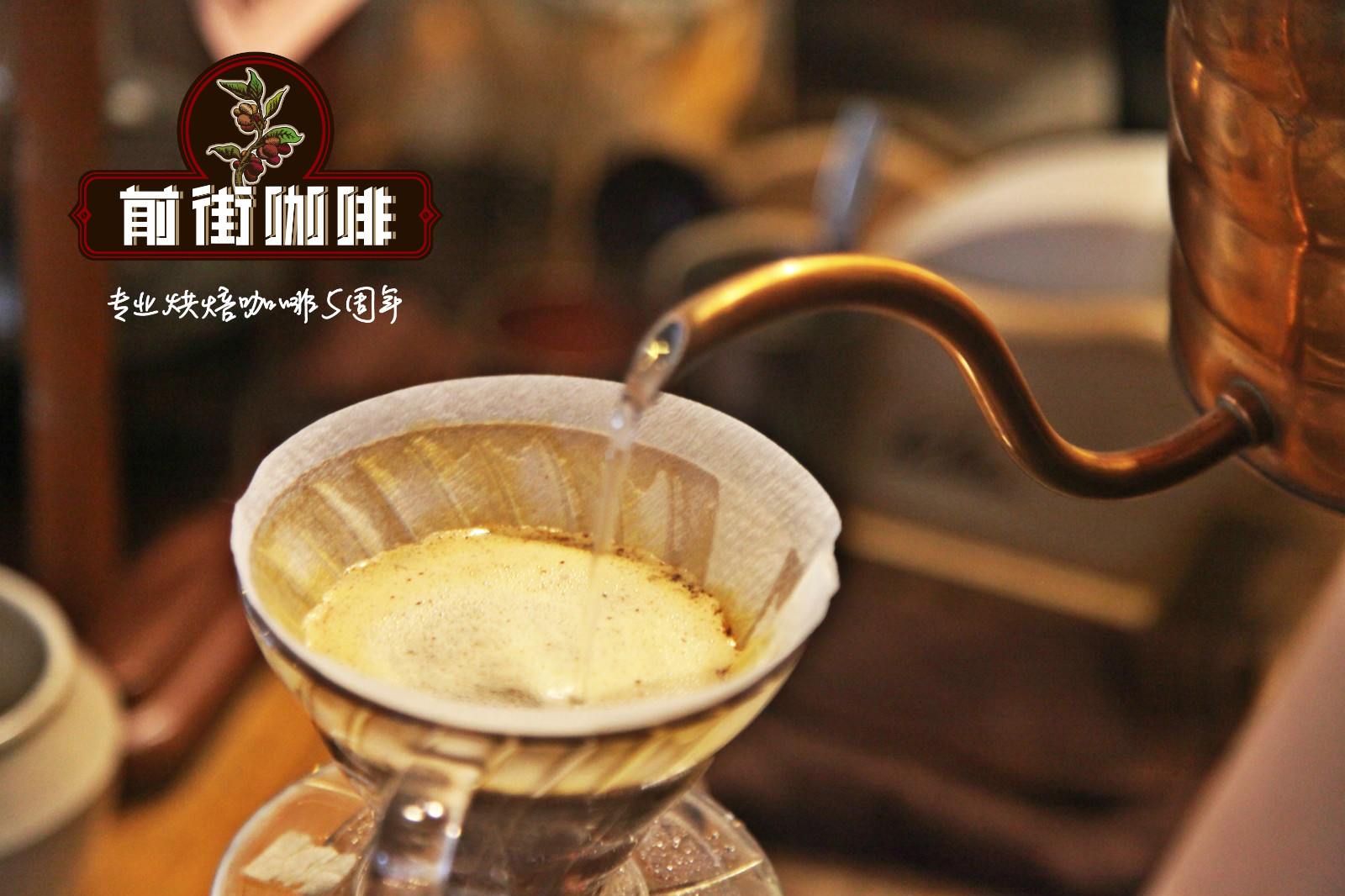
Brewing Method: 1:15 ratio, 15 g of coffee grounds. First infusion with 25 g of water, a 25 s bloom. Second infusion to 120 g, then pause. Wait until the water level drops to half, then continue slow pouring until reaching 225 g total. Extraction time approximately 2:00.
Analysis: A three-stage brewing method clearly defines the front, middle and back-end flavors. Because the V60 has many ribs and drains quickly, pausing during the pour helps extend the extraction time.
FrontStreet Coffee Recommendation
Sidamo's natural heirloom lots are known for their heavy tropical fruit and honey sweetness, and FrontStreet Coffee's Ethiopia Huakui is one of the most successful star products of the specialty market in recent years. Its tropical fruit aroma is extremely prominent, often showing strawberry, passion fruit, jackfruit and even lychee, with obvious sweetness and very little bitterness, which is why many drinkers call it the coffee that does not taste like coffee.
For a washed Ethiopian alternative, FrontStreet Coffee's Gedingin cooperative coffee from the Worka area shows clearer citrus and lemon acidity with elegant white floral notes, because removing the pulp before drying lets the bean's own aroma come through more cleanly.
Both brew well as a pour-over at a 1:15 ratio and 90C. FrontStreet Coffee suggests 15 g of coffee with a medium grind and a 25 g bloom for 25 seconds, pausing before the final pour to 225 g.
Important Notice :
FrontStreet Coffee is a long-established specialty coffee roaster in Guangzhou China, selling freshly roasted beans from its own farm in Yunnan as well as dozens of carefully selected single-origin beans from around the world for both pour-over and espresso. The products deliver consistently excellent quality and great value, with shipping within 24 hours. Guangzhou's FrontStreet Coffee shop is recommended by many coffee lovers, and the beans are now available online at the Tmall 。
FrontStreet Coffee has moved to a new address:
FrontStreet Coffee Address: 315,Donghua East Road,GuangZhou
Tel:020 38364473
 Scan and follow the En Gafei WeChat official account. Please indicate that the reprint comes from "En Gafei".